This book, first published in 1968, is a collection of twenty-five lectures by Swami Prabhavananda, the outstanding scholar and translator of Hindu scriptures.
This book, first published in 1962, is an analysis of the history of the philosophy of a country that has never distinguished philosophy from religion.
This book, first published in 1957, was the first in English to provide a full and clear introduction to one of the most significant of Indian gods, and stresses his supreme role in Indian religion and art.
This book, first published in 1957, was the first in English to provide a full and clear introduction to one of the most significant of Indian gods, and stresses his supreme role in Indian religion and art.
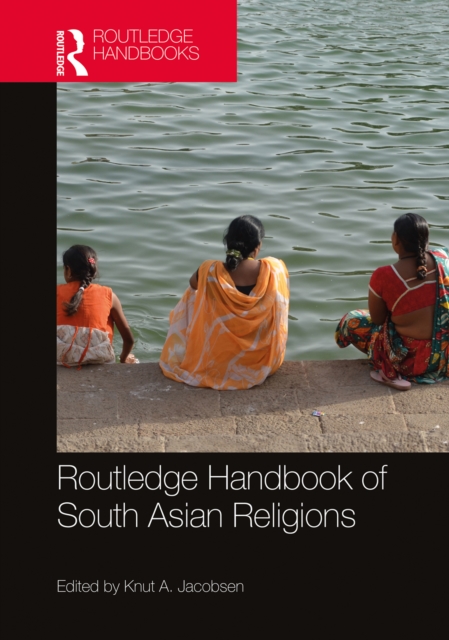
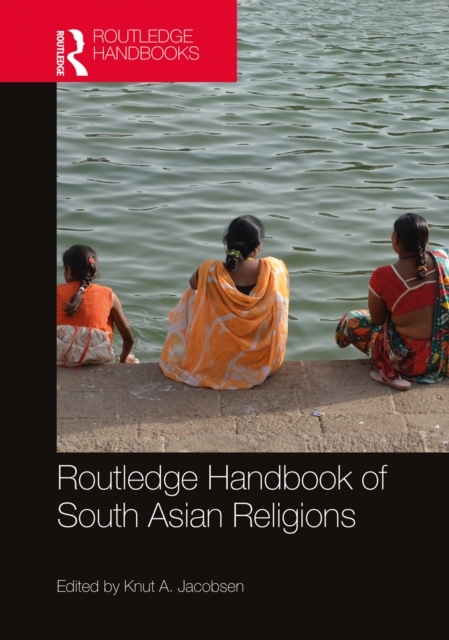
The Routledge Handbook of South Asian Religions presents critical research, overviews, and case studies on religion in historical South Asia, in the seven nation states of contemporary South Asia: India, Pakistan, Bangladesh, Nepal, Bhutan, Sri Lanka, and the Maldives, and in the South Asian diaspora.
The Routledge Handbook of South Asian Religions presents critical research, overviews, and case studies on religion in historical South Asia, in the seven nation states of contemporary South Asia: India, Pakistan, Bangladesh, Nepal, Bhutan, Sri Lanka, and the Maldives, and in the South Asian diaspora.
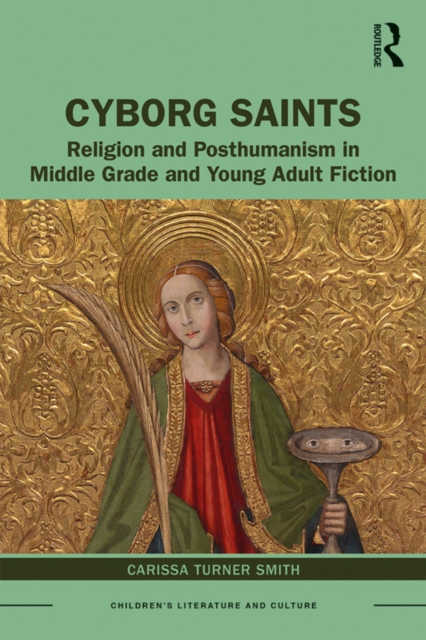
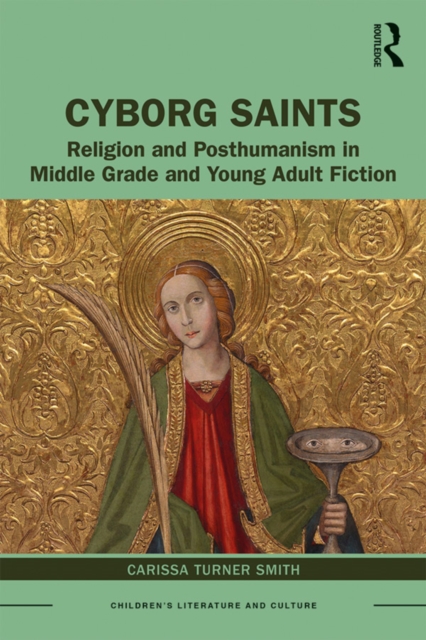
Saints are currently undergoing a resurrection in middle grade and young adult fiction, as recent prominent novels by Socorro Acioli, Julie Berry, Adam Gidwitz, Rachel Hartman, Merrie Haskell, Gene Luen Yang, and others demonstrate.
Saints are currently undergoing a resurrection in middle grade and young adult fiction, as recent prominent novels by Socorro Acioli, Julie Berry, Adam Gidwitz, Rachel Hartman, Merrie Haskell, Gene Luen Yang, and others demonstrate.
Leading thinkers offer theoretical, contextual and practical responses to encourage a renewed love for the church and renewed energy to bear witness appropriately and creatively.
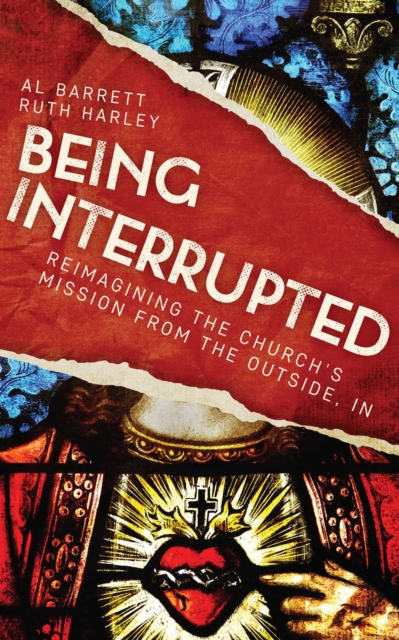
Beginning with a 'Street Nativity Play' that didn't end as planned, and finishing with an open-ended conversation in the midst of the COVID-19 pandemic, "e;Being Interrupted"e; locates an institutionally-anxious Church of England within the wider contexts of divisions of race and class in 'the ruins of empire', alongside ongoing gender inequalities, the marginalization of children, and catastrophic ecological breakdown.
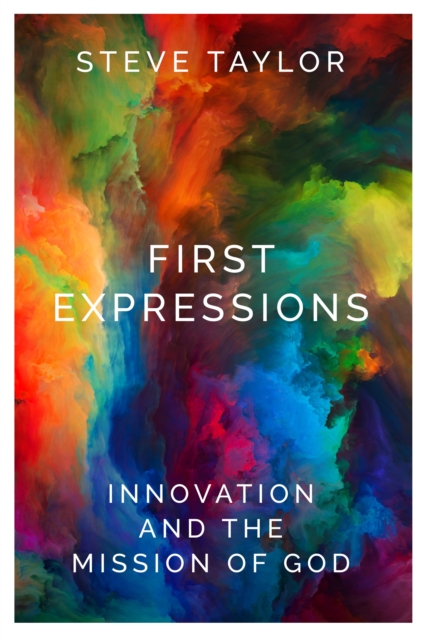
Seeking insight from the real-life development of the earliest expressions of emerging church from their birth, through times of adolescent angst and into the reality of adulthood, this book offers a unique insight into the long-term sustainability of fresh expressions.
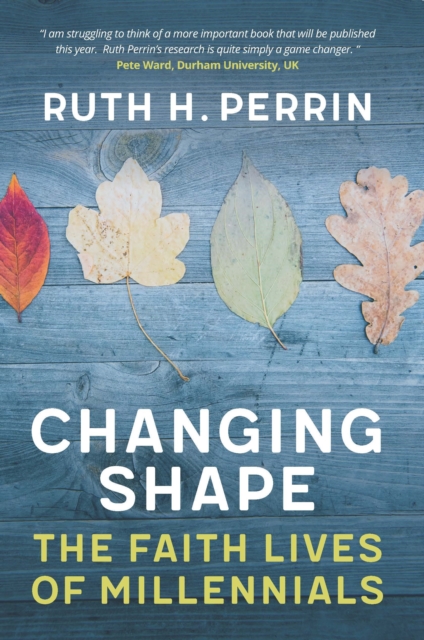
Considering the factors which help shape millennial belief, Changing Shape reflects on the challenges and opportunities that 'missing generation' bring to the Church, and considers what lessons the Church can learn from the Millennial mindset.
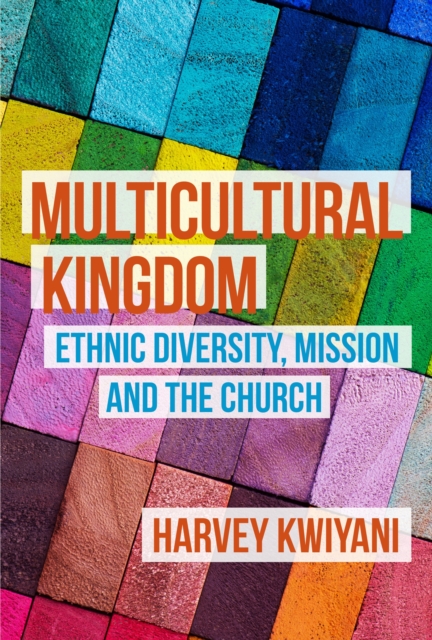
'Multicultural Kingdom' explores some of the causes and implications of ethnic diversity on the British Christian landscape - and the landscape of theology itself.
Just Mission draws upon the increased activism of local churches and links it to effective use of democratic processes to achieve justice for the people with whom they have a pastoral relationship.
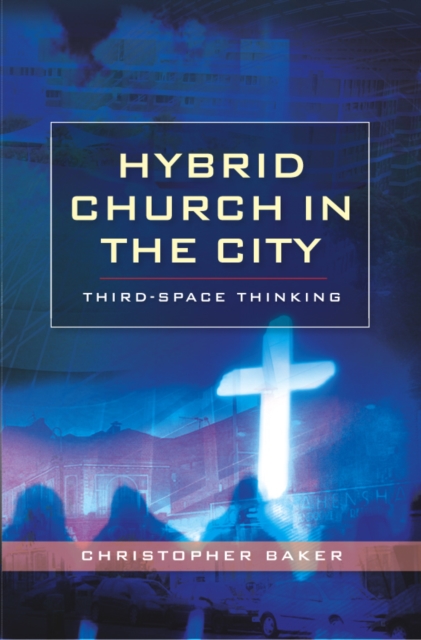
There has been a growing interest in the rapidly evolving nature of cities in the past 10-15 years, but especially in the last 5 years, and the profound impact this is having upon our understanding of community, belonging and church.
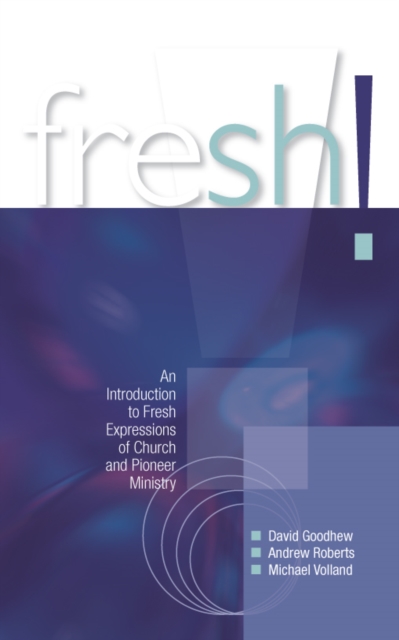
The first comprehensive textbook on the theology and methodology of Fresh Expressions, one of the most important developments within the contemporary church.
Doug Gay seeks to identify and evaluate what goes on in the emerging church and how it relates to other developments of the twentieth and twenty-first century church.