Whilst the greatest effort has been made to ensure the quality of this text, due to the historical nature of this content, in some rare cases there may be minor issues with legibility.
Whilst the greatest effort has been made to ensure the quality of this text, due to the historical nature of this content, in some rare cases there may be minor issues with legibility.
Whilst the greatest effort has been made to ensure the quality of this text, due to the historical nature of this content, in some rare cases there may be minor issues with legibility.
Whilst the greatest effort has been made to ensure the quality of this text, due to the historical nature of this content, in some rare cases there may be minor issues with legibility.
Whilst the greatest effort has been made to ensure the quality of this text, due to the historical nature of this content, in some rare cases there may be minor issues with legibility.
Whilst the greatest effort has been made to ensure the quality of this text, due to the historical nature of this content, in some rare cases there may be minor issues with legibility.
Whilst the greatest effort has been made to ensure the quality of this text, due to the historical nature of this content, in some rare cases there may be minor issues with legibility.
Whilst the greatest effort has been made to ensure the quality of this text, due to the historical nature of this content, in some rare cases there may be minor issues with legibility.
Whilst the greatest effort has been made to ensure the quality of this text, due to the historical nature of this content, in some rare cases there may be minor issues with legibility.
Whilst the greatest effort has been made to ensure the quality of this text, due to the historical nature of this content, in some rare cases there may be minor issues with legibility.
Whilst the greatest effort has been made to ensure the quality of this text, due to the historical nature of this content, in some rare cases there may be minor issues with legibility.
Whilst the greatest effort has been made to ensure the quality of this text, due to the historical nature of this content, in some rare cases there may be minor issues with legibility.
Whilst the greatest effort has been made to ensure the quality of this text, due to the historical nature of this content, in some rare cases there may be minor issues with legibility.
Whilst the greatest effort has been made to ensure the quality of this text, due to the historical nature of this content, in some rare cases there may be minor issues with legibility.
Whilst the greatest effort has been made to ensure the quality of this text, due to the historical nature of this content, in some rare cases there may be minor issues with legibility.
Whilst the greatest effort has been made to ensure the quality of this text, due to the historical nature of this content, in some rare cases there may be minor issues with legibility.
Whilst the greatest effort has been made to ensure the quality of this text, due to the historical nature of this content, in some rare cases there may be minor issues with legibility.
Whilst the greatest effort has been made to ensure the quality of this text, due to the historical nature of this content, in some rare cases there may be minor issues with legibility.
Whilst the greatest effort has been made to ensure the quality of this text, due to the historical nature of this content, in some rare cases there may be minor issues with legibility.
Whilst the greatest effort has been made to ensure the quality of this text, due to the historical nature of this content, in some rare cases there may be minor issues with legibility.
Whilst the greatest effort has been made to ensure the quality of this text, due to the historical nature of this content, in some rare cases there may be minor issues with legibility.
Whilst the greatest effort has been made to ensure the quality of this text, due to the historical nature of this content, in some rare cases there may be minor issues with legibility.
Whilst the greatest effort has been made to ensure the quality of this text, due to the historical nature of this content, in some rare cases there may be minor issues with legibility.
Whilst the greatest effort has been made to ensure the quality of this text, due to the historical nature of this content, in some rare cases there may be minor issues with legibility.
Whilst the greatest effort has been made to ensure the quality of this text, due to the historical nature of this content, in some rare cases there may be minor issues with legibility.
Whilst the greatest effort has been made to ensure the quality of this text, due to the historical nature of this content, in some rare cases there may be minor issues with legibility.
Whilst the greatest effort has been made to ensure the quality of this text, due to the historical nature of this content, in some rare cases there may be minor issues with legibility.
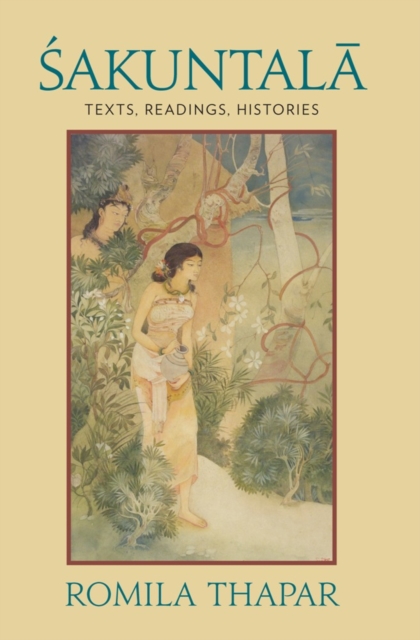
The figure of Sakuntala appears in many forms throughout South Asian literature, most famously in the Mahabharata and in Kalidisa's fourth-century Sanskrit play, Sakuntala and the Ring of Recollection.
Namdev is a central figure in the cultural history of India, especially within the field of bhakti, a devotional practice that has created publics of memory for over eight centuries.
By analyzing concrete examples of the creation of a heritage in the context of migration, this multi-sited ethnography considers the implications of representations of religions and diaspora for Sindhi Hindus and other similar communities.
Hindu thought has undergone a major reconfiguration in the nineteenth and the twentieth centuries, in response to its encounter with the forces of modernity.
This is the first systematic study of Mohandas Gandhi's conception of religion and of his personal religious practices to be based on the ninety volumes of his Collected Works.
The book compares modern Jewish and Hindu thought through discussing selected writers with reference to common issues treated by them, issues which are still relevant today.
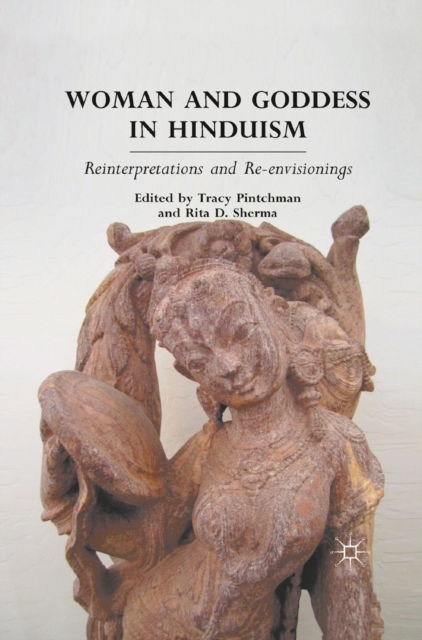
Offering multilayered explorations of Hindu understandings of the Feminine, both human and divine, this book emphasizes theological and activist methods and aims over historical, anthropological, and literary ones.
Through analysis of an impressive array of 'low' and 'high' Hindu literatures, particularly pamphlets, tracts, newspapers, and archival data, Gupta explores the emerging discourse of gender and sexuality, which was essential to the development of notions of Hindu communitality and nationalism in the colonial period.
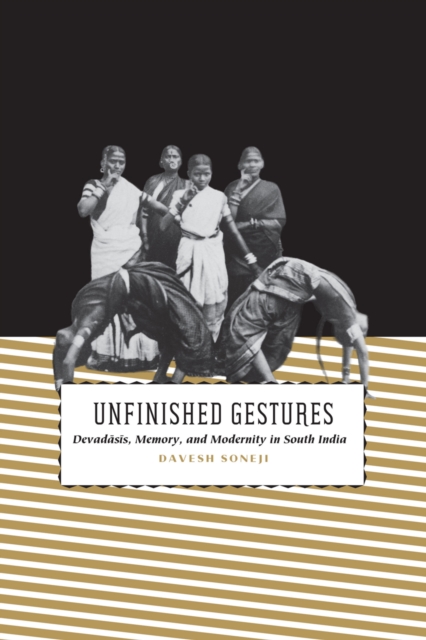
Unfinished Gestures presents the social and cultural history of courtesans in South India who are generally called devadasis, focusing on their encounters with colonial modernity in the nineteenth and early twentieth centuries.
A richly illustrated tapestry of interwoven studies spanning some six thousand years of history, Daemons Are Forever is at once a record of archaic contacts and transactions between humans and protean spirit beings-daemons-and an account of exchanges, among human populations, of the science of spirit beings: daemonology.
Few topics in South Asian history are as contentious as that of the Turkic conquest of the Indian subcontinent that began in the twelfth century and led to a long period of Muslim rule.