Imagining Religious Communities tells the story of the Gupta family through the personal and religious narratives they tell as they create and maintain their extended family and community across national borders.
Imagining Religious Communities tells the story of the Gupta family through the personal and religious narratives they tell as they create and maintain their extended family and community across national borders.
Sayings of Gorakhnath presents a translation of late-medieval texts in Old Hindi, traditionally attributed to one of the founders of the Order of Nath Yogis.
Hadimba is a primary village goddess in the Kullu Valley of the West Indian Himalayan state of Himachal Pradesh, a rural area known as the Land of Gods.
Hadimba is a primary village goddess in the Kullu Valley of the West Indian Himalayan state of Himachal Pradesh, a rural area known as the Land of Gods.
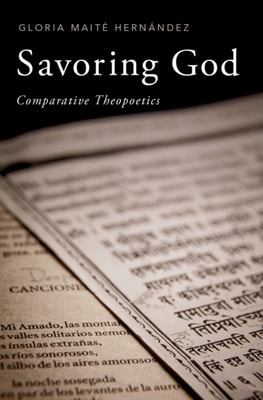
Savoring God is a comparative study that examines the creative interaction of poetry and theology in two mystical poems central to the Christian and the Hindu traditions, the sixteenth-century Spanish Cantico espiritual (Spiritual Canticle), by Saint John of the Cross, and the Sanskrit Rasa Lila (Dance of Love), which originated in the oral tradition.
Savoring God is a comparative study that examines the creative interaction of poetry and theology in two mystical poems central to the Christian and the Hindu traditions, the sixteenth-century Spanish Cantico espiritual (Spiritual Canticle), by Saint John of the Cross, and the Sanskrit Rasa Lila (Dance of Love), which originated in the oral tradition.
Comprising more than twelve million people and renowned for their resistance to Brahminical values, the Virasaivas are a vibrant and unorthodox religious community with a provocative socio-political voice.
Comprising more than twelve million people and renowned for their resistance to Brahminical values, the Virasaivas are a vibrant and unorthodox religious community with a provocative socio-political voice.
The sharp contrast between cultures with a monotheistic paternal deity and those with pluralistic maternal deities is a theme of abiding interest in religious studies.
The sharp contrast between cultures with a monotheistic paternal deity and those with pluralistic maternal deities is a theme of abiding interest in religious studies.
Though Freud never overtly refers to the Mahthe companion volume to Freud's India, Alf Hiltebeitel offers what he calls a "e;pointillist introduction"e; to a new theory about the Mah
Though Freud never overtly refers to the Mahthe companion volume to Freud's India, Alf Hiltebeitel offers what he calls a "e;pointillist introduction"e; to a new theory about the Mah
Every day millions of Tamil women in southeast India wake up before dawn to create a kolam, an ephemeral ritual design made with rice flour, on the thresholds of homes, businesses and temples.
Every day millions of Tamil women in southeast India wake up before dawn to create a kolam, an ephemeral ritual design made with rice flour, on the thresholds of homes, businesses and temples.
For scholars of ancient Indian religions, the wandering mendicants who left home and family for a celibate life and the search for liberation represent an enigma.
For scholars of ancient Indian religions, the wandering mendicants who left home and family for a celibate life and the search for liberation represent an enigma.
Carol Salomon dedicated over thirty years of her life to researching, translating, and annotating this compilation of songs by the Bengali poet and mystical philosopher Lalan Sai (popularly transliterated as Lalon) who lived in the village of Cheuriya in Bengal in the latter half of the nineteenth century.
With over four million copies in print, Paramahansa Yogananda's autobiography has served as a gateway into yoga and alternative spirituality for North American practitioners since 1946.
With over four million copies in print, Paramahansa Yogananda's autobiography has served as a gateway into yoga and alternative spirituality for North American practitioners since 1946.
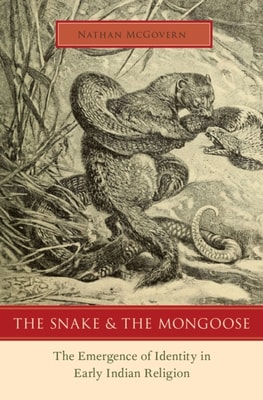
Since the beginning of modern Indology in the 19th century, the relationship between the early Indian religions of Buddhism, Jainism, and Hinduism has been predicated on a perceived dichotomy between two meta-historical identities: "e;the Brahmans"e; (purveyors of the ancient Vedic texts and associated ritual system) and the newer "e;non-Brahmanical"e; sramana movements from which the Buddhists and Jains emerged.
Since the beginning of modern Indology in the 19th century, the relationship between the early Indian religions of Buddhism, Jainism, and Hinduism has been predicated on a perceived dichotomy between two meta-historical identities: "e;the Brahmans"e; (purveyors of the ancient Vedic texts and associated ritual system) and the newer "e;non-Brahmanical"e; sramana movements from which the Buddhists and Jains emerged.