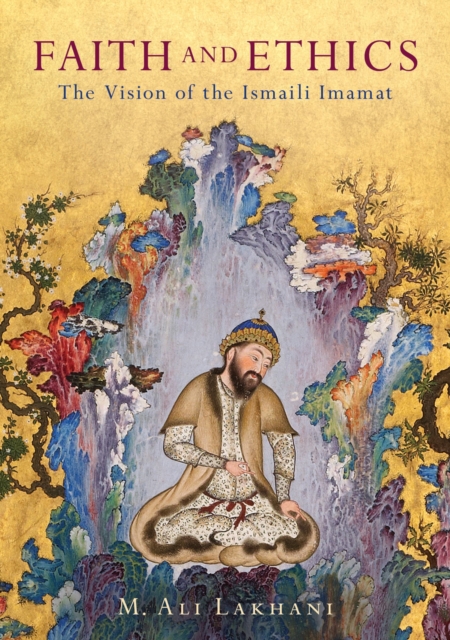
Shi`i Ismaili Muslims are unique in following for centuries a living, hereditary Imam (spiritual leader), whom they believe to be directly descended from the Prophet Muhammad.
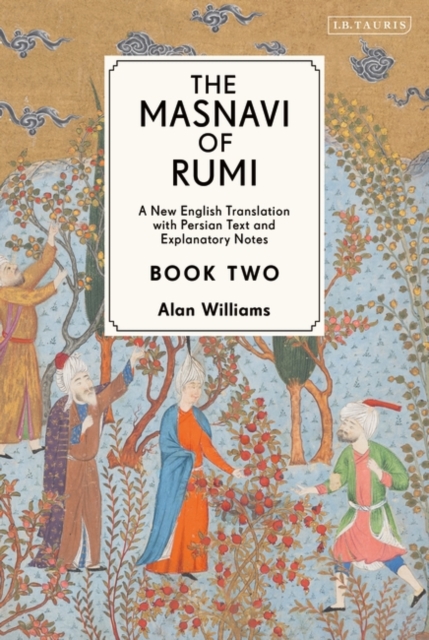
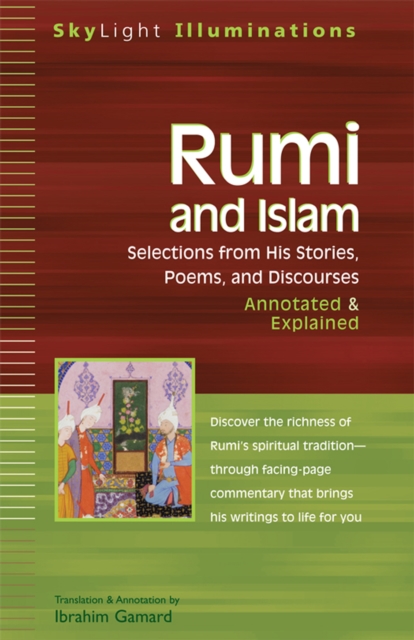
Jalaloddin Rumi's Masnavi-ye Ma'navi, or 'Spiritual Couplets', composed in the 13th Century, is a monumental work of poetry in the Sufi tradition of Islamic mysticism.
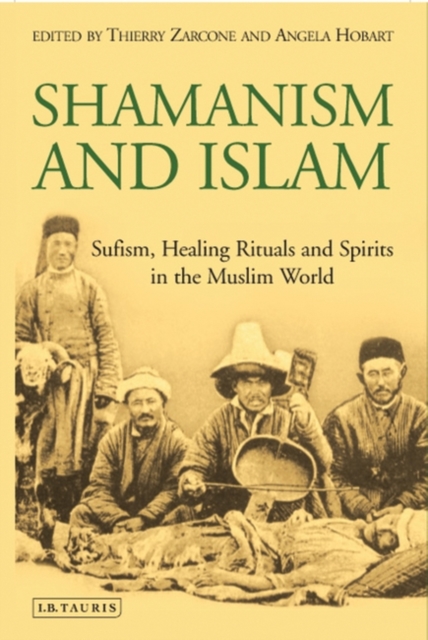
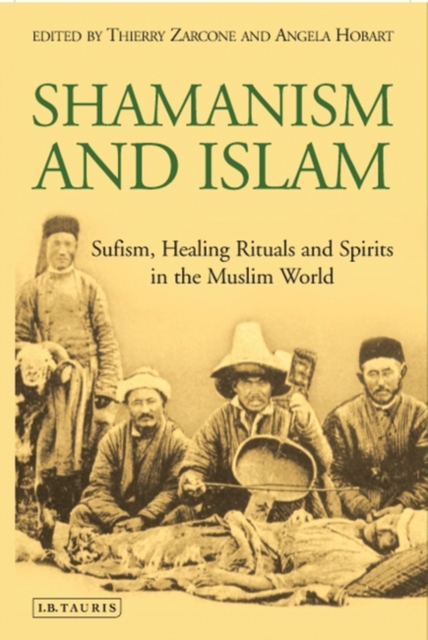
Here, Thierry Zarcone and Angela Hobart offer a vigorous and authoritative exploration of the link between Islam and shamanism in contemporary Muslim culture, examining how the old practice of shamanism was combined with elements of Sufism in order to adapt to wider Islamic society.
Here, Thierry Zarcone and Angela Hobart offer a vigorous and authoritative exploration of the link between Islam and shamanism in contemporary Muslim culture, examining how the old practice of shamanism was combined with elements of Sufism in order to adapt to wider Islamic society.
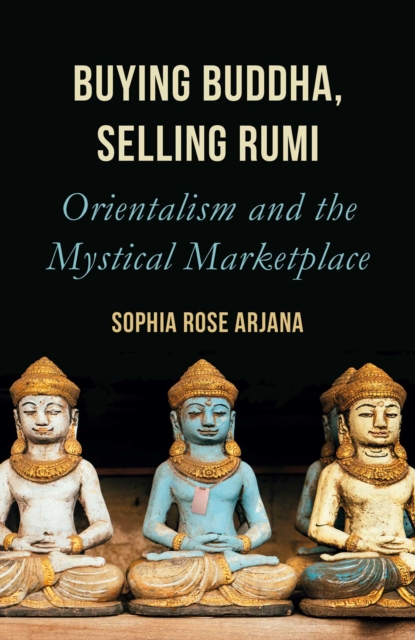
How Eastern religions are commodified in the modern world, and why it matters ';An expansive book, covering the intersection of mysticism and capitalism illuminating.
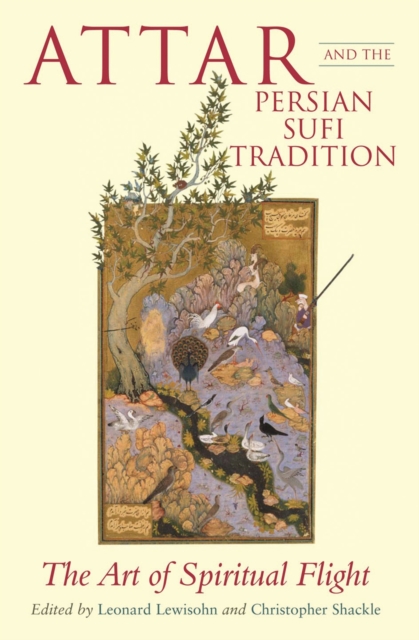
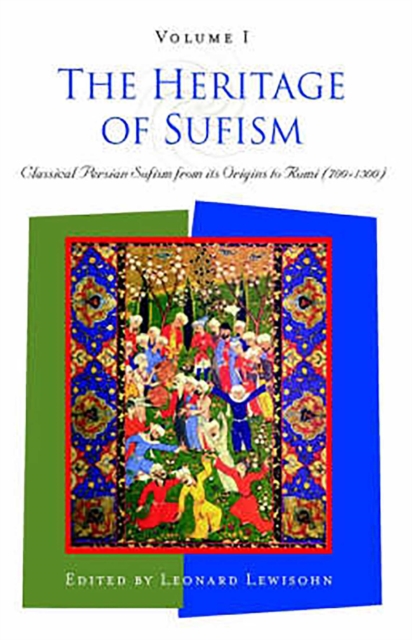
The first volume in a three-volume set, this is a study of the rise of Persian Sufi spirituality and literature in Islam during the first six Muslim centuries.
The crisis of addiction in the world is severe, being declared a Public Health Emergency in 2017 and increasing in severity so that the United States witnessed the number of deaths from overdoses exceeding one hundred thousand in a twelve-month period for the first time between April 2020 and April 2021.
In this book, we incorporate wisdom from Zoroastrianism on the angels of transformation and the Archangel of the Earth; from Ibn 'Arabi on the barzakh (the interface between manifestation and subtle reality), creative imagination, and the human-divine relationship; from Hazrat Inayat Khan, Pir Vilayat, and Pir Zia on contemporary Sufi teachings which state that every desire begins with a divine impulse and that the purpose of spirituality is awakening of divinity in life; as well as from realizations from the authors' meditations, inspirations, and spiritual dialogues which form the basis what they call the Gabrielite Work.
An examination of the sources and evolution of personal authority in one Islamic societySufi Heirs of the Prophet explores the multifaceted development of personal authority in Islamic societies by tracing the transformation of one mystical sufi lineage in colonial India, the Naqshbandiyya.
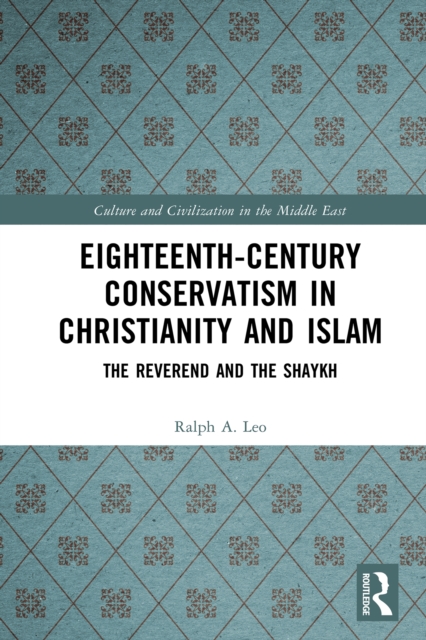
This book examines the world of religious conservatism in Christianity and Islam through a comparison of two eighteenth-century traditionalist icons, Jonathan Edwards and Muhammad Ibn 'Abd al-Wahhab.
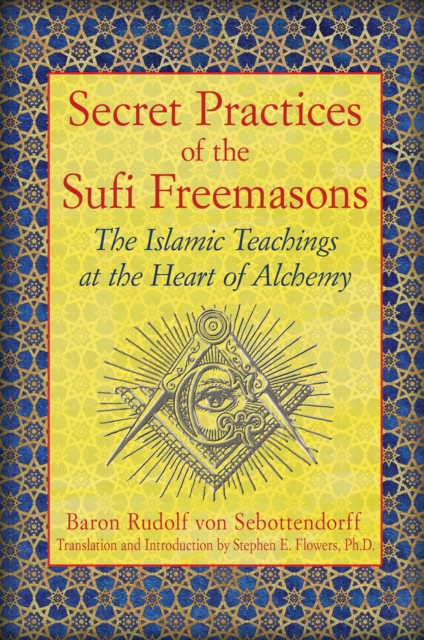
Reveals the secret spiritual exercises of the Bektashi Order of Sufis Shows how this order, also known as Oriental Freemasonry, preserves the ancient spiritual doctrines forgotten by modern Freemasonry Explains how to transform the soul into the alchemical Magnum Opus by combining Masonic grips and the abbreviated letters of the Quran Includes a detailed biography of Baron von Sebottendorff Originally published in Germany in 1924, this rare book by Baron Rudolf von Sebottendorff reveals the secret spiritual exercises of the Bektashi Order of Sufis as well as how this order, also known as Oriental Freemasonry, preserves the ancient spiritual doctrines forgotten by modern Freemasonry.
Women Mystics and Sufi Shrines in India combines historical data with years of ethnographic fieldwork to investigate women's participation in the culture of Sufi shrines in India and the manner in which this participation both complicates and sustains traditional conceptions of Islamic womanhood.
Sufi Aesthetics argues that the interpretive keys to erotic Sufi poems and their medieval commentaries lie in understanding a unique perceptual experience.
This book examines the socio-political histories, religio-political agendas and politico-militant (and for some, non-violent) strategies of institutions of political Islam in Bangladesh.
his second compelling volume includes an introduction to the heart and its dynamics, as well as detailed examination of such concepts as freedom, altruism, wisdom, sainthood, intoxication and sobriety, wakefullness, and the universal man.
A collection of modern Sufi tales by renowned Rumi translator and Sufi initiate Nevit Ergin Contains 24 deceptively simple stories that invoke questioning and awareness By the renowned English translator of Rumis complete Divan-i Kebir Sufi stories have traditionally been a means of opening a portal that allows us to advance from our basic perceptions into states of extraordinary awareness.
An exploration of the Persian poets spiritual philosophy, with original translations of his poetry Features extensive insight into the meanings and contexts of the poetry and philosophies of this spiritual teacher Includes over 30 complete poems by Hafz, including The Wild Deer, often regarded as his masterpieceFor 600 years the Persian poet Hafz has been read, recited, quoted, and loved by millions of people in his homeland and throughout the world.
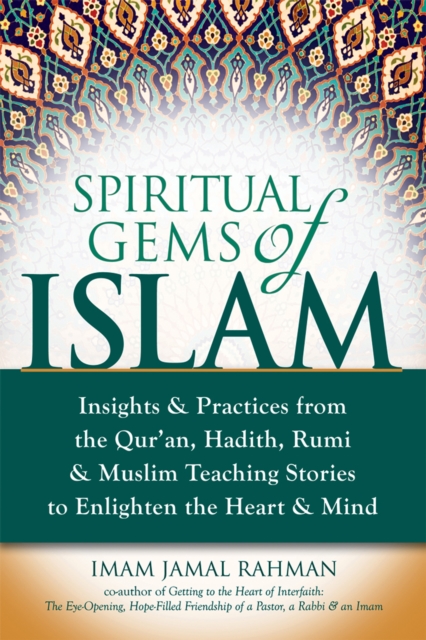
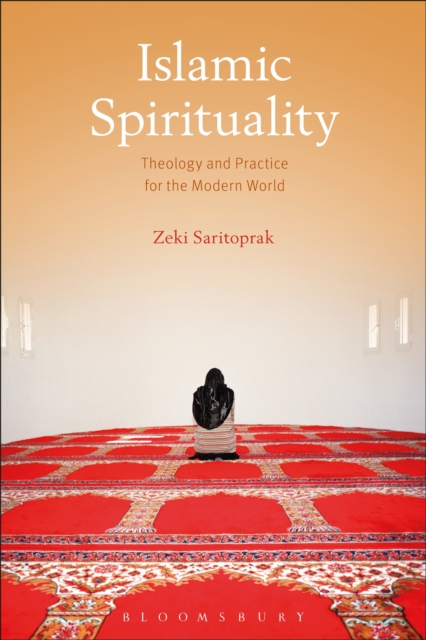
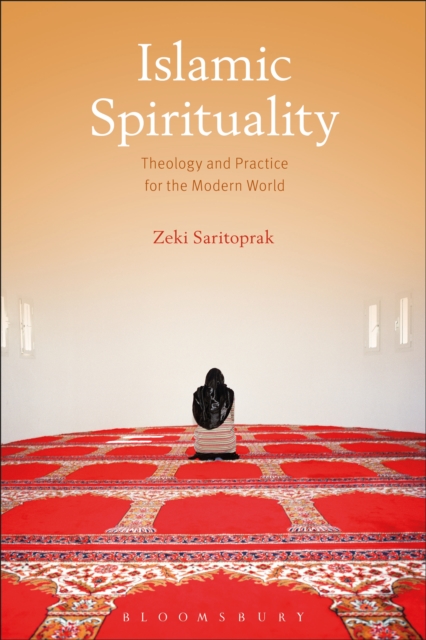
Refine your heart and mind with the wisdom of Islamic spirituality"e;To live a meaningful life-one that brings us joy, contentment and fulfillment-we have to do the inner spiritual work of becoming a more complete human being.
Discover How Hafiz's Spiritual Life and Vision Can Enlighten Your Own Hafiz is known throughout the world as Persia's greatest poet, with sales of his poems in Iran today only surpassed by those of the Qur'an itself.
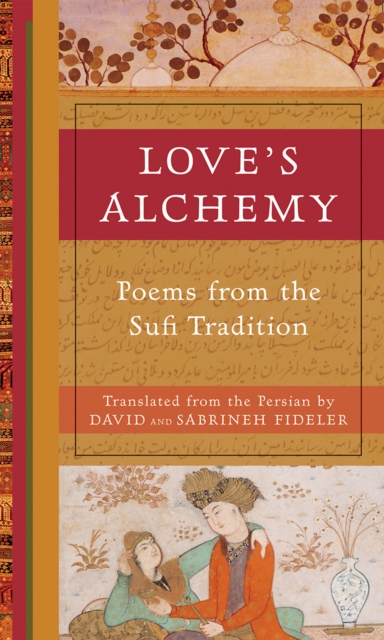
Working from the original Persian sources, translators and scholars David and Sabrineh Fideler offer faithful, elegant translations that represent the full scope of Sufi poetry.
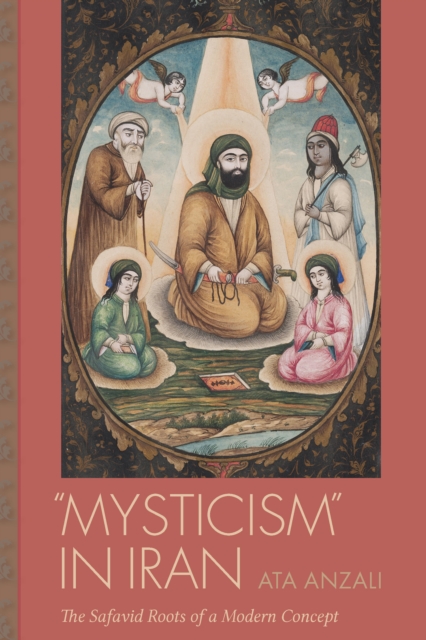
An original study of the transformation of Safavid Persia from a majority Sunni country to a Twelver Shi'i realm"e;Mysticism"e; in Iran is an in-depth analysis of significant transformations in the religious landscape of Safavid Iran that led to the marginalization of Sufism and the eventual emergence of 'irfan as an alternative Shi'i model of spirituality.
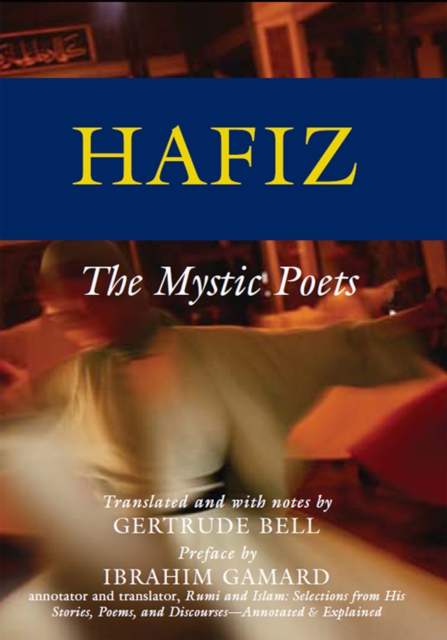
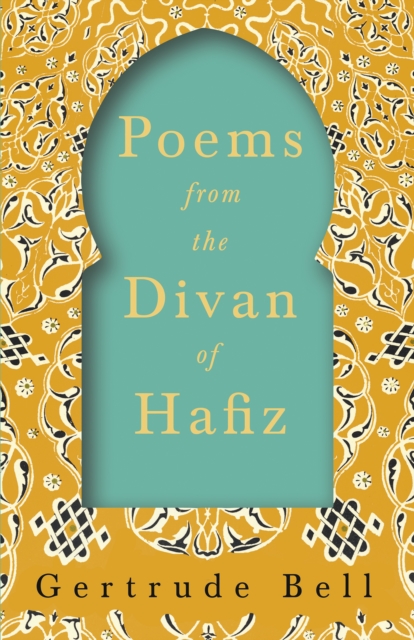
Poems from the Divan of Hafiz gathers forty-three ghazals by the fourteenth-century Persian poet Hafiz of Shiraz, in Gertrude Bell's celebrated 1897 translation.
This book examines the world of religious conservatism in Christianity and Islam through a comparison of two eighteenth-century traditionalist icons, Jonathan Edwards and Muhammad Ibn 'Abd al-Wahhab.
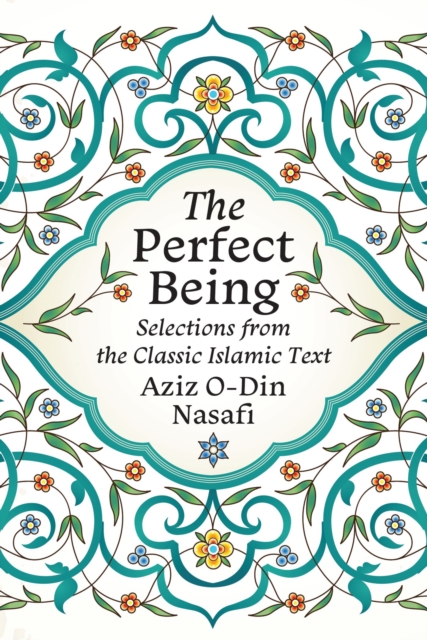
Translated for the first time from the original Persian into English, these selected treatises from Aziz O-Din Nasafi's thirteenth-century work The Perfect Being provide a fascinating and rare, yet applicable, introduction to Sufism.
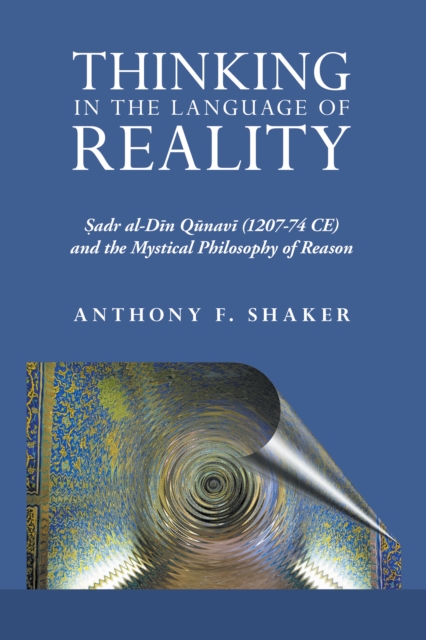
Sadr al-Dn Qnav (1207-74 CE) was pivotal to the development of systematic philosophy, and indirectly contributed to the rise of fields of inquiry considered fundamental to our modern scientific outlook.
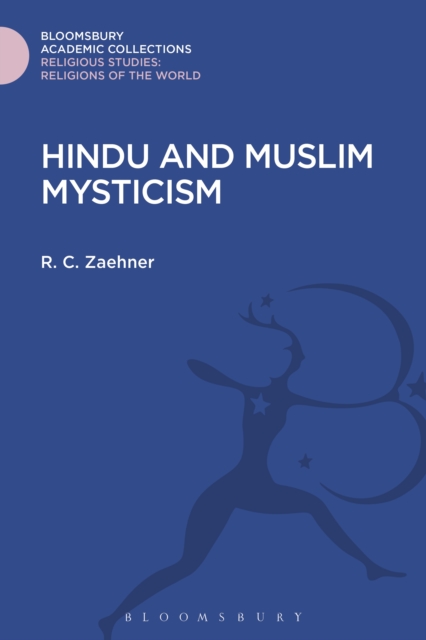
This book, based upon a Jordan Lecture in Comparative Religion of 1959, traces the development of mystical thought during the formative periods of the Hindu and Muslim traditions.
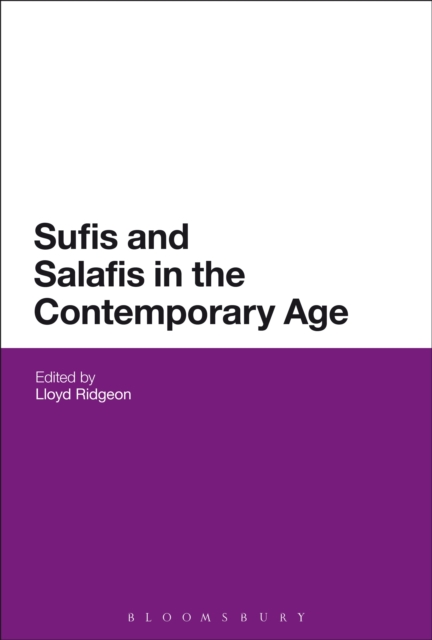
Sufis and Salafis in the Contemporary Age explores the dynamics at play between what are usually understood as two very different forms of Islam, namely Sufism and Salafism.
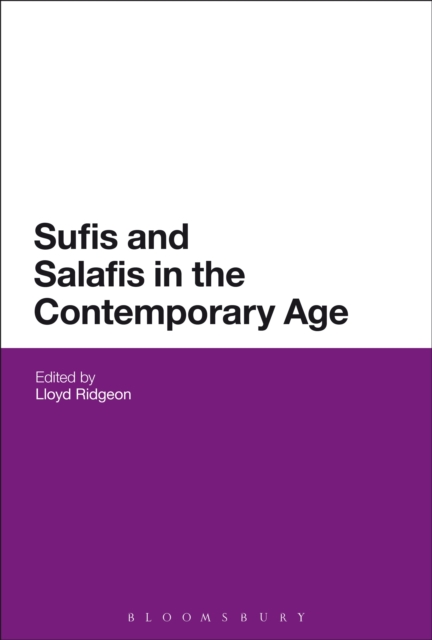
Sufis and Salafis in the Contemporary Age explores the dynamics at play between what are usually understood as two very different forms of Islam, namely Sufism and Salafism.
Each soul enables a unique means of knowledge and evolution, not only for our self but also for the unique aspect of the divine being with which each of us has a never-ending relationship.