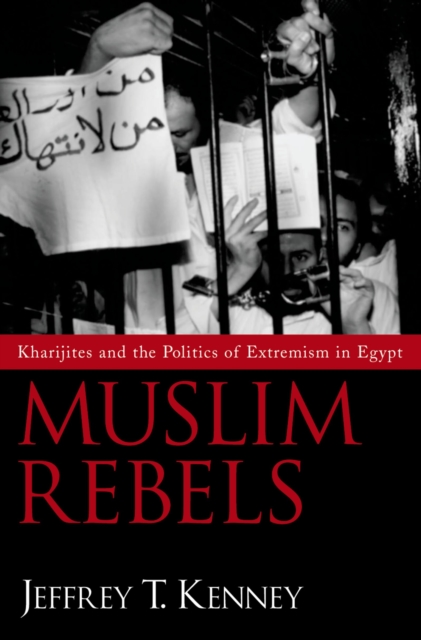
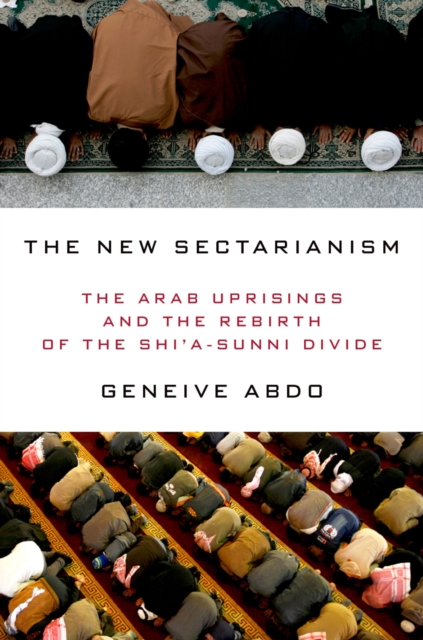
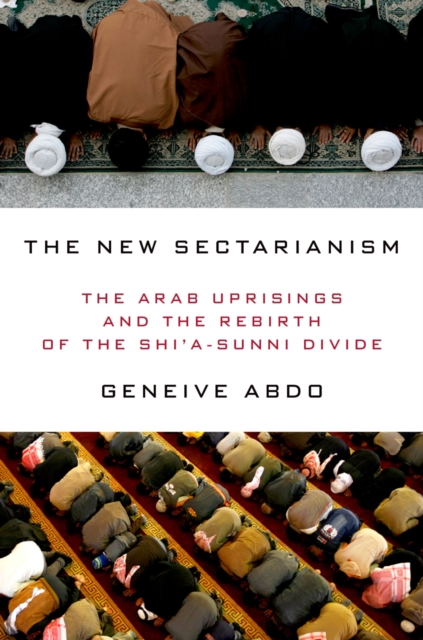
The Kharijites were the first sectarian movement in Islamic history, a rebellious splinter group that separated itself from mainstream Muslim society and set about creating, through violence, an ideal community of the saved.
While there exists no evidence to date that the indigenous inhabitants of Arabia knew of holy war prior to Islam, holy war ideas and behaviors appear already among Muslims during the first generation.
Combining international and domestic perspectives, this book analyzes the transformation of the Ottoman Empire over the nineteenth and twentieth centuries.
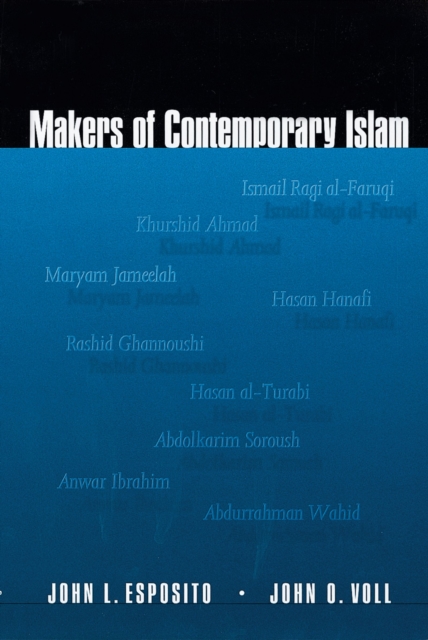
In this timely and important work, John Esposito and John Voll explore the development of contemporary Islamic movements and thought through the biographies of nine major activist intellectuals who represent a wide range of Muslim societies.
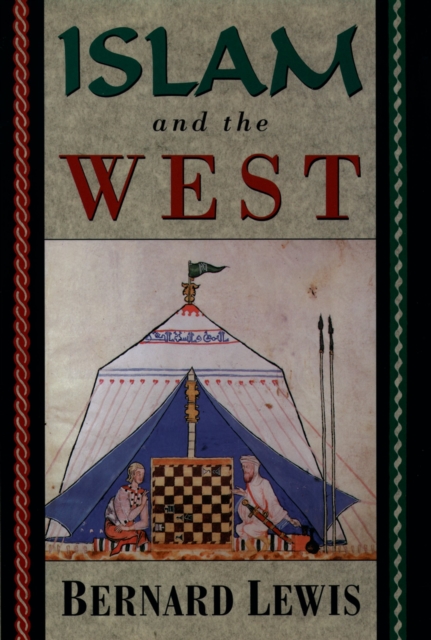
Hailed in The New York Times Book Review as "e;the doyen of Middle Eastern studies,"e; Bernard Lewis has been for half a century one of the West's foremost scholars of Islamic history and culture, the author of over two dozen books, most notably The Arabs in History, The Emergence of Modern Turkey, The Political Language of Islam, and The Muslim Discovery of Europe.
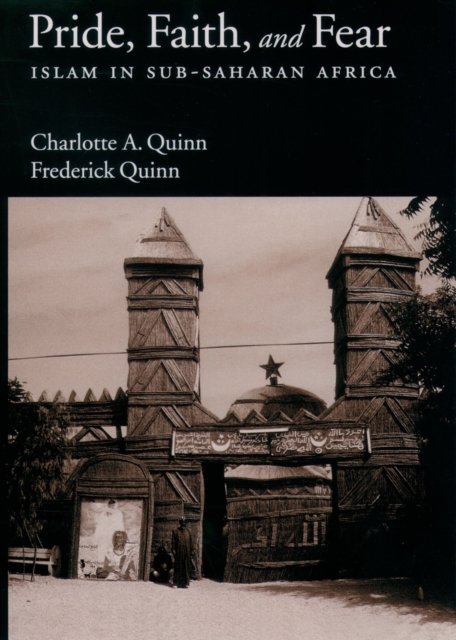
While nearly one in every five people in the world today is Muslim, Islam is spreading most rapidly in Sub-Saharan Africa, where one in three Africans today practices a form of Islam.
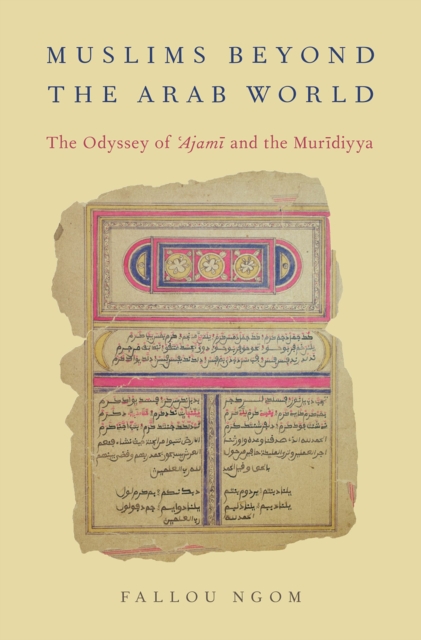
Muslims beyond the Arab World explores the vibrant tradition of writing African languages using the modified Arabic script ('Ajami) alongside the rise of the Muridiyya Sufi order in Senegal.
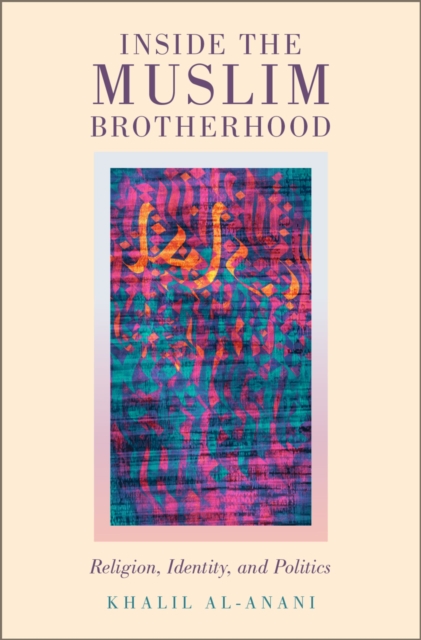
Over the past three decades, through rises and falls in power, regime repression and exclusion, the Egyptian Muslim Brotherhood has endured, proving more resilient than any other Islamist movement in the world.
For many American Muslims, the 9/11 attacks and subsequent War on Terror marked a rise in intense scrutiny of their religious lives and political loyalties.
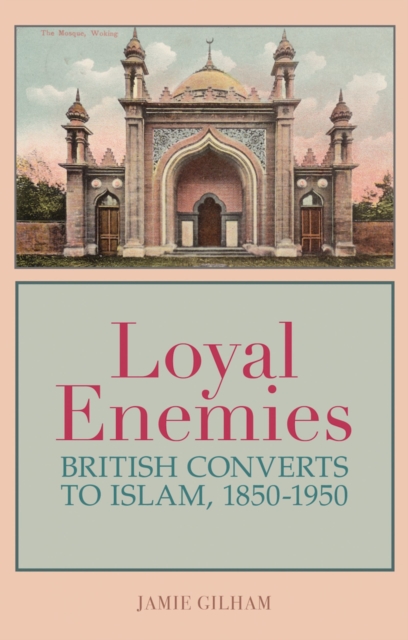
Loyal Enemies uncovers the history of the earliest British converts to Islam who lived their lives freely as Muslims on British soil, from the 1850s to the 1950s.
Loyal Enemies uncovers the history of the earliest British converts to Islam who lived their lives freely as Muslims on British soil, from the 1850s to the 1950s.
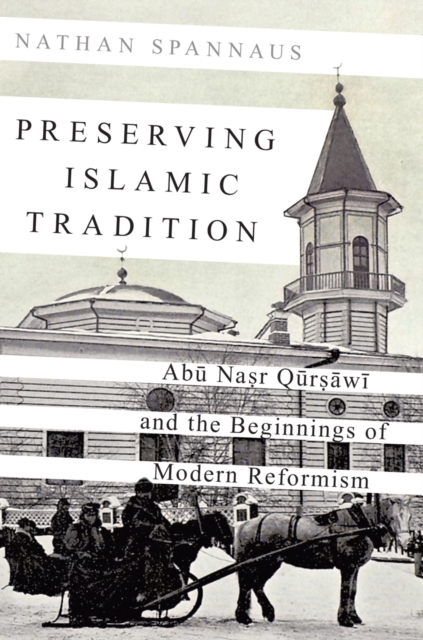
The end of the eighteenth century was a transformational period for the Muslim communities of the Russian Empire and their relationship with the tsarist state.
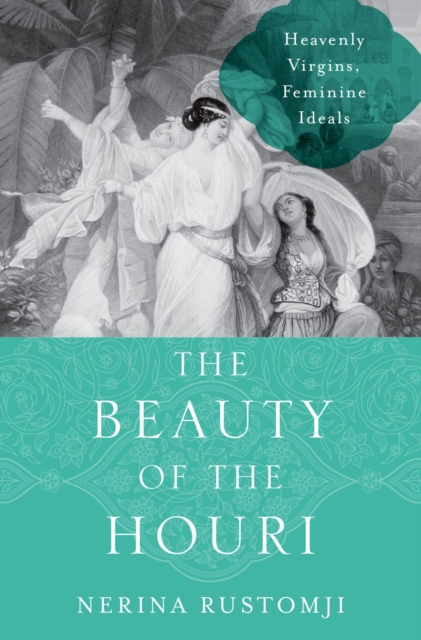
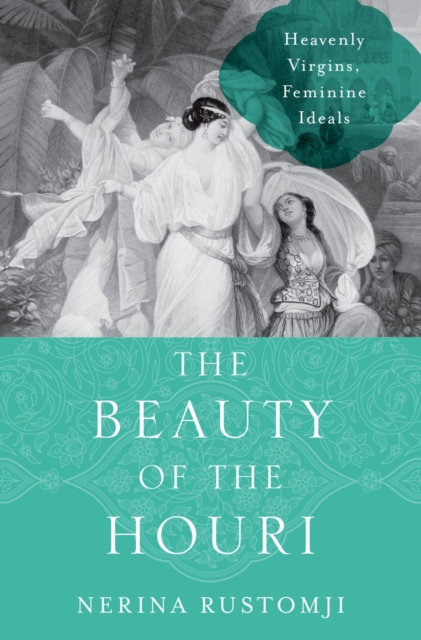
A captivating look at the history of the pure females of Islamic paradise known as the houri The fascination with the houri, the pure female of Islamic paradise, began long before September 11, 2001.
A captivating look at the history of the pure females of Islamic paradise known as the houri The fascination with the houri, the pure female of Islamic paradise, began long before September 11, 2001.
Sociologist Jeffrey Guhin spent a year and a half embedded in four high schools in the New York City area -- two of them Sunni Muslim and two Evangelical Christian.
The Burden of Silence is the first monograph on Sabbateanism, an early modern Ottoman-Jewish messianic movement, tracing it from its beginnings during the seventeenth century up to the present day.
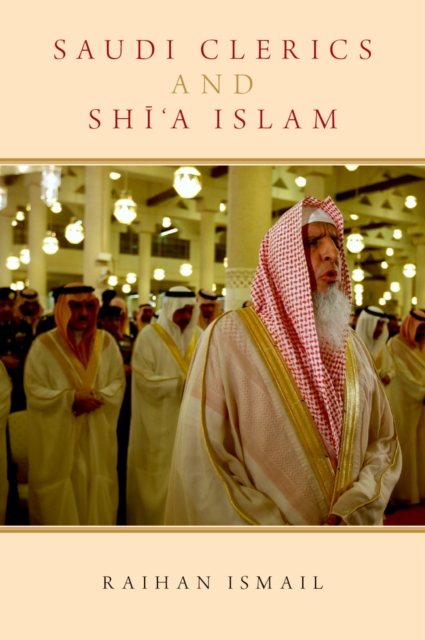
The Saudi "e;ulama"e; are known for their strong opposition to Shi'a theology, Shi'a communities in Saudi Arabia, and external Shi'a influences such as Iran and Hezbollah.
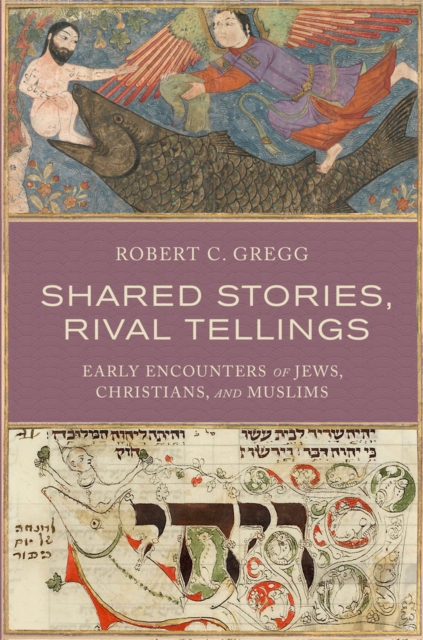
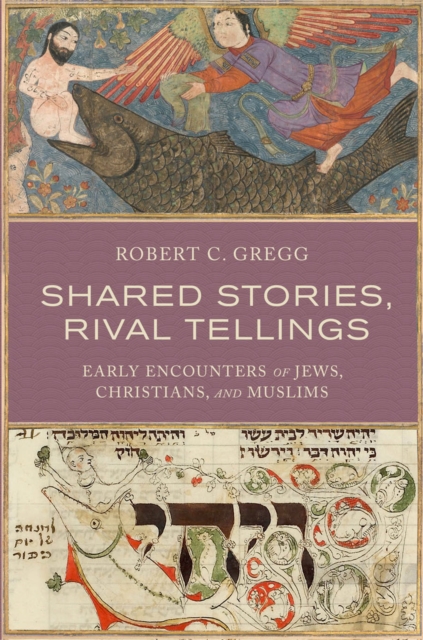
Judaism, Christianity, and Islam are considered kindred religions-holding ancestral heritages and monotheistic belief in common-but there are definitive distinctions between these "e;Abrahamic"e; peoples.
Judaism, Christianity, and Islam are considered kindred religions-holding ancestral heritages and monotheistic belief in common-but there are definitive distinctions between these "e;Abrahamic"e; peoples.
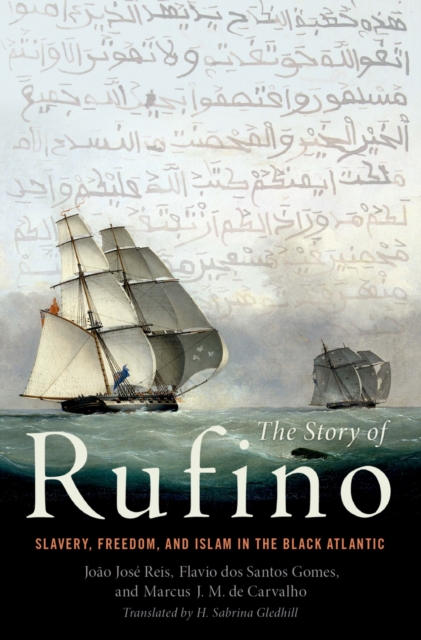
Winner of the Casa de las America Prize for Brazilian Literature, The Story of Rufino reconstructs the lively biography of Rufino Jose Maria, set against the historical context of Brazil and Africa in the nineteenth century.
Winner of the Casa de las America Prize for Brazilian Literature, The Story of Rufino reconstructs the lively biography of Rufino Jose Maria, set against the historical context of Brazil and Africa in the nineteenth century.
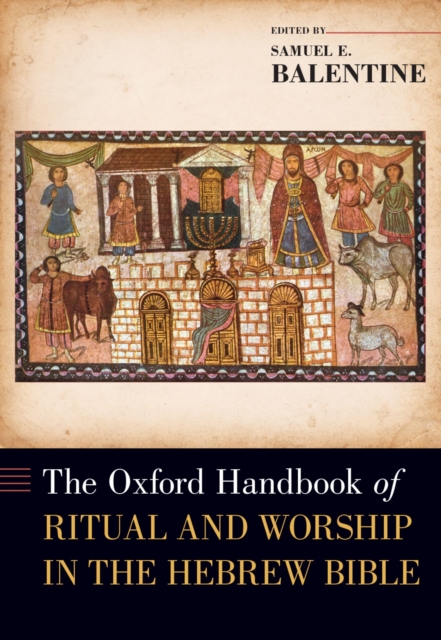
Ritual has a primal connection to the idea that a transcendent order - numinous and mysterious, supranatural and elusive, divine and wholly other - gives meaning and purpose to life.
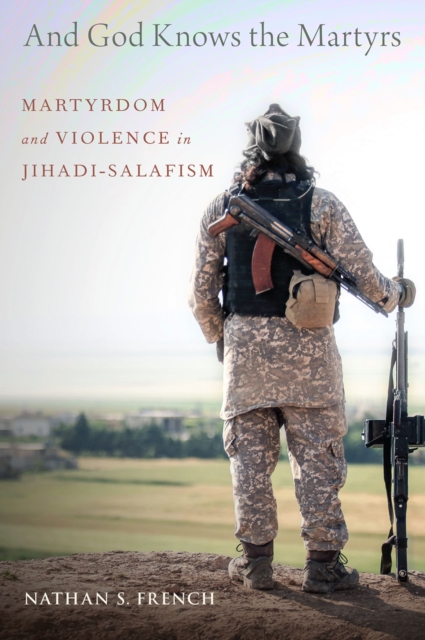
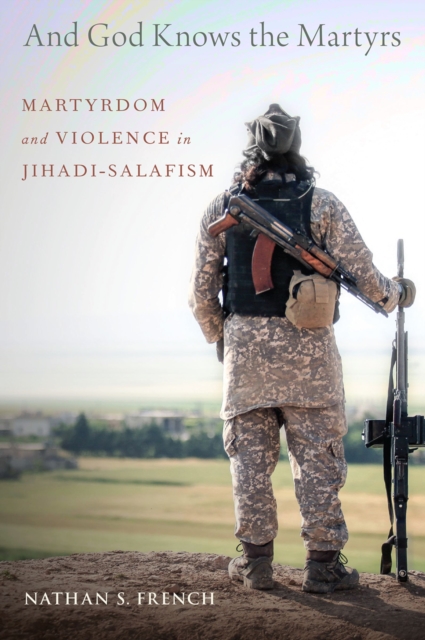
Narratives of Jihadi-Salafi operations are often filled with praise for what are considered exemplary acts of self-renunciation in the vein of early Islamic tradition.
Narratives of Jihadi-Salafi operations are often filled with praise for what are considered exemplary acts of self-renunciation in the vein of early Islamic tradition.
In early twentieth century British India, prior to the arrival of digital medias and after the rise of nationalist political movements, a small-town paper from the margins of society became a key player in Urdu journalism.
In early twentieth century British India, prior to the arrival of digital medias and after the rise of nationalist political movements, a small-town paper from the margins of society became a key player in Urdu journalism.
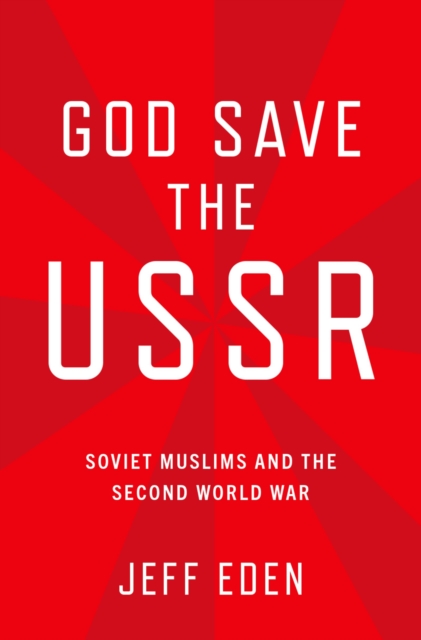
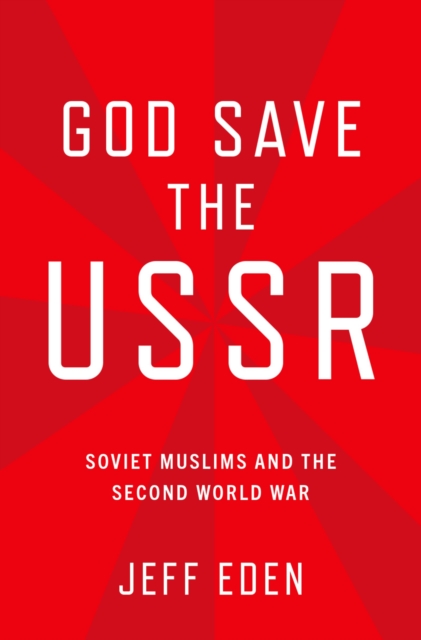
During the Second World War, as the Soviet Red Army was locked in brutal combat against the Nazis, Joseph Stalin ended the state's violent, decades-long persecution of religion.
During the Second World War, as the Soviet Red Army was locked in brutal combat against the Nazis, Joseph Stalin ended the state's violent, decades-long persecution of religion.
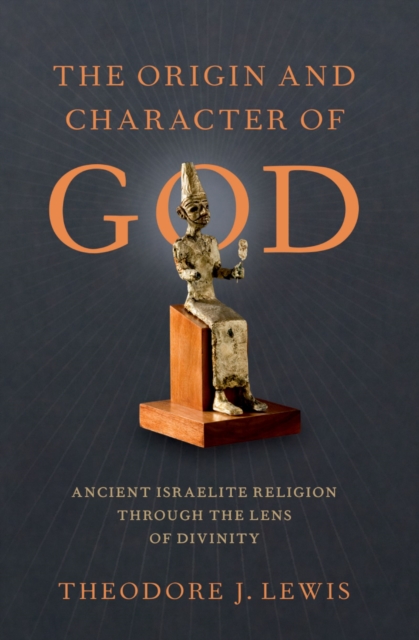
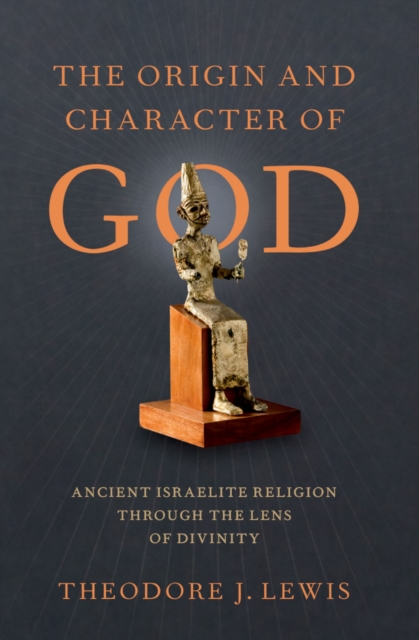
Few topics are as broad or as daunting as the God of Israel, that deity of the world's three monotheistic religions, Judaism, Christianity, and Islam, who has been worshiped over millennia.
Few topics are as broad or as daunting as the God of Israel, that deity of the world's three monotheistic religions, Judaism, Christianity, and Islam, who has been worshiped over millennia.
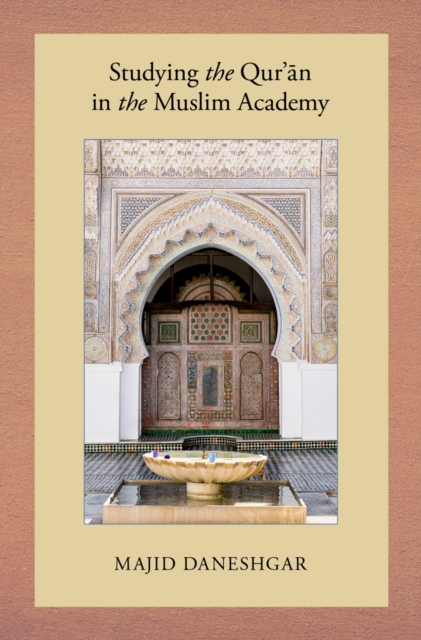
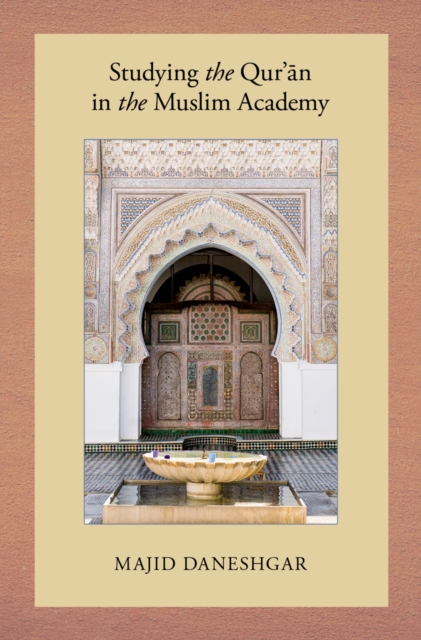
Studying the Qur'an in the Muslim Academy examines what it is like to study and teach the Qur'an at academic institutions in the Muslim world, and how politics affect scholarly interpretations of the text.
Studying the Qur'an in the Muslim Academy examines what it is like to study and teach the Qur'an at academic institutions in the Muslim world, and how politics affect scholarly interpretations of the text.