The Umayyad caliphate, ruling over much of what is now the modern Middle East after the death of the Prophet Muhammad, governe from Damascus from 661 to750CE, when they were expelled by the Abbasids.
Gender equality is a modern ideal, which has only recently, with the expansion of human rights and feminist discourses, become inherent to generally accepted conceptions of justice.
The nineteenth century was a time of significant global socioeconomic change, and Persian Jews, like other Iranians, were deeply affected by its challenges.
Throughout the Middle East, and in the west as well, there has been much discussion concerning the notion of Islamic rule and the application of shari'ah by the state.
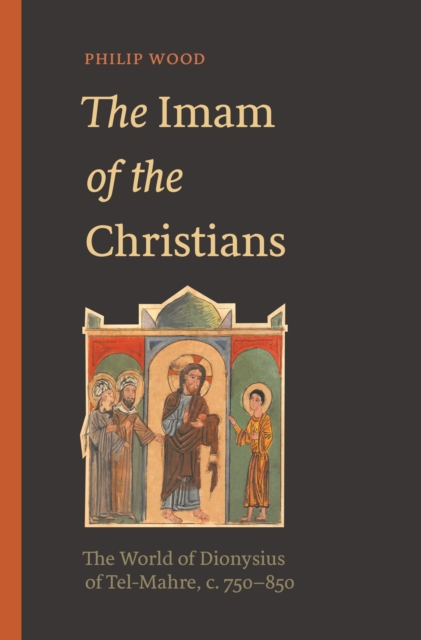
How Christian leaders adapted the governmental practices and political thought of their Muslim rulers in the Abbasid caliphateThe Imam of the Christians examines how Christian leaders adopted and adapted the political practices and ideas of their Muslim rulers between 750 and 850 in the Abbasid caliphate in the Jazira (modern eastern Turkey and northern Syria).
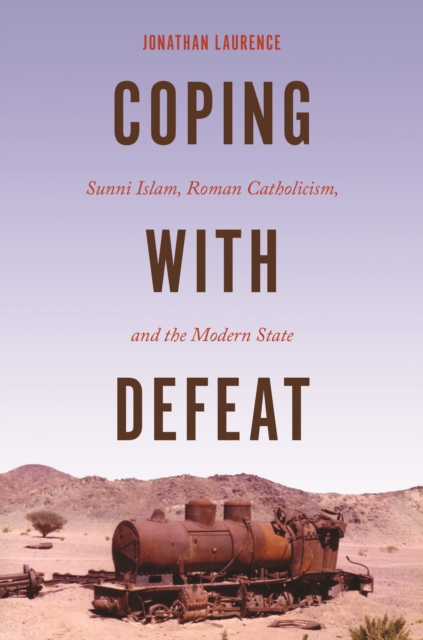
The surprising similarities in the rise and fall of the Sunni Islamic and Roman Catholic empires in the face of the modern stateCoping with Defeat presents a historical panorama of the Islamic and Catholic political-religious empires and exposes striking parallels in their relationship with the modern state.
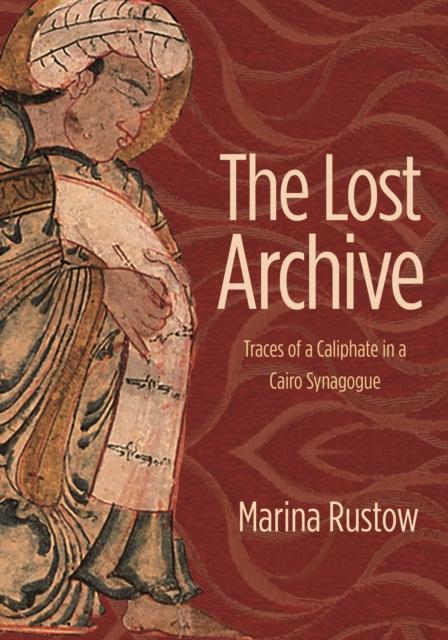
A compelling look at the Fatimid caliphate's robust culture of documentationThe lost archive of the Fatimid caliphate (909-1171) survived in an unexpected place: the storage room, or geniza, of a synagogue in Cairo, recycled as scrap paper and deposited there by medieval Jews.
An in-depth look at how Muslim American organizations address domestic violence within their communitiesIn Peaceful Families, Juliane Hammer chronicles and examines the efforts, stories, arguments, and strategies of individuals and organizations doing Muslim anti-domestic violence work in the United States.
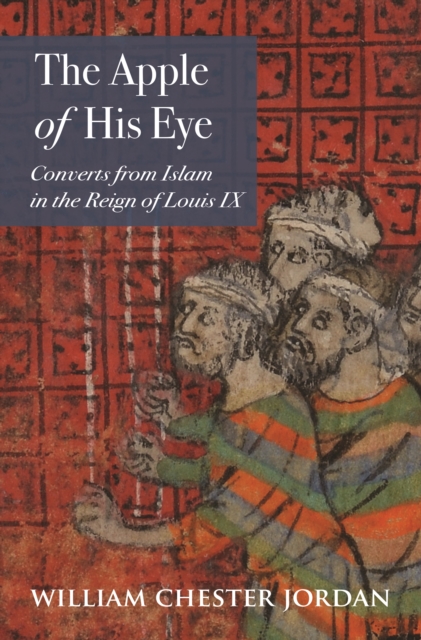
The thirteenth century brought new urgency to Catholic efforts to convert non-Christians, and no Catholic ruler was more dedicated to this undertaking than King Louis IX of France.
A compelling history of the ancient schism that continues to divide the Islamic worldWhen Muhammad died in 632 without a male heir, Sunnis contended that the choice of a successor should fall to his closest companions, but Shi'a believed that God had inspired the Prophet to appoint his cousin and son-in-law, Ali, as leader.
In Europe and North America, networks tracing their origins back to the Muslim Brotherhood and other Islamist movements have rapidly evolved into multifunctional and richly funded organizations competing to become the major representatives of Western Muslim communities and government interlocutors.
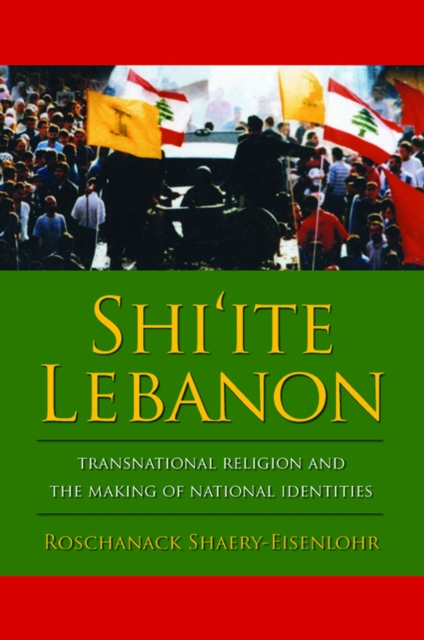
By recasting the relationship between religion and nationalism in the Middle East, Roschanack Shaery-Eisenlohr proposes a new framework for understanding Shi'ite politics in Lebanon.
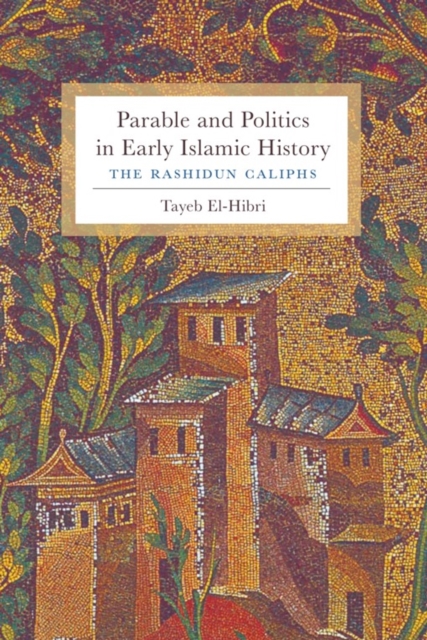
The story of the succession to the Prophet Muhammad and the rise of the Rashidun Caliphate (632-661) is familiar to historians from the political histories of medieval Islam, which treat it as a factual account.
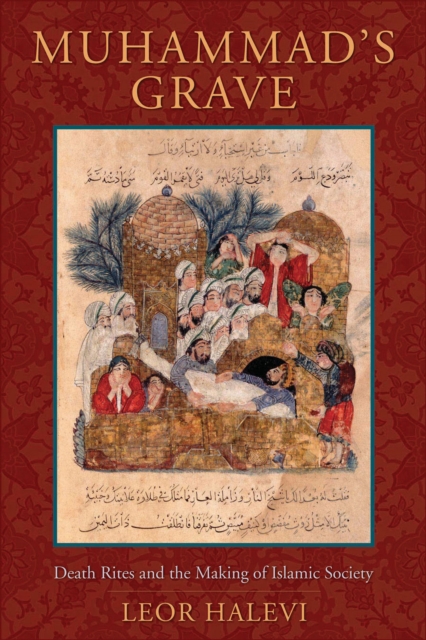
Winner, 2007 Albert Hourani Book Award, Middle East Studies AssociationWinner, 2008 Award for Excellence in the Study of Religion in Analytical-Descriptive Studies, American Academy of ReligionWinner, 2011 John Nicholas Brown Prize, Medieval Academy of AmericaWinner, 2008 Ralph Waldo Emerson Award, Phi Beta KappaShortlisted, 2008 Best First Book in the History of Religions, American Academy of ReligionLonglisted, 2008 Cundill International Prize and Lecture in HIstory at McGill UniversityIn his probing study of the role of death rites in the making of Islamic society, Leor Halevi imaginatively plays prescriptive texts against material culture and advances new ways of interpreting highly contested sources.
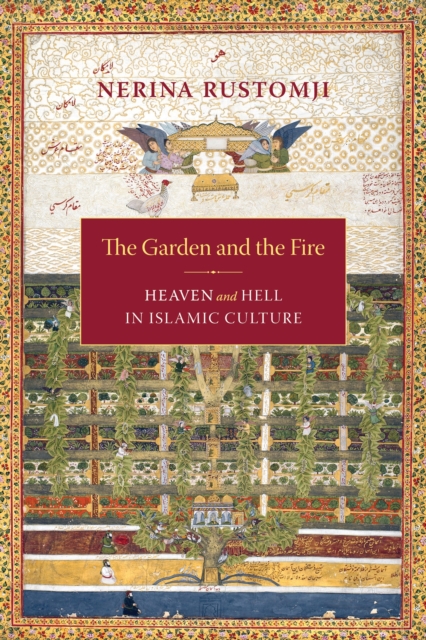
Islamic conceptions of heaven and hell began in the seventh century as an early doctrinal innovation, but by the twelfth century, these notions had evolved into a highly formalized ideal of perfection.
The denunciation of fundamentalism in France, embodied in the law against the veil and the deportation of imams, has shifted into a systematic attack on all Muslims and Islam.
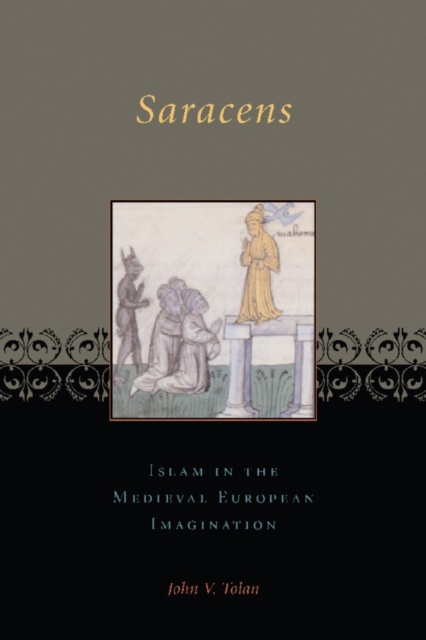
In the first century of Islam, most of the former Christian Roman Empire, from Syria to Spain, was brought under Muslim control in a conquest of unprecedented proportions.
An accessible and accurate translation of the Quran that offers a rigorous analysis of its theological, metaphysical, historical, and geographical teachings and backgrounds, and includes extensive study notes, special introductions by experts in the field, and is edited by a top modern Islamic scholar, respected in both the West and the Islamic world.
Two veteran journalists tell the inside story of convicted hate-monger Abu Hamza, his infamous Finsbury Park Mosque and how it turned out a generation of militants willing to die - and kill - for their cause.
In this award winning, four-session small group Bible study (DVD/digital video sold separately), Carl Medearis, an international expert in the field of Arab-American and Muslim-Christian relations, provides background info on Islam and tools for sharing Christ with their Muslim neighbors.
This book focuses on women's important contribution to Sufism by analyzing the lives and seminal contributions of six mystic Sufi women to Islamic spirituality.
Be Equipped to Interact More Fruitfully and Thoughtfully with MuslimsThe Quran with Christian Commentary offers a unique introduction to the primary religious text of Islam.
From New York Times bestselling author of Seeking Allah, Finding Jesus Nabeel Qureshia former Muslimcomes his deeply personal, challenging, and respectful answer book to the many questions surrounding jihad, the rise of ISIS, and Islamic terrorism.
Globalization and high-speed communication put twenty-first century people in contact with adherents to a wide variety of world religions, but usually, valuable knowledge of these other traditions is limited at best.