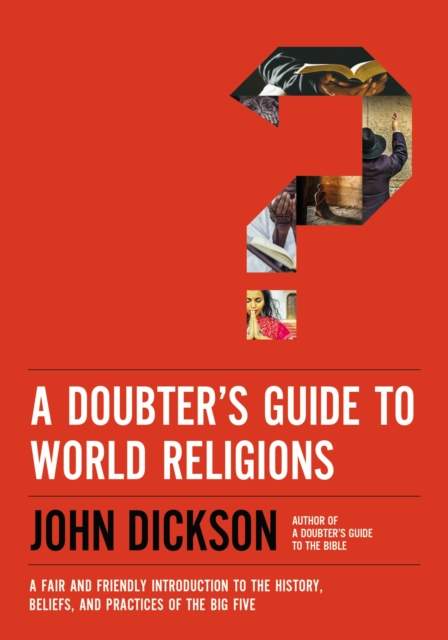
For believers and skeptics alike, A Doubter's Guide to World Religions introduces the five major world religions so that you can explore their similarities and differences in a fair and engaging way.
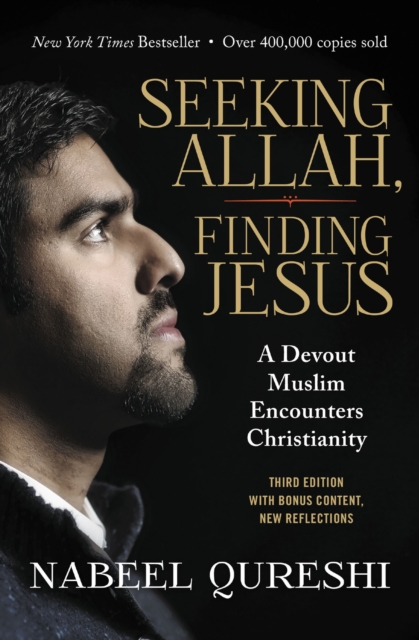
NEW YORK TIMES BESTSELLER *; 2015 Christian Book Award winner *; Nabeel Qureshi describes his dramatic journey from Islam to Christianity in this expanded edition with new bonus content and reflections.
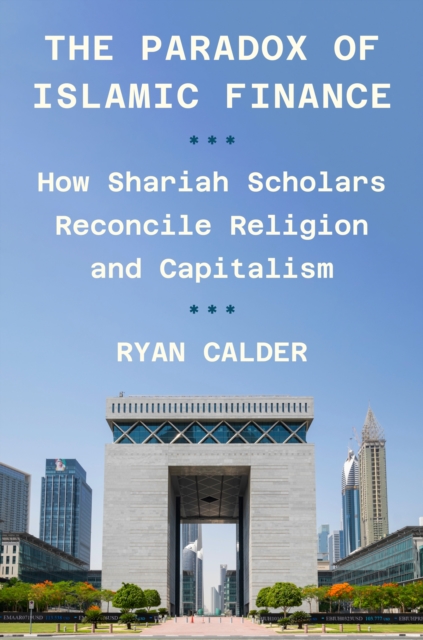
How the booming Islamic finance industry became an ultramodern hybrid of religion and marketsIn just fifty years, Islamic finance has grown from a tiny experiment operated from a Volkswagen van to a thriving global industry worth more than the entire financial sector of India, South America, or Eastern Europe.
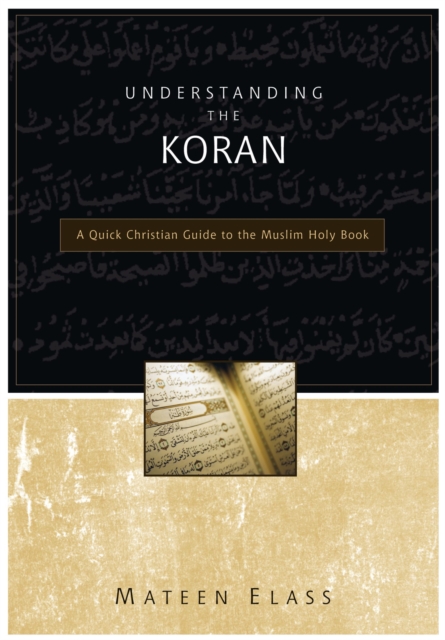
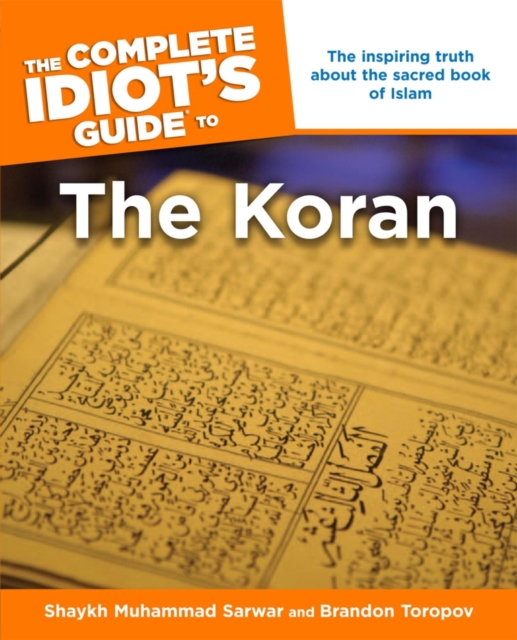
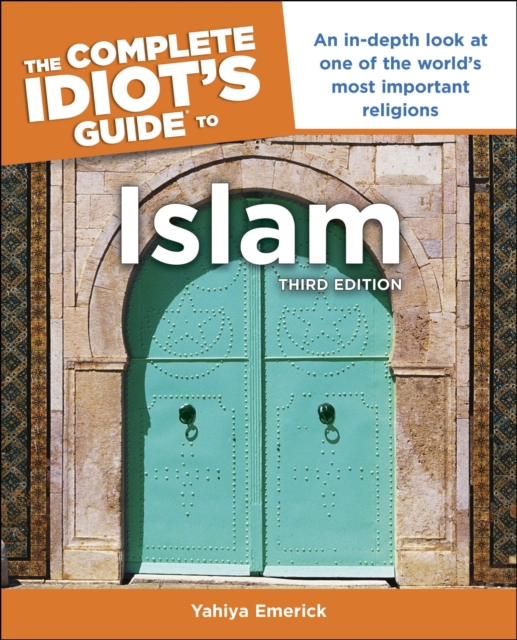
Taking the same approach as the bestselling The Complete Idiot's Guide to the Bible, this book presents a balanced overview of the Koran, explaining not only the 'flow' of the Koran, but also what it has to say about Allah and humanity, virtue, justice, life on earth, the afterlife, women, love, unbelievers, faith, and tradition.
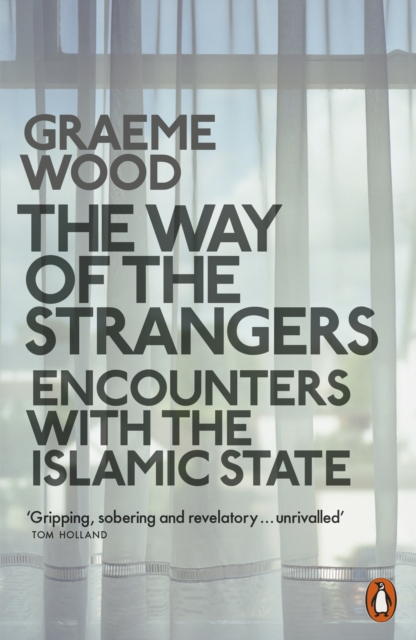
A radical rethinking of what ISIS is and what it really wantsFrom Graeme Wood, author of the explosive Atlantic cover story "e;What ISIS Really Wants,"e; comes the definitive book on the history, psychology, character, and aims of the Islamic State.
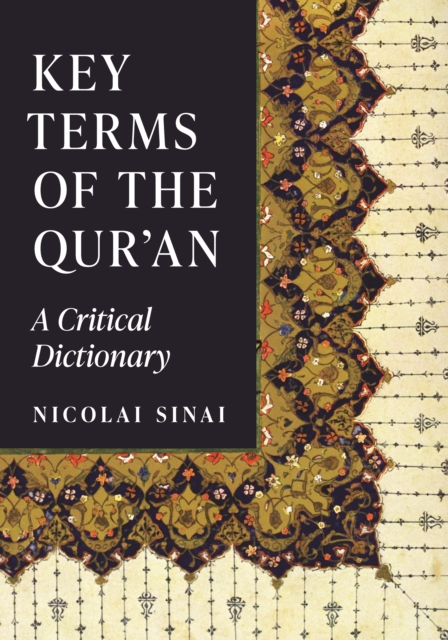
An essential single-volume companion to the critical interpretation of Islamic scriptureThis book provides detailed and multidisciplinary coverage of a wealth of key Qur'anic terms, with incisive entries on crucial expressions ranging from the divine names allah ("e;God"e;) and al-rahman ("e;the Merciful"e;) to the Qur'anic understanding of belief and self-surrender to God.
The interconnected ways that sexism functions in academic Islamic studies and how to shift professional norms toward parityDespite remarkable shifts in the demographics of Islamic studies in recent decades, the field continues to be dominated by men, who often relegate other scholars and their workparticularly research on genderto its periphery, while treating subfields in which men predominate as more rigorous and central.
'Drunk or sober, king or soldier, none will be excluded'Sensual, profound, delighted, wise, Hafez's poems have enchanted their readers for more than 600 years.
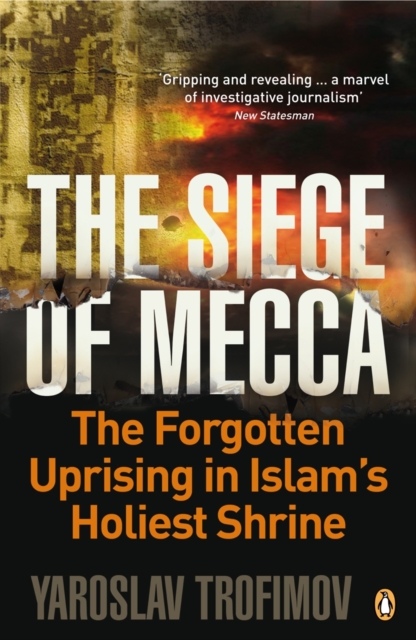
20 November 1979: as morning prayers began, hundreds of hardline Islamist gunmen, armed with rifles smuggled in coffins, stormed the Grand Mosque in Mecca.
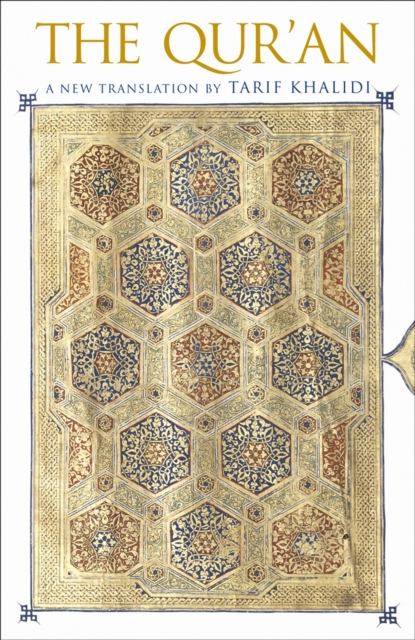
Considered in Islam to be the infallible word of God, The Qur'an was revealed to the prophet Muhammad by the archangel Gabriel in a series of divine revelations over many years after his first vision in the cave.
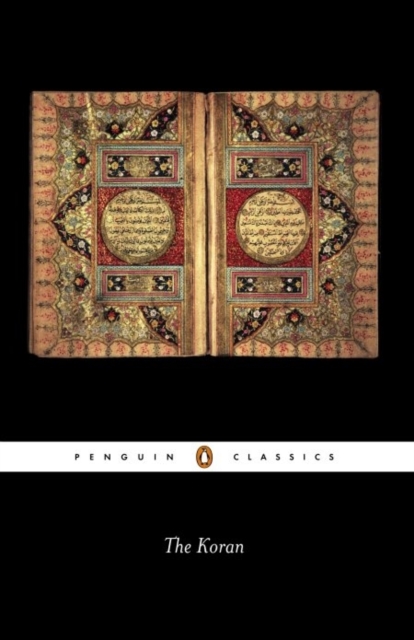
'Across the language barrier Dawood captures the thunder and poetry of the original' The TimesThe Koran is universally accepted by Muslims to be the infallible Word of God as first revealed to the Prophet Muhammad by the Angel Gabriel nearly fourteen hundred years ago.
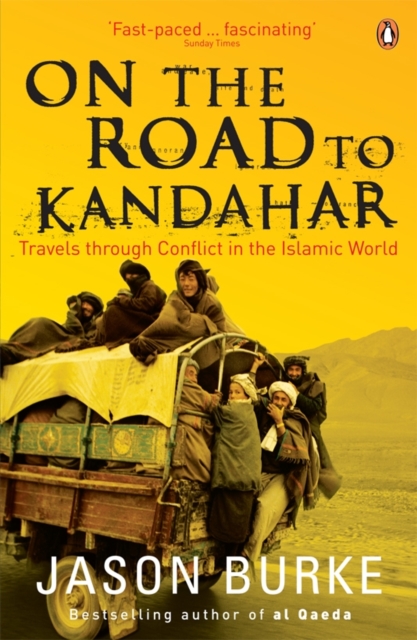
A brilliant, fearless journalist who knows huge areas of the Islamic world intimately, Burke now turns to the wider question of how we are to get to grips with radical Islam and what it really means.
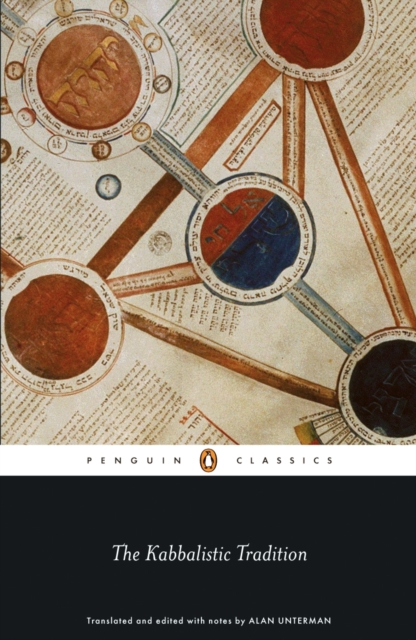
The Torah is both hidden and revealed there is a secret meaning to the holy Torah that is not written down explicitly or explained in it This selection offers a comprehensive survey of the 'Kabbalah', the body of writings in the Jewish mystical tradition.
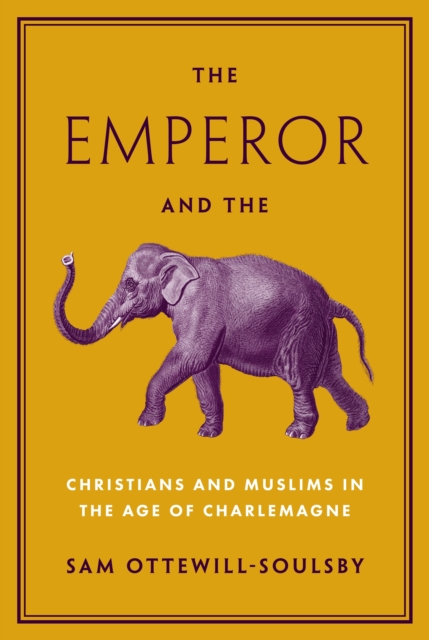
A new history of Christian-Muslim relations in the Carolingian period that provides a fresh account of events by drawing on Arabic as well as western sourcesIn the year 802, an elephant arrived at the court of the Emperor Charlemagne in Aachen, sent as a gift by the ?
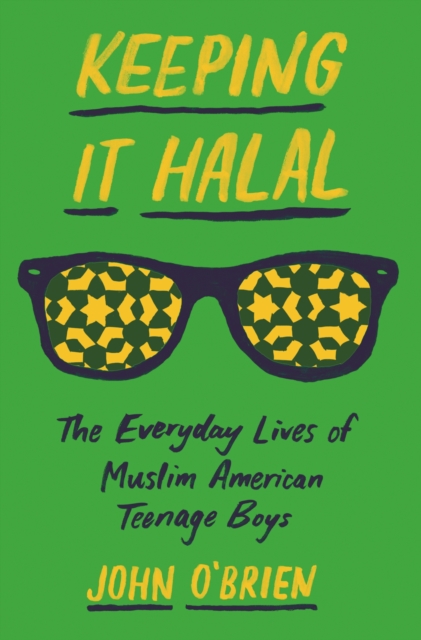
A compelling portrait of a group of boys as they navigate the complexities of being both American teenagers and good MuslimsThis book provides a uniquely personal look at the social worlds of a group of young male friends as they navigate the complexities of growing up Muslim in America.
The untold story of how the Arabic Qur'an became the English KoranFor millions of Muslims, the Qur'an is sacred only in Arabic, the original Arabic in which it was revealed to the Prophet Muhammad in the seventh century; to many Arab and non-Arab believers alike, the book literally defies translation.
A groundbreaking investigation into why so many Islamic radicals are engineersThe violent actions of a few extremists can alter the course of history, yet there persists a yawning gap between the potential impact of these individuals and what we understand about them.
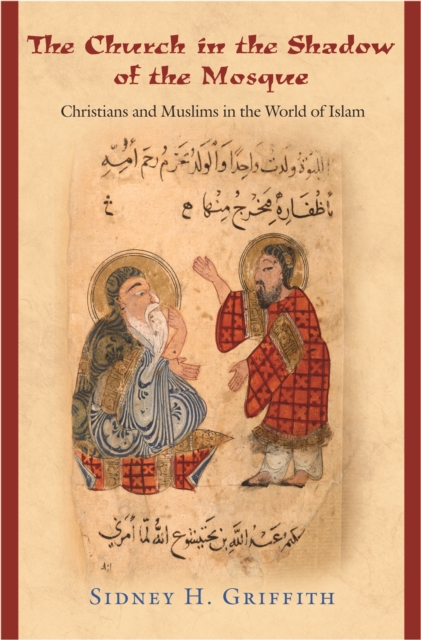
Amid so much twenty-first-century talk of a "e;Christian-Muslim divide"e;--and the attendant controversy in some Western countries over policies toward minority Muslim communities--a historical fact has gone unnoticed: for more than four hundred years beginning in the mid-seventh century, some 50 percent of the world's Christians lived and worshipped under Muslim rule.
An in-depth look at how Muslim American organizations address domestic violence within their communitiesIn Peaceful Families, Juliane Hammer chronicles and examines the efforts, stories, arguments, and strategies of individuals and organizations doing Muslim anti-domestic violence work in the United States.
NEW YORK TIMES BESTSELLER *; 2015 Christian Book Award winner *; Nabeel Qureshi describes his dramatic journey from Islam to Christianity in this expanded edition with new bonus content and reflections.
Why "e;the Muslim question"e; is really about the West and its own anxieties-not IslamIn the post-9/11 West, there is no shortage of strident voices telling us that Islam is a threat to the security, values, way of life, and even existence of the United States and Europe.
Muslim intellectuals who sought to establish the boundaries of modern Muslim identityMuslim modernism was a political and intellectual movement that sought to redefine the relationship between Islam and the colonial West in the late nineteenth and early twentieth centuries.
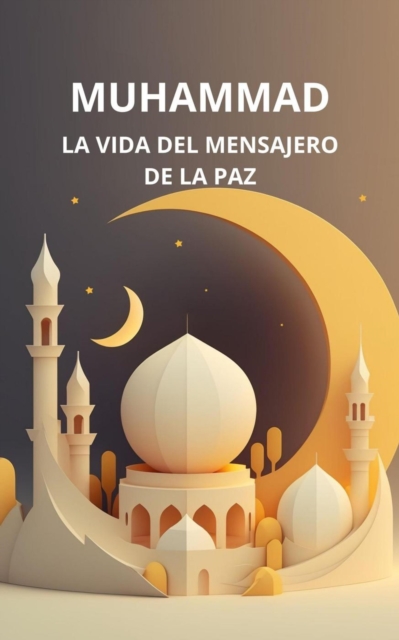
Sumérgete en el extraordinario viaje del Profeta Muhammad, un faro de paz y compasión, cuya vida y enseñanzas siguen inspirando a millones de personas en todo el mundo.
The Mystery of Spiritualism gathers Arthur Conan Doyle's esoteric writings into a revealing portrait of an author arguing, with characteristic clarity and narrative force, for the reality of life beyond death.
In The Way Out (Unabridged), Joseph Benner offers a concise yet searching work of spiritual instruction, addressed to readers seeking release from fear, confusion, illness, and material limitation.