The book of the virtue of the Arabs and the warning of its sciences written by Abu Muhammad Abdullah bin Muslim bin Qutaybah al -Dinuri, and the book is divided into two parts, and there are many important axes in them, on top of which is the talk about the virtue of the Arabs over others, and the preferred of Quraysh over others, and the talk about the sciences of the Arabs and their genius.
Malik bin Anas Al -Asbahi Al -Madani died 179 Malik bin Anas Al -Asbahi Al -Madani died 179 Malik bin Anas Al -Asbahi Al -Madani died 179 Malik bin Anas Al -Asbahi Al -Madani died 179
Ahmad ibn al -Qasim ibn Kathir ibn al -Ridh ibn al -Rayyan al -Masri al -Lakki, Nazel Al -Basra died 356 Ahmad ibn al -Qasim ibn Kathir ibn al -Ridh ibn al -Rayyan al -Masri al -Lakki, Nazel Al -Basra died 356
The book of hadiths is one of the important references for researchers and specialists in the field of Hadith Studies; Where it is located within the scope of the science of hadith and the branches closely related to jurisprudence sciences, biography and other branches of the gift
Malik bin Anas Al -Asbahi Al -Madani died 179Malik bin Anas Al -Asbahi Al -Madani died 179Malik bin Anas Al -Asbahi Al -Madani died 179Malik bin Anas Al -Asbahi Al -Madani died 179Malik bin Anas Al -Asbahi Al -Madani died 179
Abu al -Husayn Muhammad ibn Abd Allah ibn al -Husayn ibn Abd Allah ibn Harwan al -Baghdadi al -Dakqaq known as the son of my brother Mimi died 390 Abu al -Husayn Muhammad ibn Abd Allah ibn al -Husayn ibn Abd Allah ibn Harwan al -Baghdadi al -Dakqaq known as the son of my brother Mimi died 390
Malik bin Anas Al -Asbahi Al -Madani died 179Malik bin Anas Al -Asbahi Al -Madani died 179Malik bin Anas Al -Asbahi Al -Madani died 179Malik bin Anas Al -Asbahi Al -Madani died 179Malik bin Anas Al -Asbahi Al -Madani died 179Malik bin Anas Al -Asbahi Al -Madani died 179
Omar bin Al -Hassan bin Ali bin Malik bin Ashras bin Abdullah bin Manjab, Abu Al -Hussein Al -Shaibani, known as Ibn Al -Ashnani, died 339 Omar bin Al -Hassan bin Ali bin Malik bin Ashras bin Abdullah bin Manjab, Abu Al -Hussein Al -Shaibani, known as Ibn Al -Ashnani, died 339
Malik bin Anas Al -Asbahi Al -Madani died 179Malik bin Anas Al -Asbahi Al -Madani died 179Malik bin Anas Al -Asbahi Al -Madani died 179Malik bin Anas Al -Asbahi Al -Madani died 179Malik bin Anas Al -Asbahi Al -Madani died 179
Al -Muhallab bin Ahmad ibn Abi Safra Asid ibn Abd Allah al -Asadi al -Andalusi, al -Murri died 435Al -Muhallab bin Ahmad ibn Abi Safra Asid ibn Abd Allah al -Asadi al -Andalusi, al -Murri died 435Al -Muhallab bin Ahmad ibn Abi Safra Asid ibn Abd Allah al -Asadi al -Andalusi, al -Murri died 435Al -Muhallab bin Ahmad ibn Abi Safra Asid ibn Abd Allah al -Asadi al -Andalusi, al -Murri died 435
Scholarship on the Muslim world has recently begun to pay increased attention to non-literary genres of documentation as sources for historical research.
For anyone, non-Muslim or Muslim, who wants to know how to approach, read, and understand the text of the Qur'an, How to Read the Qur'an offers a compact introduction and readers guide.
Shams al -Din Abu Abdullah Muhammad bin Ahmed bin Othman bin Qaymaz Al -Dhahabi died 748Shams al -Din Abu Abdullah Muhammad bin Ahmed bin Othman bin Qaymaz Al -Dhahabi died 748Shams al -Din Abu Abdullah Muhammad bin Ahmed bin Othman bin Qaymaz Al -Dhahabi died 748Shams al -Din Abu Abdullah Muhammad bin Ahmed bin Othman bin Qaymaz Al -Dhahabi died 748Shams al -Din Abu Abdullah Muhammad bin Ahmed bin Othman bin Qaymaz Al -Dhahabi died 748
Ali bin Al -Hassan bin Ismail Al -Abdi, from Bani Abdul Qais, Abu Al -Hassan died 599Ali bin Al -Hassan bin Ismail Al -Abdi, from Bani Abdul Qais, Abu Al -Hassan died 599Ali bin Al -Hassan bin Ismail Al -Abdi, from Bani Abdul Qais, Abu Al -Hassan died 599Ali bin Al -Hassan bin Ismail Al -Abdi, from Bani Abdul Qais, Abu Al -Hassan died 599Ali bin Al -Hassan bin Ismail Al -Abdi, from Bani Abdul Qais, Abu Al -Hassan died 599
For fourteen centuries, a gap of mutual suspicion and hostility has existed between Christians and Muslims, despite attempts to engage theologically, apologetically, polemically, and militarily (such as the Crusades).
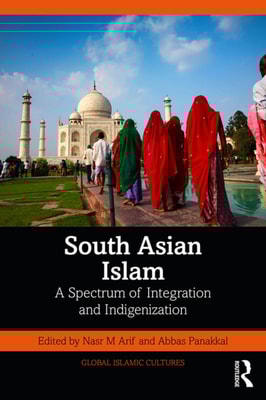
This volume explores the historical trajectory of the spread of Islam in South Asia and how the engagements of the past have played a crucial role in the making of the present outfits of South Asian Islam.
This volume explores the historical trajectory of the spread of Islam in South Asia and how the engagements of the past have played a crucial role in the making of the present outfits of South Asian Islam.
Focused on Ahmad Ibn 'Ajiba - an eighteenth-century Moroccan Sufi scholar renowned for his contribution to Sufi Qur'anic exegesis - this book engages critically with his theory of divine love to elucidate his impact on the wider field of Qur'anic scholarship.
Focused on Ahmad Ibn 'Ajiba - an eighteenth-century Moroccan Sufi scholar renowned for his contribution to Sufi Qur'anic exegesis - this book engages critically with his theory of divine love to elucidate his impact on the wider field of Qur'anic scholarship.
As the first book-length study of emergent Pakistani speculative fiction written in English, this critical work explores the ways in which contemporary Pakistani authors extend the genre in new directions by challenging the cognitive majoritarianism (usually Western) in this field.
As the first book-length study of emergent Pakistani speculative fiction written in English, this critical work explores the ways in which contemporary Pakistani authors extend the genre in new directions by challenging the cognitive majoritarianism (usually Western) in this field.
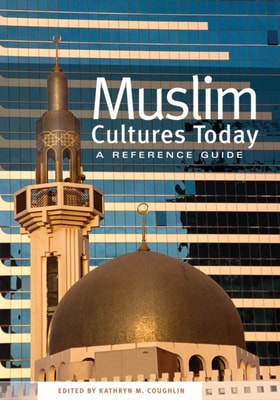
Despite frequent and extensive publications on Islam, very few Americans, indeed very few non-Muslims, truly understand the faith or the more than one billion adherents who live it.
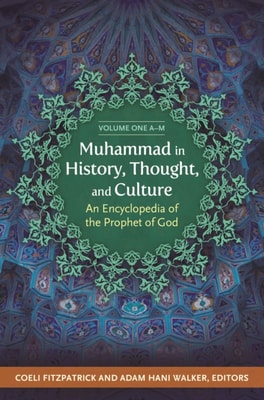
This in-depth examination of the life, history, and influence of Muhammad as discussed by leading scholars provides a wide-ranging look at the prophet's legacy unlike any other in the field of Islamic and culture studies.
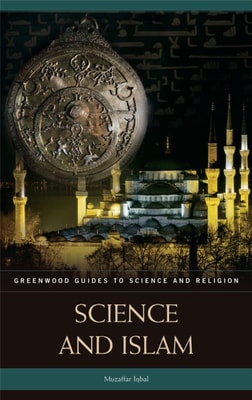
Science and Islam provides a detailed account of the relationship between Islam and science from the emergence of the Islamic scientific tradition in the eighth century to the present time.
The long era of Muslim political ascendancy that began in a small region of western Arabia reached its pinnacle some nine hundred years later with the siege of Vienna by Suleiman the Magnificent in 1529.
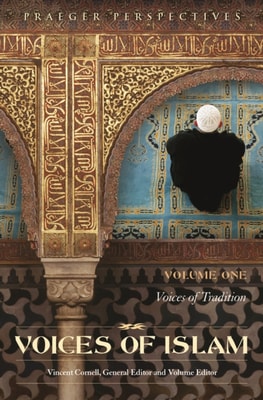
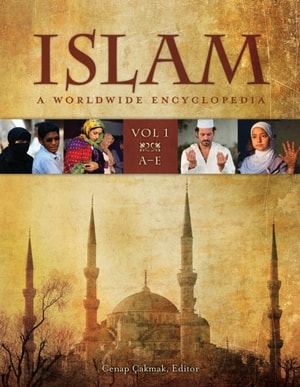
This expansive four-volume encyclopedia presents a broad introduction to Islam that enables learning about the fundamental role of Islam in world history and promotes greater respect for cultural diversity.