This book is about social change as it is even now being revealed in the creation of a new field of learning, in an unprecedented setting, and for an as-yet-unknown cultural and intellectual purpose.
The editor hopes that these papers, on themes of interest to Morton Smith, will contribute to the critical discussion of some problems of concern to him.
The editor hopes that these papers, on themes of interest to Morton Smith, will contribute to the critical discussion of some problems of concern to him.
The editor hopes that these papers, on themes of interest to Morton Smith, will contribute to the critical discussion of some problems of concern to him.
The editor hopes that these papers, on themes of interest to Morton Smith, will contribute to the critical discussion of some problems of concern to him.
The Mishnah is the first canonical writing of Judaism after the Hebrew Scriptures of ancient Israel (the Old Testament) and the foundation of the two Talmuds and of all Judaism thereafter.
An eminent scholar of the history of Judaism, Jacob Neusner shows in this work how Judaism changed from a philosophy to a religion between 200 and 400 C.
The authors address the issue of God in this world which, in the classical documents of formative Judaism, encompasses the diverse ways in which we meet God in the here and now.
This brief history of Judaism not only seeks to tell the story of Judaism (or of Judaisms) but to define it in such a way as to make it possible for the reader to grasp and make sense of Judaism, all at once, on its own terms.
A leading scholar of the formative age and writings of Judaism here formulates a theory of the Mishnah (one of the earliest dated sources of Judaism): what it is, how it should be read, and why it is of considerable interest in the study of religious conceptions of the social order.
Jacob Neusner has--in over sixty scholarly works, fourteen textbooks, and thirteen collections of essays--laid the foundation and completed the structure for a new understanding of the history of Judaism.
America's foremost scholar on formative Judaism examines the issue of gender as it appears in the corpus of rabbinic literature and arrives at some provocative conclusions.
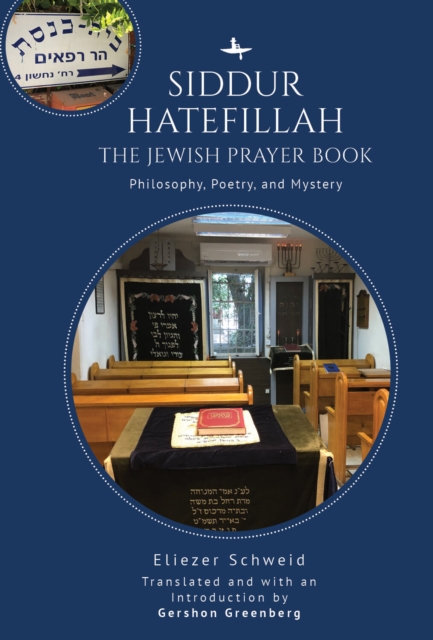
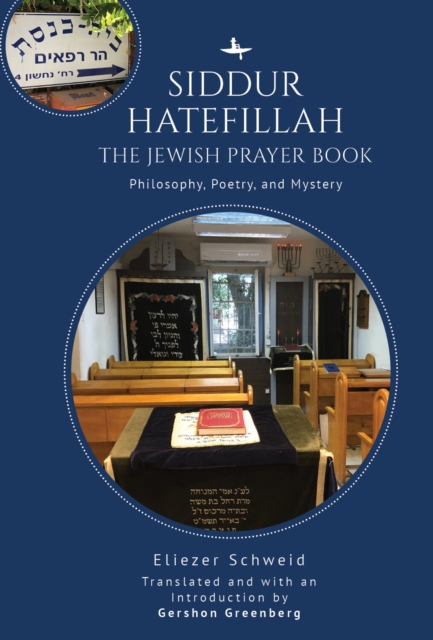
Hebrew University Professor Emeritus and Israel Prize recipient Eliezer Schweid (1929-2022) is widely regarded as one of the greatest historians of Jewish thought of our era.
Hebrew University Professor Emeritus and Israel Prize recipient Eliezer Schweid (1929-2022) is widely regarded as one of the greatest historians of Jewish thought of our era.
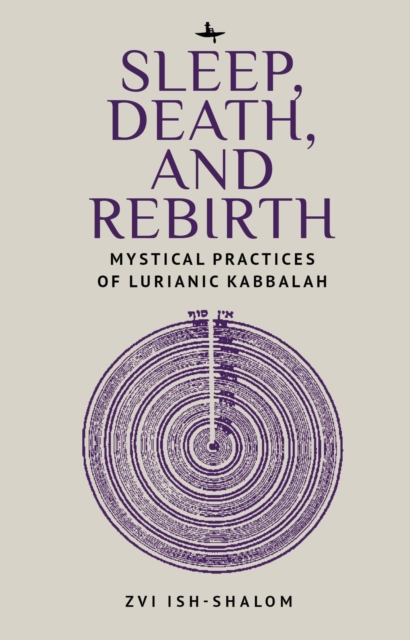
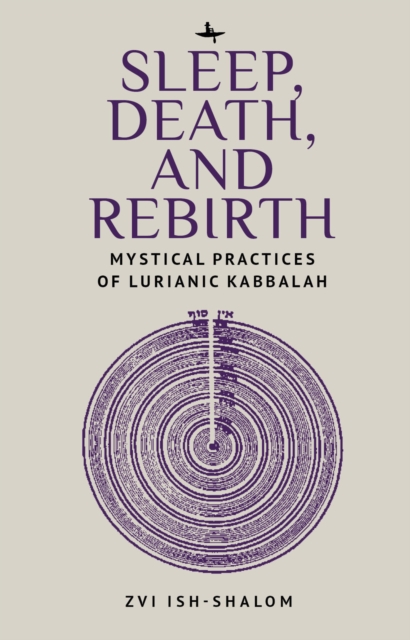
In the sixteenth century, the famous kabbalist Isaac Luria transmitted a secret trove of highly complex mystical practices to a select groups of students.
In the sixteenth century, the famous kabbalist Isaac Luria transmitted a secret trove of highly complex mystical practices to a select groups of students.
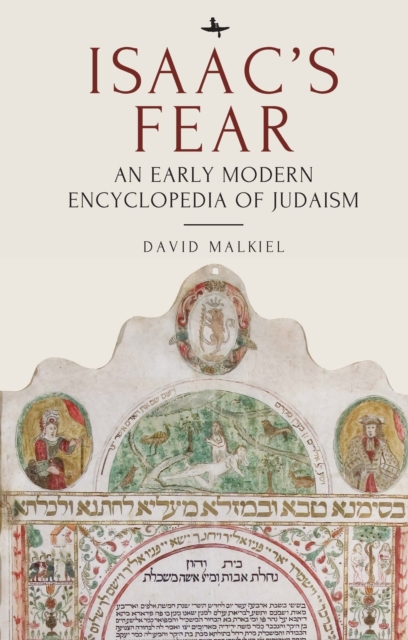
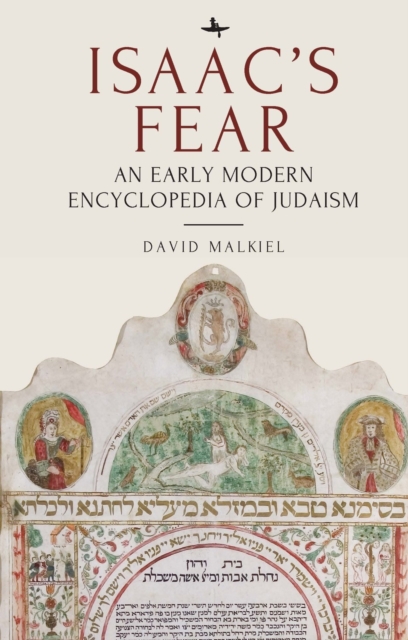
Isaac's Fear is a wide-ranging study of a Hebrew encyclopedia of Judaism by Isaac Lampronti, a rabbi and physician from eighteenth-century Ferrara, in Italy; this is the first encyclopedia of Judaism, with entries on thought and praxis.
Isaac's Fear is a wide-ranging study of a Hebrew encyclopedia of Judaism by Isaac Lampronti, a rabbi and physician from eighteenth-century Ferrara, in Italy; this is the first encyclopedia of Judaism, with entries on thought and praxis.
In San Isidro, Lima, the only Jewish school in Peru stands on a street widely known as "e;Los Manzanos"e; ("e;The Apple Trees"e;) but whose name changes to "e;Maimonides"e; (the Jewish sage) depending on which sign you look at.
In San Isidro, Lima, the only Jewish school in Peru stands on a street widely known as "e;Los Manzanos"e; ("e;The Apple Trees"e;) but whose name changes to "e;Maimonides"e; (the Jewish sage) depending on which sign you look at.
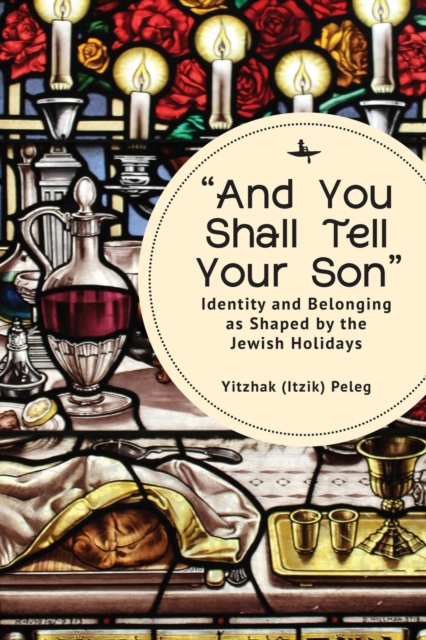
Inthis volume, Bible Studies scholar Yitzhak (Itzik) Peleg offers an educational,values-based approach to the cycle of Jewish holidays festivals and holy days asfound in the Jewish calendar.
Inthis volume, Bible Studies scholar Yitzhak (Itzik) Peleg offers an educational,values-based approach to the cycle of Jewish holidays festivals and holy days asfound in the Jewish calendar.
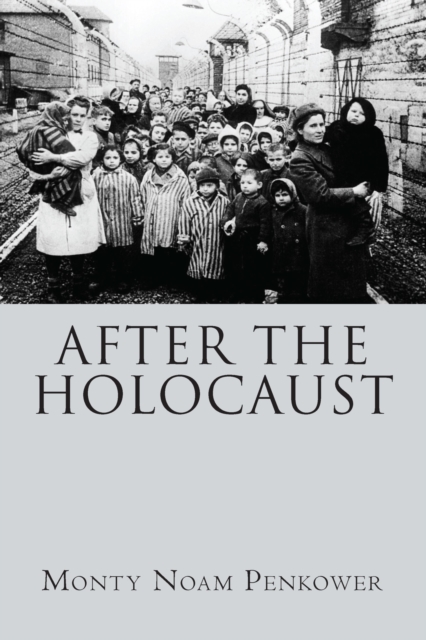
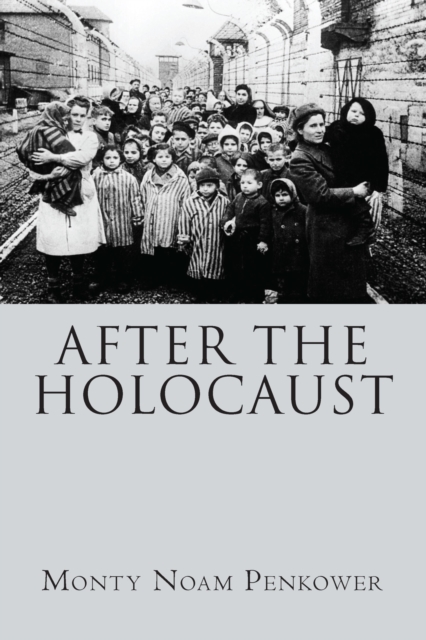
A Winner of the Association for the Study of the Middle East and Africa 2023 Bernard Lewis PrizeThe chapters in this volume examine a few facets in the drama of how the survivors of the Holocaust contended with life after the darkest night in Jewish history.
A Winner of the Association for the Study of the Middle East and Africa 2023 Bernard Lewis PrizeThe chapters in this volume examine a few facets in the drama of how the survivors of the Holocaust contended with life after the darkest night in Jewish history.