In essays as likely to turn to baseball, Denzel Washington, and the NASDAQ as to Macbeth, quantum physics and psychoanalysis, William Kolbrener provides powerful - and often surprising - insights into how open mindedness allows for authentic Jewish commitment in an age otherwise defined by fundamentalism and unbelief.
In essays as likely to turn to baseball, Denzel Washington, and the NASDAQ as to Macbeth, quantum physics and psychoanalysis, William Kolbrener provides powerful - and often surprising - insights into how open mindedness allows for authentic Jewish commitment in an age otherwise defined by fundamentalism and unbelief.
Sara Manasseh brings a significant, but less widely-known, Jewish repertoire and tradition to the attention of both the Jewish community (Ashkenazi, Sephardi, Oriental) and the wider global community.
Sara Manasseh brings a significant, but less widely-known, Jewish repertoire and tradition to the attention of both the Jewish community (Ashkenazi, Sephardi, Oriental) and the wider global community.
Homosexuality, Transsexuality, Psychoanalysis and Traditional Judaism explores the often incommensurable and irreconcilable beliefs and understandings of sexuality and gender in the Orthodox Jewish community from psychoanalytic, rabbinic, feminist, and queer perspectives.
Homosexuality, Transsexuality, Psychoanalysis and Traditional Judaism explores the often incommensurable and irreconcilable beliefs and understandings of sexuality and gender in the Orthodox Jewish community from psychoanalytic, rabbinic, feminist, and queer perspectives.
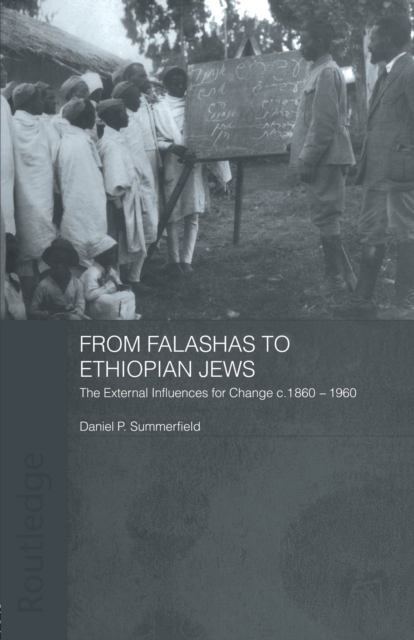
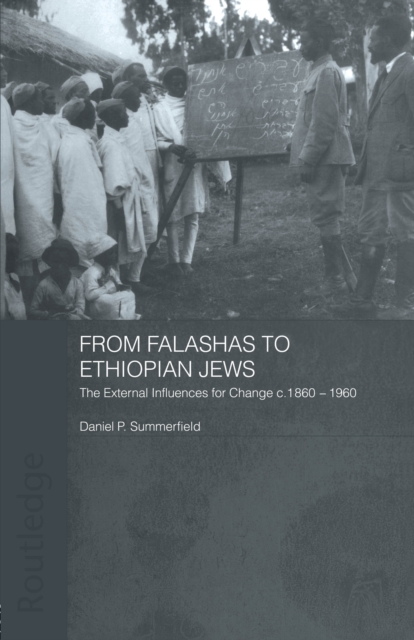
In the light of the Israeli government's plan to halt Ethiopian immigration, this book provides original research into the transformation of the Falashas to Ethiopian Jews during the twentieth century which made them eligible for immigration into Israel, adding a new dimension to the question of 'Who is a Jew', namely the case of the 'manufactured Jew'.
In the light of the Israeli government's plan to halt Ethiopian immigration, this book provides original research into the transformation of the Falashas to Ethiopian Jews during the twentieth century which made them eligible for immigration into Israel, adding a new dimension to the question of 'Who is a Jew', namely the case of the 'manufactured Jew'.
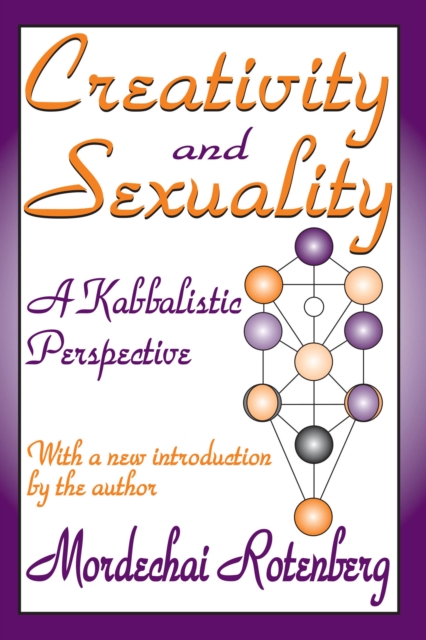
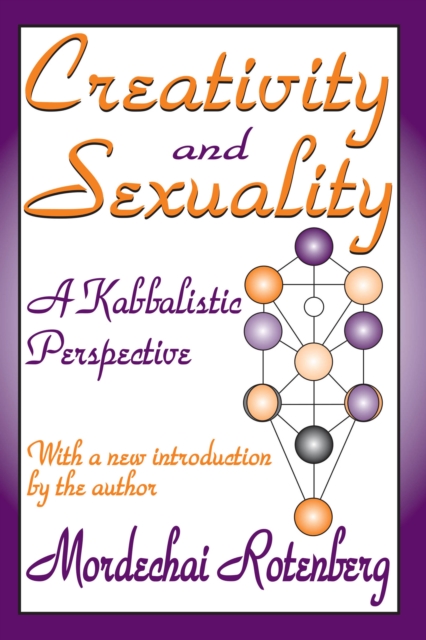
Judaism openly recognizes, as an integral part of human nature, the enigmatic relationship between yetzer, or physical desire, and yetzirah, or spiritual creativity.
Judaism openly recognizes, as an integral part of human nature, the enigmatic relationship between yetzer, or physical desire, and yetzirah, or spiritual creativity.
Deceptive Images is a profoundly thoughtful effort by a social scientist-who is a participant observer in American Jewish life-to come to terms with his concerns about how American Jews and Judaism have been studied, and his sensitivity to the policy implications of such studies.
Deceptive Images is a profoundly thoughtful effort by a social scientist-who is a participant observer in American Jewish life-to come to terms with his concerns about how American Jews and Judaism have been studied, and his sensitivity to the policy implications of such studies.
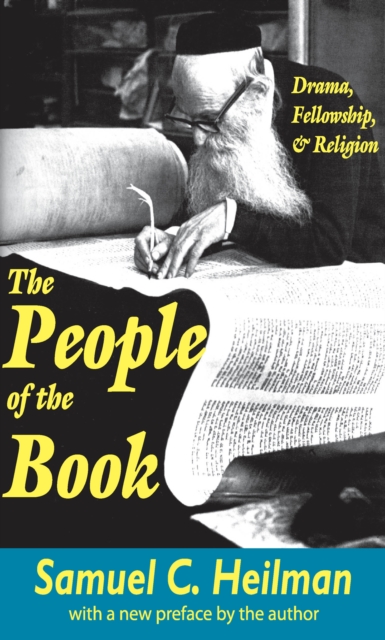
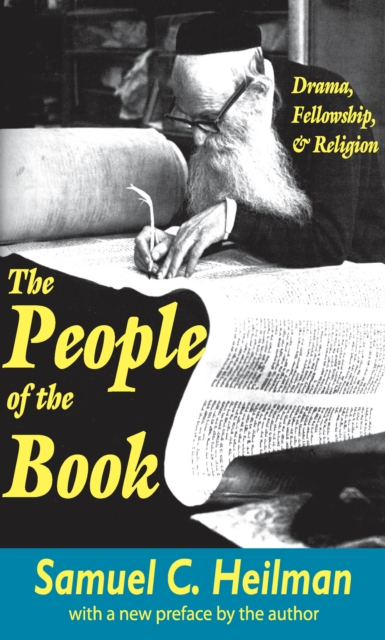
Via a participant-observer approach, Synagogue Life analyzes the three essential dimensions of synagogue life: the houses of prayer, study, and assembly.
Via a participant-observer approach, Synagogue Life analyzes the three essential dimensions of synagogue life: the houses of prayer, study, and assembly.
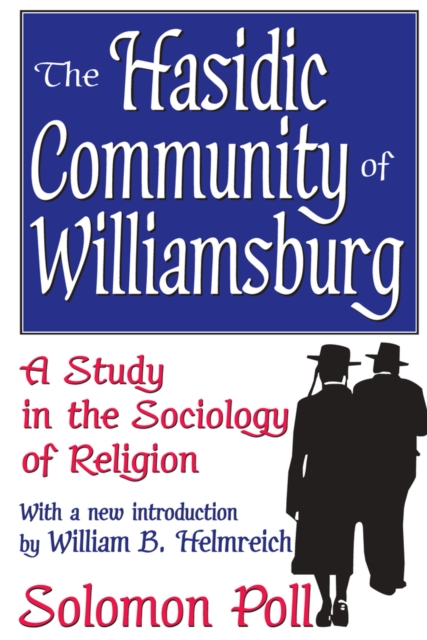
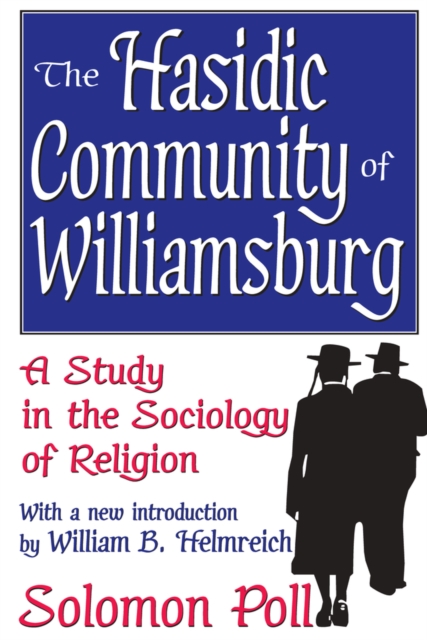
The Hasidim of the Williamsburg section of Brooklyn separate themselves not only from non-Jews and unreligious Jews but also from religious Orthodox Jews whose religious ideology, intensity, and frequency of traditional religious behavior do not meet Hasidic standards.
The Hasidim of the Williamsburg section of Brooklyn separate themselves not only from non-Jews and unreligious Jews but also from religious Orthodox Jews whose religious ideology, intensity, and frequency of traditional religious behavior do not meet Hasidic standards.
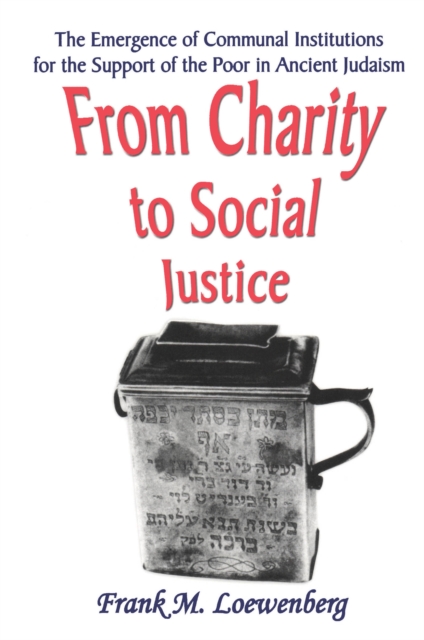
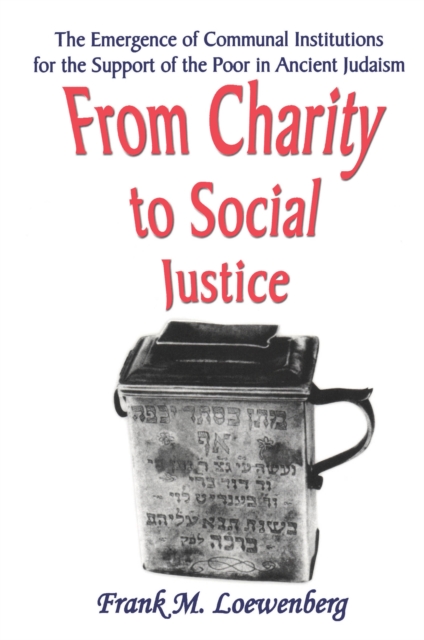
This work explores the Jewish sources of philanthropic institutions in the Western world, a focus that has long been ignored by those who have focused their interest on the Greco-Roman culture.
This work explores the Jewish sources of philanthropic institutions in the Western world, a focus that has long been ignored by those who have focused their interest on the Greco-Roman culture.
Areligion or a culture like Judaism, at least three thousand years old, cannot be expected to be all of one piece, homogeneous, self-contained, consistent, a neatly constructed system of ideas.
Areligion or a culture like Judaism, at least three thousand years old, cannot be expected to be all of one piece, homogeneous, self-contained, consistent, a neatly constructed system of ideas.
This book sets out new theoretical foundations for Jewish social justice education by surveying and discussing Freirean critical pedagogy, Catholic models of social justice education, Jewish social justice literature and interviews with educators and activists.
This book sets out new theoretical foundations for Jewish social justice education by surveying and discussing Freirean critical pedagogy, Catholic models of social justice education, Jewish social justice literature and interviews with educators and activists.
This new approach introduces Kabbalah as a spiritual Jewish way of living, a practical wisdom for living, creativity and well being, and not merely a religious phenomenon or esoteric theology.
This new approach introduces Kabbalah as a spiritual Jewish way of living, a practical wisdom for living, creativity and well being, and not merely a religious phenomenon or esoteric theology.