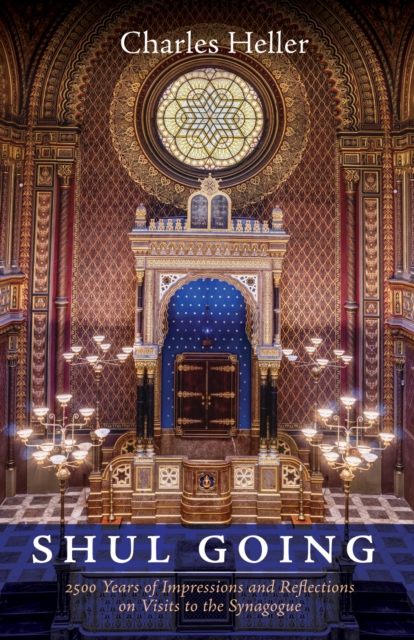
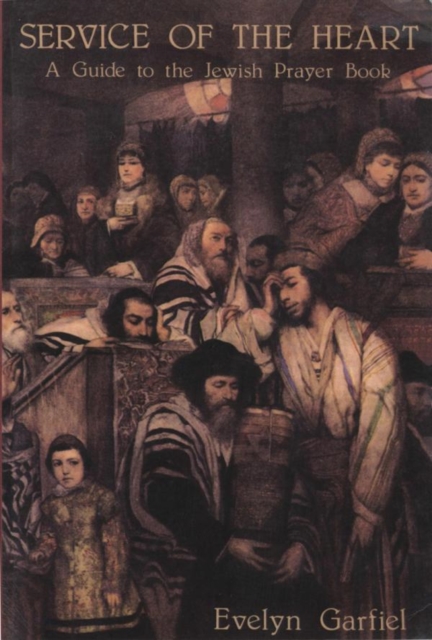
Covering 2500 years, here are the impressions of synagogue worshipers and visitors, Jews and non-Jews, told in their own words, from Jeremiah to George Washington, Liszt, and Yossele Rosenblatt, from the slums of Rio to the shtetls of Ukraine to the temple in Jerusalem.
Wayne Allen traces the evolution of the office of synagogue cantor as reflected in the primary sources of Jewish law as well as in Jewish lore from the third century to the present day.
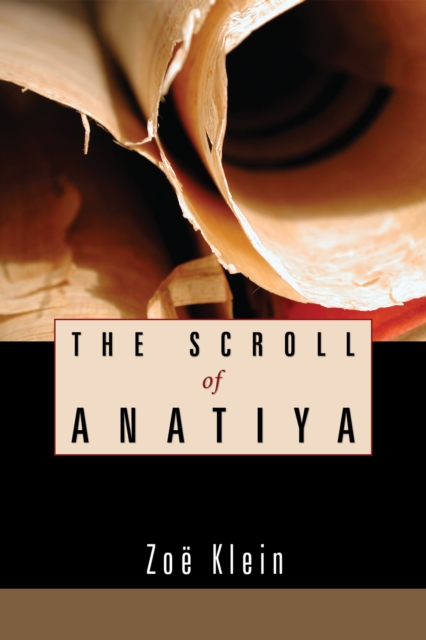
Written in the high art style of prophetic witness, The Scroll of Anatiya reveals a new kind of biblical heroine who is fiercely passionate and sensual.
What Dorothy discovered in Oz and Alice discovered in Wonderland you'll discover here: a parallel reality where a third temple rose and fell in antiquity, women were ordained in the fifth century CE, and alternate sages and texts ripple in and out of the ones we know from history.
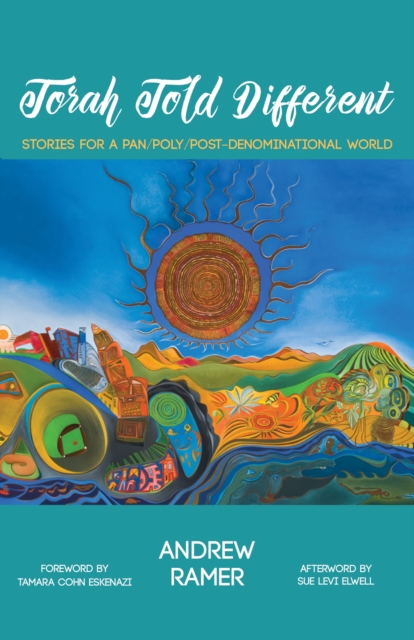
The twenty-first century is emerging as a challenging time for people with faith-based traditions who also seek paths of openness to pluralistic voices and streams of spirituality.
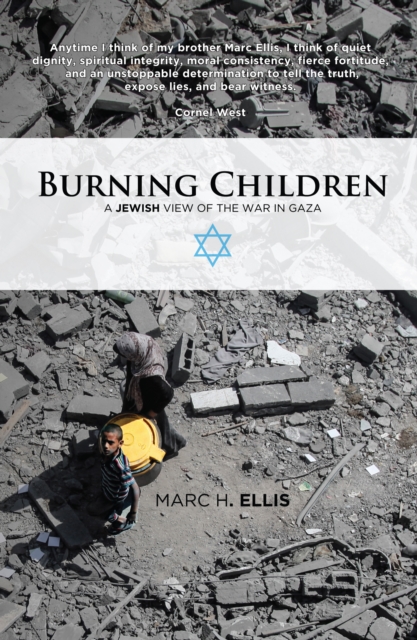
This collection of commentaries, written during the recent Gaza war as it unfolded, represents an attempt of one Jew on behalf of Jews of Conscience everywhere, to come to grips with the state of Israel as it is rather than what it purports to be.
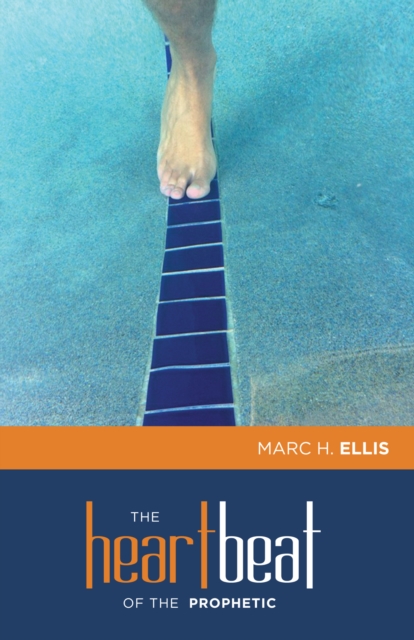
In volume one of this multi-volume series, Marc Ellis explores the essence of the prophetic by intertwining the context of ordinary life and the explosive reality of Jewish identity, the Holocaust and Israel-Palestine.
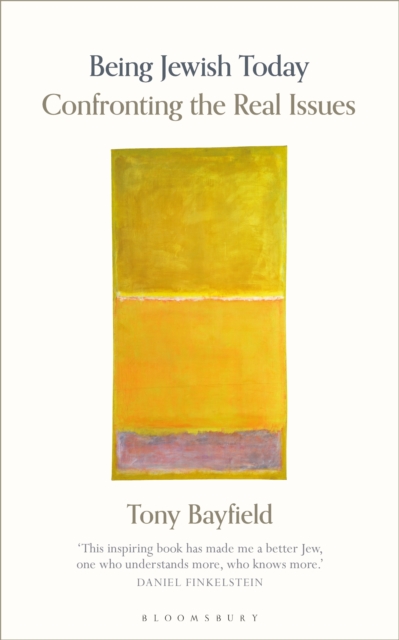
'A deeply humane, learned and personal reflection on Jewish identity' - Rowan Williams'This inspiring book has made me a better Jew, one who understands more, who knows more' - Daniel Finkelstein'This remarkable book takes us on a journey: geographic, historical, cultural, philosophical, political, autobiographical and, yes, religious' - Michael Marmot Being Jewish Today gives an account of both the journey of a particular British Jew and the journey of millions of women and men through today's perplexing and difficult world.
'A deeply humane, learned and personal reflection on Jewish identity' - Rowan Williams'This inspiring book has made me a better Jew, one who understands more, who knows more' - Daniel Finkelstein'This remarkable book takes us on a journey: geographic, historical, cultural, philosophical, political, autobiographical and, yes, religious' - Michael Marmot Being Jewish Today gives an account of both the journey of a particular British Jew and the journey of millions of women and men through today's perplexing and difficult world.
The rate of interfaith marriage in the United States has risen so radically since the sixties that it is difficult to recall how taboo the practice once was.
This book reveals the three key rules for raising Jewishly ethical children, and the three holidays that can help you teach them the most important values of Judaism.
The Journey of the Soul: Traditional Sources on Teshuvah is dedicated to the process of self-discovery through Teshuvah (commonly translated as repentance).
Organized by subject, this is a collection of teachings and quotations from the Talmud, the Bible, rabbinical commentaries, and ancient and modern religious and secular writings.
Say Yes to Life: A Book of Thoughts for Better Living reflects a deep understanding of the human condition with all its pain, perplexities, and possibilities.
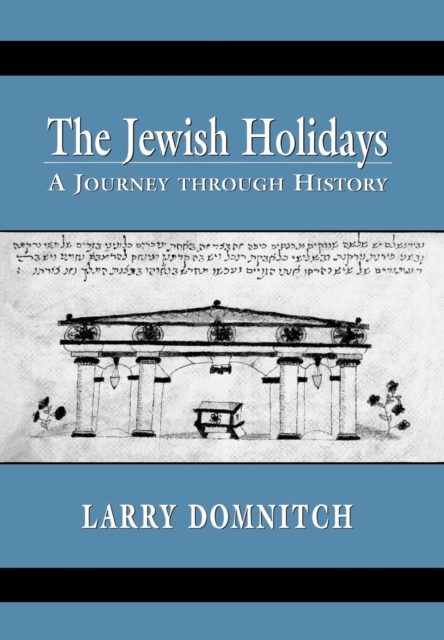
The events surrounding the holidays molded the foundation of the Jews as a nation and are related to their continuity and survival as Jews throughout history.