First Published in 1981, The Idea of Holiness and the Humane Response is a radically innovative book, presenting a critical appraisal of the concept of holiness and its effects.
First Published in 1981, The Idea of Holiness and the Humane Response is a radically innovative book, presenting a critical appraisal of the concept of holiness and its effects.
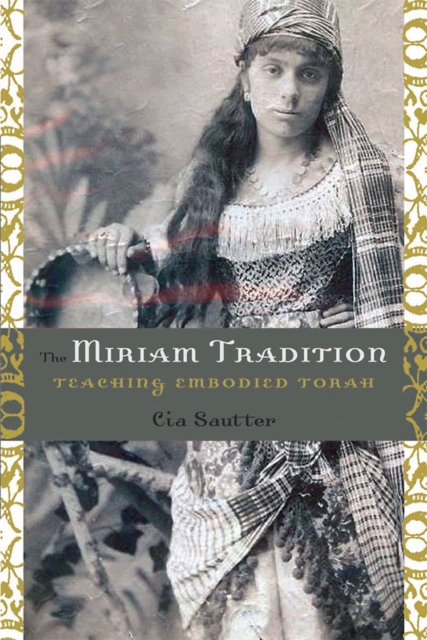
The Miriam Tradition works from the premise that religious values form in and through movement, with ritual and dance developing patterns for enacting those values.
The twenty-first century is emerging as a challenging time for people with faith-based traditions who also seek paths of openness to pluralistic voices and streams of spirituality.
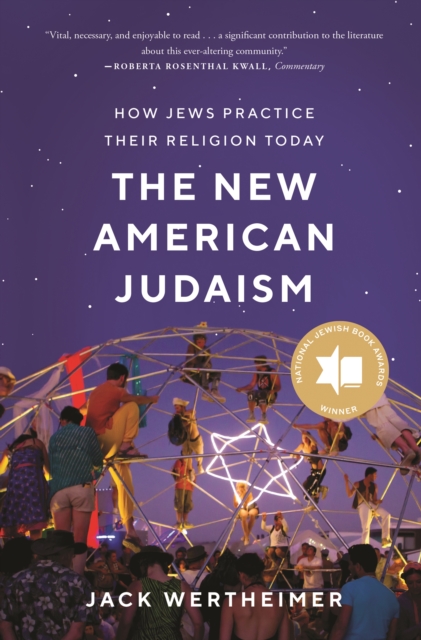
A leading expert provides an engaging firsthand portrait of American Judaism todayAmerican Judaism has been buffeted by massive social upheavals in recent decades.
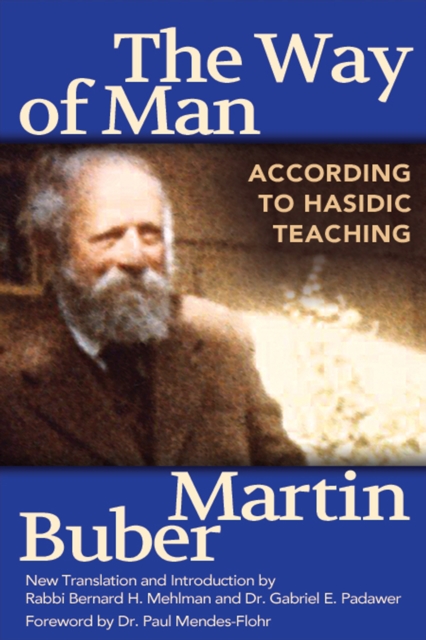
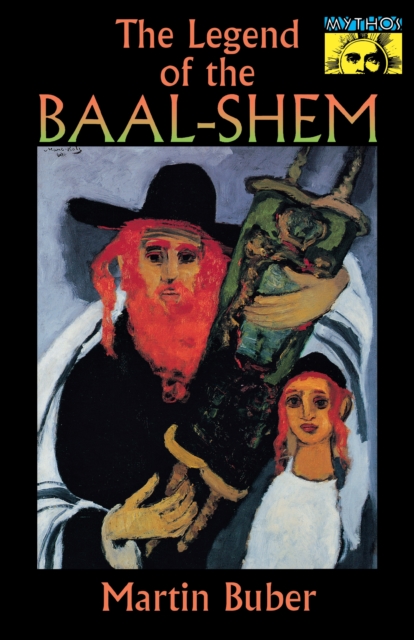
The Jewish philosopher Martin Buber spoke directly to the most profound human concerns in all his works, including his discussions of Hasidism, a mystical-religious movement founded in Eastern Europe by Israel ben Eliezer, called the Baal-Shem (the Master of God's Name).
Organized by subject, this is a collection of teachings and quotations from the Talmud, the Bible, rabbinical commentaries, and ancient and modern religious and secular writings.
El presente libro es el resultado de la selección de algunas de las mesas que conformaron el ciclo de debates Posjudaísmo, organizado por YOK, durante los años 2005 y 2006.
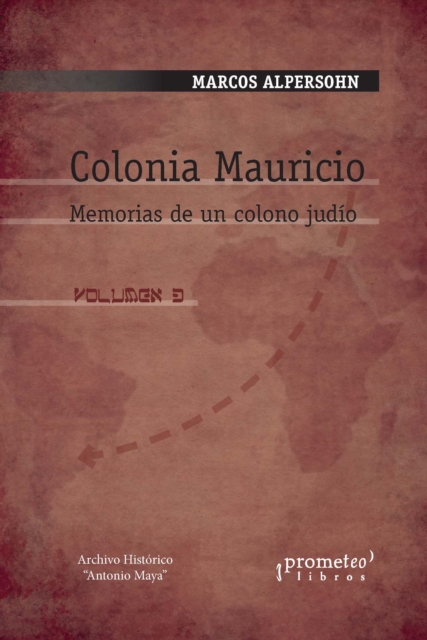
Si bien del testimonio de un protagonista no se puede pretender objetividad sino seriedad y buena fe (y en ese sentido nadie discute la veracidad de los hechos relatados por Alpersohn en su obra, cuya tercera y última parte aquí entregamos), existen aspectos de ella que piden una contextualización.
This book offers new perspectives on the early and formative years of the German-Jewish philosopher Hans Jonas, through innovative studies of his German and Hebrew work in pre-war Germany and Palestine.
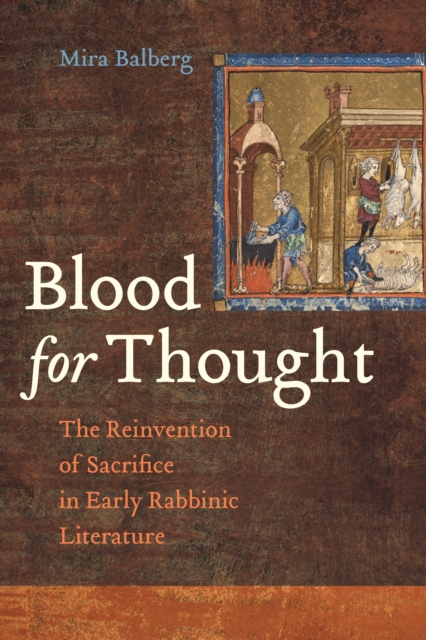
Blood for Thoughtdelves into a relatively unexplored area of rabbinic literature: the vast corpus of laws, regulations, and instructions pertaining to sacrificial rituals.
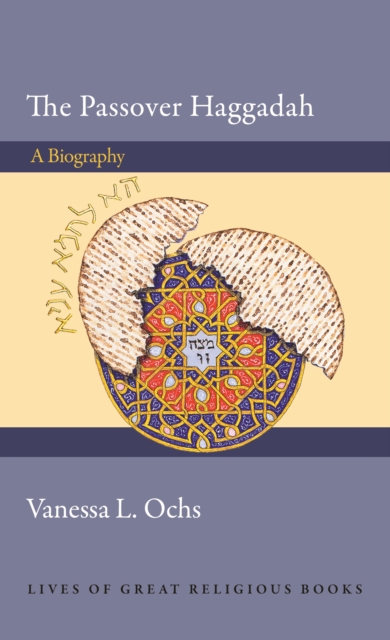
The life and times of a treasured book read by generations of Jewish families at the seder tableEvery year at Passover, Jews around the world gather for the seder, a festive meal where family and friends come together to sing, pray, and enjoy traditional food while retelling the biblical story of the Exodus.
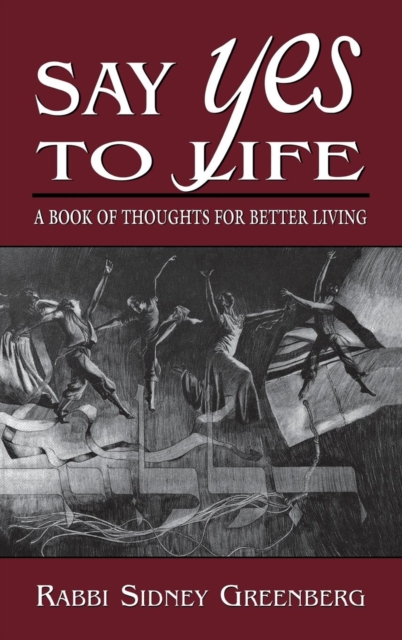
Say Yes to Life: A Book of Thoughts for Better Living reflects a deep understanding of the human condition with all its pain, perplexities, and possibilities.
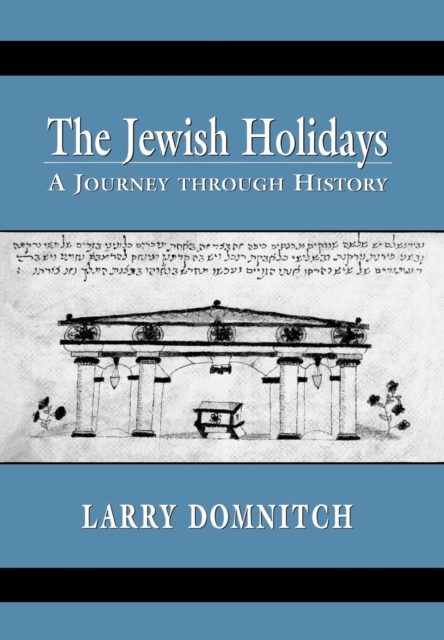
The events surrounding the holidays molded the foundation of the Jews as a nation and are related to their continuity and survival as Jews throughout history.
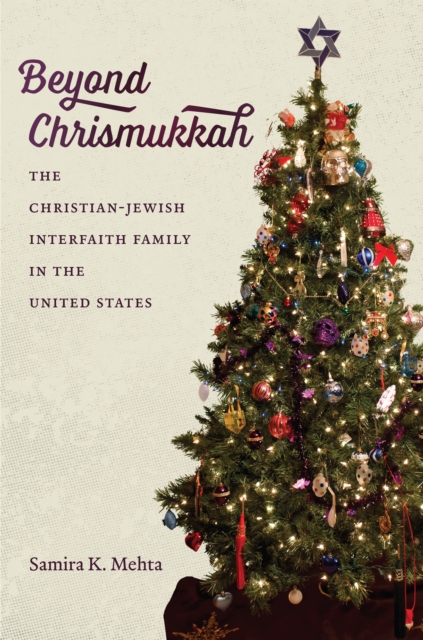
The rate of interfaith marriage in the United States has risen so radically since the sixties that it is difficult to recall how taboo the practice once was.
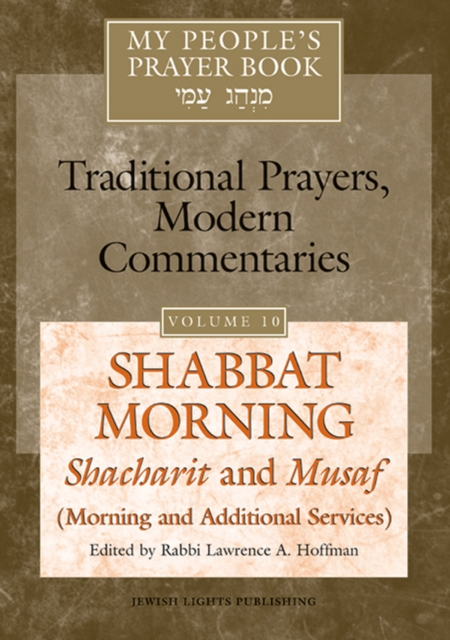
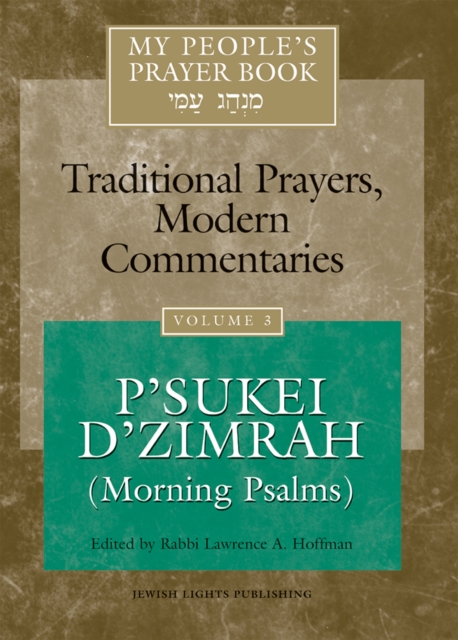
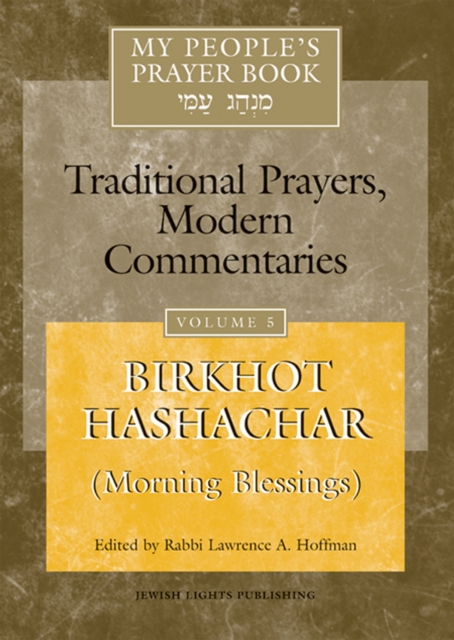
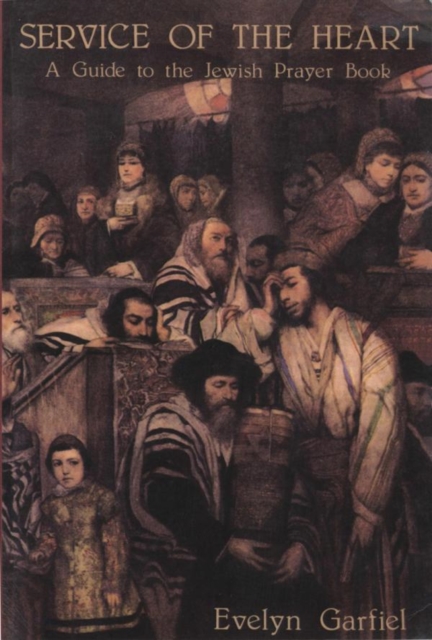
"e;The prayer book is our Jewish diary of the centuries, a collection of prayers composed by generations of those who came before us, as they endeavored to express the meaning of their lives and their relationship to God.
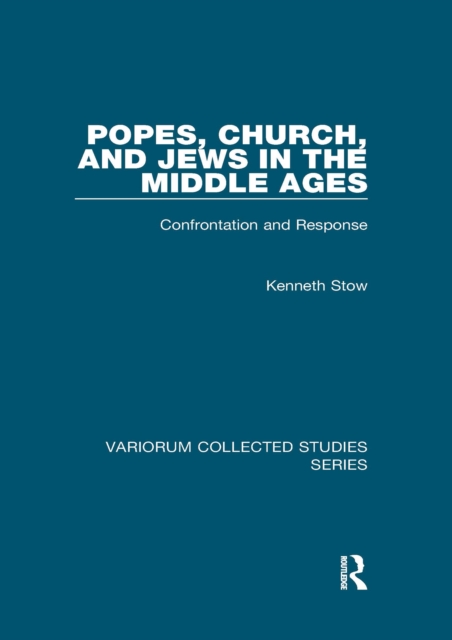
The theme uniting the essays reprinted here is the attitude of the medieval Church, and in particular the papacy, toward the Jewish population of Western Europe.
The theme uniting the essays reprinted here is the attitude of the medieval Church, and in particular the papacy, toward the Jewish population of Western Europe.
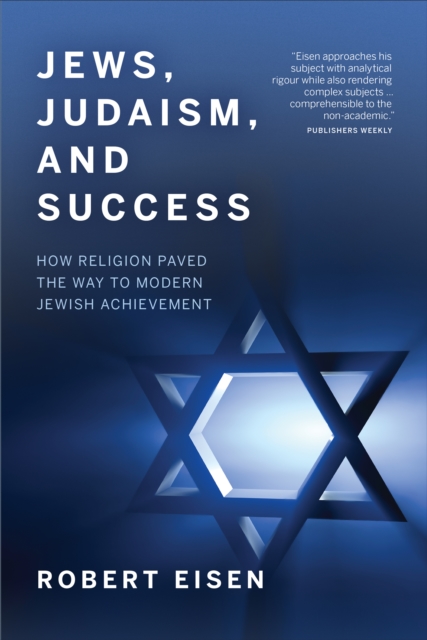
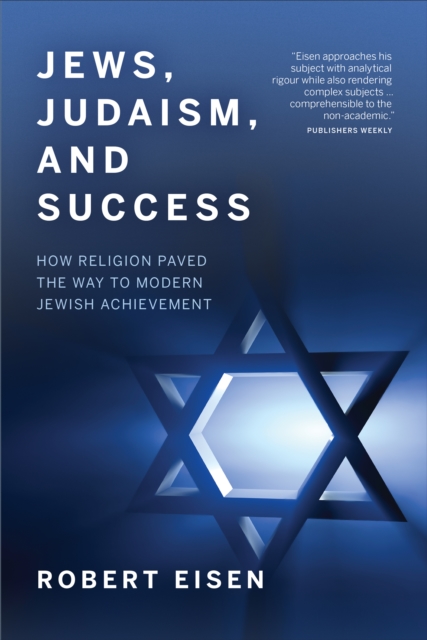
In Jews, Judaism, and Success, Robert Eisen attempts to solve a long-standing mystery that has fascinated many: How did Jews become such a remarkably successful minority in the modern Western world?
In Jews, Judaism, and Success, Robert Eisen attempts to solve a long-standing mystery that has fascinated many: How did Jews become such a remarkably successful minority in the modern Western world?
"e;The prayer book is our Jewish diary of the centuries, a collection of prayers composed by generations of those who came before us, as they endeavored to express the meaning of their lives and their relationship to God.
"e;The prayer book is our Jewish diary of the centuries, a collection of prayers composed by generations of those who came before us, as they endeavored to express the meaning of their lives and their relationship to God.
Written in the high art style of prophetic witness, The Scroll of Anatiya reveals a new kind of biblical heroine who is fiercely passionate and sensual.