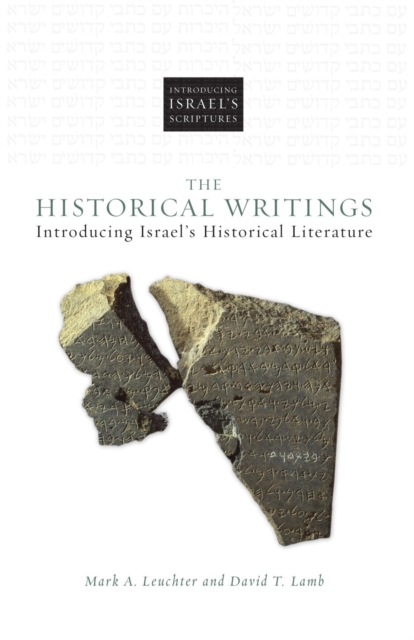
History has an inescapable centrality in the Hebrew Bible, and biblical narratives are for many readers the best recognized and most memorable parts of the Bible.
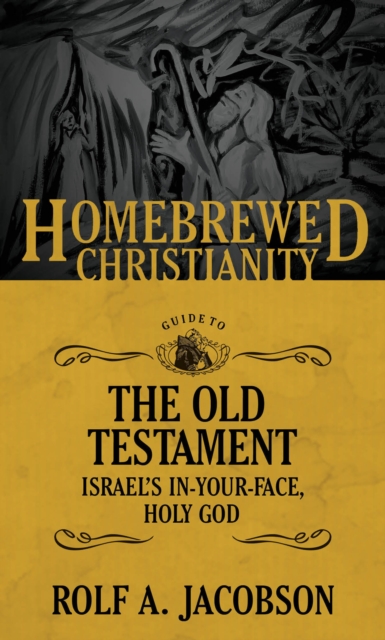
The Old Testament bears witness to an in-your-face, holy God--a God who gets down and dirty with creation and history; a God who gets in people's face with love and law, with power and purpose.
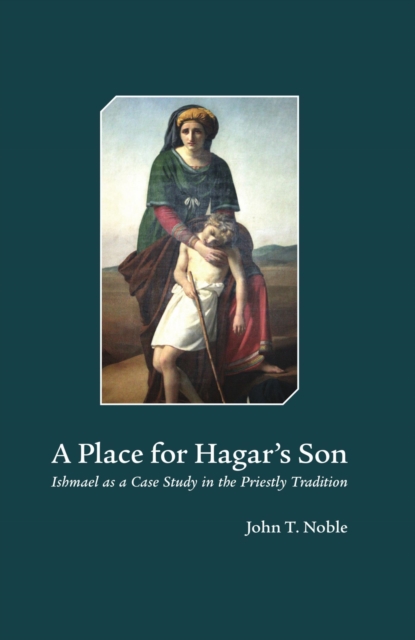
The profound ambivalence of the biblical portrayals of Hagar and Ishmaeldispossessed, yet protected; abandoned, yet given promises that rival those of the covenant with Abrahambelies easy characterizations of the Pentateuch's writers.
Beneath the commonplace affirmation that Jesus “paid for our sins” lie depths of implication: did God demand a blood sacrifice to assuage divine anger?
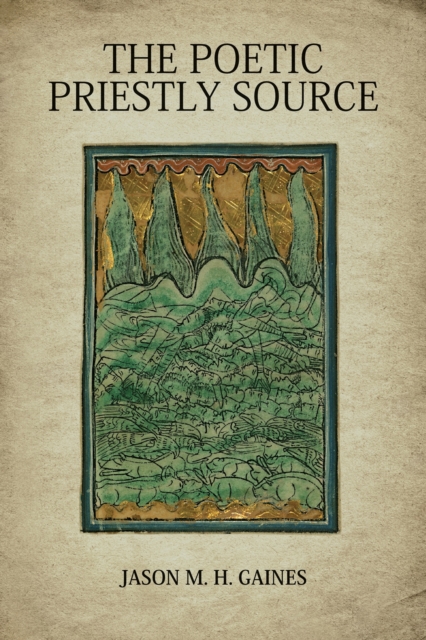
Much of scholarly research on the Pentateuch has revolved around the question of sources and how they might be identified by differences in vocabulary, theme, and characterization.
Ambra Suriano analyses the narrator's techniques, exploring the influence of the readers' understanding and playing with their interpretative freedom in recounting particular episodes in the Book of Genesis.
Pentecostalism is a movement that, in a little over a century, has encircled the globe and, either directly or indirectly, has impacted and influenced every quarter of Christendom.
Retrace the life of Moses from his modest birth and rescue as a baby to the courts of Pharaoh, from herding flocks in Midian to leading his people out of Egypt.
Retrace the life of Moses from his modest birth and rescue as a baby to the courts of Pharaoh, from herding flocks in Midian to leading his people out of Egypt.
Retrace the life of Moses from his modest birth and rescue as a baby to the courts of Pharaoh, from herding flocks in Midian to leading his people out of Egypt.
An international array of twenty-six scholars contributes twenty-one essays to honor Ziony Zevit (American Jewish University), one of the foremost biblical scholars of his generation.
A Thoroughly Revised and Updated Introduction to Biblical ExegesisWorld-renowned scholar Michael Gorman presents a straightforward approach to the complex task of biblical exegesis.
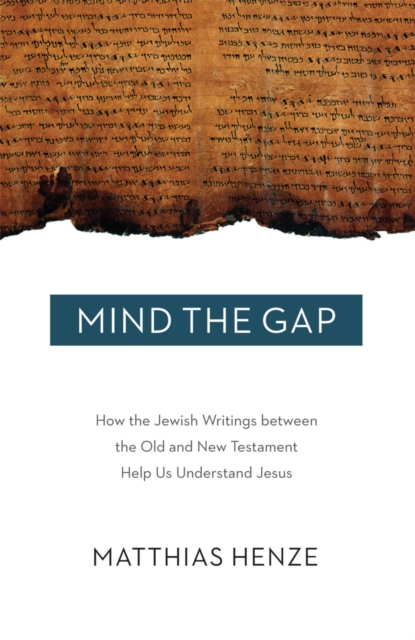
The Old Testament offers a rich palette of ideas, images, and narratives that help us unpack some of the more compact and opaque theological ideas of the New Testament.
I will open my mouth with a parable; I will utter dark sayings concerning days of old; That which we have heard and known, and our fathers have told us, We will not hide from their children, telling to the generation to come the praises of the LORD, and His strength, and His wondrous works that He hath done.
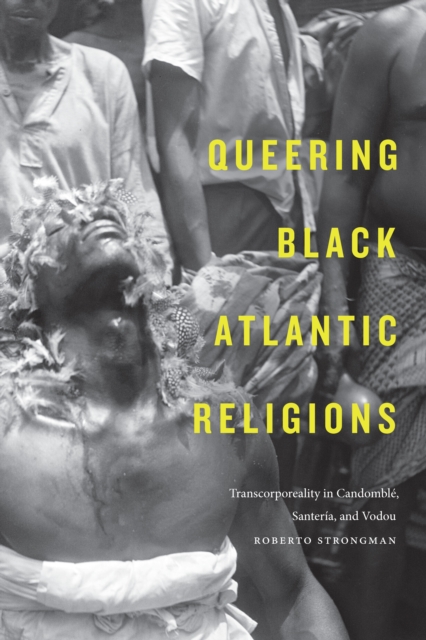
In Queering Black Atlantic Religions Roberto Strongman examines Haitian Vodou, Cuban Lucumi/Santeria, and Brazilian Candomble to demonstrate how religious rituals of trance possession allow humans to understand themselves as embodiments of the divine.
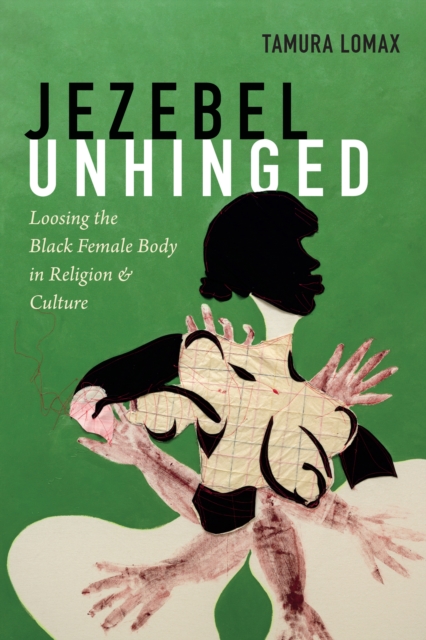
In Jezebel Unhinged Tamura Lomax traces the use of the jezebel trope in the black church and in black popular culture, showing how it is pivotal to reinforcing men's cultural and institutional power to discipline and define black girlhood and womanhood.
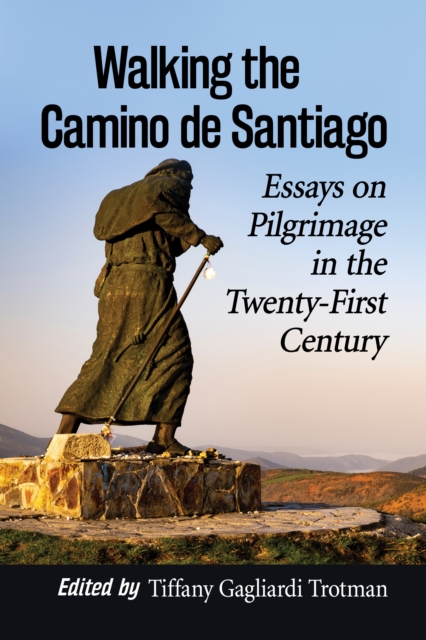
The Camino de Santiago, the Route of Saint James, the Way--all describe a pilgrimage with multiple routes that pass through Spain and end at the Cathedral of Saint James in Santiago de Compostela.
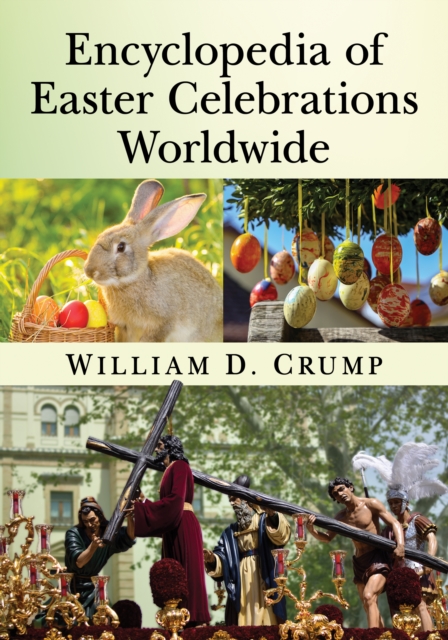
At Eastertime, the most important holiday in the Christian world, religious processions in many Latin American countries pass over ornate street "e;carpets"e; fashioned from colored sawdust, flowers and fruit.
The following passage from the biography of Arsene Darmesteter, prefixed to Volume I of his Reliques Scientifiques, deserves quotation, both on account of its criticism of Emanuel Deutsch's brilliant article on the Talmund, which originally appeared in the quarterly review for October, 1867, and as an illustration of the phenomenon, often noted in the scientific world, that investigators, wholly independent and perhaps in ignorance of each other, publish work of similar import simultaneously, though the phase of the subject presented may have been completely neglected up to that time.
Revealing, in an original and provocative study, the mystical contents of the works of famous atheists Virginia Woolf and Iris Murdoch, Donna Lazenby shows how these thinkers' refusal to construe worldviews on available reductive models brought them to offer radically alternative pictures of life which maintain its mysteriousness, and promote a mystical way of knowing.
Revealing, in an original and provocative study, the mystical contents of the works of famous atheists Virginia Woolf and Iris Murdoch, Donna Lazenby shows how these thinkers' refusal to construe worldviews on available reductive models brought them to offer radically alternative pictures of life which maintain its mysteriousness, and promote a mystical way of knowing.
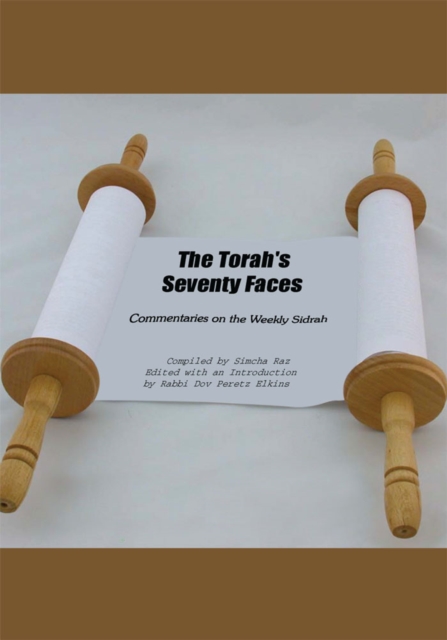
The Torahs Seventy Faces: Commentaries on the Weekly SidrahCompiled by Simcha RazEdited with an Introduction by Dov Peretz ElkinsThe weekly Torah portions have served throughout history as a treasure for teaching and preaching, for law and lore, for discussion and dialog.
Organized by subject, this is a collection of teachings and quotations from the Talmud, the Bible, rabbinical commentaries, and ancient and modern religious and secular writings.
"e;The purpose of this book is to elevate stories and storytelling in people's esteem, so they will understand their holiness and appreciate them at their full worth.
From the Preface:"e;The principal thrust of this book is to challenge the compartmentalization to which we seem all too easily resigned, to discover whether, and to what extent, the methods of modern scholarship can become part and parcel of the study of Torah, conceived as a religious-intellectual way of life.
Judith Abrams, author of the highly acclaimed The Talmud for Beginners, Volumes I & II, creates yet another way of making Talmud study easy and accessible for the novice.