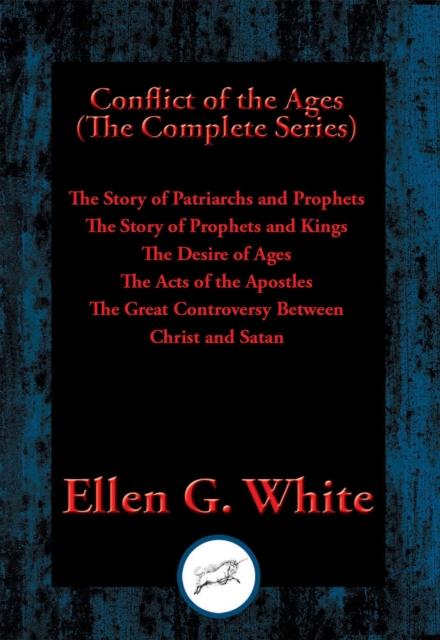
Volume 1 of the 'Conflict of the Ages' book series, ';Patriarchs and Prophets' covers the Biblical history of the world from the rebellion of Satan in heaven to King David.
Volume 2 of the 'Conflict of the Ages' book series, 'The Story of Prophets and Kings,' covers the Biblical history of the world from King Solomon to Malachi.
This key Seventh Day Adventist text explains in detail the SDA understanding of the conflict between God and Satan and their understanding of the Bible and much of world history.
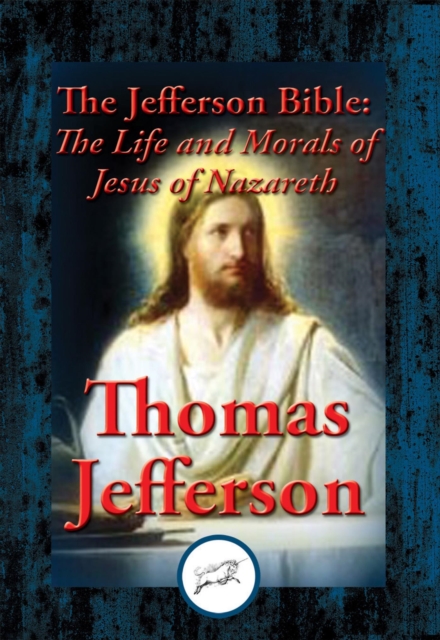
In 1804 Thomas Jefferson decided to study the gospels to see if he could distill the essence of Jesus' teachings into a concise book that could be quickly read and easily understood.
Preeminent biblical scholar and preacher Walter Brueggemann says the book of Jeremiah is not a sermon, but it does sound the cadences of the tradition of Deuteronomy that serve as sermons--that is, as expositions based on remembered and treasured tradition.
Judith tells the story of a beautiful Jewish woman who enters the tent of an invading general, gets him drunk, and then slices off his head, thus saving her village and Jerusalem.
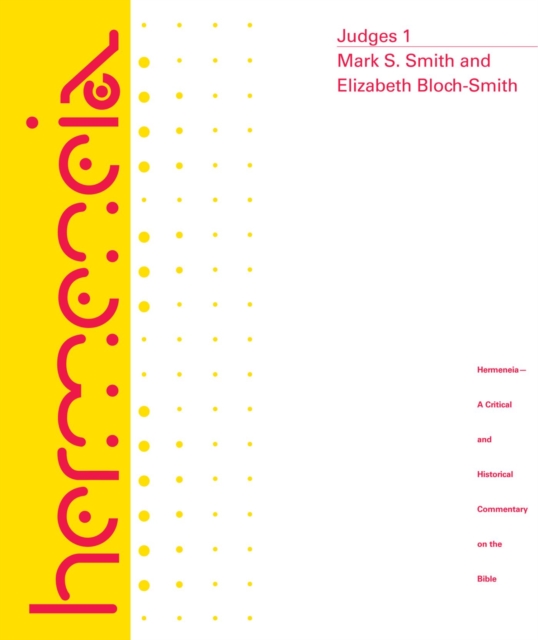
This groundbreaking volume presents a new translation of the text and detailed interpretation of almost every word or phrase in the book of Judges, drawing from archaeology and iconography, textual versions, biblical parallels, and extrabiblical texts, many never noted before.
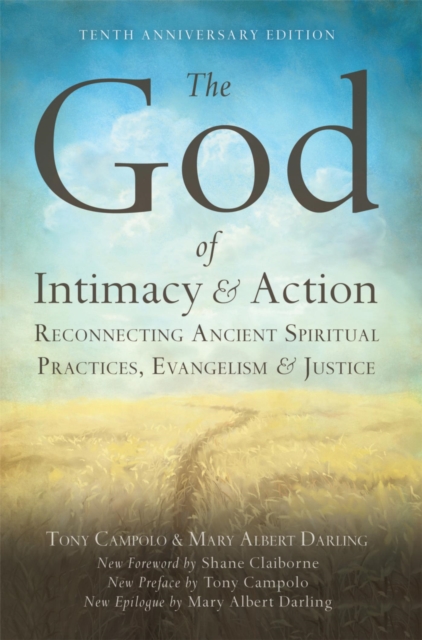
Acclaimed evangelical speaker and writer Tony Campolo teams up with spiritual director and teacher Mary Albert Darling to reveal some gems from the liturgical Christian tradition to Protestants who may be ready for a refreshing change.
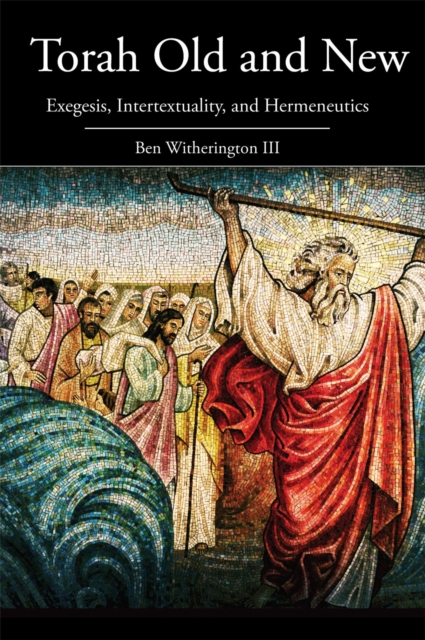
Reading the books of the Law, the Pentateuch, in their original context is the crucial prerequisite for reading their citation and use in later interpretation, including the New Testament writings, argues Ben Witherington III.
The prophet Haggai advocated for the rebuilding of the temple, destroyed by Babylon, in the tumultuous period of reconstruction under Persian dominion; so much is evident from a surface reading of the book .
The story of the binding of Isaac presents problems and opportunities for people who seek to live faithfully in relationship with a God who surpasses our understanding.
In this groundbreaking work to identify and address God's absence in three key rape narratives in the Hebrew Bible, Leah Rediger Schulte finds a pattern that indicates a larger community crisis.
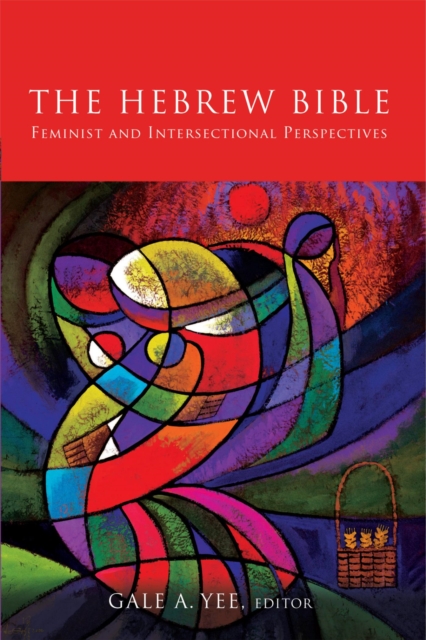
This volume provides an introduction and essays on the four key sections of the Hebrew Scriptures from the perspective of top female biblical scholars:Part One: Torah/PentateuchPart Two: Deuteronomistic History (Joshua–2 Kings)Part Three: Prophets and ProphecyPart Four: Writings and the Book of DanielThis volume highlights key issues in the Hebrew Scriptures from the perspective of top female biblical scholars.
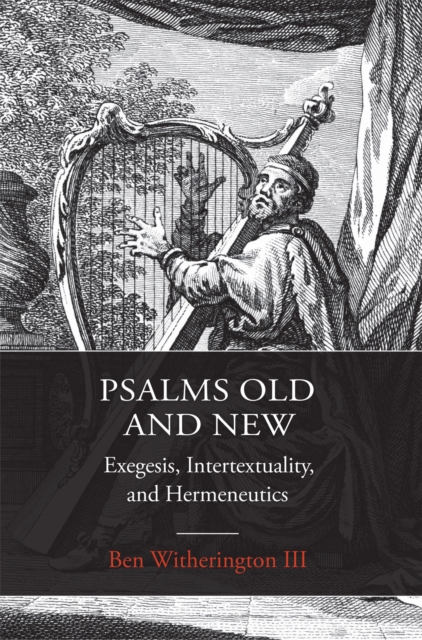
Reading the Book of Psalms in its original context is the crucial prerequisite for reading its citation and use in later interpretation, including the New Testament writings, argues Ben Witherington III.
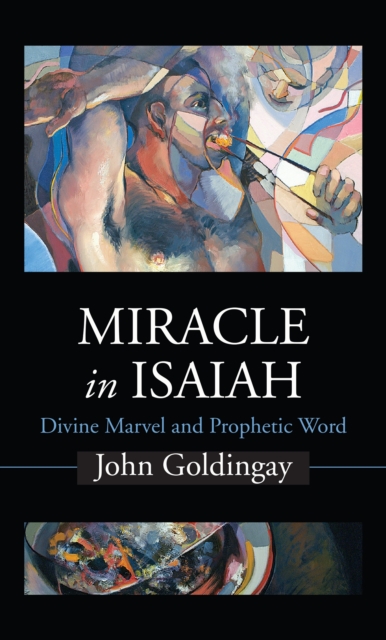
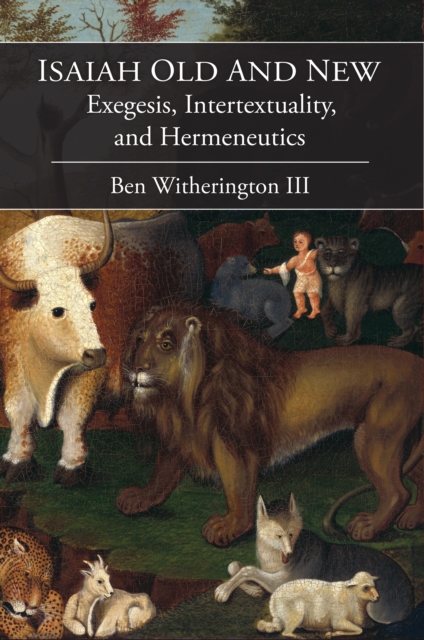
Reading the Book of Isaiah in its original context is the crucial prerequisite for reading its citation and use in later interpretation, including the New Testament writings, argues Ben Witherington III.
Biblical studies and the teaching of biblical studies are clearly changing, though it is less clear what the changes mean and how we should evaluate them.
This concise commentary on the Apocrypha, excerpted from the Fortress Commentary on the Bible: The Old Testament and Apocrypha, engages readers in the work of biblical interpretation.
This commentary on wisdom, worship, and poetry, excerpted from the Fortress Commentary on the Bible: The Old Testament and Apocrypha, engages readers in the work of biblical interpretation.
This commentary on the Historical Writings, excerpted from the Fortress Commentary on the Bible: The Old Testament and Apocrypha, engages readers in the work of biblical interpretation.
This commentary on the Pentateuch, excerpted from the Fortress Commentary on the Bible: The Old Testament and Apocrypha, engages readers in the work of biblical interpretation.
Convinced that we no longer have immediate access to the sense of Jesus’ words but must account for the history of its “effects,” David Clark seeks to trace the meaning of the Lord’s Prayer through the early centuries of the faith.