This book is dedicated to an analysis of the writings of modern religious Jewish thinkers who adopted a neo-fundamentalist, illusionary, apologetic approach, opposing the notion that there may sometimes be a contradiction between reason and revelation.
This book is dedicated to an analysis of the writings of modern religious Jewish thinkers who adopted a neo-fundamentalist, illusionary, apologetic approach, opposing the notion that there may sometimes be a contradiction between reason and revelation.
The present book is a sequel to Ephraim Chamiel's two previous works The Middle Way and The Dual Truth-studies dedicated to the "e;middle"e; trend in modern Jewish thought, that is, those positions that sought to combine tradition and modernity, and offered a variety of approaches for contending with the tension between science and revelation and between reason and religion.
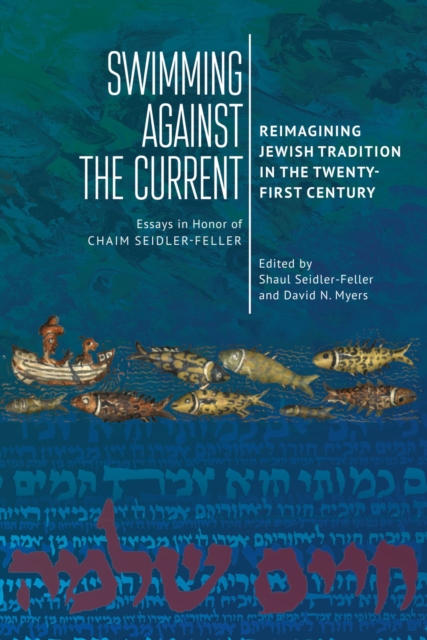
Swimming against the Current comprises a collection of essays celebrating the career and achievements of Rabbi Chaim Seidler-Feller, who served as Executive Director of Hillel at UCLA for forty years and continues to be an influential leader in the Los Angeles and wider American Jewish community.
Coherent Judaism begins by excavating the theologies within the Torah and tracing their careers through the Jewish Enlightenment of the eighteenth century.
Coherent Judaism begins by excavating the theologies within the Torah and tracing their careers through the Jewish Enlightenment of the eighteenth century.
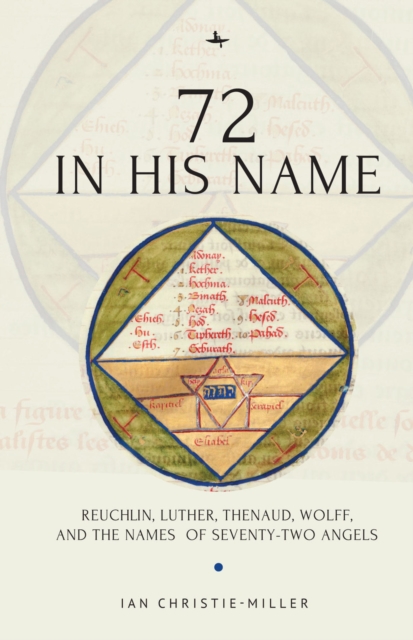
Leading figures at the dawn of the sixteenth-century Reformation commonly faced the charge of "e;judaizing"e;: 72 In His Name concerns the changing views of four such men starting with their kabbalistic treatment of the 72 divine names of angels.
Topics discussed in this volume include different types of structure in Talmudic texts from a literary point of view; the study of the Aramaic language utilized in the Bible and the Talmud from a linguistic and interpretive perspective; the redaction of sugyot in the Talmud Bavli analyzed from a textual point of view; and matters of halakha and halakhic rules.
That the God of the Hebrew Bible and rabbinic literature, "e;the God of the Jews,"e; is perfectly good is challenged by apparently immoral acts of that God, by contemporary standards, as well as by the classic problem of evil.
"e;A manual for living with defeat"e; -TabletIt is no more possible to think about religion without sin than it is to think about a garden without dirt.
The present book is a sequel to Ephraim Chamiel's two previous works The Middle Way and The Dual Truth-studies dedicated to the "e;middle"e; trend in modern Jewish thought, that is, those positions that sought to combine tradition and modernity, and offered a variety of approaches for contending with the tension between science and revelation and between reason and religion.
One of the most basic questions for any legal system is that of methodology: how one interprets, analyzes, weighs, and applies a mass of often competing legal rules, precedents, practices, customs, and traditions to reach final determinations and practical guidance about the correct legal-prescribed course of action in any given situation.
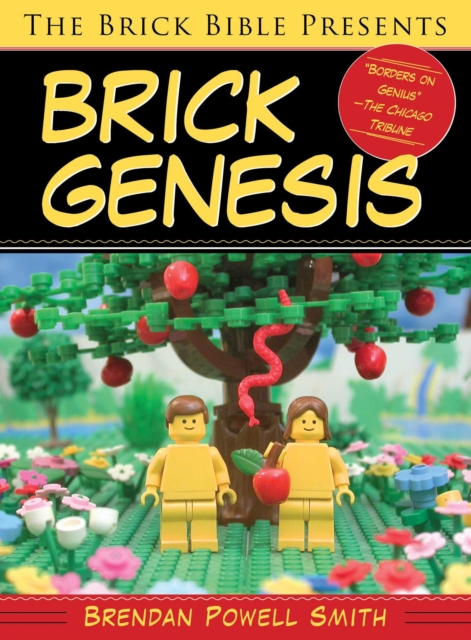
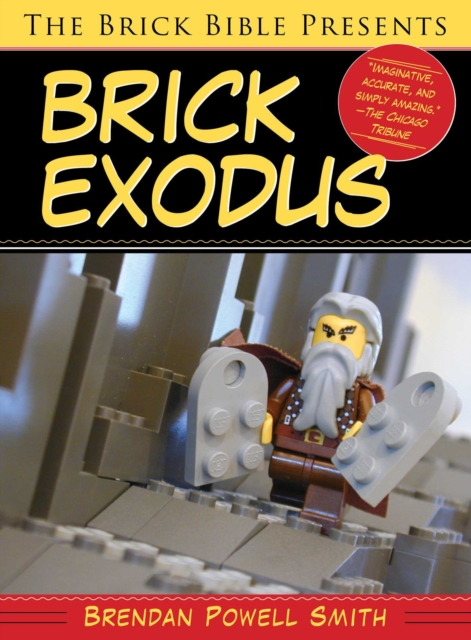
The Brick Bible series, by master LEGO builder, photographer, and storyteller Brendan Powell Smith, has sparked new interest in this important religious text.
Master LEGO builder, photographer, and storyteller Brendan Powell Smith has created new interest in the Bible and its stories his Brick Bible books and website.
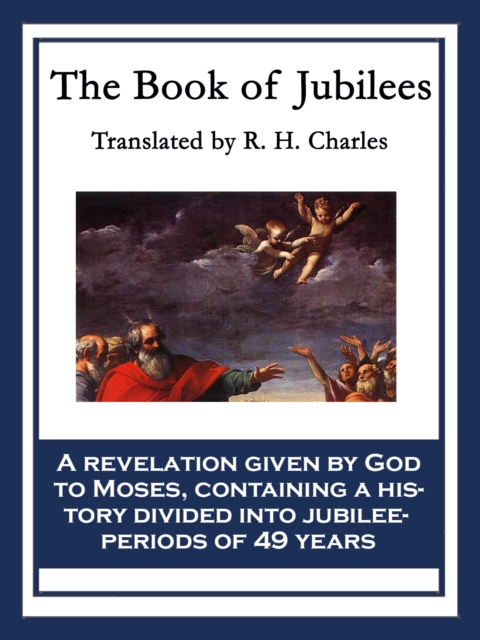
The Book of Jubilees, or, as it is sometimes called, "e;the little Genesis,"e; purports to be a revelation given by God to Moses through the medium of an angel, and containing a history, divided up into jubilee-periods of forty-nine years, from the creation to the coming of Moses.
Practice-oriented educational philosopher Elie Holzer invites readers to grow as teachers, students, or co-learners through "e;attuned learning,"e; a new paradigm of mindfulness.
Both the Babylonian Talmud and the Jerusalem Talmud depict a wide range of sorrowful situations tied to every level of society and to the complexities of human behavior and the human condition.
Justice in the City argues, based on the rabbinic textual tradition, especially the Babylonian Talmud, and utilizing French Jewish philosopher Emmanuel Levinas' framework of interpersonal ethics, that a just city should be a community of obligation.
The Wisdom of Love strives to challenge the discrepancy between the way source texts relate to love and the way they are perceived to do so, introducing readers to the extensive, profound, and significant treatment of love in the Jewish canon.
Maimonides was one of the greatest Jewish personalities of the Middle Ages: a halakhist par excellence, a great philosopher, a political leader of his community, and a guardian of Jewish rights.
Focusing on the concepts of time and the life cycle, this collection of articles examines Jewish life in the Talmudic period through the lens of Jewish law and custom of the time.
The first complete historical and philosophical investigation into the ';invisible fraternity' of the Rosicrucians *; Contains the latest research on the origins of the Rosicrucian movement *; Presents the ties between Rosicrucianism, Freemasonry, and the Templars *; Written by a ';perfected' Knight of the Rose Croix and the Pelican (18th degree, Ancient and Accepted Rite) For nearly 400 years, incredible myths and stories have been woven around the ';invisible' Brothers of the Rose Cross, the Rosicrucians.
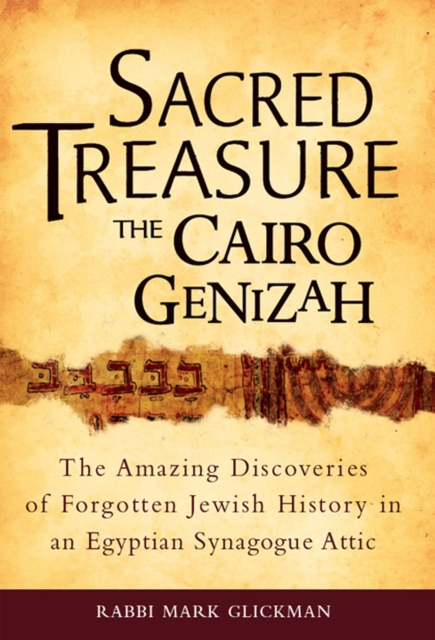
Indiana Jones meets The Da Vinci Code in an old Egyptian synagogue-the amazing story of one of the most important discoveries in modern religious scholarship.
The authors reached back into history to understand the reasons and methods brilliant rabbis and Talmudic scholars abandoned the Holy Land, both physically and spiritually, to settle in what came to be known as the lands of the Diaspora.
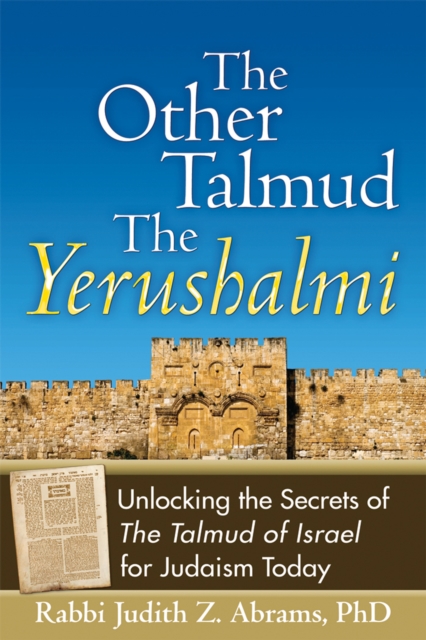
Based on an understanding of scholasticism as a cross-cultural phenomenon, undertaken by rabbinic, Graeco-Roman, and Christian scholars in late antiquity, this book examines the development of Palestinian rabbinic compilations from social-historical and literary-historical perspectives.
Meister Eckhart, a now-popular medieval German mystic, provides the contemporary person with a way of living that centers on nothing but God in everyday life.