The Second Temple period is an era that marked a virtual explosion in the world of literature, with the creation, redaction, interpretation, and transmission of Jewish texts that represented diverse languages and ideologies.
Gershon Brin examines the development of biblical law, suggesting that it may be due to different authors with different legal outlooks, or that the differing policies were required in response to different social needs, etc.
In the course of a long and noteworthy career, Dr Andrew Macintosh has trained a large number of students in the language and literature of the Hebrew Bible/Old Testament.
The sixth and fifth centuries BCE were a time of constant re-identifications within Judean communities, both in exile and in the land; it was a time when Babylonian exilic ideologies captured a central position in Judean (Jewish) history and literature at the expense of silencing the voices of any other Judean communities.
The Body As Property indicates that physical disfigurement functioned in biblical law to verify legal property acquisition, when changes in the status of dependents were formalized.
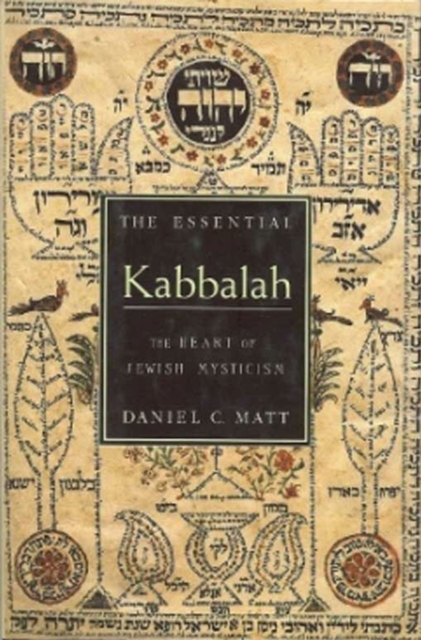
A subject of perennial study and the focus of a recent surge of popular interest, Kabbalah is an ancient Jewish doctrine of esoteric knowledge concerning God, creation, and nature.
This is the first of a two-volume bible commentary covering the Psalms and examining the role of these biblical poems throughout Jewish and Christian history.
In Reasoning After Revelation: Dialogues in Postmodern Jewish Philosophy, three preeminent Jewish scholars debate the form and meaning of Postmodern Jewish Philosophy after the failures of the great secular ideologies of modern western civilization.
In this thought-provoking book, David Weiss Halivni asserts that the act of acknowledging and accounting for inconsistencies in the Pentateuchal text is not alien to the Biblical or Rabbinic tradition and need not belie the tradition of revelation.
In Reasoning After Revelation: Dialogues in Postmodern Jewish Philosophy, three preeminent Jewish scholars debate the form and meaning of Postmodern Jewish Philosophy after the failures of the great secular ideologies of modern western civilization.
In this thought-provoking book, David Weiss Halivni asserts that the act of acknowledging and accounting for inconsistencies in the Pentateuchal text is not alien to the Biblical or Rabbinic tradition and need not belie the tradition of revelation.
This rewarding work is the product of sustained observation of and reflection on phenomena arising out of three broad topics in the field of analytical psychology.
This rewarding work is the product of sustained observation of and reflection on phenomena arising out of three broad topics in the field of analytical psychology.
Studying the many ideas about how giving charity atones for sin and other rewards in late antique rabbinic literature, this volume contains many, varied, and even conflicting ideas, as the multiplicity must be recognized and allowed expression.
Studying the many ideas about how giving charity atones for sin and other rewards in late antique rabbinic literature, this volume contains many, varied, and even conflicting ideas, as the multiplicity must be recognized and allowed expression.
Since the nineteenth-century rediscovery of the Gilgamesh epic, we have known that the Bible imports narratives from outside of Israelite culture, refiguring them for its own audience.
Since the nineteenth-century rediscovery of the Gilgamesh epic, we have known that the Bible imports narratives from outside of Israelite culture, refiguring them for its own audience.
The Bible, Homer, and the Search for Meaning in Ancient Myths explores and compares the most influential sets of divine myths in Western culture: the Homeric pantheon and Yahweh, the God of the Old Testament.
The Bible, Homer, and the Search for Meaning in Ancient Myths explores and compares the most influential sets of divine myths in Western culture: the Homeric pantheon and Yahweh, the God of the Old Testament.
Jeremiah in History and Tradition examines aspects of the Book of Jeremiah from a variety of perspectives including historical, textual, redaction, and feminist criticism, as well as the history of its reception.
Jeremiah in History and Tradition examines aspects of the Book of Jeremiah from a variety of perspectives including historical, textual, redaction, and feminist criticism, as well as the history of its reception.
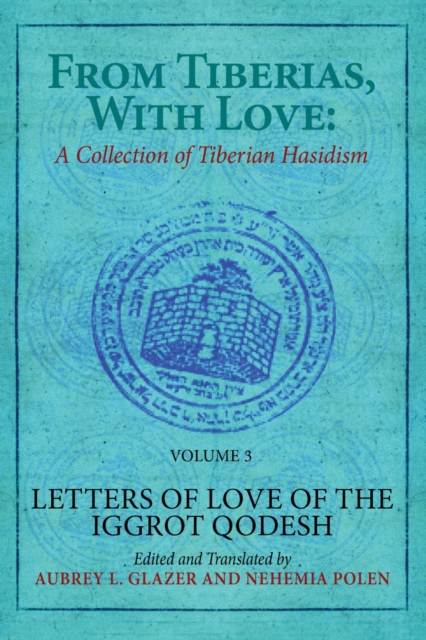
From Tiberias With Love is a journey to rediscovering the magic and mystery, the intimacy and depth of a lost moment in the history of a remarkably relevant conscious community in the Galilee that still has much to teach us.
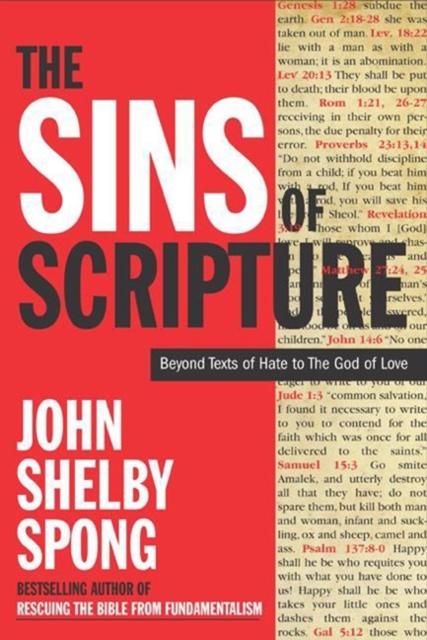
USA Today bestsellerPublishers Weekly bestsellerWall Street Journal bestseller Many people today think the Bible, the most influential book in world history, is not only outdated but irrelevant, irrational, and even immoral.
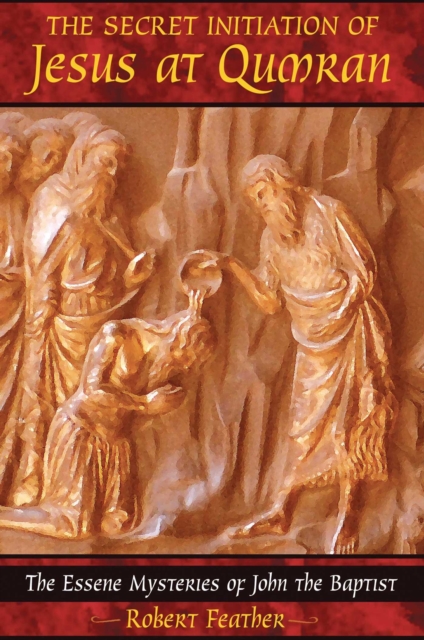
An examination of the early, mysterious Essene community at Qumran that links it with John the Baptist, Jesus, and the beginnings of Christianity*; Offers an eyewitness account of the final burial place of John the Baptist*; Makes the case that Christianity grew out of a form of monotheism first formulated by the Egyptian pharaoh Akhenaten*; Includes physical and photographic evidence never before publishedIn his earlier book The Mystery of the Copper Scroll of Qumran, Robert Feather analyzed the Dead Sea Scroll engraved on copper that is considered the work of the secretive, devout Jewish sect known as the Essenes, who lived at Qumran around the time of Jesus.
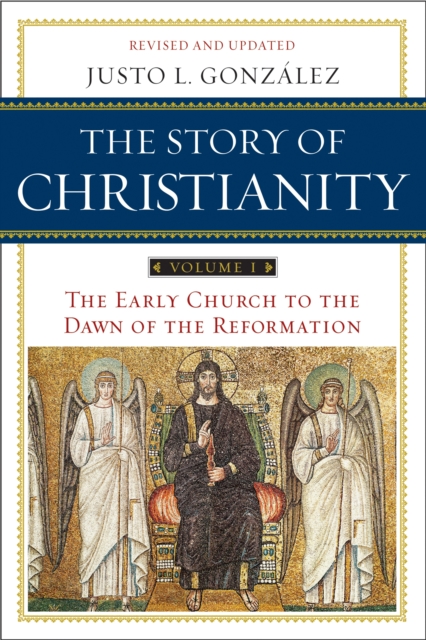
In this fully revised and updated edition, the lauded church historian Justo Gonzlez tells the story of Christianity from its fragile infancy to its pervasive dominance at the dawn of the Protestant Reformation.
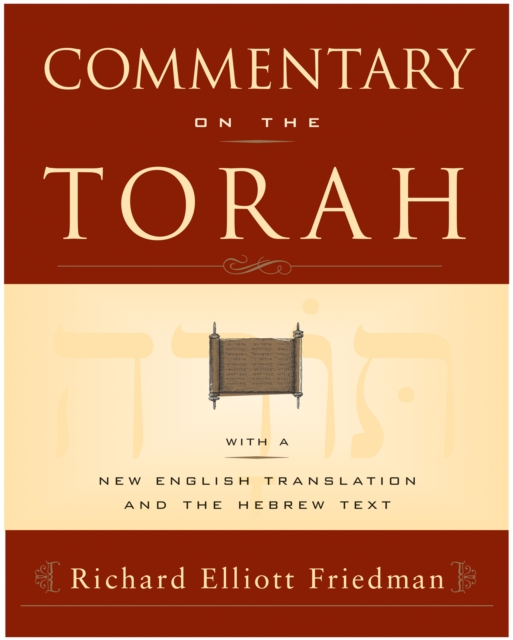
In this groundbreaking and insightful new commentary, one of the world's leading biblical scholars unveils the unity and continuity of the Torah for the modern reader.
A translation of the Kabbalah for the layperson includes a compact presentation of each primary text and features a practical analysis and vital historical information that offer insight into the various aspects of Jewish mysticism.
As he did so brilliantly in his bestselling book, jewish literacy,Joseph Teluslikin once again mines a subject of, Jewish history and religion so richly that his book becomes an inspiring companion and a fundamental reference.
When world-class biblical scholar Bart Ehrman first began to study the texts of the Bible in their original languages he was startled to discover the multitude of mistakes and intentional alterations that had been made by earlier translators.
The life and times of an enduring work of Jewish spiritualityThe Babylonian Talmud, a postbiblical Jewish text that is part scripture and part commentary, is an unlikely bestseller.
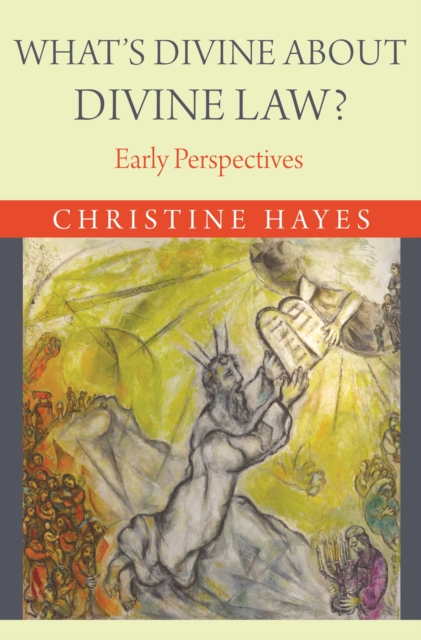
How ancient thinkers grappled with competing conceptions of divine lawIn the thousand years before the rise of Islam, two radically diverse conceptions of what it means to say that a law is divine confronted one another with a force that reverberates to the present.
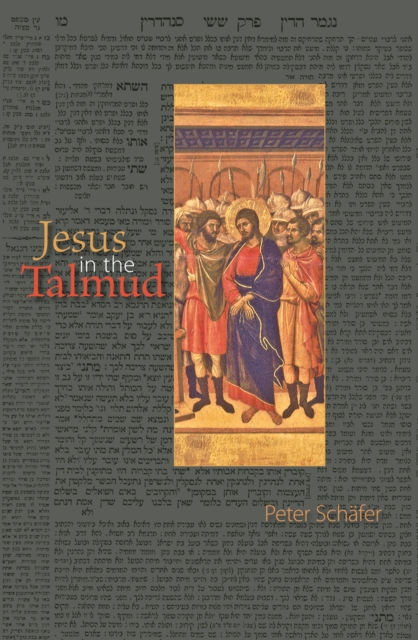
Scattered throughout the Talmud, the founding document of rabbinic Judaism in late antiquity, can be found quite a few references to Jesus--and they're not flattering.