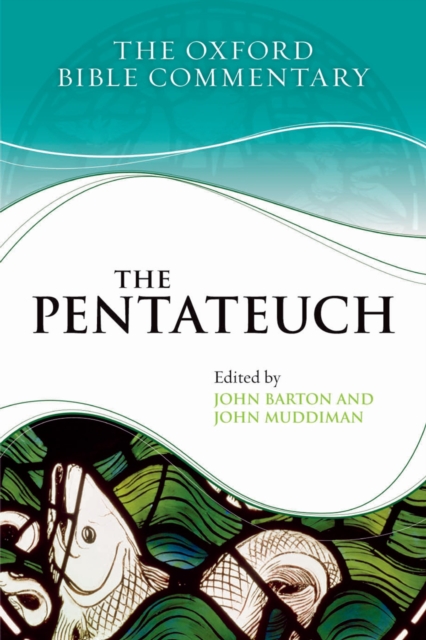
The Oxford Bible Commentary is a Bible study and reference work for 21st century students and readers that can be read with any modern translation of the Bible.
The Oxford Bible Commentary is a Bible study and reference work for 21st century students and readers that can be read with any modern translation of the Bible.
Samuel stands out in many important biblical texts as the figure who facilitated ancient Israel's transition from a tribal league to a monarchic state.
The Oxford Bible Commentary is a Bible study and reference work for 21st century students and readers that can be read with any modern translation of the Bible.
Judaic Sources and Western Thought: Jerusalem's Enduring Presence explores the significance and enduring relevance of Judaic roots and sources of important European and Western moral and political ideas and ideals.
Among the most challenging biblical figures to understand is Jeroboam son of Nebat, the first monarch of northern Israel whose story is told in 1 Kings 11-14.
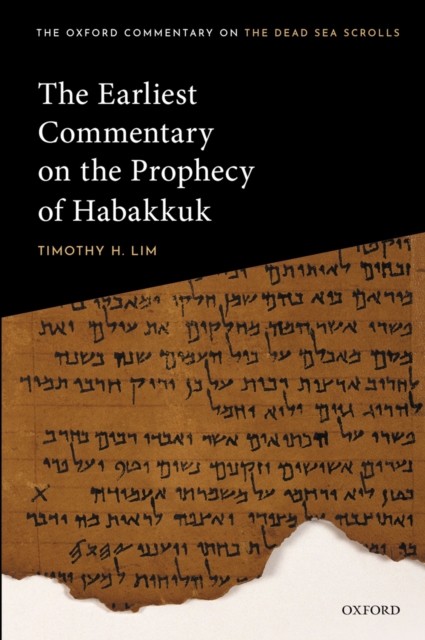
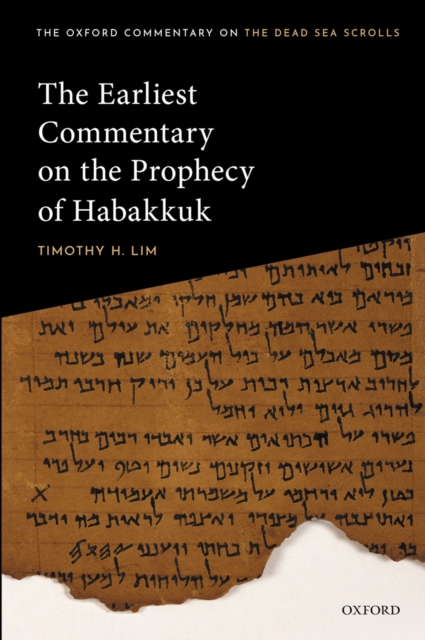
Ever since the discovery of the Dead Sea Scrolls in caves near the site of Qumran in 1947, this mysterious cache of manuscripts has been associated with the Essenes, a 'sect' configured as marginal and isolated.
The Oxford Bible Commentary is a Bible study and reference work for 21st century students and readers that can be read with any modern translation of the Bible.
Scriptural Exegesis gathers voices from an international community of scholars to consider the many facets of the history of biblical interpretation and to question how exegesis shapes spiritual and cultural creativity.
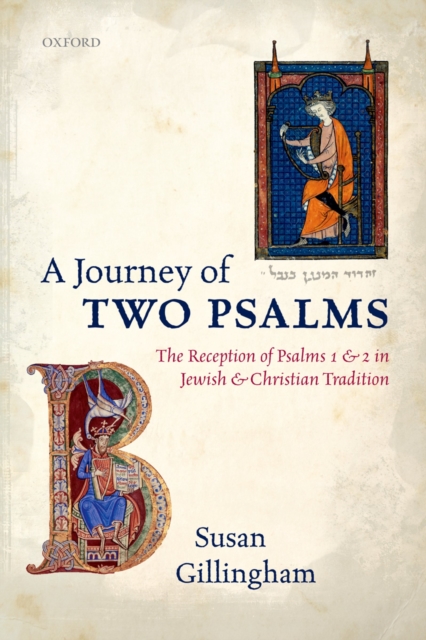
For two-and-a-half millennia these two psalms have been commented on, translated, painted, set to music, employed in worship, and adapted in literature, often being used disputatiously by Jews and Christians alike.
Elisha's Profile in the Book of Kings uses the tools of literary criticism to read the Elisha narrative as an integral component of the Deuteronomistic History compiled in the aftermath of the Babylonian invasion and destruction of Jerusalem in 586 BCE.
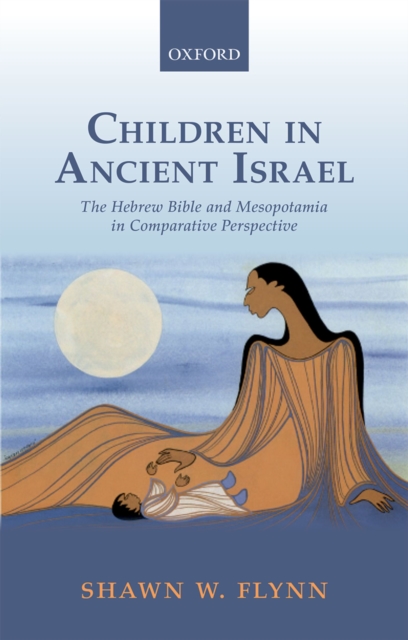
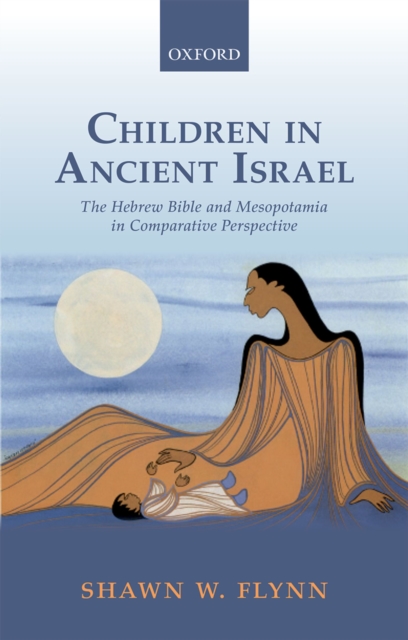
Flynn contributes to the emerging field of childhood studies in the Hebrew Bible by isolating stages of a child's life, and through a comparative perspective, studies the place of children in the domestic cult and their relationship to the deity in that cult.
Flynn contributes to the emerging field of childhood studies in the Hebrew Bible by isolating stages of a child's life, and through a comparative perspective, studies the place of children in the domestic cult and their relationship to the deity in that cult.
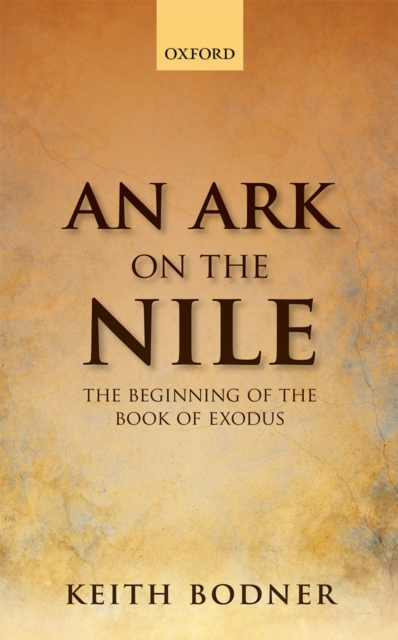
The opening sector of the book of Exodus is a powerful narrative and a striking example of the artistic qualities of the Pentateuch, a facet of the text that occasionally is neglected in high-level scholarship.
The opening sector of the book of Exodus is a powerful narrative and a striking example of the artistic qualities of the Pentateuch, a facet of the text that occasionally is neglected in high-level scholarship.
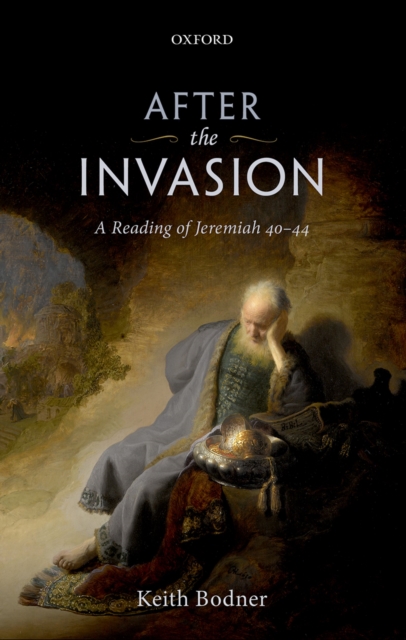
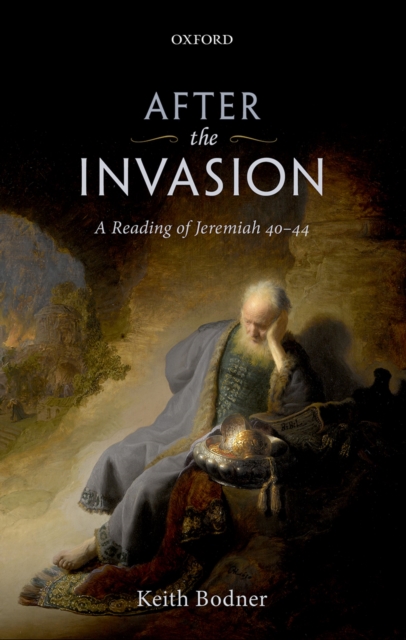
In the wake of the Babylonian destruction of Jerusalem and the displacement of exile, there is a unique story that is told about the remnant left behind after the invasion.
In the wake of the Babylonian destruction of Jerusalem and the displacement of exile, there is a unique story that is told about the remnant left behind after the invasion.
Among the most challenging biblical figures to understand is Jeroboam son of Nebat, the first monarch of northern Israel whose story is told in 1 Kings 11-14.
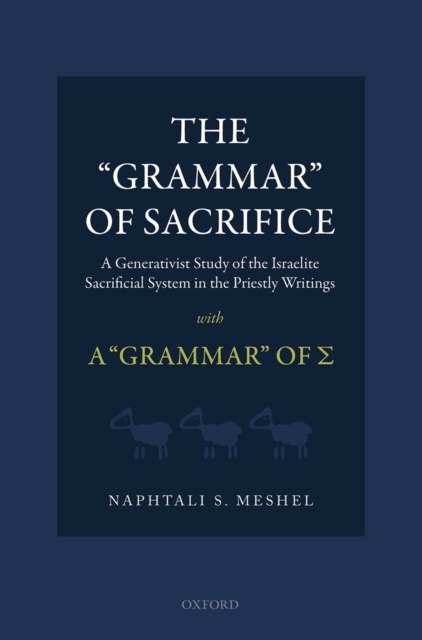
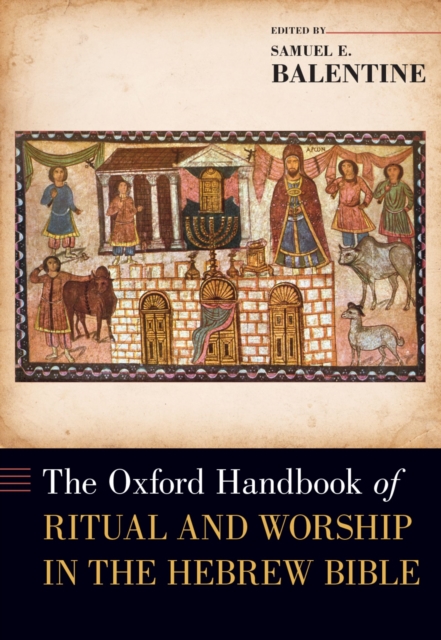
The notion that rituals, like natural languages, are governed by implicit, rigorous rules led scholars in the last century, harking back to the early Indian grammarian Patanjali, to speak of a "e;grammar"e;, or "e;syntax"e;, of ritual, particularly sacrificial ritual.
In Deuteronomy and the Judaean Diaspora Ernest Nicholson challenges the widely accepted view that Deuteronomy was the 'book of the law' described in 2 Kings 22-3 as the basis of king Josiah's cultic reformation in 621 BCE.
This book proposes a methodological framework for an ethical reading of Old Testament narrative and demonstrates its benefits and validity by providing an exemplary reading of the story of Josiah in Kings.
Ritual has a primal connection to the idea that a transcendent order - numinous and mysterious, supranatural and elusive, divine and wholly other - gives meaning and purpose to life.
Outside of the Bible, all of the known Near Eastern law collections were produced in the third to second millennia BCE, in cuneiform on clay tablets, and in major cities in Mesopotamia and in the Hittite Empire.