The Latter Prophets--Isaiah, Jeremiah, Ezekiel, and the Book of the Twelve--comprise a fascinating collection of prophetic oracles, narratives, and vision reports from ancient Israel and Judah.
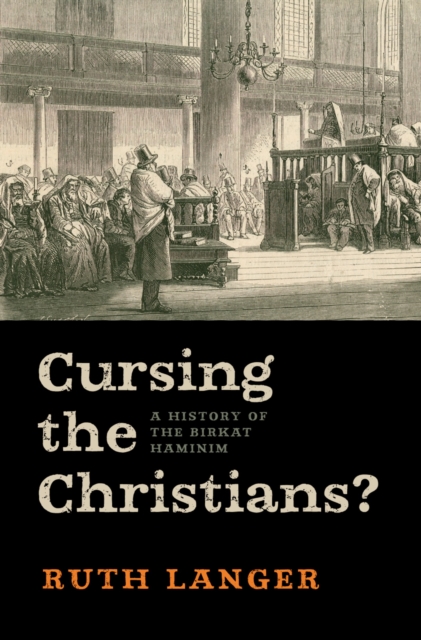
Ruth Langer offers an in-depth study of the birkat haminim, a Jewish prayer for the removal of those categories of human being who prevent the messianic redemption and the society envisioned for it.
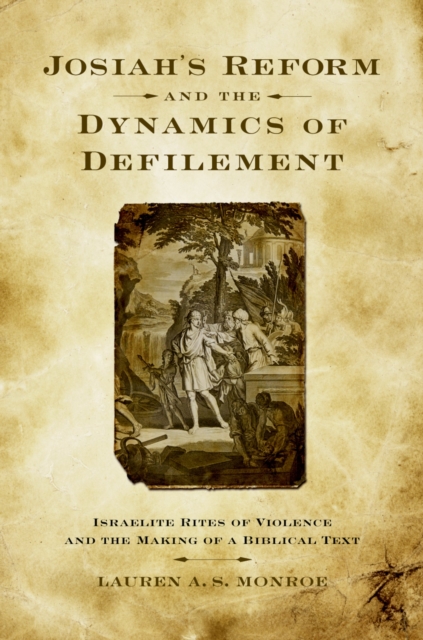
Lauren Monroe argues that the use of cultic and ritual language in the account of the Judean King Josiah's reforms in 2 Kings 22-23 is key to understanding the history of the text's composition, and illuminates the essential, interrelated processes of textual growth and identity construction in ancient Israel.
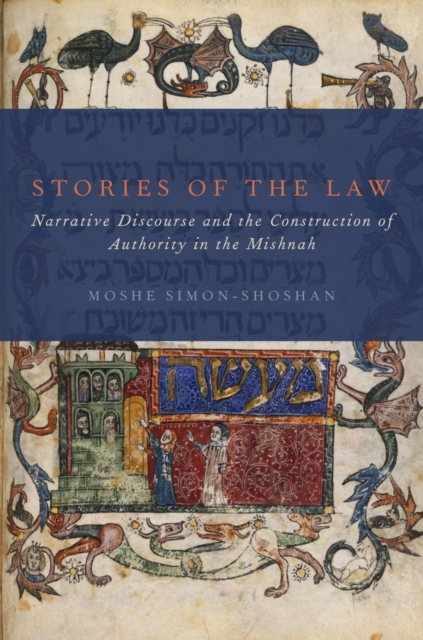
Winner of Honorable Mention in the Jordan Schnitzer Book Awards of the Association for Jewish StudiesMoshe Simon-Shoshan offers a groundbreaking study of Jewish law (halakhah) and rabbinic story-telling.
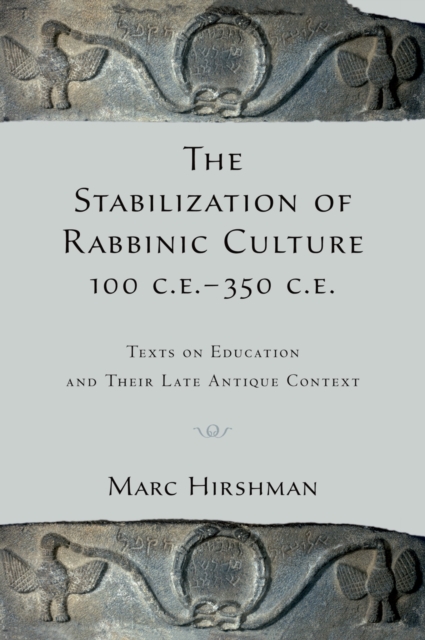
Drawing on the great progress in Talmudic scholarship over the last century, The Stabilization of Rabbinic Culture is both an introduction to a close reading of rabbinic literature and a demonstration of the development of rabbinic thought on education in the first centuries of the Common Era.
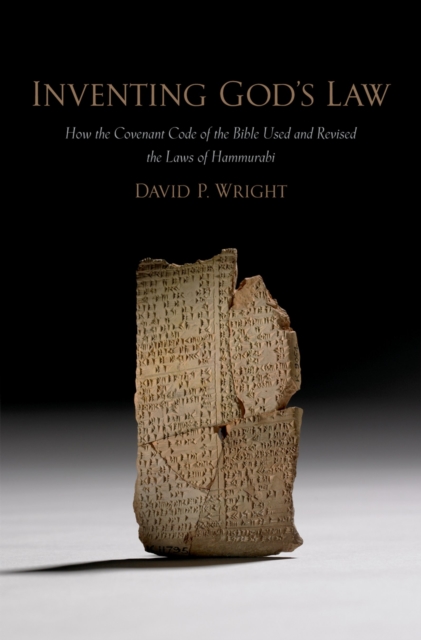
Most scholars believe that the numerous similarities between the Covenant Code (Exodus 20:23-23:19) and Mesopotamian law collections, especially the Laws of Hammurabi, which date to around 1750 BCE, are due to oral tradition that extended from the second to the first millennium.
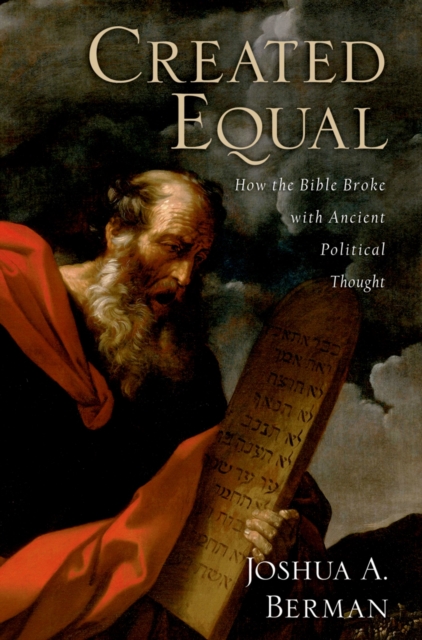
In Created Equal, Joshua Berman engages the text of the Hebrew Bible from a novel perspective, considering it as a document of social and political thought.
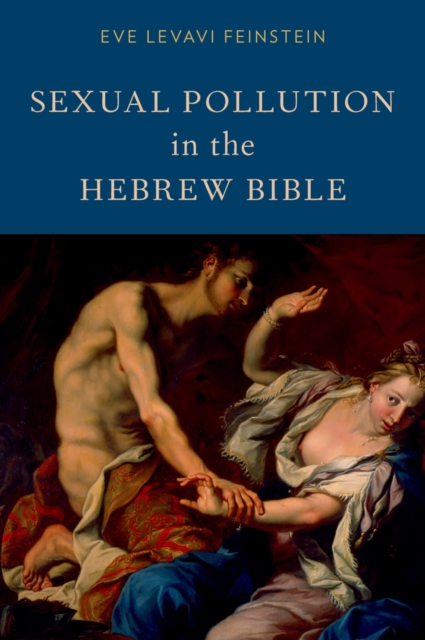
The concepts of purity and pollution are fundamental to the worldview reflected in the Hebrew Bible, yet the ways biblical texts apply these concepts to sexual relationships remain largely overlooked.
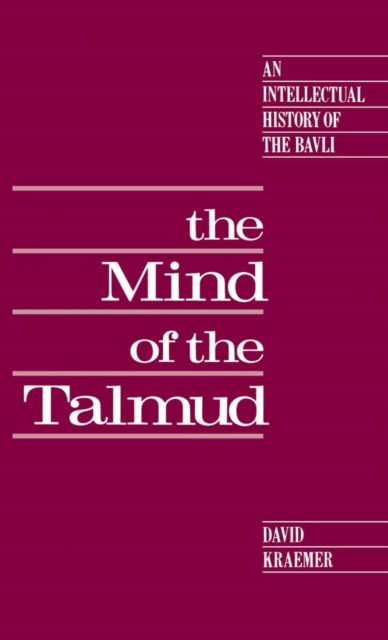
This critical study traces the development of the literary forms and conventions of the Babylonian Talmud, or Bavli, analyzing those forms as expressions of emergent rabbinic ideology.
Wisdom Mind is a scientifically tested mindfulness program for older adults - those who are cognitively healthy, as well as those who may be experiencing what is referred to as subjective cognitive decline.
Wisdom Mind is a scientifically tested mindfulness program for older adults - those who are cognitively healthy, as well as those who may be experiencing what is referred to as subjective cognitive decline.
Seth Whitaker argues that the Psalm texts function as the structural and theological backbone of Hebrews from start to finish, and that few scholars have examined the use of Psalms outside of quotations or connected the author of Hebrews' use of Psalms with his broader eschatological outlook.
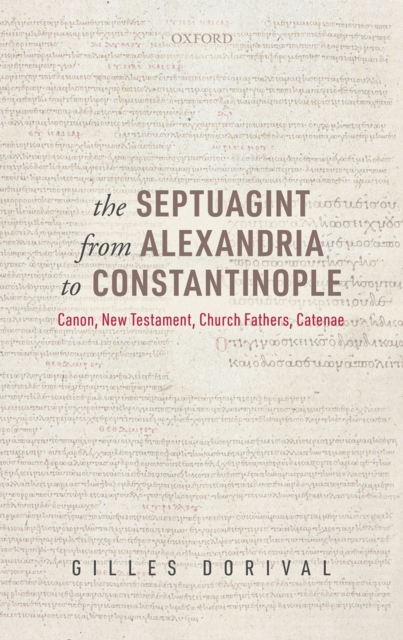
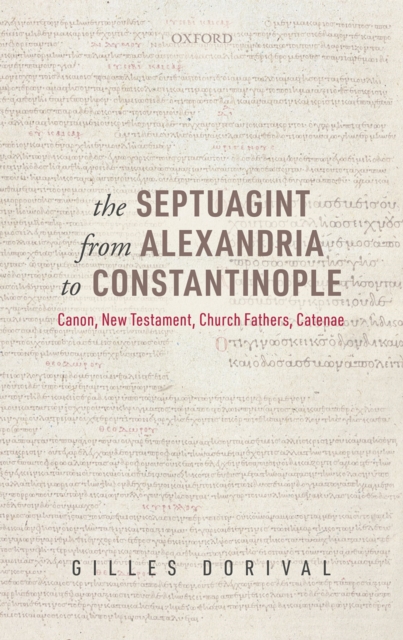
The Hebrew Torah was translated into Greek in Alexandria by Jewish scholars in the third century BCE, and other 'biblical' books followed to form the so-called Septuagint.
The Hebrew Torah was translated into Greek in Alexandria by Jewish scholars in the third century BCE, and other 'biblical' books followed to form the so-called Septuagint.
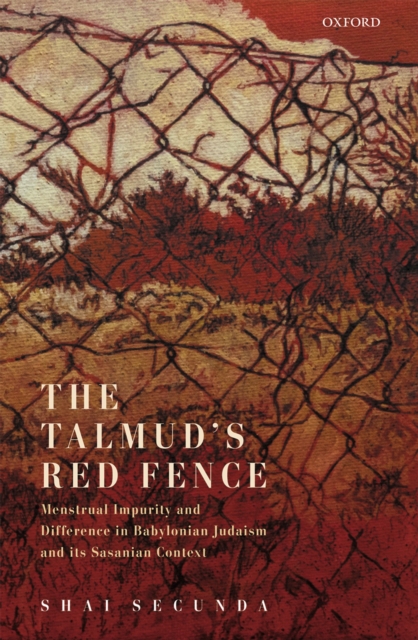
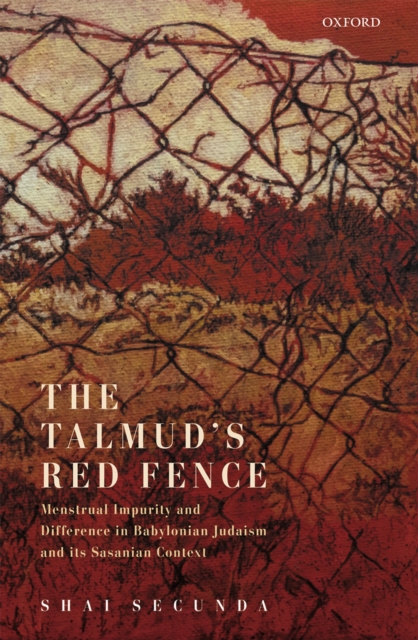
The Talmud's Red Fence explores how rituals and beliefs concerning menstruation in the Babylonian Talmud and neighboring Sasanian religious texts were animated by difference and differentiation.
The Talmud's Red Fence explores how rituals and beliefs concerning menstruation in the Babylonian Talmud and neighboring Sasanian religious texts were animated by difference and differentiation.
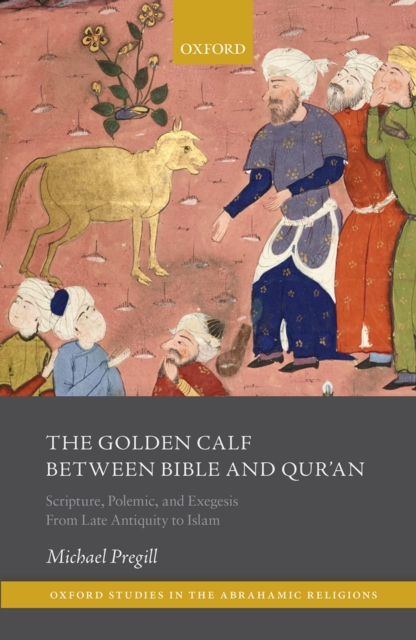
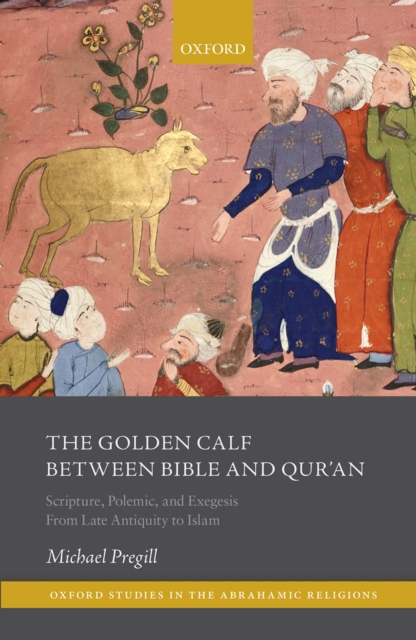
This book explores the story of the Israelites' worship of the Golden Calf in its Jewish, Christian, and Muslim contexts, from ancient Israel to the emergence of Islam.
This book explores the story of the Israelites' worship of the Golden Calf in its Jewish, Christian, and Muslim contexts, from ancient Israel to the emergence of Islam.
Samuel Lebens takes the three principles of Jewish faith, as proposed by Rabbi Joseph Albo (1380-1444), in order to scrutinize and refine them with the toolkit of contemporary analytic philosophy.
Samuel Lebens takes the three principles of Jewish faith, as proposed by Rabbi Joseph Albo (1380-1444), in order to scrutinize and refine them with the toolkit of contemporary analytic philosophy.
The Psalms have resulted in controversies between Jews and Christians over the centuries and it is only from the mid twentieth century onwards that the two traditions have worked side by side in the academy at least.