Becoming a Mensch is a "e;user's guide"e; to becoming a better person, taking readers through a process of personal growth by means of modern-day vignettes that draw upon the Talmud's ancient wisdom.
How could the Apostle Paul maintain in his first letter to the Christians in Corinth that all their ancestors were baptized into Moses at the Red Sea / exodus event (10:2), and how could he tolerate some of them having themselves baptized again on behalf of the dead (15:29)?
This collection of essays and thoughts covers such areas as basic Christian thought, which includes traditional family morality and a great concern for alleviating poverty and promoting social justice, political thought comparing the need for a system which includes both socialist and capitalist elements, and the need for values in our society, which has come to emphasize money, power, and greed as philosophical goals and values, though they are not.
Before the Arabo-Muslim conquest of 698, the Jews lived peacefully in North Africa with the other inhabitants of the region, except for a few brief periods of Roman and Byzantine rules.
The companion to Volume 2 of The New Church's Teaching Series, Roger Ferlo's Opening the Bible, Michael Johnston's Engaging the Word teaches us how to use the critical and practical tools for reading the Bible described by Ferlo to interpret the Hebrew and Christian scriptures: what did they mean for their original audience and what do they mean for us today?
In this unprecedented masterwork, The Scholar's Haggadah: Ashkenazic, Sephardic, and Oriental Versions, Heinrich Guggenheimer presents the first Haggadah to treat the texts of all Jewish groups on an equal footing and to use their divergences and concurrences as a key to the history of the text and an understanding of its development.
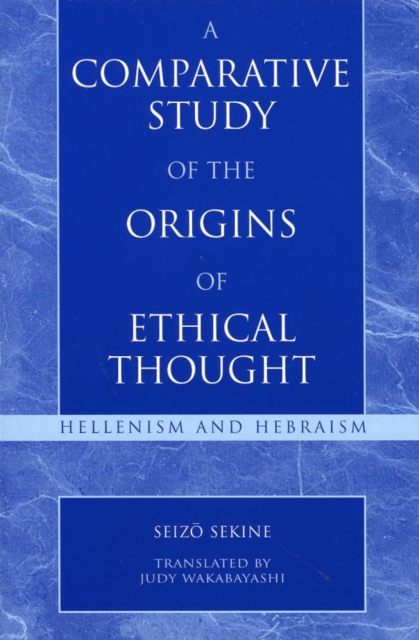
The Origins of Ethical Thought: A Comparative Study Between Hellenism and Hebraism is the first text to analyze both Greek and Hebrew ethical thought based on a comprehensive and ideological interpretation of the two systems on their own and in relation to one another.
In this timely and highly readable volume, Old Testament scholar William Holladay introduces the reader to the several ways in which Isaiah speaks, from ancient Jewish readings of the text, to Handel's lyrical use of it in his oratorio, Messiah, to the Christian community who has heard it foretelling the life and death of Jesus Christ.
In this unprecedented masterwork, The Scholar's Haggadah: Ashkenazic, Sephardic, and Oriental Versions, Heinrich Guggenheimer presents the first Haggadah to treat the texts of all Jewish groups on an equal footing and to use their divergences and concurrences as a key to the history of the text and an understanding of its development.
The Origins of Ethical Thought: A Comparative Study Between Hellenism and Hebraism is the first text to analyze both Greek and Hebrew ethical thought based on a comprehensive and ideological interpretation of the two systems on their own and in relation to one another.
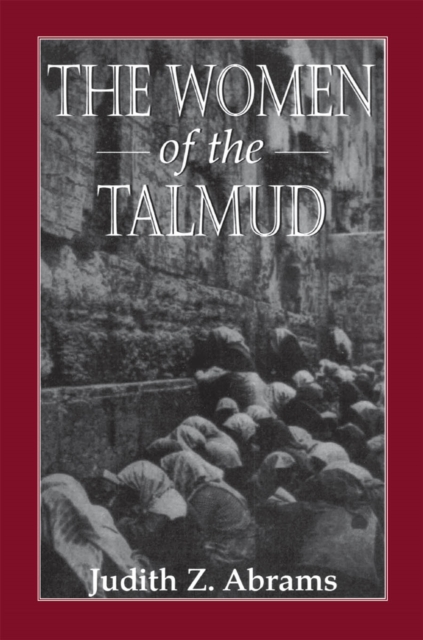
In this unique volume Judith Abrams, author of the highly regarded series The Talmud for Beginners, examines the episodes recorded in rabbinic literature that suggest the actions of the women of those times.
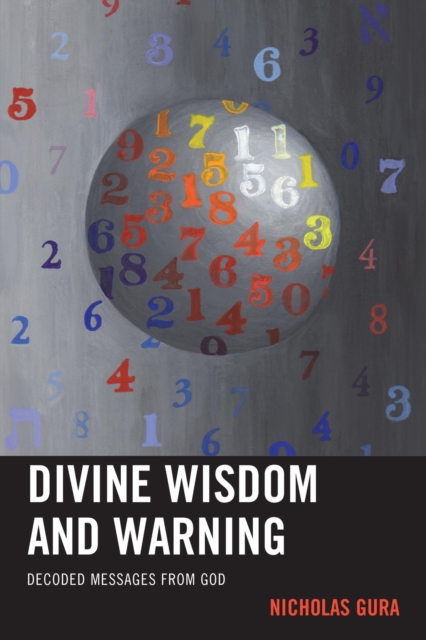
Just as in his previous volume, The Secrets of Hebrew Words, Rabbi Blech brings readers into the fascinating world of gematria (the reckoning of numbers) and acronyms to uncover the vast profundity hidden in everyday Hebrew language.
The companion to Volume 2 of The New Church's Teaching Series, Roger Ferlo's Opening the Bible, Michael Johnston's Engaging the Word teaches us how to use the critical and practical tools for reading the Bible described by Ferlo to interpret the Hebrew and Christian scriptures: what did they mean for their original audience and what do they mean for us today?
From disagreement over an Islamic Center in New York to clashes between Christians and Muslims in Egypt, tension between the three Abrahamic faiths often runs high.
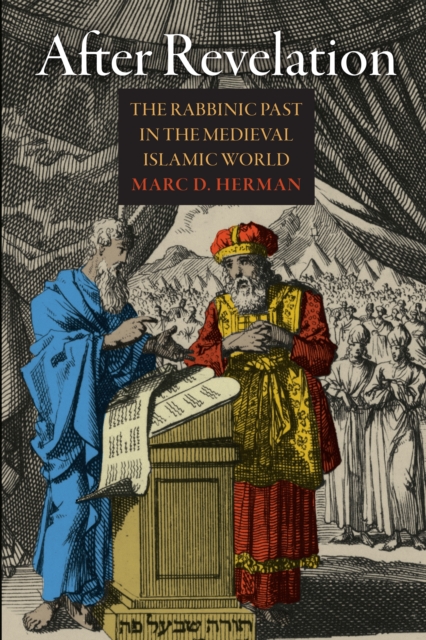
Reveals how medieval Jews developed religious law through contact with their Muslim neighborsAfter Revelation offers a dynamic new perspective on medieval Jewish legal thought and its integration in the wider Islamic world.
The Talmud chronicles the early development of rabbinic Judaism through the writings and commentaries of the rabbis whose teachings form its foundation.
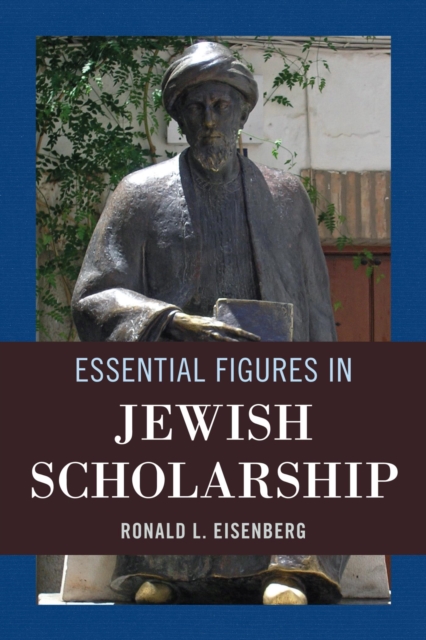
Despite the fact that scholars of the post-Talmudic era have been of great importance to the continued interpretation of religious texts for more than a millennium, they are typically not given as much attention as their Talmudic-era predecessors.
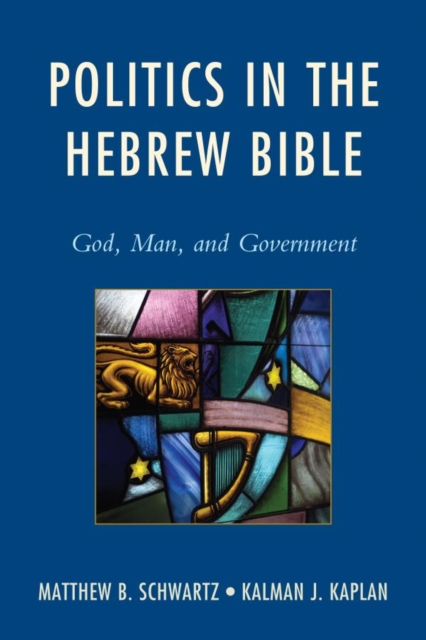
We live in an age when it is not uncommon for politicians to invoke religious doctrine to explain their beliefs and positions on everything from domestic to foreign policy.
The Talmud chronicles the early development of rabbinic Judaism through the writings and commentaries of the rabbis whose teachings form its foundation.
How could the Apostle Paul maintain in his first letter to the Christians in Corinth that all their ancestors were baptized into Moses at the Red Sea / exodus event (10:2), and how could he tolerate some of them having themselves baptized again on behalf of the dead (15:29)?
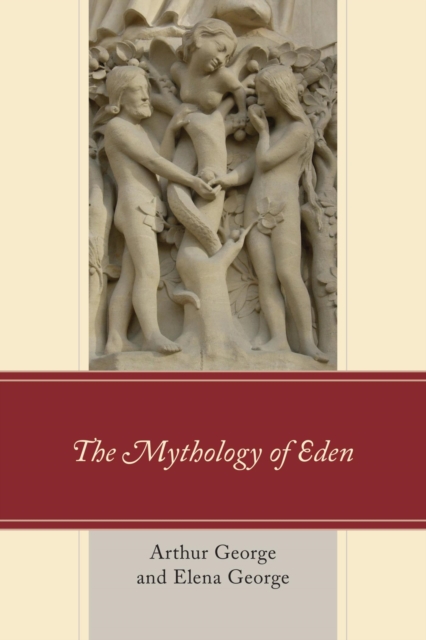
The biblical story of Adam and Eve in the Garden of Eden is a cornerstone of Western civilization, yet there are still many mysteries concerning its origins and meaning.
This collection of essays and thoughts covers such areas as basic Christian thought, which includes traditional family morality and a great concern for alleviating poverty and promoting social justice, political thought comparing the need for a system which includes both socialist and capitalist elements, and the need for values in our society, which has come to emphasize money, power, and greed as philosophical goals and values, though they are not.
The central proposition of God's Prescription for Mental Health and Religion is that the highway to mental health of individuals and of society is God's prescription of selfless devotion and service to others.