This title explores why Christians have different ways of looking at time, at how the life of the church is ordered and organized by days, weeks, seasons, and years.
The Texts @ Contexts series gathers scholarly voices from diverse contexts and social locations to bring new or unfamiliar facets of biblical texts to light.
1 Enoch was an important and popular text in ancient Judaism, well attested among the manuscripts at Qumran, and a key piece of the puzzle of the development of early Judaism and Christian origins.
What difference would it make for Old Testament theology if we turned our attention from the more dramatic, forceful "e;mighty acts of God"e; to the more subdued, but more realistic themes of later writings in the Hebrew Bible?
Melvin traces the emergence and development of the motif of angelic interpretation of visions from late prophetic literature (Ezekiel 4048; Zechariah 16) into early apocalyptic literature (1 Enoch 1736; 7282; Daniel 78).
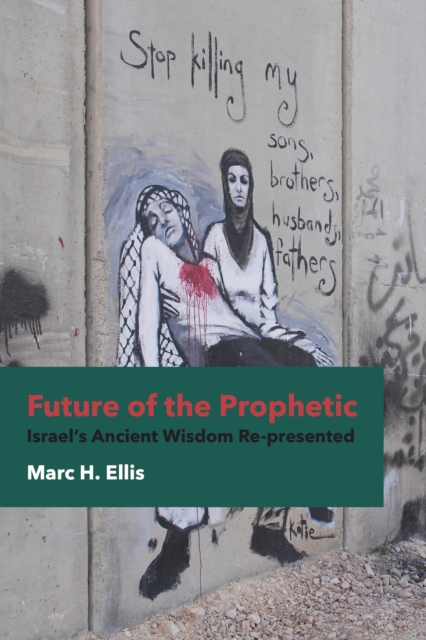
Future of the Prophetic argues that in the persistence of the prophetic, the legacy of the ancient Jewish world spread beyond the boundaries of the Jewish community and took root throughout the world.
Memory and Covenant applies new insights into the meaning and function of social memory to analyze the two major “religions” of the Pentateuch (D and P) and their relationship to one another.
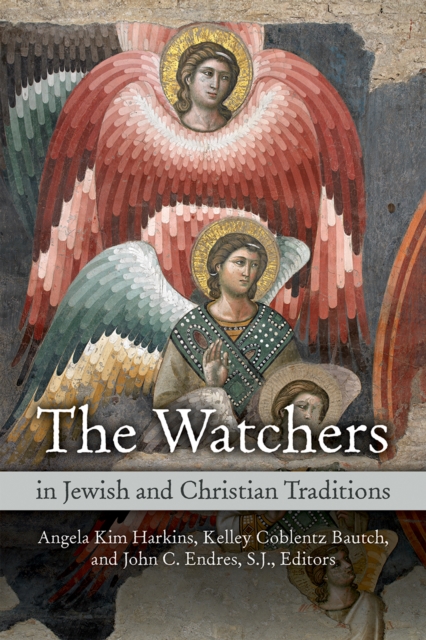
At the origin of the Watchers tradition is the single enigmatic reference in Genesis 6 to the sons of God who had intercourse with human women, producing a race of giants upon the earth.
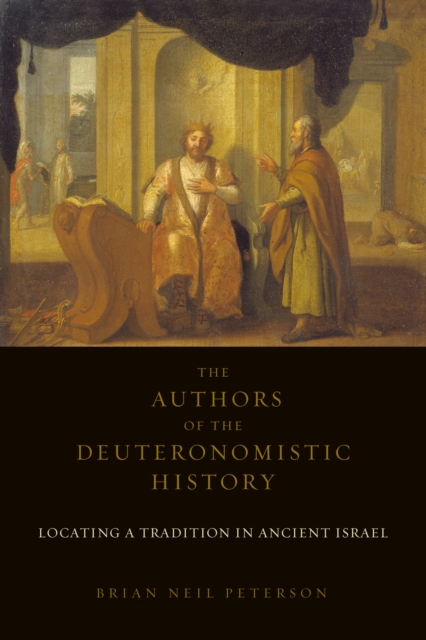
Peterson engages one of the most enduring controversies in current critical scholarship on the Hebrew Bible, the identities and provenances of the authors of the various "e;editions"e; of the Deuteronomistic History.
The Fortress Commentary on the Bible: Old Testament and Apocrypha presents a balanced synthesis of current scholarship, enabling readers to interpret Scripture for a complex and pluralistic world.
Current scholarly debate over the historical character of David's rule generally considers the biblical portrait to represent David as king of Judah first, and subsequently over "e;all Israel.
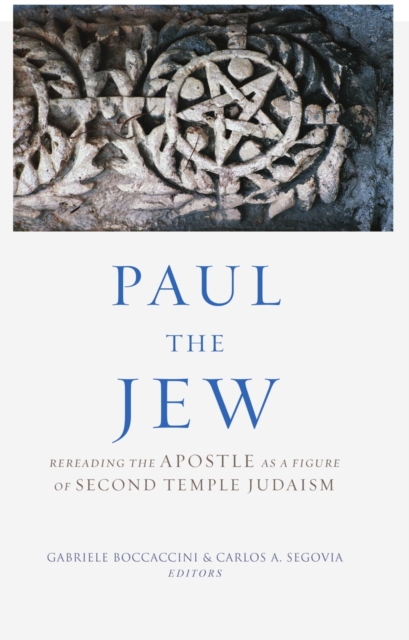
The decades-long effort to understand the apostle Paul within his Jewish context is now firmly established in scholarship on early Judaism, as well as on Paul.
Often, readers and commentators read the Proverbs as timeless observations and recommendations regarding human nature, valid for all cultures and places.
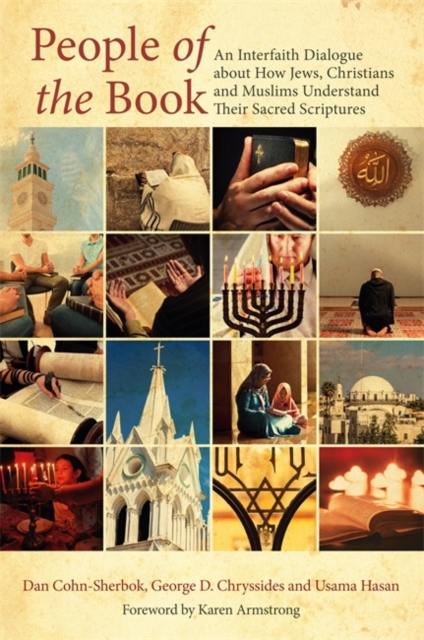
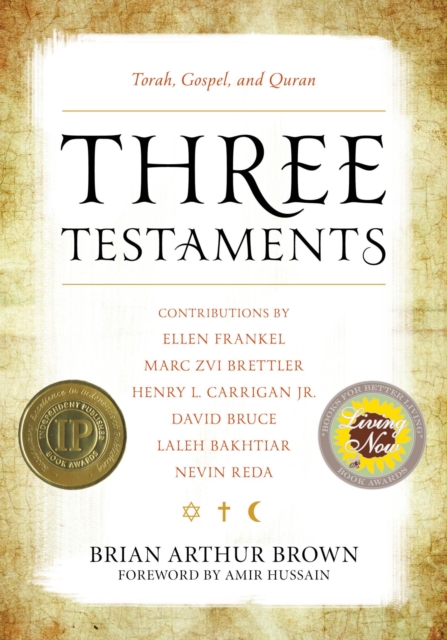
From disagreement over an Islamic Center in New York to clashes between Christians and Muslims in Egypt, tension between the three Abrahamic faiths often runs high.
This book offers to rethink identities within contemporary Judeo-Argentinean fiction by dealing with the transforming notion of Jewishness and of national identity in Argentina.
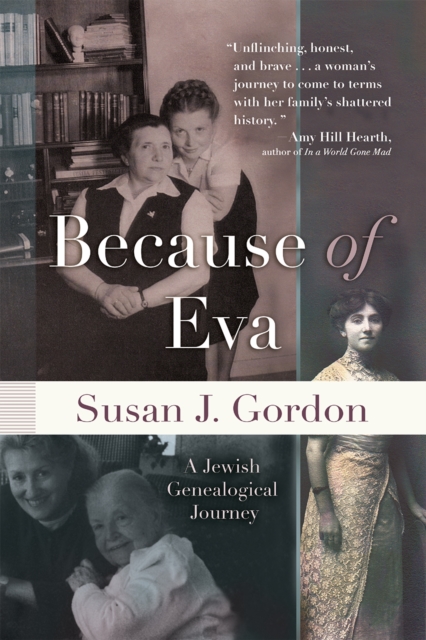
In Because of Eva, an American Jewish woman travels to Eastern Europe and Israel to solve mysteries in her family's past by delving into World War II and Holocaust history.
The decades-long effort to understand the apostle Paul within his Jewish context is now firmly established in scholarship on early Judaism, as well as on Paul.
Current scholarly debate over the historical character of David's rule generally considers the biblical portrait to represent David as king of Judah first, and subsequently over "e;all Israel.
Both traditions recognize and draw theological and historical lessons from some of the same narrative sources, but this is the first comparative resource to provide interdisciplinary coverage of the history and textual sources associated with prophets and prophecy.
Often, readers and commentators read the Proverbs as timeless observations and recommendations regarding human nature, valid for all cultures and places.
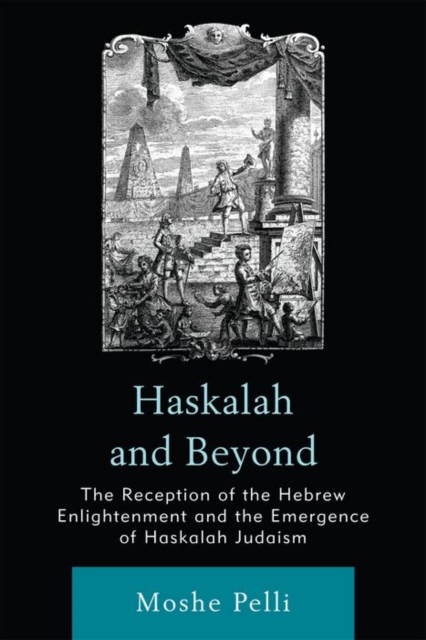
Haskalah and Beyond deals with the Hebrew Haskalah (Enlightenment) - the literary, cultural, and social movement in the 18th and 19th centuries in Europe.