In an age when technology is making our world feel increasingly small and far-flung peoples are interacting with each other more regularly than at any other time in history, the common threads running through vastly different civilizations are not only more obvious but more important to our understanding of ourselves as members of the human race.
We live in an age when it is not uncommon for politicians to invoke religious doctrine to explain their beliefs and positions on everything from domestic to foreign policy.
Our Promised Land takes readers inside radical Israeli settlements to explore how they were formed, what the people in them believe, and their role in the Middle East today.
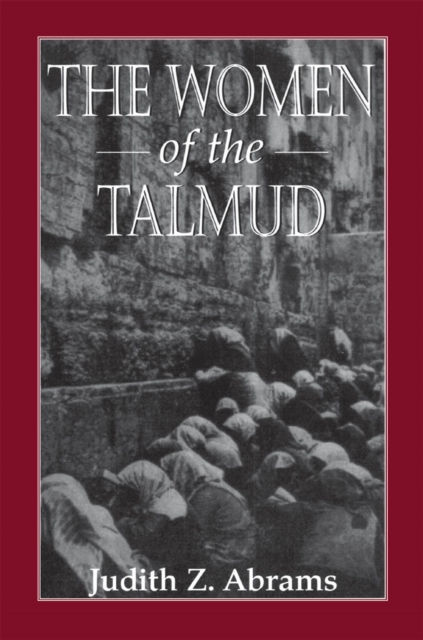
In this unique volume Judith Abrams, author of the highly regarded series The Talmud for Beginners, examines the episodes recorded in rabbinic literature that suggest the actions of the women of those times.
In this timely and highly readable volume, Old Testament scholar William Holladay introduces the reader to the several ways in which Isaiah speaks, from ancient Jewish readings of the text, to Handel's lyrical use of it in his oratorio, Messiah, to the Christian community who has heard it foretelling the life and death of Jesus Christ.
Your Name Is Your Blessing: Hebrew Names and Their Mystical Meanings represents the first time that the secrets of the Kabbalah, the mystical teachings of Jewish spiritual leaders, were introduced to the general public for the purpose of explaining the profound meanings hidden in every person's name.
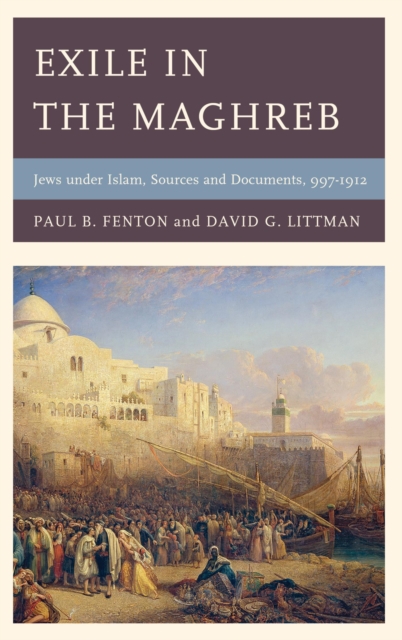
The Exile in the Maghreb entails the first attempt at describing the historical reality of the legal and social condition of the Jews in the Muslim countries of North Africa (principally Algeria and Morocco) over a thousand year period from the Middle Ages (997 C.
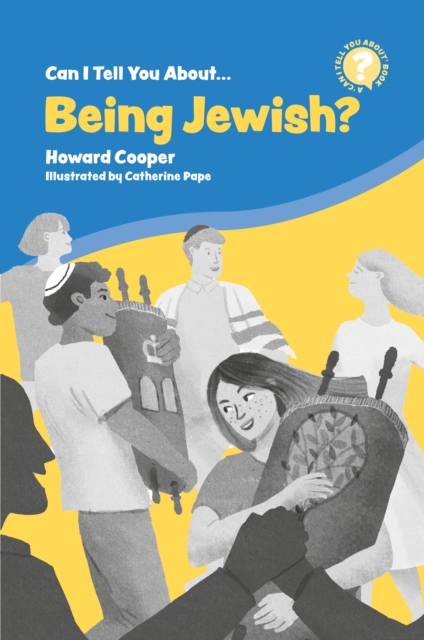
Exploring what it means to come of age in an era marked by increasing antisemitism, readers see through the eyes of Jewish Gen Zers how identities are shaped in response to and in defiance of antisemitism.
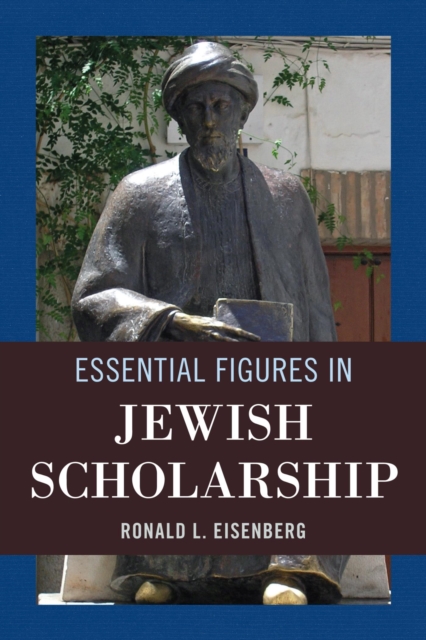
Despite the fact that scholars of the post-Talmudic era have been of great importance to the continued interpretation of religious texts for more than a millennium, they are typically not given as much attention as their Talmudic-era predecessors.
One of the best-kept religious secrets has been the revolution that has been quietly taking place within Judaism over the last two decades, as it has sought to grapple with contemporary issues.
The Fortress Commentary on the Bible: Old Testament and Apocrypha presents a balanced synthesis of current scholarship, enabling readers to interpret Scripture for a complex and pluralistic world.
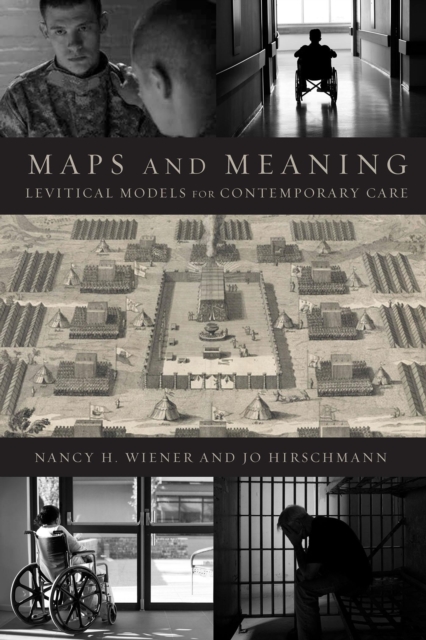
Maps and Meaning is rooted in the authors’ experience as clergy and chaplains and is relevant to those looking for a fresh perspective on biblical narratives related to the role of the priest, patients, soldiers, and others who spend time “outside the camp.
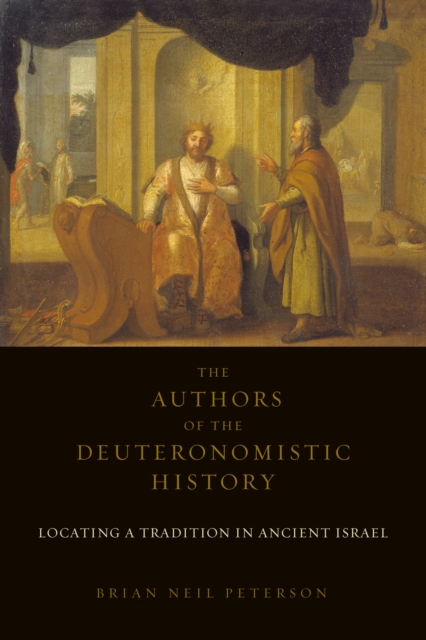
Peterson engages one of the most enduring controversies in current critical scholarship on the Hebrew Bible, the identities and provenances of the authors of the various "e;editions"e; of the Deuteronomistic History.
One of the important ecclesial developments over the last century has been the extraordinary rediscovery, retrieval and reinvigoration of the Christian contemplative tradition, a recovery that has been extraordinarily influential Theologians have begun to explore how aspects of the Christian contemplative tradition challenge certain prevalent views about the nature of God, the world, and persons, but this contemplative renaissance also raises crucial questions about a variety of more philosophical arenas such as how we construe the relationship between faith and reason, religious epistemology, theological metaphysics, philosophical hermeneutics and so forth.
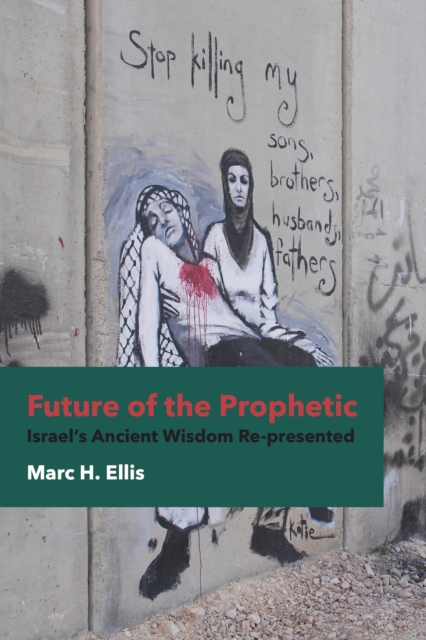
Future of the Prophetic argues that in the persistence of the prophetic, the legacy of the ancient Jewish world spread beyond the boundaries of the Jewish community and took root throughout the world.
This title explores why Christians have different ways of looking at time, at how the life of the church is ordered and organized by days, weeks, seasons, and years.
In Portraits of a Mature God, Mark McEntire traced the narrative development of the divine character in the Old Testament, placing the God portrayed at the end of that long story at the center of theological discussion.
Melvin traces the emergence and development of the motif of angelic interpretation of visions from late prophetic literature (Ezekiel 4048; Zechariah 16) into early apocalyptic literature (1 Enoch 1736; 7282; Daniel 78).
Memory and Covenant applies new insights into the meaning and function of social memory to analyze the two major “religions” of the Pentateuch (D and P) and their relationship to one another.
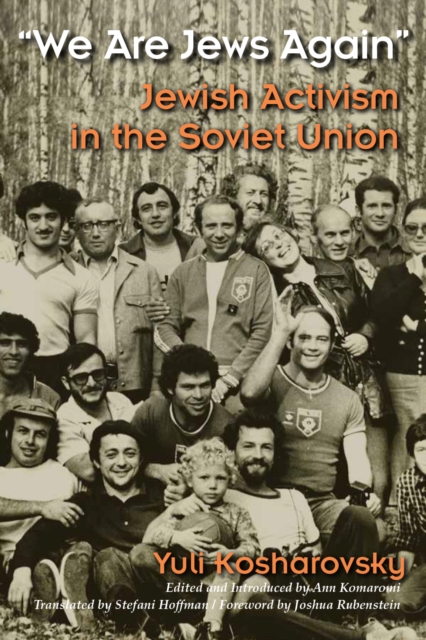
Kosharovsky's authoritative four-volume history of the Jewish movement in the Soviet Union is now available in a condensed and edited volume that makes this compelling insider's account of Soviet Jewish activism after Stalin available to a wider audience.