This study presents the first comprehensive survey of the abundant early Islamic sources that recognize the historical Jewish bond to the Temple Mount (Masjid al-Aqsa) and Jerusalem.
Originally published in 1964, this volume aims to convey global perspectives on the Jewish situation in the late 20th Century by discussing research in Jewish social structure and social problems.
Originally published in 1964, this volume aims to convey global perspectives on the Jewish situation in the late 20th Century by discussing research in Jewish social structure and social problems.
Originally published in 1951, this book explores the development in England of the Sephardi branch of the Jewish community, the co-heirs, with their kinsmen in Holland, in Italy, in North America and in the Middle East, of the Golden Age of Jewish history in Spain.
Originally published in 1951, this book explores the development in England of the Sephardi branch of the Jewish community, the co-heirs, with their kinsmen in Holland, in Italy, in North America and in the Middle East, of the Golden Age of Jewish history in Spain.
Originally published in 1930, this book was intended to be an effective inspiration to faith and duty and emphasizes the importance of Judaism as a living creed.
Originally published in 1930, this book was intended to be an effective inspiration to faith and duty and emphasizes the importance of Judaism as a living creed.
Originally published in its sixth edition in 1929, this volume was one of the first to have appeared in England which was written from a liberal standpoint.
Originally published in its sixth edition in 1929, this volume was one of the first to have appeared in England which was written from a liberal standpoint.
This study presents the first comprehensive survey of the abundant early Islamic sources that recognize the historical Jewish bond to the Temple Mount (Masjid al-Aqsa) and Jerusalem.
The Self and the Quintessence explores Jung's work on number symbolism and the alchemical journey and considers how they act as metaphors underpinning theories about the development of the self and individuation.
The Self and the Quintessence explores Jung's work on number symbolism and the alchemical journey and considers how they act as metaphors underpinning theories about the development of the self and individuation.
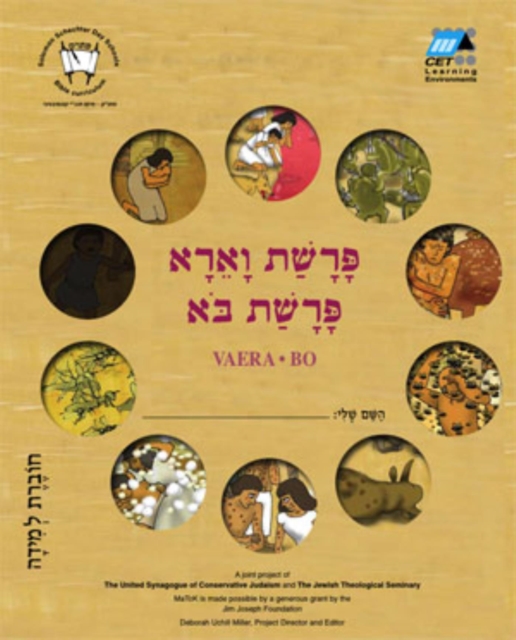
From the Preface: THE IDEA OF THIS BOOK came to my mind many years ago, after several conversations with my friend and colleague in Jewish educational studies Joseph Lukins professor at the Jewish Theological Seminary in New York.
From the Preface: THE IDEA OF THIS BOOK came to my mind many years ago, after several conversations with my friend and colleague in Jewish educational studies Joseph Lukins professor at the Jewish Theological Seminary in New York.
A Jewish woman's unconventional quest to find Jesus in modern Israel With candor and an intimate knowledge of the Land and its people, Bobbie Ann Cole takes you on some intriguing time travel to Israel such as to the ceremonial slaughtering of Passover lambs in the nearby temple, as Jesus died on the cross.
Introduction to the Zohar is the second in a series written by Kabbalist and scientist Rav Michael Laitman, which will prepare readers to understand the hidden message of "e;The Zohar"e;.
The Science of Kabbalah (Pticha) is the first in a series of texts that Rav Michael Laitman, Kabbalist and scientist, designed to introduce readers to the special language and terminology of the Kabbalah.
Dass Räumlichkeit nicht nur als neutraler Rahmen interpretiert werden kann, zeigen deutsch-jüdische Selbstzeugnisse während des Nationalsozialismus und insbesondere die Geschichte der Stadt Breslau.
It is very difficult to comprehend that our destiny lies in nonphysical dimensions, but Van Auken teaches this well while explaining that our present life is the perfect prerequisite for the next one.
A compelling question for people of faith today is how to remain committed to ones own religious tradition while being open to the beauty and truth of other religions.
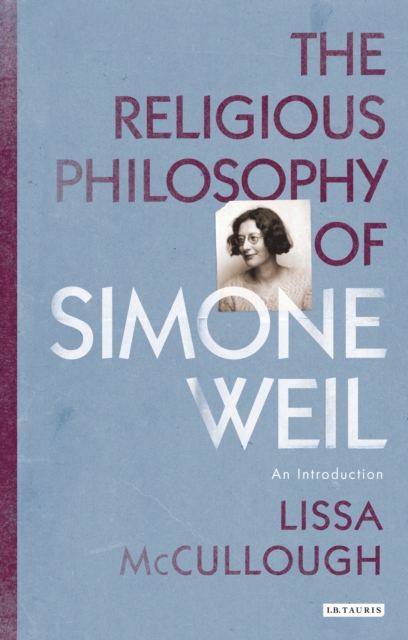
The French philosopher Simone Weil (1909-1943), a contemporary of Simone de Beauvoir and Jean-Paul Sartre, remains in every way a thinker for our times.
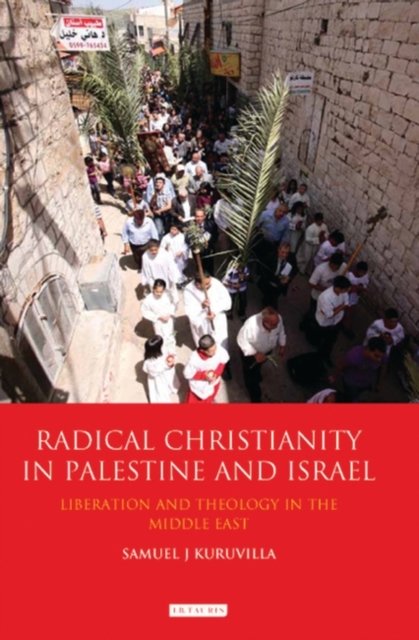
Christianity arose from the lands of biblical Palestine and, regardless of its twentieth century associations with the Arab-Israeli conflict, to Christians around the world it remains first and foremost the birthplace of Christianity.
Philip Kennedy, here, offers the first book that any student - with or without religious convictions - can profitably use to get quickly to grips with the essentials of the Christian religion: its history and its key thinkers, its successes and its failures.
A luxury, keep-sake edition of an ancient Chinese scripture This ancient text, fundamental to Taoism, has become a source of inspiration and guidance for millions in modern society.
A luxury, keep-sake edition of an ancient Chinese scripture This ancient text, fundamental to Taoism, has become a source of inspiration and guidance for millions in modern society.
This brand-new title offers the reader an accessible and chronological presentation of the history and development of this most unique of philosophies.