Originally published in 1953, The Hebrew Prophets' conception of the meaning and purpose of human history has considerable significance for a religious view of the world situation in the middle of the 20th Century.
Originally published in 1953, The Hebrew Prophets' conception of the meaning and purpose of human history has considerable significance for a religious view of the world situation in the middle of the 20th Century.
This book explores the early Jewish understanding of divine knowledge as divine presence, which is embodied in major biblical exemplars, such as Adam, Enoch, Jacob, and Moses.
This book explores the early Jewish understanding of divine knowledge as divine presence, which is embodied in major biblical exemplars, such as Adam, Enoch, Jacob, and Moses.
This book explores past expressions of the Jewish interest in Hinduism in order to learn what Hinduism has meant to Jews living mainly in the 12th through the 19th centuries.
This book explores past expressions of the Jewish interest in Hinduism in order to learn what Hinduism has meant to Jews living mainly in the 12th through the 19th centuries.
This interdisciplinary text brings together perspectives from leading psychoanalysts and modern Jewish philosophers to offer a unique investigation into the dynamic between the fundamental trust in the self, other persons, and the world, and the devastating force of emotional trauma.
This interdisciplinary text brings together perspectives from leading psychoanalysts and modern Jewish philosophers to offer a unique investigation into the dynamic between the fundamental trust in the self, other persons, and the world, and the devastating force of emotional trauma.
Jews and Converts in Late Medieval Castile examines the ways in which Jewish-Christian relations evolved in Castile, taking account of social, cultural, and religious factors that affected the two communities throughout the fourteenth and early fifteenth centuries.
Jews and Converts in Late Medieval Castile examines the ways in which Jewish-Christian relations evolved in Castile, taking account of social, cultural, and religious factors that affected the two communities throughout the fourteenth and early fifteenth centuries.
The Mystical Exodus in Jungian Perspective explores the soul loss that results from personal, collective, and transgenerational trauma and the healing that unfolds through reconnection with the sacred.
The Mystical Exodus in Jungian Perspective explores the soul loss that results from personal, collective, and transgenerational trauma and the healing that unfolds through reconnection with the sacred.
The Bible and Jews in Medieval Spain examines the grammatical, exegetical, philosophical and mystical interpretations of the Bible that took place in Spain during the medieval period.
The Bible and Jews in Medieval Spain examines the grammatical, exegetical, philosophical and mystical interpretations of the Bible that took place in Spain during the medieval period.
This book opens windows onto Jewish legal culture, by offering fourteen exploratory essays, each of which focuses on an aspect of Jewish law, broadly understood.
This book opens windows onto Jewish legal culture, by offering fourteen exploratory essays, each of which focuses on an aspect of Jewish law, broadly understood.
David Weiss Halivni emerges his original approach to critical study of the Talmudic text not only in its modern printed form but as it was in its original form, the Oral Torah from the mouths of countless sages.
This book looks at art historical explorations, matters of archival legitimacy, the survival of fakes and forgeries and many other aspects of Jewish art.
David Weiss Halivni emerges his original approach to critical study of the Talmudic text not only in its modern printed form but as it was in its original form, the Oral Torah from the mouths of countless sages.
This book looks at art historical explorations, matters of archival legitimacy, the survival of fakes and forgeries and many other aspects of Jewish art.
This collection of essays seeks to demonstrate that many biblical authors deliberately used Classical and Hellenistic Greek texts for inspiration when crafting many of the narratives in the Primary History.
This collection of essays seeks to demonstrate that many biblical authors deliberately used Classical and Hellenistic Greek texts for inspiration when crafting many of the narratives in the Primary History.
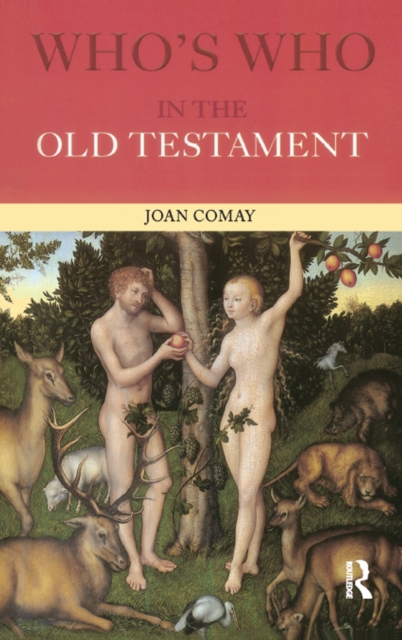
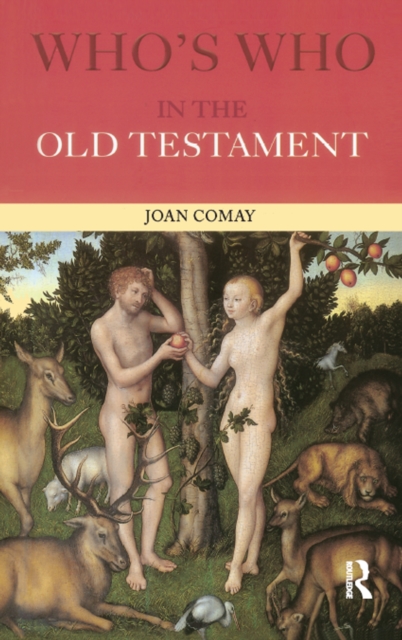
Who's Who in the Old Testament brings vividly to life the thousands of characters in the Old Testament, and provides:* nearly 3000 extensive entries covering every character* detailed biographical information on each character, including exactly where to find them in the Bible* the complete historical, geographical and archaeological context of each entry* comprehensive chronology of the times* a section on the Apocrypha - the collection of works that bridges the gap between the Old and New Testaments.
Who's Who in the Old Testament brings vividly to life the thousands of characters in the Old Testament, and provides:* nearly 3000 extensive entries covering every character* detailed biographical information on each character, including exactly where to find them in the Bible* the complete historical, geographical and archaeological context of each entry* comprehensive chronology of the times* a section on the Apocrypha - the collection of works that bridges the gap between the Old and New Testaments.
First published in 1993, Israel and Zion in American Judaism: The Zionist Fulfillment is a collection of 24 essays exploring the concept of who or what is "e;Israel"e; following the establishment of the Jewish State in 1948 and the subsequent crisis of self-definition in American Jewry.
First published in 1993, Israel and Zion in American Judaism: The Zionist Fulfillment is a collection of 24 essays exploring the concept of who or what is "e;Israel"e; following the establishment of the Jewish State in 1948 and the subsequent crisis of self-definition in American Jewry.
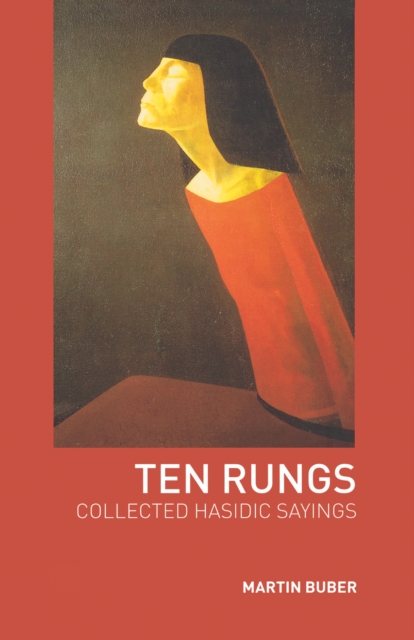
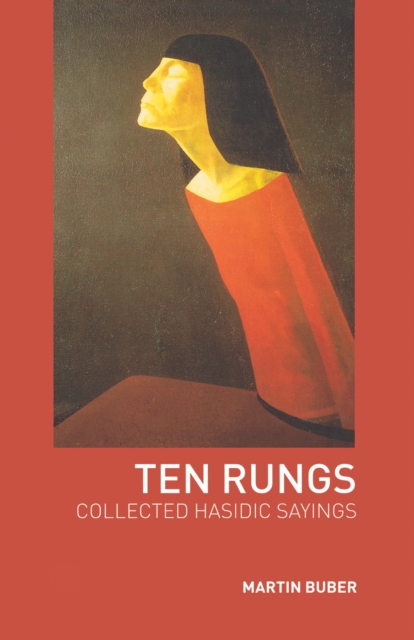
The sacred tales and aphorisms collected here by Martin Buber have their origins in the traditional Hasidic metaphor of life as a ladder, reaching towards the divine by ascending rungs of perfection.
This text introduces the most important Jewish philosophers of contemporary times from the point of view of their original approach to both Judaism and philosophy and include: Hermann Cohen, Franz Rosenweig, Martin Buber, Leo Strauss, Emmanuel Levinas.
This text introduces the most important Jewish philosophers of contemporary times from the point of view of their original approach to both Judaism and philosophy and include: Hermann Cohen, Franz Rosenweig, Martin Buber, Leo Strauss, Emmanuel Levinas.
The sacred tales and aphorisms collected here by Martin Buber have their origins in the traditional Hasidic metaphor of life as a ladder, reaching towards the divine by ascending rungs of perfection.