This book is the first in-depth comparative analysis of envy, jealousy, and vengefulness experienced by divine personalities in the Hebrew Bible and ancient Greek texts and the functions served by attributing negative emotions and traits to one's gods.
This book is the first in-depth comparative analysis of envy, jealousy, and vengefulness experienced by divine personalities in the Hebrew Bible and ancient Greek texts and the functions served by attributing negative emotions and traits to one's gods.
This book uses the Jewish ritual of circumcision to consider how violent acts are embedded within entrenched moral discourses and offers a new perspective for thinking about violence.
This book uses the Jewish ritual of circumcision to consider how violent acts are embedded within entrenched moral discourses and offers a new perspective for thinking about violence.
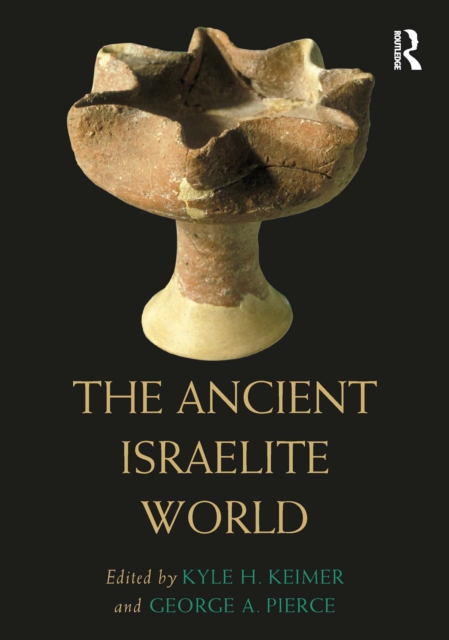
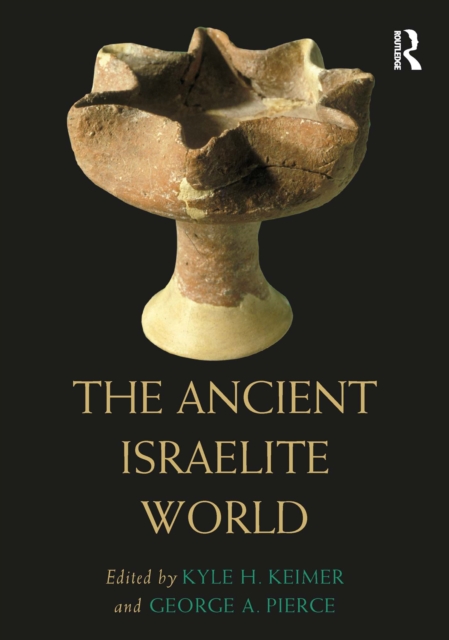
This volume presents a collection of studies by international experts on various aspects of ancient Israels society, economy, religion, language, culture, and history, synthesizing archaeological remains and integrating them with discussions of ancient Near Eastern and biblical texts.
This volume presents a collection of studies by international experts on various aspects of ancient Israels society, economy, religion, language, culture, and history, synthesizing archaeological remains and integrating them with discussions of ancient Near Eastern and biblical texts.
Originally published in 1976, this monumental volume is a study of one of the major migrations of modern times - the result of which has been significantly to alter the history of the United States and of the whole Middle East.
In the attempts to unify divided peoples on the basis of a shared past, both historical and mythical, this book illumines aspects of cultural nationalism common since the Middle Ages.
In the attempts to unify divided peoples on the basis of a shared past, both historical and mythical, this book illumines aspects of cultural nationalism common since the Middle Ages.
Originally published in 1978, The Occult Sourcebook has been compiled primarily for the many people who are for the first time becoming engrossed by the numerous and often confusing possibilities underlying the occult sciences.
Originally published in 1978, The Occult Sourcebook has been compiled primarily for the many people who are for the first time becoming engrossed by the numerous and often confusing possibilities underlying the occult sciences.
This volume deals with the modern fate of the traditional conception of Jews as a covenanted people chosen to receive the Law, whose ultimate purpose is contributing to the universal salvation of mankind.
A major dimension of modern Jewish life has been the revival of conscious political activity on the part of the Jewish people, whether through reestablishment of the State of Israel, new forms of diaspora community organization, or the common Jewish fight against anti-Semitism.
This volume deals with the modern fate of the traditional conception of Jews as a covenanted people chosen to receive the Law, whose ultimate purpose is contributing to the universal salvation of mankind.
A major dimension of modern Jewish life has been the revival of conscious political activity on the part of the Jewish people, whether through reestablishment of the State of Israel, new forms of diaspora community organization, or the common Jewish fight against anti-Semitism.
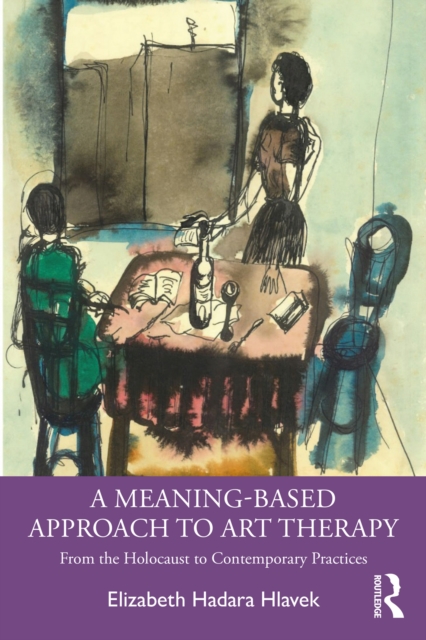
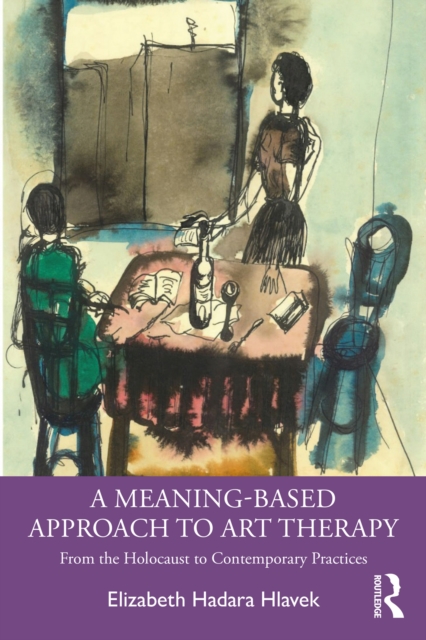
A Meaning-Based Approach to Art Therapy contextualizes the phenomena of Holocaust artwork for the field of art therapy and uses this canon of artwork to support the inclusion of logotherapy into art therapy theory and practice.
A Meaning-Based Approach to Art Therapy contextualizes the phenomena of Holocaust artwork for the field of art therapy and uses this canon of artwork to support the inclusion of logotherapy into art therapy theory and practice.
Reading Shakespeare in Jewish Theological Frameworks: Shylock Beyond the Holocaust uses Jewish theology to mount a courageous new reading of a four-hundred-year-old play, The Merchant of Venice.
Reading Shakespeare in Jewish Theological Frameworks: Shylock Beyond the Holocaust uses Jewish theology to mount a courageous new reading of a four-hundred-year-old play, The Merchant of Venice.
Examines the dilemma of whether ancient Near Eastern images while providing unique aspects of the world-views of the cultures from which the Bible arose can be interpreted in a way that traceably relates them to the biblical text.
This volume introduces new perspectives on taxation policies in the Roman Empire, the Galilee, and Egypt, with unique insights into the economic effects of imperial pacification on local and regional microlevel economies in the Galilee both before and after the First Jewish Revolt against Rome.
This volume introduces new perspectives on taxation policies in the Roman Empire, the Galilee, and Egypt, with unique insights into the economic effects of imperial pacification on local and regional microlevel economies in the Galilee both before and after the First Jewish Revolt against Rome.
Stephen Wunrow addresses the pressing question of what the author of Hebrews meant by his descriptions of heaven, arguing that the author intended his references to heavenly space to be interpreted as realistic descriptions of a real place.
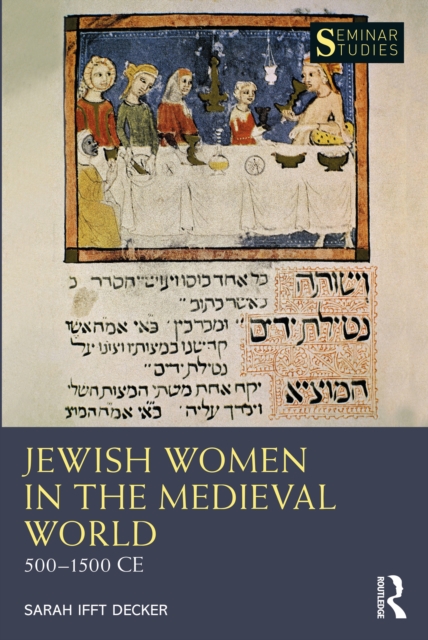
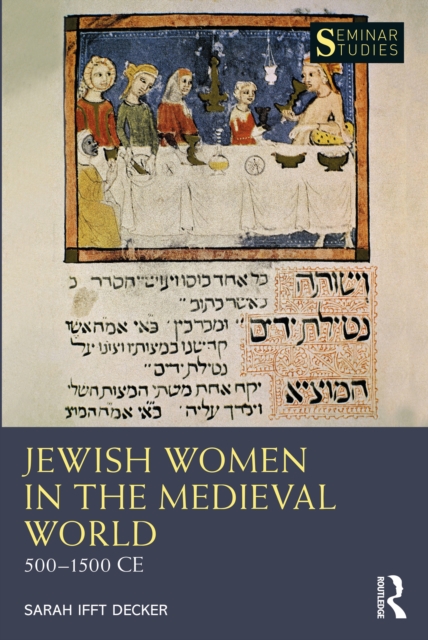
Jewish Women in the Medieval World offers a thematic overview of the lived experiences of Jewish women in both Europe and the Middle East from 500 to 1500 CE, a group often ignored in general surveys on both medieval Jewish life and medieval women.
Jewish Women in the Medieval World offers a thematic overview of the lived experiences of Jewish women in both Europe and the Middle East from 500 to 1500 CE, a group often ignored in general surveys on both medieval Jewish life and medieval women.
Bible and Cinema: An Introduction is a comprehensive examination of how the Bible has been used and represented in mainstream cinema to develop its plots, characters, and themes.
Bible and Cinema: An Introduction is a comprehensive examination of how the Bible has been used and represented in mainstream cinema to develop its plots, characters, and themes.
The representation of sexual trafficking in the book of Esther has parallels with the cultural memories, histories, and materialized pain of African(a) girls and women across time and space, from the Persian Empire, to subsequent slave trade routes and beyond.
The representation of sexual trafficking in the book of Esther has parallels with the cultural memories, histories, and materialized pain of African(a) girls and women across time and space, from the Persian Empire, to subsequent slave trade routes and beyond.
Originally published in 1956, this book brings together from the canonical writings of Buddhism, Islam and Christianity the most important of the passages in which the view of the Founder is reflected.
Originally published in 1956, this book brings together from the canonical writings of Buddhism, Islam and Christianity the most important of the passages in which the view of the Founder is reflected.