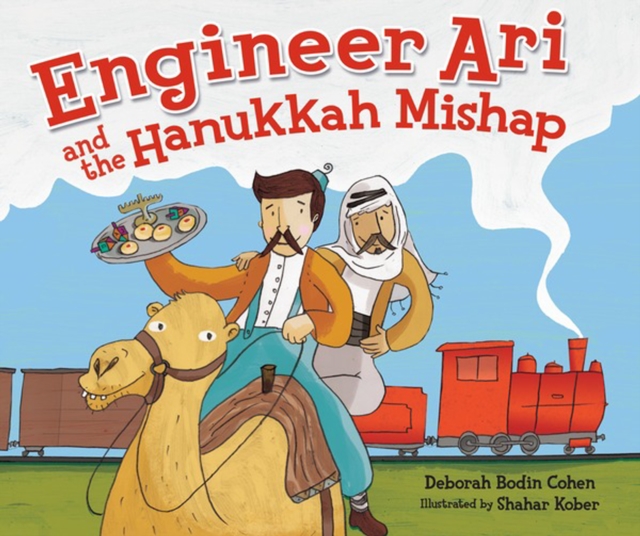
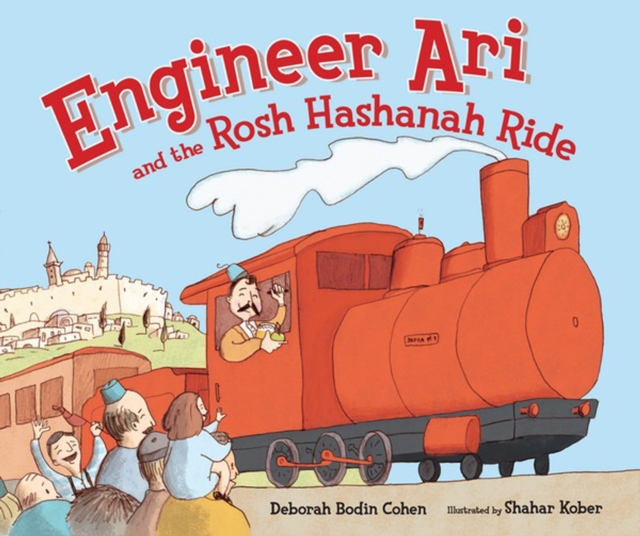
A Rosh Hashanah story based on the first historic train ride from Jaffa to Jerusalem in 1892, shortening the journey between the two cities from 3 days to 3 hours.
DISCOVER THE BOOK WITH THE PLOT TWIST THAT BROKE THE INTERNET ***The first print run of the UK paperback features stunning character art inside cover printing, available only while stocks last***She was forged for war.
The nation--particularly in Exodus and Numbers--is not an abstract concept but rather a grand character whose history is fleshed out with remarkable literary power.
The main aim of this work is to understand Jesus as he saw himself, and to compare that self-understanding with the ways in which others have grasped the nature of his mission.
Birth of a Worldview is a groundbreaking intellectual history of the making of the worldview that came to define western Christian culture for two millennia.
In Jewish Faith and Modern Science, renowned Jewish philosopher and rabbi Norbert Samuelson argues that modern Jewish philosophy has died_that it has failed to address the challenges to traditional beliefs posed by scientific advances, and is therefore no longer relevant to Jews today.
How the rabbis of the Talmud transformed everything into a legal question-and Jewish law into a way of thinking and talking about everythingThough typically translated as "e;Jewish law,"e; the term halakhah is not an easy match for what is usually thought of as law.
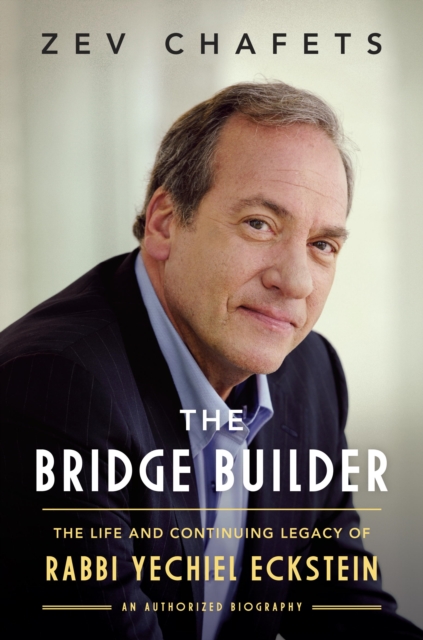
The amazing story of Yechiel Eckstein, a Chicago-based orthodox rabbi who founded the world’s largest philanthropic organization of Evangelical Christians in support of Israel.
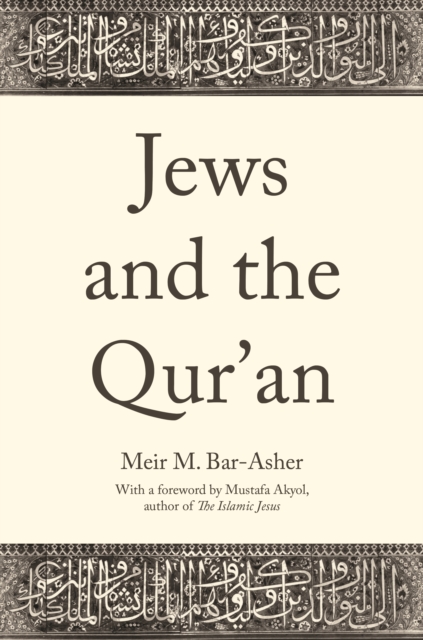
A compelling book that casts the Qur'anic encounter with Jews in an entirely new lightIn this panoramic and multifaceted book, Meir Bar-Asher examines how Jews and Judaism are depicted in the Qur'an and later Islamic literature, providing needed context to those passages critical of Jews that are most often invoked to divide Muslims and Jews or to promote Islamophobia.
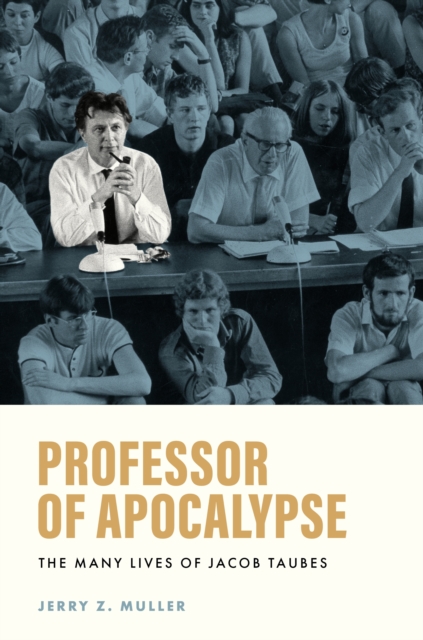
The controversial Jewish thinker whose tortured path led him into the heart of twentieth-century intellectual lifeScion of a distinguished line of Talmudic scholars, Jacob Taubes (19231987) was an intellectual impresario whose inner restlessness led him from prewar Vienna to Zurich, Israel, and Cold War Berlin.
Understanding the Bible as an account of the unfolding revelation of God to humankind through history, Roland Mushat Frye suggests that the many sub-plots, monologues, and reflections of the Bible compose a coherent story that continues through both the Old and New Testaments.
A compelling account of how a group of Hasidic Jews established its own local government on American soilSettled in the mid-1970s by a small contingent of Hasidic families, Kiryas Joel is an American town with few parallels in Jewish historybut many precedents among religious communities in the United States.
For this new anthology, Anthony Bonner has chosen central texts from his acclaimed two-volume compilation Selected Works of Ramon Llull (Princeton, 1985).
The Jewish philosopher Martin Buber spoke directly to the most profound human concerns in all his works, including his discussions of Hasidism, a mystical-religious movement founded in Eastern Europe by Israel ben Eliezer, called the Baal-Shem (the Master of God's Name).
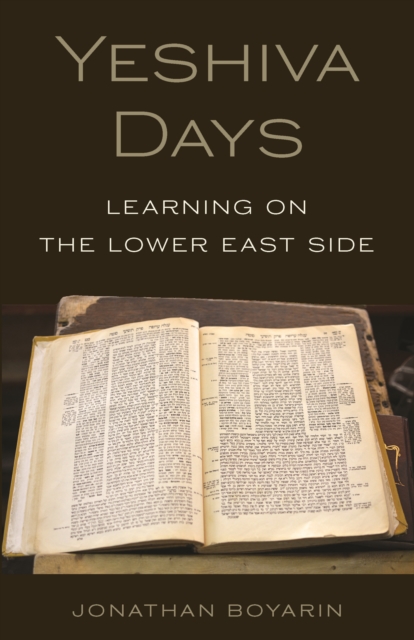
An intimate and moving portrait of daily life in New York's oldest institution of traditional rabbinic learningNew York City's Lower East Side has witnessed a severe decline in its Jewish population in recent decades, yet every morning in the big room of the city's oldest yeshiva, students still gather to study the Talmud beneath the great arched windows facing out onto East Broadway.
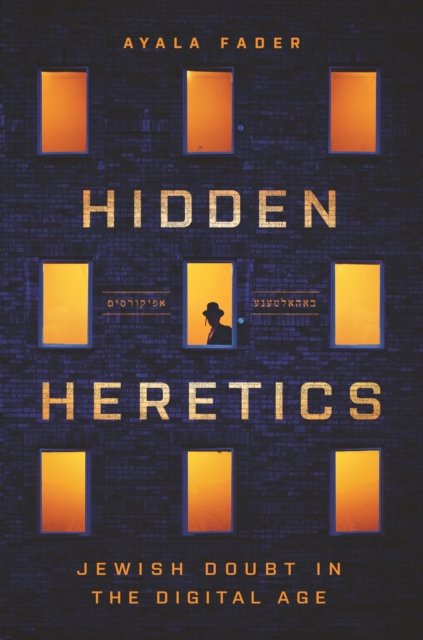
A revealing look at Jewish men and women who secretly explore the outside world, in person and online, while remaining in their ultra-Orthodox religious communities What would you do if you questioned your religious faith, but revealing that would cause you to lose your family and the only way of life you had ever known?
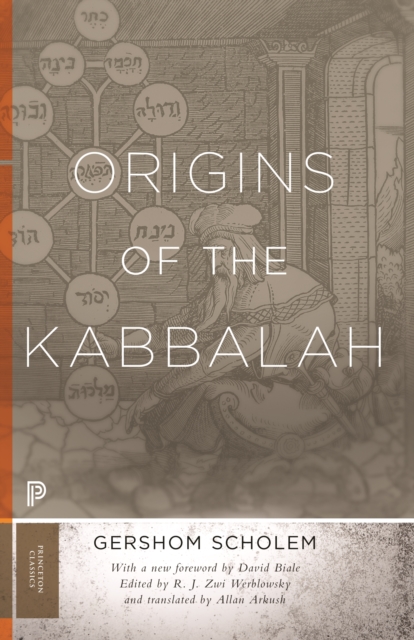
With the publication of The Origins of the Kabbalah in 1950, one of the most important scholars of our century brought the obscure world of Jewish mysticism to a wider audience for the first time.
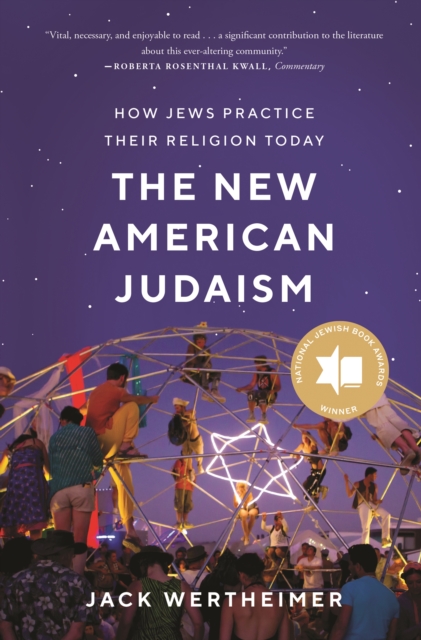
A leading expert provides an engaging firsthand portrait of American Judaism todayAmerican Judaism has been buffeted by massive social upheavals in recent decades.
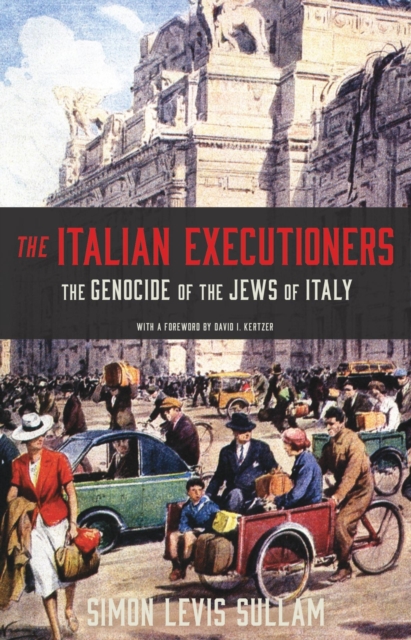
A gripping revisionist history that shows how ordinary Italians played a central role in the genocide of Italian Jews during the Second World WarIn this gripping revisionist history of Italy's role in the Holocaust, Simon Levis Sullam presents an unforgettable account of how ordinary Italians actively participated in the deportation of Italy's Jews between 1943 and 1945, when Mussolini's collaborationist republic was under German occupation.
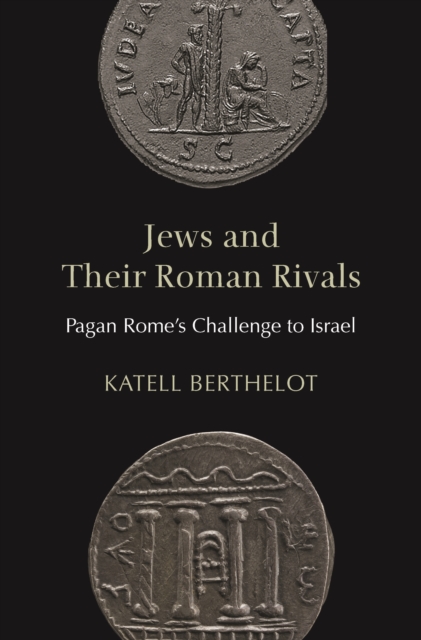
How encounters with the Roman Empire compelled the Jews of antiquity to rethink their conceptions of Israel and the TorahThroughout their history, Jews have lived under a succession of imperial powers, from Assyria and Babylonia to Persia and the Hellenistic kingdoms.
A gripping revisionist history that shows how ordinary Italians played a central role in the genocide of Italian Jews during the Second World WarIn this gripping revisionist history of Italy's role in the Holocaust, Simon Levis Sullam presents an unforgettable account of how ordinary Italians actively participated in the deportation of Italy's Jews between 1943 and 1945, when Mussolini's collaborationist republic was under German occupation.
The Marrano phenomenon is a still unexplored element of Western culture: the presence of the borderline Jewish identity which avoids clear-cut cultural and religious attribution and - precisely as such - prefigures the advent of the typically modern "e;free-oscillating"e; subjectivity.
Not unlike Rimbaud's "e;batteau ivre,"e; Judaism drifts further and further away from its life-force and source without which Judaism cannot long endure.
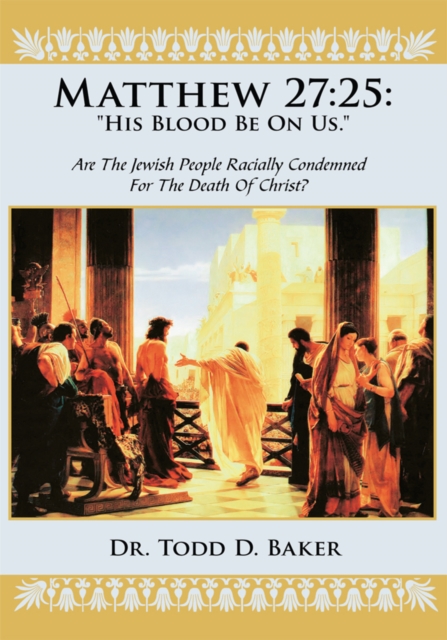
This book is an exegetical study of Matthew 27:25 conducted within the context of the Gospel of Matthew and the broader contexts of the Old and New Testaments.
Vicente Dobroruka explores Iranian influence on Second Temple Judaism, providing a new explanation of Persian culture and history in the context of biblical accounts by focusing on the spread of Zoroastrian ideas in the period c.