Interest in Leo Strauss is greater now than at any time since his death, mostly because of the purported link between his thought and the political movement known as neoconservatism.
Faithful Renderings reads translation history through the lens of Jewish-Christian difference and, conversely, views Jewish-Christian difference as an effect of translation.
Before they were both internationally renowned philosophers, Eugen Rosenstock-Huessy and Franz Rosenzweig were young German soldiers fighting in World War I corresponding by letter and forming the foundation of their deep intellectual friendship.
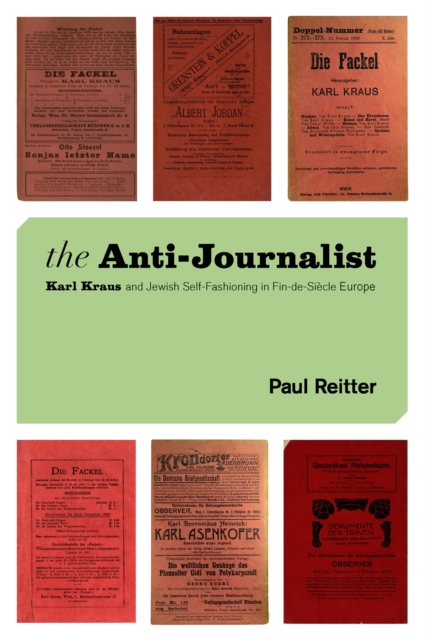
In turn-of-the-century Vienna, Karl Kraus created a bold new style of media criticism, penning incisive satires that elicited both admiration and outrage.
With the conversion of Constantine in 312, Christianity began a period of political and cultural dominance that it would enjoy until the twentieth century.
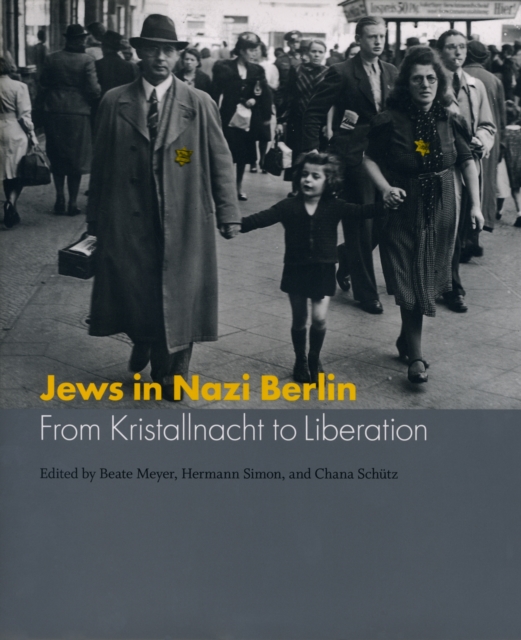
Though many of the details of Jewish life under Hitler are familiar, historical accounts rarely afford us a real sense of what it was like for Jews and their families to live in the shadow of Nazi Germany's oppressive racial laws and growing violence.
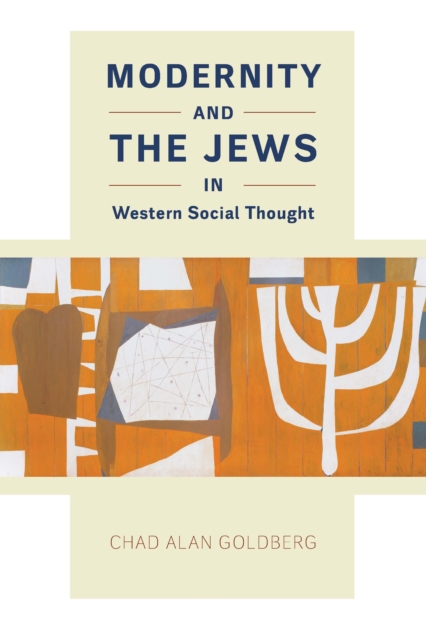
In the late nineteenth and early twentieth centuries, prominent social thinkers in France, Germany, and the United States sought to understand the modern world taking shape around them.
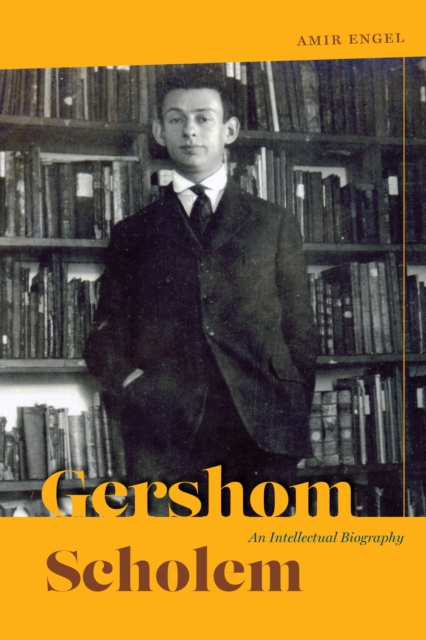
Gershom Scholem (1897-1982) was ostensibly a scholar of Jewish mysticism, yet he occupies a powerful role in today's intellectual imagination, having influential contact with an extraordinary cast of thinkers, including Hans Jonas, Martin Buber, Walter Benjamin, Hannah Arendt, and Theodor Adorno.
Sensible Ecstasy investigates the attraction to excessive forms of mysticism among twentieth-century French intellectuals and demonstrates the work that the figure of the mystic does for these thinkers.
The rootless Jew, wandering disconnected from history, homeland, and nature, was often the target of early twentieth-century nationalist rhetoric aimed against modern culture.
Bringing to light a hidden chapter in the history of modern Judaism, Shamanic Trance in Modern Kabbalah explores the shamanic dimensions of Jewish mysticism.
Contemporary theology, and Jewish theology in particular, Michael Fishbane asserts, now lies fallow, beset by strong critiques from within and without.
First published in 1957, Nathan Glazer's classic, historical study of Judaism in America has been described by the New York Times Book Review as "e;a remarkable story .
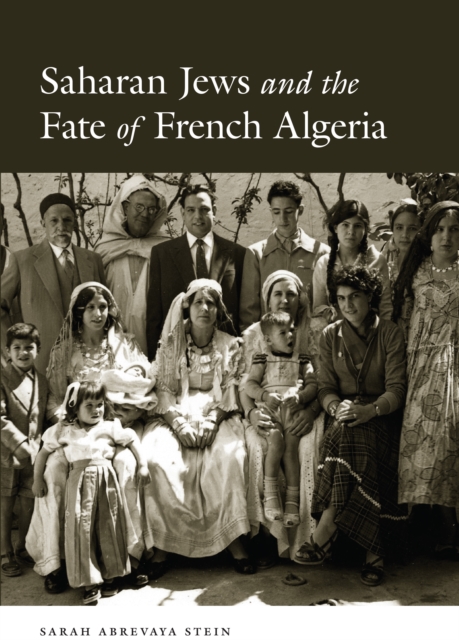
The history of Algerian Jews has thus far been viewed from the perspective of communities on the northern coast, who became, to some extent, beneficiaries of colonialism.
Darwin's theory of evolution transformed the life sciences and made profound claims about human origins and the human condition, topics often viewed as the prerogative of religion.
The only country in the world with a line in its national anthem as desperate as "e;this people has already suffered for its past and its future,"e; Hungary is a nation defined by poverty, despair, and conflict.
The state of Israel is often spoken of as a haven for the Jewish people, a place rooted in the story of a nation dispersed, wandering the earth in search of their homeland.
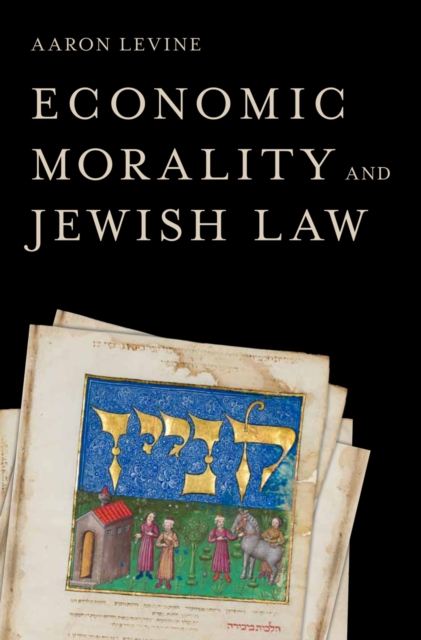
Economic Morality and Jewish Law compares the way in which welfare economics and Jewish law determine the propriety of an economic action, whether by a private citizen or the government.
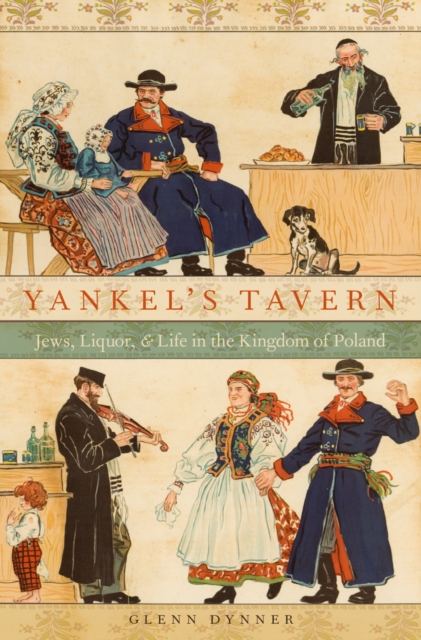
Awarded Honorable Mention for the Jordan Schnitzer Book AwardIn nineteenth-century Eastern Europe, the Jewish-run tavern was often the center of leisure, hospitality, business, and even religious festivities.
Named Outstanding Academic Title by CHOICEWinnter of the Wesley-Logan Prize of the American Historical AssociationWinner of the Byron Caldwell Smith Book Prize Winner of the 2014 Albert J.
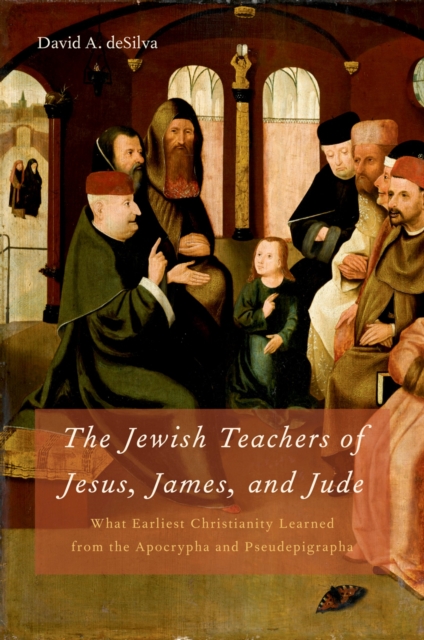
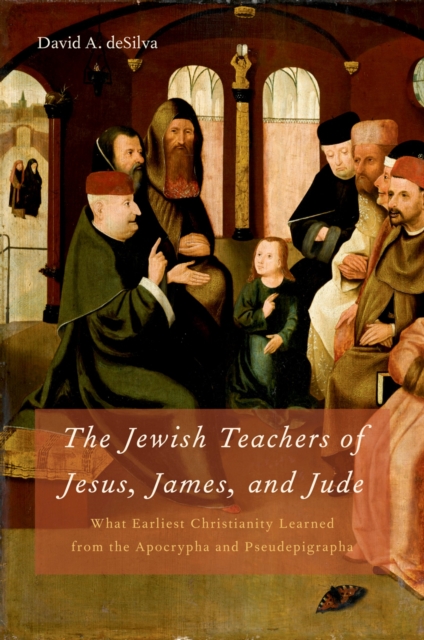
Jews have sometimes been reluctant to claim Jesus as one of their own; Christians have often been reluctant to acknowledge the degree to which Jesus' message and mission were at home amidst, and shaped by, the Judaism(s) of the Second Temple Period.
Jews have sometimes been reluctant to claim Jesus as one of their own; Christians have often been reluctant to acknowledge the degree to which Jesus' message and mission were at home amidst, and shaped by, the Judaism(s) of the Second Temple Period.
Economic Morality and Jewish Law compares the way in which welfare economics and Jewish law determine the propriety of an economic action, whether by a private citizen or the government.
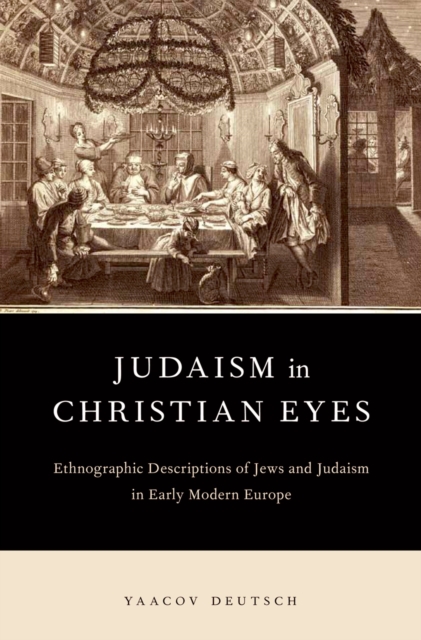
This book examines Christian ethnographic writing about the Jews in early modern Europe, offering a systematic historical analysis of this literary genre and arguing its importance for understanding both the period in general and Jewish-Christian relations in particular.
This volume of essays presents a compelling and comprehensive analysis of the intriguing issue of the gift of the land of Israel and the fate of the Canaanites as presented in diverse biblical sources.
In the study of Judaism, the Zohar has captivated the minds of interpreters for over seven centuries, and continues to entrance readers in contemporary times.