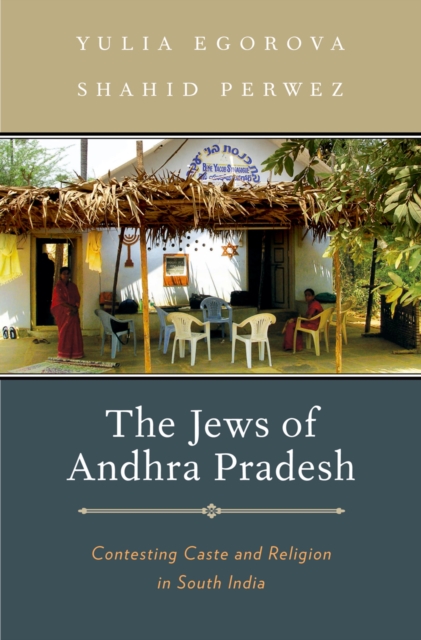
The Jews of Andhra Pradesh is an engaging and thought-provoking ethnography devoted to the Bene Ephraim--a Dalit group in India that has embraced Jewish tradition.
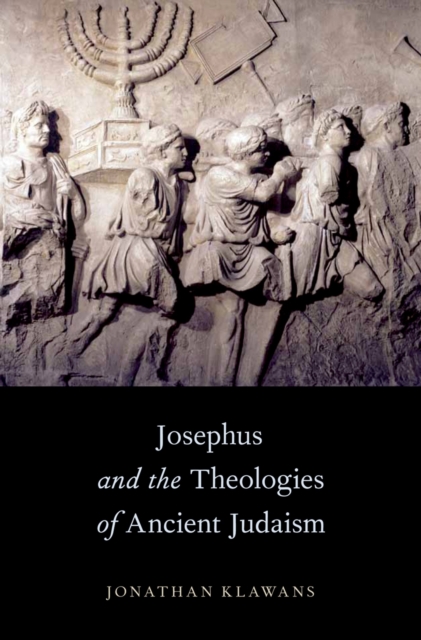
Though considered one of the most important informants about Judaism in the first century CE, the Jewish historian Flavius Josephus's testimony is often overlooked or downplayed.
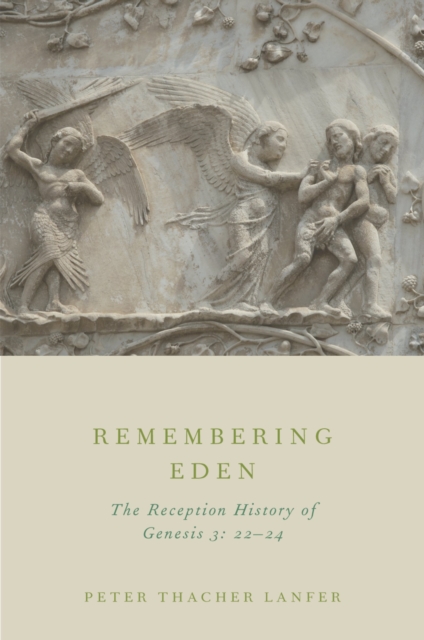
In Remembering Eden, Peter Thacher Lanfer seeks to evaluate texts that expand and explicitly interpret the expulsion narrative of Adam and Eve in Genesis beyond the biblical canon.
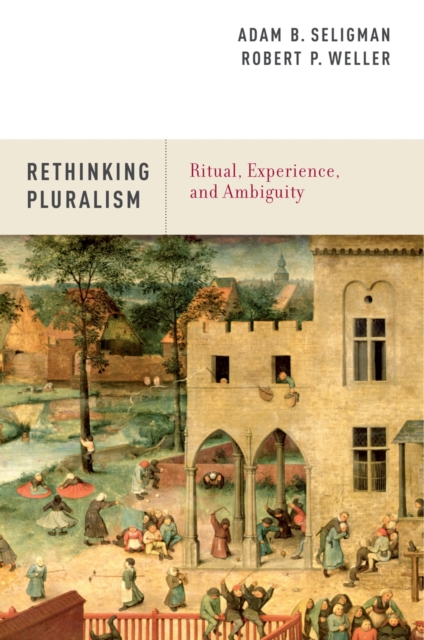
The authors argue that resorting to rules and categories cannot adequately address the pervasive problems of ambiguity, difference, and boundaries - that is to say, the challenge of pluralism in our world.
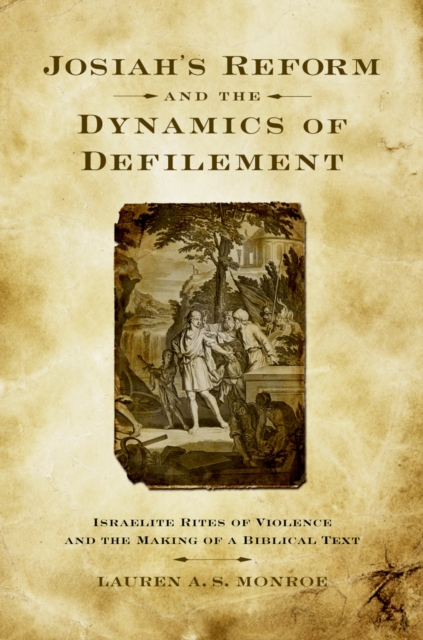
Lauren Monroe argues that the use of cultic and ritual language in the account of the Judean King Josiah's reforms in 2 Kings 22-23 is key to understanding the history of the text's composition, and illuminates the essential, interrelated processes of textual growth and identity construction in ancient Israel.
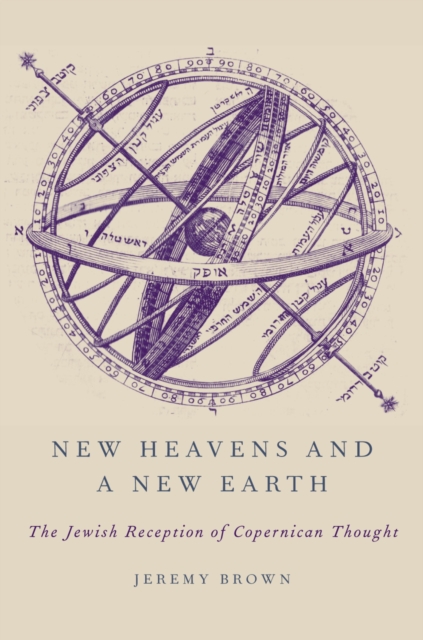
In this ground-breaking study of the Jewish reception of the Copernican revolution, Jeremy Brown examines four hundred years of Jewish writings on the Copernican model.
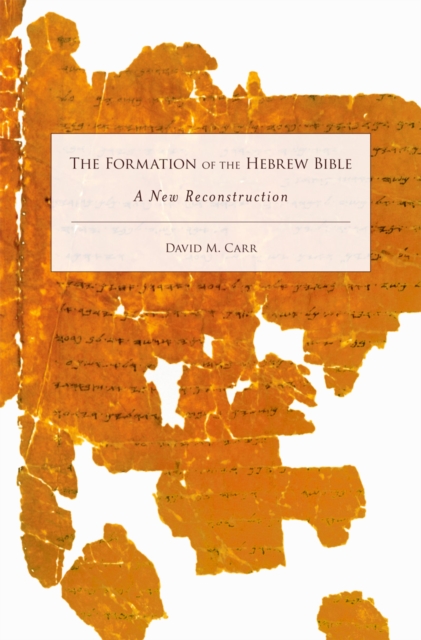
In The Formation of the Hebrew Bible David Carr rethinks both the methods and historical orientation points for research into the growth of the Hebrew Bible into its present form.
In Hermeneutics of Holiness , Naomi Koltun-Fromm examines the ancient nexus of holiness and sexuality and explores its roots in the biblical texts as well as its manifestations throughout ancient and late-ancient Judaism and early Syriac Christianity.
Drawing on the great progress in Talmudic scholarship over the last century, The Stabilization of Rabbinic Culture is both an introduction to a close reading of rabbinic literature and a demonstration of the development of rabbinic thought on education in the first centuries of the Common Era.
In Created Equal, Joshua Berman engages the text of the Hebrew Bible from a novel perspective, considering it as a document of social and political thought.
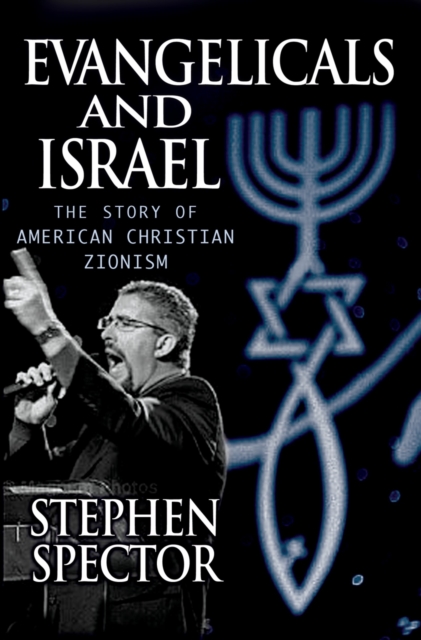
Most observers explain evangelical Christians' bedrock support for Israel as stemming from the apocalyptic belief that the Jews must return to the Holy Land as a precondition for the second coming of Christ.
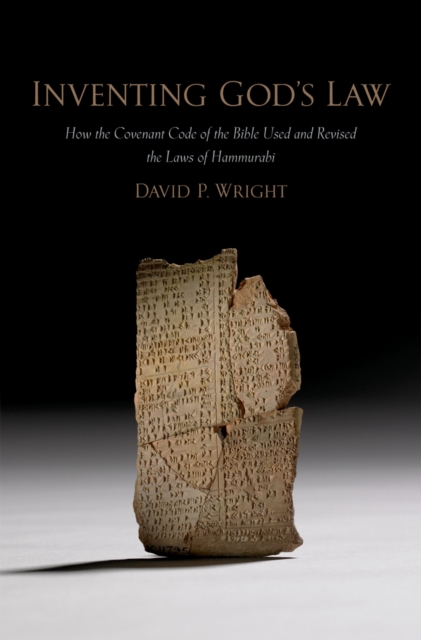
Most scholars believe that the numerous similarities between the Covenant Code (Exodus 20:23-23:19) and Mesopotamian law collections, especially the Laws of Hammurabi, which date to around 1750 BCE, are due to oral tradition that extended from the second to the first millennium.
The Babylonian Talmud was compiled in the third through sixth centuries CE, by rabbis living under Sasanian Persian rule in the area between the Tigris and Euphrates rivers.
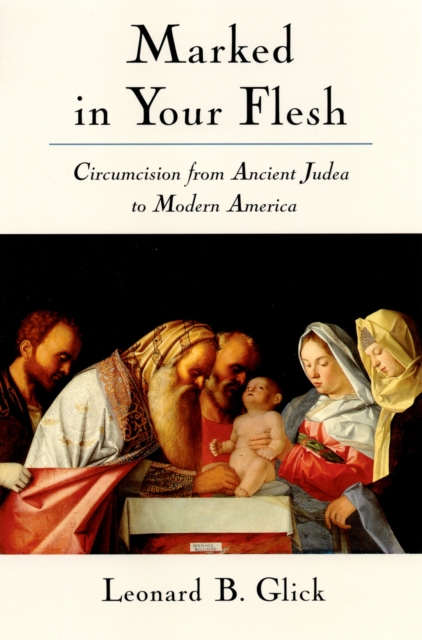
The book of Genesis tells us that God made a covenant with Abraham, promising him a glorious posterity on the condition that he and all his male descendents must be circumcised.
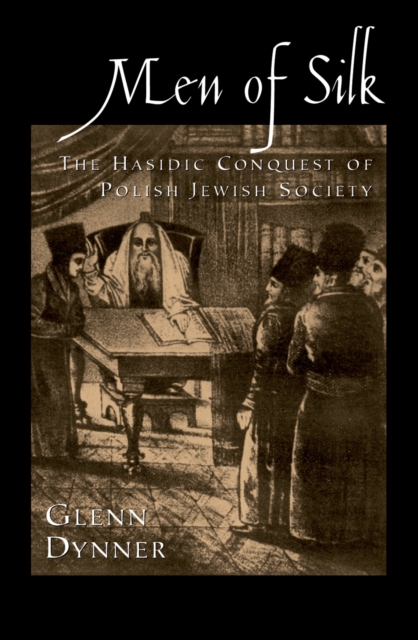
Hasidism, a kabbalah-inspired movement founded by Israel Ba'al Shem Tov (c1700-1760), transformed Jewish communities across Eastern and East Central Europe.
In 1391 many of the Jews of Spain were forced to convert to Christianity, creating a new group whose members would be continually seeking a niche for themselves in society.
Scholars of the Hebrew Bible have in the last decade begun to question the historical accuracy of the Israelite sojourn in Egypt, as described in the book of Exodus.
The Latter Prophets--Isaiah, Jeremiah, Ezekiel, and the Book of the Twelve--comprise a fascinating collection of prophetic oracles, narratives, and vision reports from ancient Israel and Judah.
One of the most vexing problems facing medieval Jewish interpreters of the Hebrew Bible was how to implement the new interpretive strategy of extracting the straightforward, contextual meaning of biblical verses (peshat), without neglecting revered ancient rabbinic modes of interpretation (derash), which tended to be more fanciful and homiletical.
In this book, Yulia Egorova explores how South Asian Jews and Muslims relate to each other outside of a Western and Christian context, and reveals that despite some important differences, the relationship is still intrinsically connected to global narratives about Jews and Muslims.
Recent scholarship on ancient Judaism, finding only scattered references to messiahs in Hellenistic- and Roman-period texts, has generally concluded that the word 'messiah' did not mean anything determinate in antiquity.
For thirty years the director of the Wiener Library in London--the leading institute for the study of anti-Semitism--Walter Laqueur here offers both a comprehensive history of anti-Semitism as well as an illuminating look at the newest wave of this phenomenon.
Joyce Dalsheim's ethnographic study takes a ground-breaking approach to one of the most contentious issues in the Middle East: the Israeli settlement project.
Pairing the two concepts of diaspora and modernism, Allison Schachter formulates a novel approach to modernist studies and diasporic cultural production.
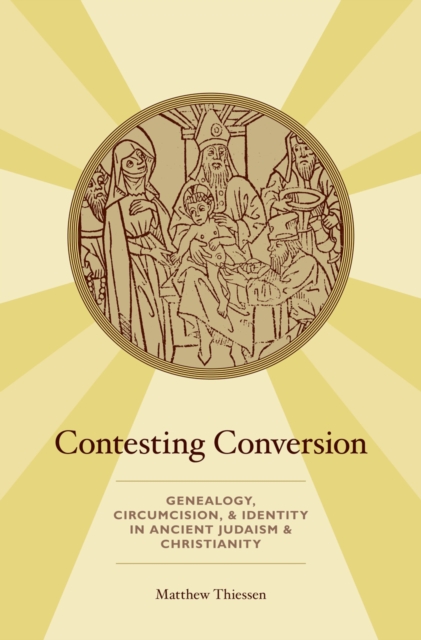
Winner of the Manfred Lautenschlaeger Award for Theological PromiseMatthew Thiessen offers a nuanced and wide-ranging study of the nature of Jewish thought on Jewishness, circumcision, and conversion.