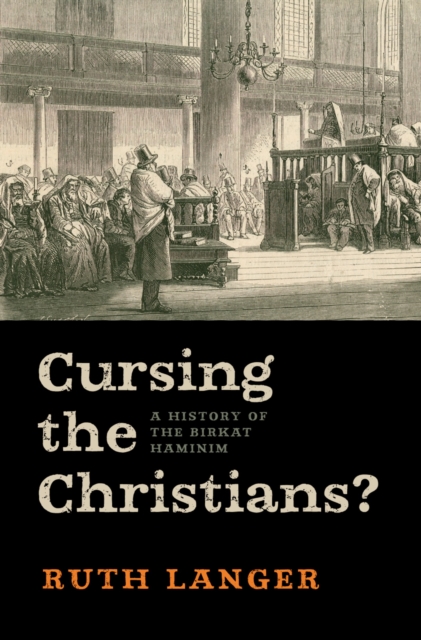
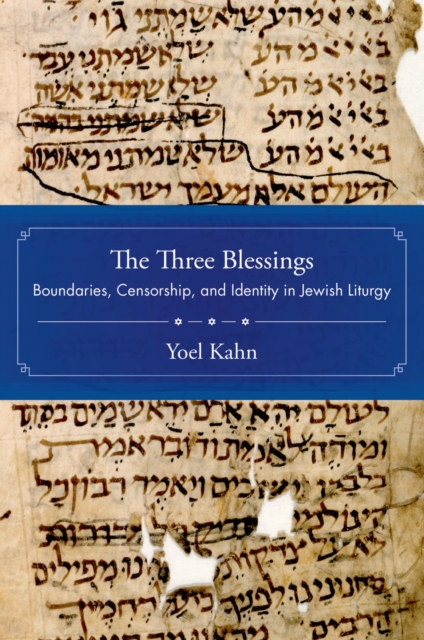
Ruth Langer offers an in-depth study of the birkat haminim, a Jewish prayer for the removal of those categories of human being who prevent the messianic redemption and the society envisioned for it.
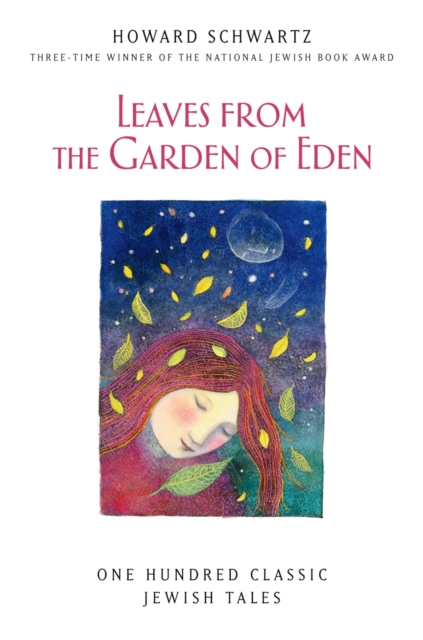
In Leaves from the Garden of Eden, Howard Schwartz, a three-time winner of the National Jewish Book Award, has gathered together one hundred of the most astonishing and luminous stories from Jewish folk tradition.
Lauren Monroe argues that the use of cultic and ritual language in the account of the Judean King Josiah's reforms in 2 Kings 22-23 is key to understanding the history of the text's composition, and illuminates the essential, interrelated processes of textual growth and identity construction in ancient Israel.
For thirty years the director of the Wiener Library in London--the leading institute for the study of anti-Semitism--Walter Laqueur here offers both a comprehensive history of anti-Semitism as well as an illuminating look at the newest wave of this phenomenon.
Winner of Honorable Mention in the Jordan Schnitzer Book Awards of the Association for Jewish StudiesMoshe Simon-Shoshan offers a groundbreaking study of Jewish law (halakhah) and rabbinic story-telling.
Scholars of the Hebrew Bible have in the last decade begun to question the historical accuracy of the Israelite sojourn in Egypt, as described in the book of Exodus.
In Hermeneutics of Holiness , Naomi Koltun-Fromm examines the ancient nexus of holiness and sexuality and explores its roots in the biblical texts as well as its manifestations throughout ancient and late-ancient Judaism and early Syriac Christianity.
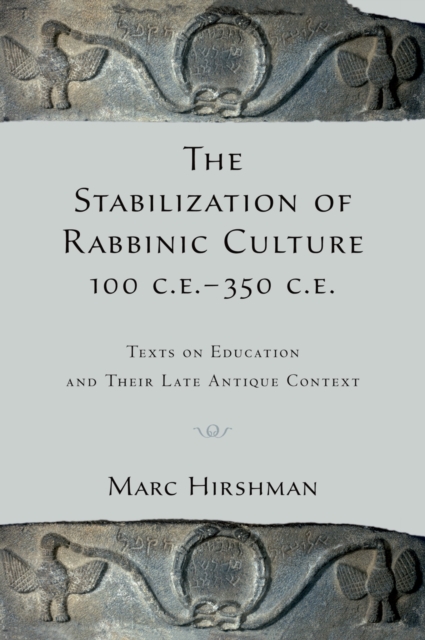
Drawing on the great progress in Talmudic scholarship over the last century, The Stabilization of Rabbinic Culture is both an introduction to a close reading of rabbinic literature and a demonstration of the development of rabbinic thought on education in the first centuries of the Common Era.
The emergence of formative Judaism has traditionally been examined in light of a theological preoccupation with the two competing religious movements, 'Christianity' and 'Judaism' in the first centuries of the Common Era.
Conventionally, the history of the rabbinic movement has been told as a distinctly intra-Jewish development, a response to the gaping need left by the tragic destruction of the Jerusalem Temple in 70 CE.
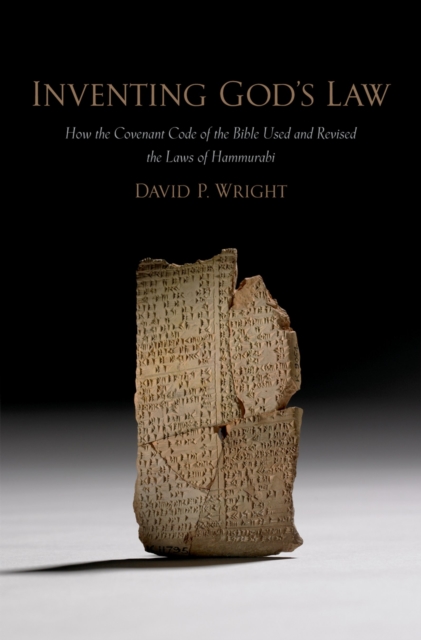
Most scholars believe that the numerous similarities between the Covenant Code (Exodus 20:23-23:19) and Mesopotamian law collections, especially the Laws of Hammurabi, which date to around 1750 BCE, are due to oral tradition that extended from the second to the first millennium.
Named Outstanding Academic Title by CHOICEWinnter of the Wesley-Logan Prize of the American Historical AssociationWinner of the Byron Caldwell Smith Book Prize Winner of the 2014 Albert J.
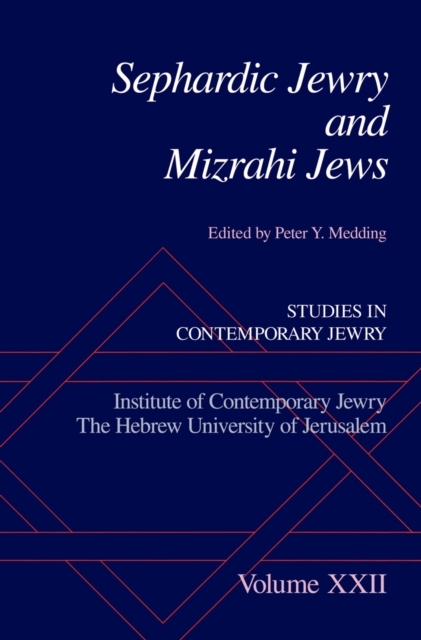
Volume XXII of the distinguished annual Studies in Contemporary Jewry explores the major and rapid changes experienced by a population known variously as "e;Sephardim,"e; "e;Oriental"e; Jews and "e;Mizrahim"e; over the last fifty years.
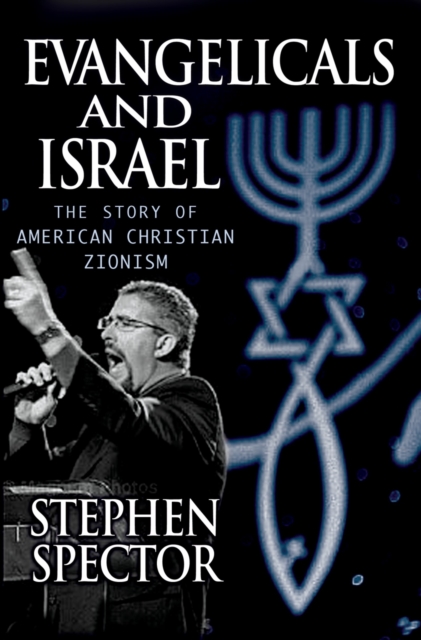
Most observers explain evangelical Christians' bedrock support for Israel as stemming from the apocalyptic belief that the Jews must return to the Holy Land as a precondition for the second coming of Christ.
In Leaves from the Garden of Eden, Howard Schwartz, a three-time winner of the National Jewish Book Award, has gathered together one hundred of the most astonishing and luminous stories from Jewish folk tradition.
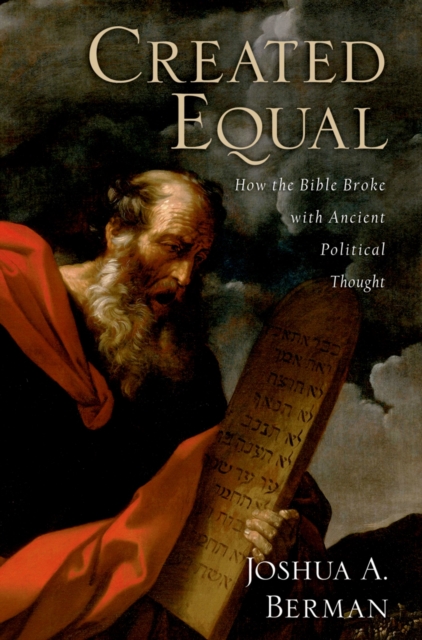
In Created Equal, Joshua Berman engages the text of the Hebrew Bible from a novel perspective, considering it as a document of social and political thought.
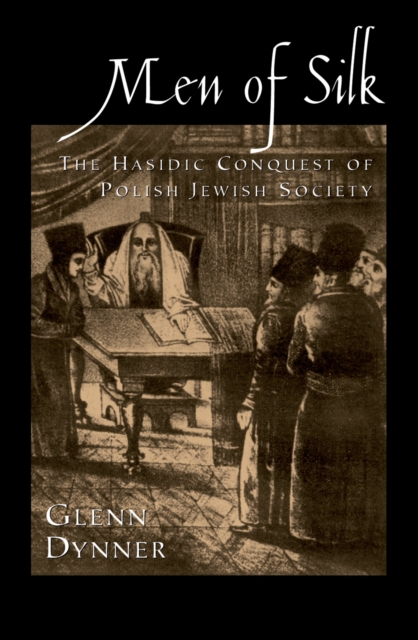
Hasidism, a kabbalah-inspired movement founded by Israel Ba'al Shem Tov (c1700-1760), transformed Jewish communities across Eastern and East Central Europe.
The concepts of purity and pollution are fundamental to the worldview reflected in the Hebrew Bible, yet the ways biblical texts apply these concepts to sexual relationships remain largely overlooked.