Through an analysis of many different examples, Danvers articulates a new way of thinking about mysticism and scepticism, not as opposite poles of the philosophical spectrum, but as two fields of enquiry with overlapping aims and methods.
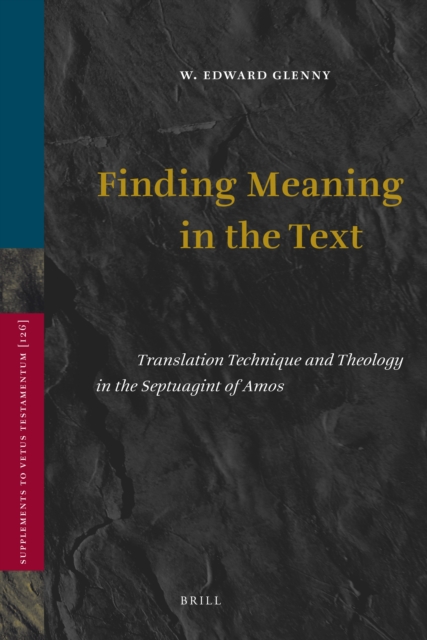
This book offers a thorough analysis of the translation technique and theology of LXX-Amos, which will be valuable for those studying LXX-Amos and for those doing textual criticism in the Hebrew text of Amos.
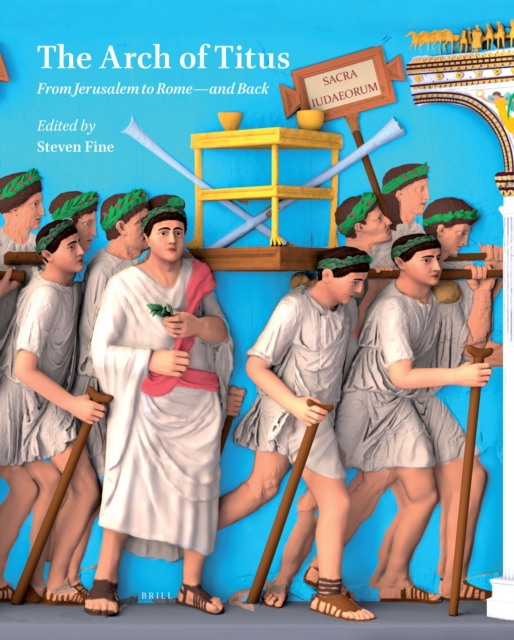
The Arch of Titus: From Jerusalem to Rome-and Back explores the shifting meanings and significance of the Arch of Titus from the Jewish War of 66-74 CE to the present-for Romans, Christians and especially for Jews.
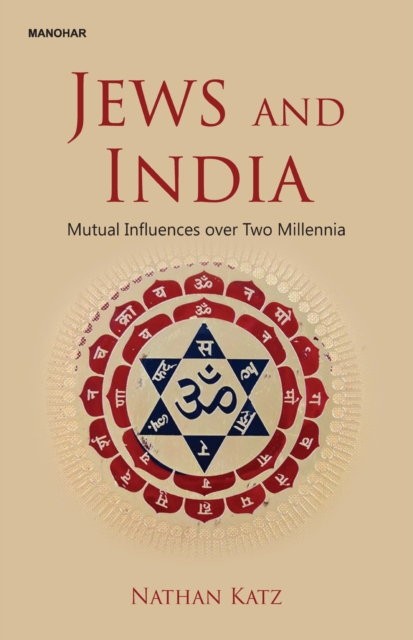
The entire set of sixteen essays in Jews and India explore a particular interaction and mutual influence between Jews and India over the past two millennia.
ENGDespite its general absence from the Jewish liturgical cycle and its limited place in Jewish practice, the Book of Job has permeated Jewish culture over the last 2,000 years.
ENG:That the God of the Hebrew Bible and rabbinic literature, the God of the Jews, is perfectly good is challenged by apparently immoral acts of that God, by contemporary standards, as well as by the classic problem of evil.
Among scholars of Jewish Studies, the process, history, and literature of exiting ones native religious community is increasingly recognized as a new area within the field which, ironically, has a history stretching back to antiquity.
This groundbreaking volume bridges ancient wisdom and contemporary Jewish spirituality, offering fresh insights into Hasidic homilies as dynamic sources of meaning and renewal.