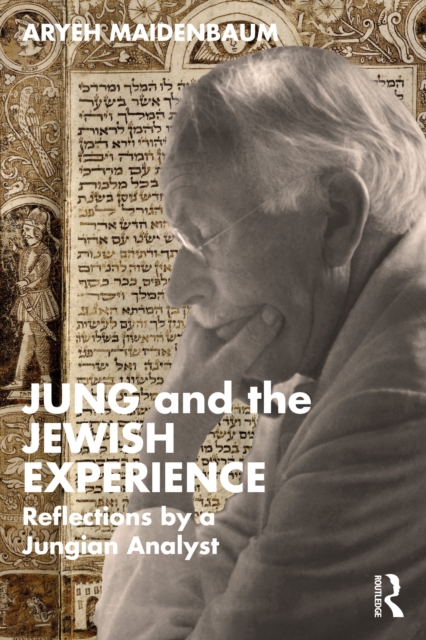
Drawing on Jewish myth, ritual and tradition, as well as the author's own experiences, this original and unique book offers insights into how Jung's psychology and ideas are relevant if understood from a wider, archetypal, perspective.
The most integral part of Christian worship is the Holy Mass, where the church comes together to enjoin as one in the Sacrament of Christ's Body and Blood.
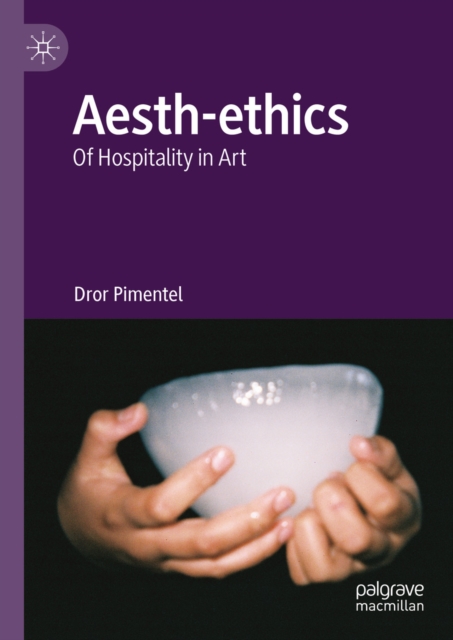
The question of hospitality is the most pressing question in contemporary thought: How can we host that which is utterly Other, that which resists all conceptualization, and thus disrupts the proper course of thought?
The question of hospitality is the most pressing question in contemporary thought: How can we host that which is utterly Other, that which resists all conceptualization, and thus disrupts the proper course of thought?
The aim of this volume is to deepen the academic discussion on the topic of anti-Judaism in the Orthodox liturgy and to offer to a broader circle of readers a foundation for further debate.
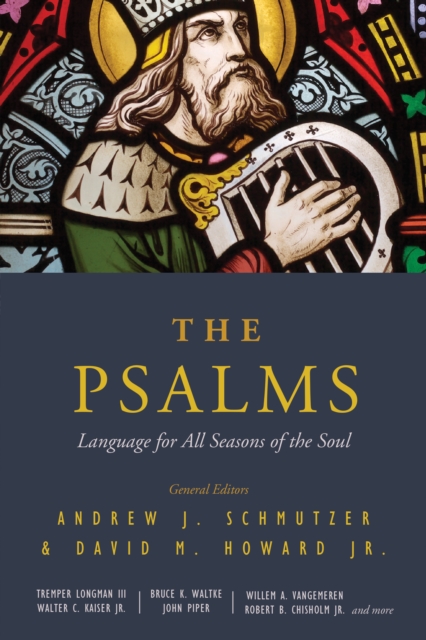
The Psalms: Language for All Seasons of the Soul brings together essays from eighteen Old Testament scholars discussing the latest in Psalms scholarship and applying exegetical insights to the life of faith.
Originally published in English in 1964, this volume describes the ghettos which formed medieval enclaves in the cities of Renaissance and post-Renaissance Europe.
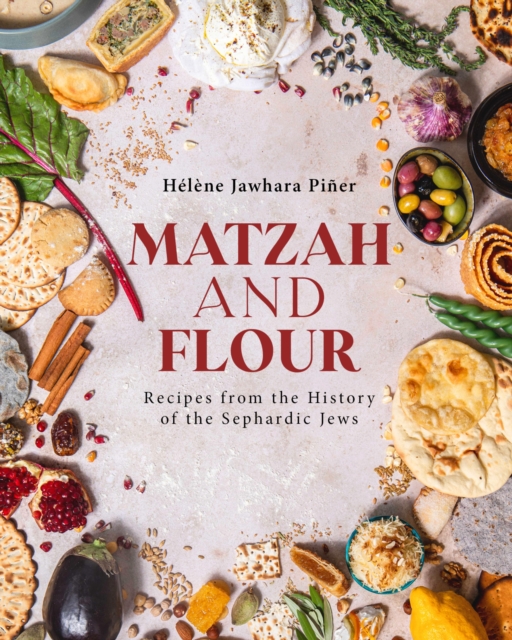
From Hlne Jawhara Pier, Gourmand World Cookbook Award-winning author ofSephardi: Cooking the History, comes a collection of 125 meticulously crafted recipes showcasing the enduring flavors that define Sephardic culinary heritage.
God used Hosea and Amos--one right after the other--to announce to the Northern Kingdom (Israel) that God's patience had at last ended and that the hour of decision had arrived.
Herod the Great stands as one of history's most enigmatic figures, a ruler whose reign over Judea was marked by both monumental achievements and profound controversies.
Originally published in 1964, this further volume in Poul Borchsenius' history of the Jewish people, is the story of the emancipation from the time when the Jews lived a segregated life in the ghetto, until the Age of Enlightenment they achieved equality.
In this book, Yael Pilowsky Bankirer reads into Freud's writings with the unique prism of circumcision as a marker for both the formation of masculine identity, and for matricide, the disappearance of the mother.
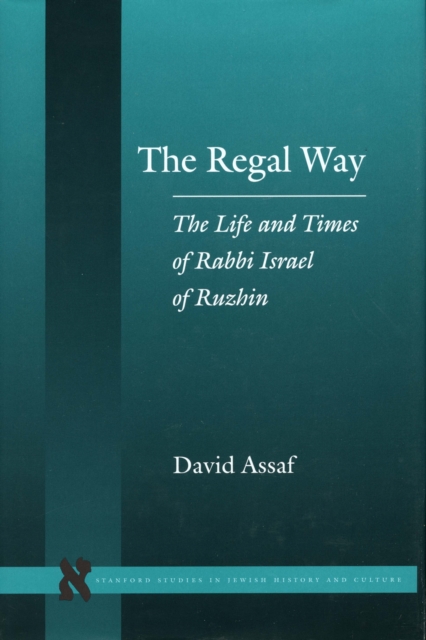
This is a pioneering study of the nineteenth century Hasidic movement as shown through the life of one of the most controversial and influential Hasidic leaders, Rabbi Israel Friedman of Ruzhin (1796-1850).