The earliest rabbinic commentary to the Book of Leviticus, the Sifra, is generally considered an exemplum of Rabbi Akiva's intensely scriptural school of interpretation.
As Light Before Dawn explores the mystical thought of Isaac ben Samuel of Akko, a major medieval kabbalist whose work has until now received relatively little attention.
Studying the Jewish Future explores the power of Jewish culture and assesses the perceived threats to the coherence and size of Jewish communities in the United States, Europe, and Israel.
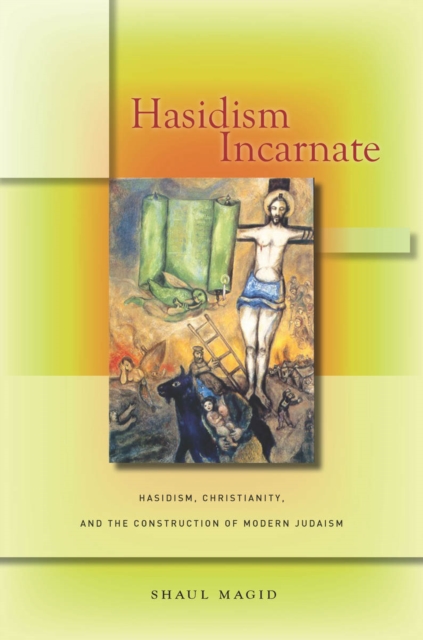
Hasidism Incarnate contends that much of modern Judaism in the West developed in reaction to Christianity and in defense of Judaism as a unique tradition.
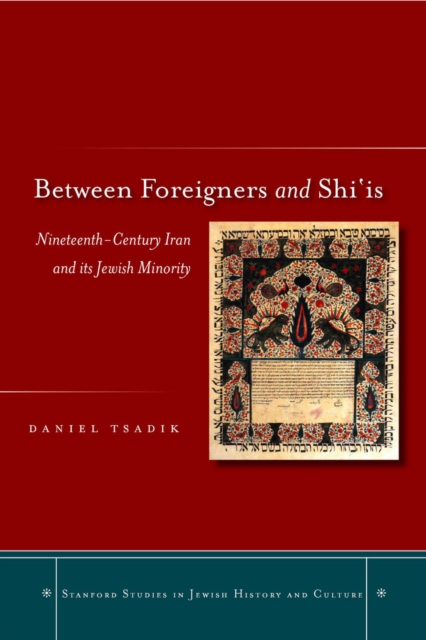
Based on archival and primary sources in Persian, Hebrew, Judeo-Persian, Arabic, and European languages, Between Foreigners and Shi'is examines the Jews' religious, social, and political status in nineteenth-century Iran.
Stories abound of immigrant Jews on the outside looking in, clambering up the ladder of social mobility, successfully assimilating and integrating into their new worlds.
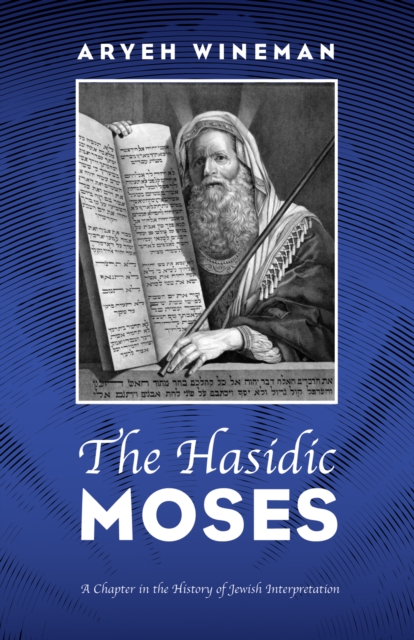
In The Hasidic Moses, Aryeh Wineman invites readers to join him on a journey through various eighteenth- and nineteenth-century Hasidic texts that interpret the life of Moses.
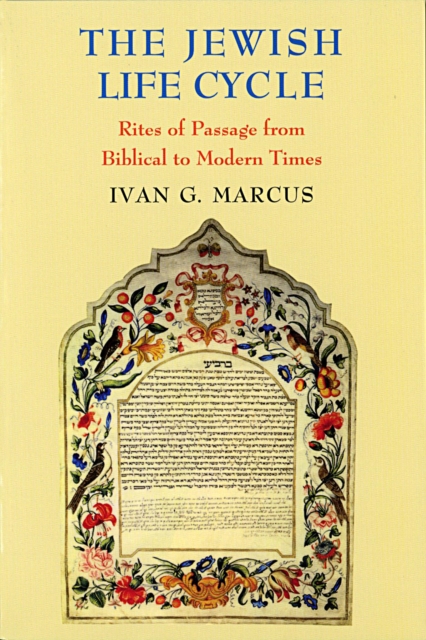
In this original and sweeping review of Jewish culture and history, Ivan Marcus examines how and why various rites and customs celebrating stages in the life cycle have evolved through the ages and persisted to this day.
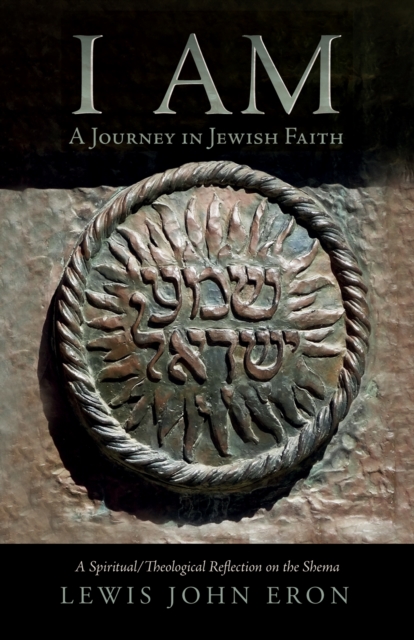
I AM: A Journey in Jewish Faith is a spiritual/theological meditation on the Shema, the biblical statement of God's oneness that rests in the heart of the Jewish people.
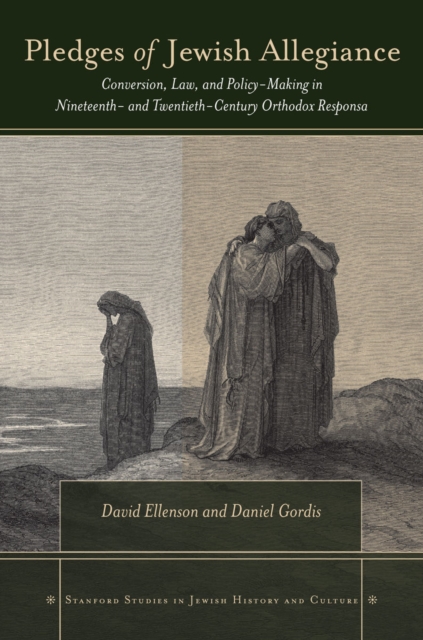
Since the late 1700s, when the Jewish community ceased to be a semiautonomous political unit in Western Europe and the United States and individual Jews became integrated-culturally, socially, and politically-into broader society, questions surrounding Jewish status and identity have occupied a prominent and contentious place in Jewish legal discourse.
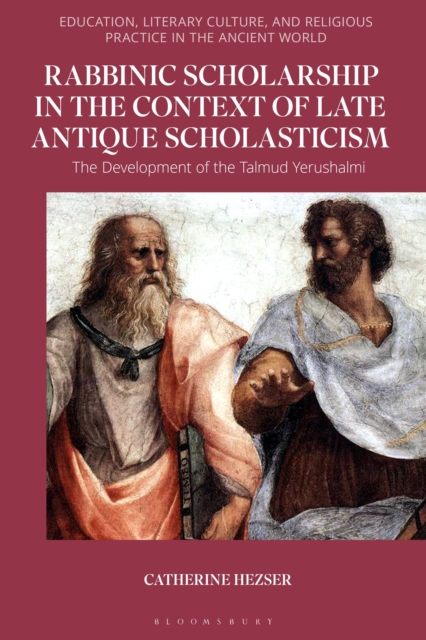
Based on an understanding of scholasticism as a cross-cultural phenomenon, undertaken by rabbinic, Graeco-Roman, and Christian scholars in late antiquity, this book examines the development of Palestinian rabbinic compilations from social-historical and literary-historical perspectives.
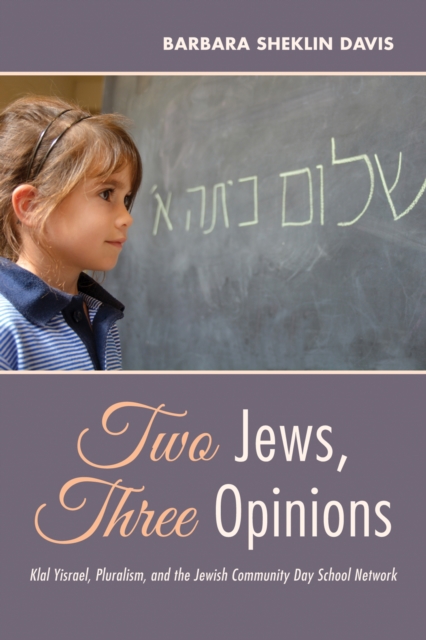
Two Jews, Three Opinions examines a unique educational movement that began in 1980 when eight school leaders met to create RAVSAK: the Jewish Community Day School Network, an association of schools distinguished by being inclusive of all Jews in their communities.
The twenty-first century is emerging as a challenging time for people with faith-based traditions who also seek paths of openness to pluralistic voices and streams of spirituality.
patai investigates the false messiahs who have appeared throughout Jewish history, the modern Messiah-influenced movements such as reform Judaism and Zionism, and the numerous reasons put forth by the various branches of Judaism as to why the Messiah has not yet appeared.
This volume provides an introduction and essays on the four key sections of the Hebrew Scriptures from the perspective of top female biblical scholars:Part One: Torah/PentateuchPart Two: Deuteronomistic History (Joshua–2 Kings)Part Three: Prophets and ProphecyPart Four: Writings and the Book of DanielThis volume highlights key issues in the Hebrew Scriptures from the perspective of top female biblical scholars.
Beneath the commonplace affirmation that Jesus “paid for our sins” lie depths of implication: did God demand a blood sacrifice to assuage divine anger?
Convinced that we no longer have immediate access to the sense of Jesus’ words but must account for the history of its “effects,” David Clark seeks to trace the meaning of the Lord’s Prayer through the early centuries of the faith.
Acclaimed evangelical speaker and writer Tony Campolo teams up with spiritual director and teacher Mary Albert Darling to reveal some gems from the liturgical Christian tradition to Protestants who may be ready for a refreshing change.
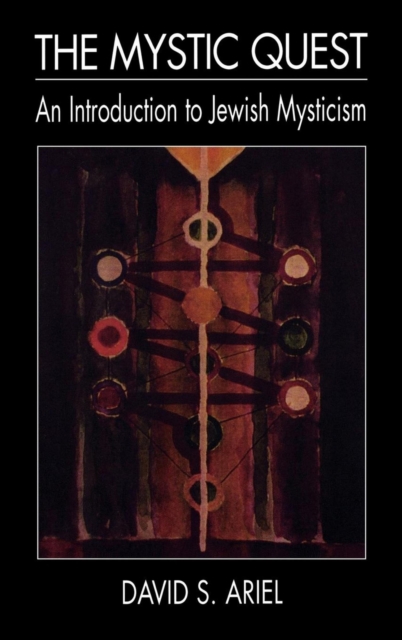
Leo Schaya (1916-1986) was a brilliant author and editor whose only book to appear in English was the much-acclaimed The Universal Meaning of the Kabbalah, which is often cited in books on Jewish mysticism.
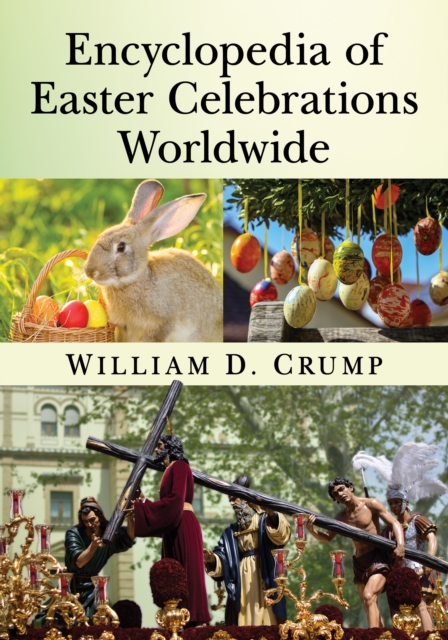
At Eastertime, the most important holiday in the Christian world, religious processions in many Latin American countries pass over ornate street "e;carpets"e; fashioned from colored sawdust, flowers and fruit.
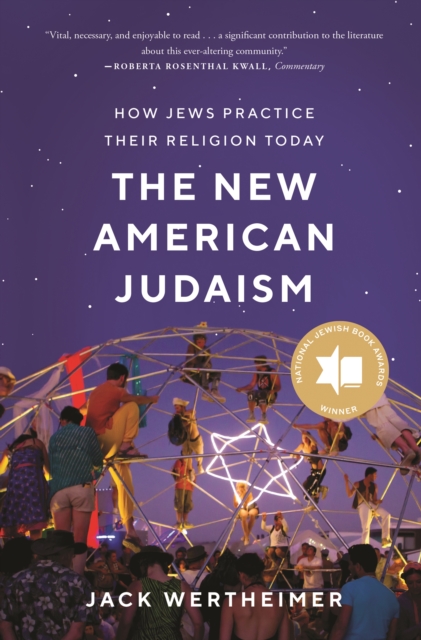
A leading expert provides an engaging firsthand portrait of American Judaism todayAmerican Judaism has been buffeted by massive social upheavals in recent decades.
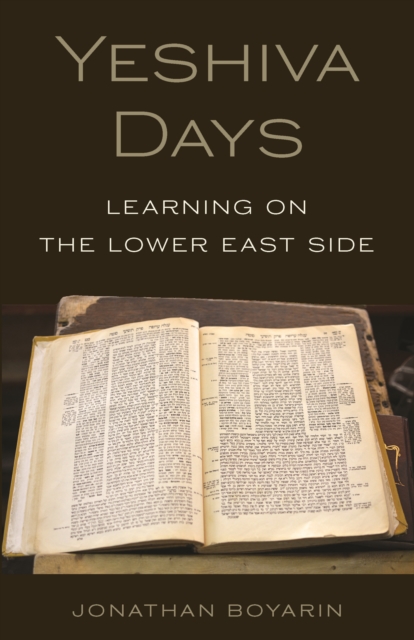
An intimate and moving portrait of daily life in New York's oldest institution of traditional rabbinic learningNew York City's Lower East Side has witnessed a severe decline in its Jewish population in recent decades, yet every morning in the big room of the city's oldest yeshiva, students still gather to study the Talmud beneath the great arched windows facing out onto East Broadway.
Understanding the Bible as an account of the unfolding revelation of God to humankind through history, Roland Mushat Frye suggests that the many sub-plots, monologues, and reflections of the Bible compose a coherent story that continues through both the Old and New Testaments.
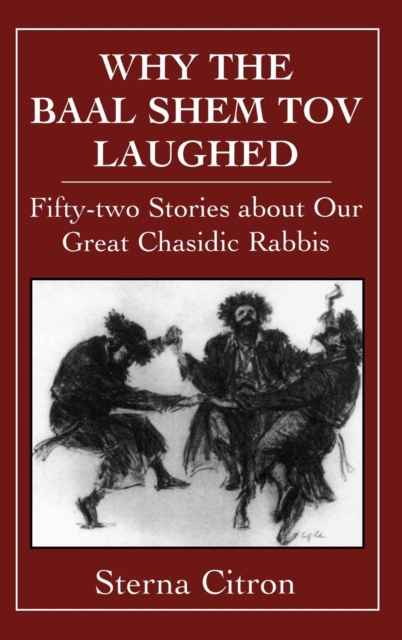
The Jewish philosopher Martin Buber spoke directly to the most profound human concerns in all his works, including his discussions of Hasidism, a mystical-religious movement founded in Eastern Europe by Israel ben Eliezer, called the Baal-Shem (the Master of God's Name).
Power in the Portrayal unveils a fresh and vital perspective on power relations in eleventh- and twelfth-century Muslim Spain as reflected in historical and literary texts of the period.
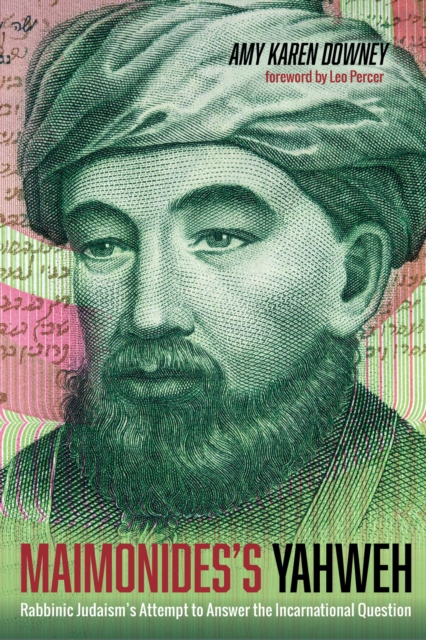
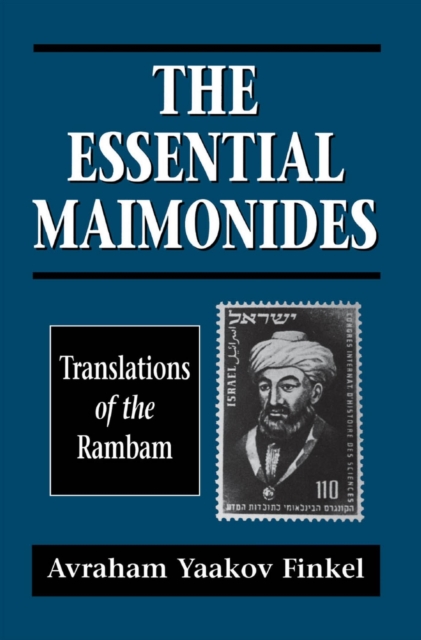
A comprehensive and accessible account of the life and thought of Judaism's most celebrated philosopherMaimonides was the greatest Jewish philosopher and legal scholar of the medieval period, a towering figure who has had a profound and lasting influence on Jewish law, philosophy, and religious consciousness.
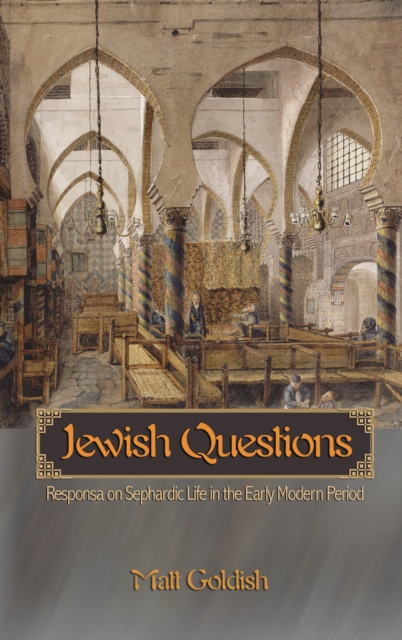
In Jewish Questions, Matt Goldish introduces English readers to the history and culture of the Sephardic dispersion through an exploration of forty-three responsa--questions about Jewish law that Jews asked leading rabbis, and the rabbis' responses.
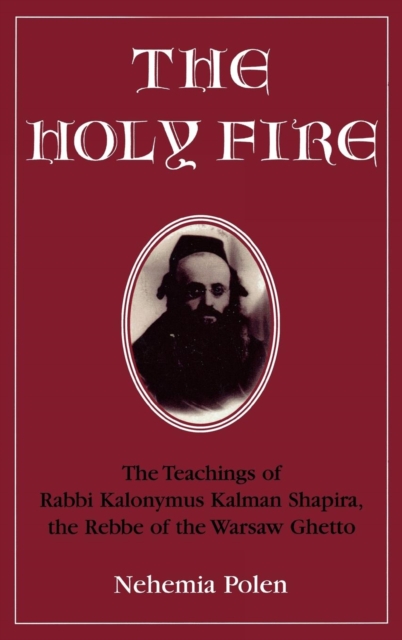
The Holy Fire: The Teachings of Rabbi Kalonymus Kalman Shapira, the Rebbe of the Warsaw Ghetto is a journey into the mind and spirit of a sublime hasidic master in his moments of joy and tranquillity, and later, in his time of personal and communal catastrophe.