In discussion with Martin Buber, Franz Rosenzweig, Abraham Joshua Heschel, Franz Fischer and Emmanuel Levinas, Ephraim Meir outlines a novel conception of a selfhood that is grounded in dialogical thought.
This book employs cognitive linguistics to determine the foundational elements of the ancient Israelites' concept of teaching as reflected in the text of the Hebrew Bible and Ben Sira.
The volume contains eight original studies, each of which focuses on a different chapter or central passage in Daniel and offers a new interpretation or reading of the passage in question.
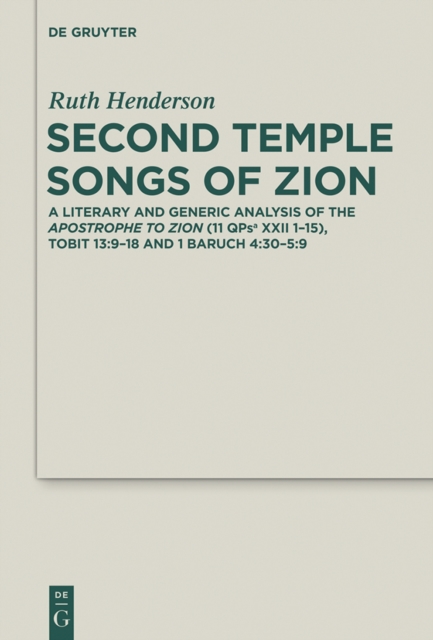
Although in Second Temple literature we find a variety of songs concerned with the future of Jerusalem, little attempt has been made to analyse these comparatively as a generic group.
This monograph examines the place of chapters 3 and 4 in the larger argument of Hebrews, particularly the relationship of the people of God in Heb 3:7-4:13 to the surrounding discussion of the high priest.
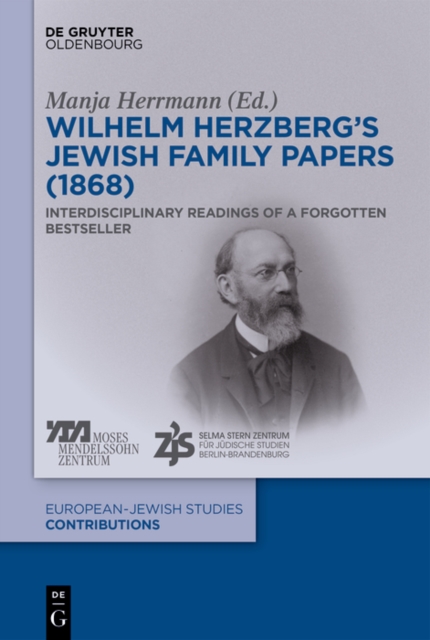
Wilhelm Herzberg's novel Jewish Family Papers, which was first published under a pseudonym in 1868, was one of the bestselling German-Jewish books of the nineteenth century.
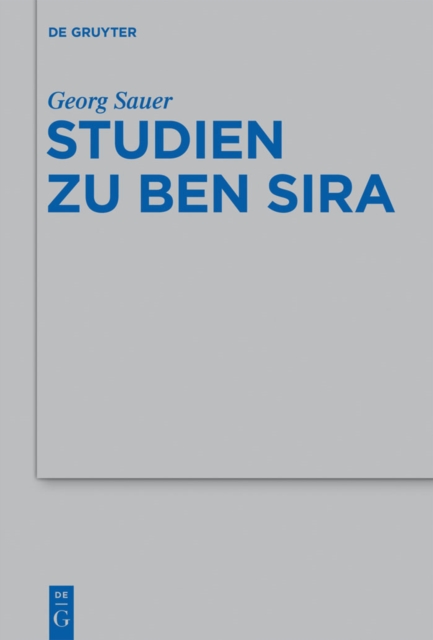
Professor Maurice Gilbert SJ is widely acknowledged as one of the leading authorities on biblical wisdom literature, in particular the Book of Ben Sira and the Wisdom of Solomon, on which he has produced many publications.
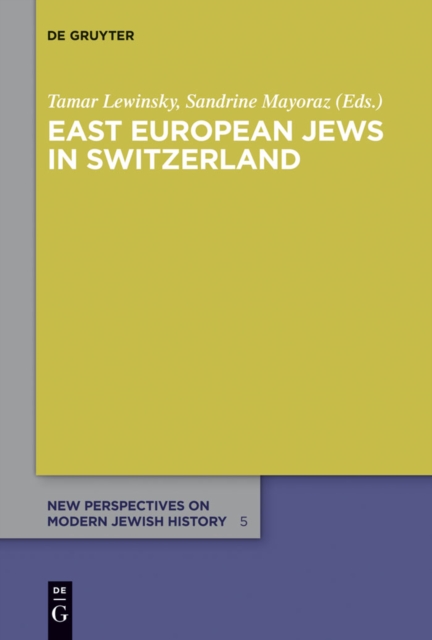
During the era of Jewish mass migration from Eastern Europe (from the 1880s until the First World War), Switzerland played an important role in absorbing immigrants.
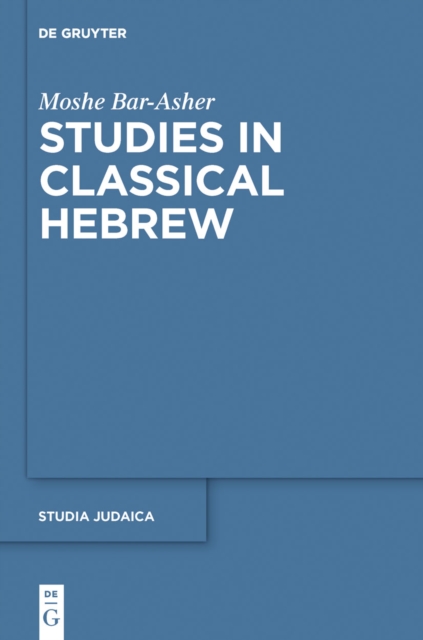
Professor Moshe Bar-Asher, Professor Emeritus at the Hebrew University and long-time president of the Academy of the Hebrew Language, has published more than 200 articles and sixteen books and edited aboout 90 books and collections.
The present volume is one of the first to concentrate on a specific theme of biblical interpretation in the Dead Sea Scrolls, namely the book of Genesis.
Sworn Enemies explains how the book of Ezekiel uses formulaic language from the exodus origin tradition - especially YHWH's oath - to craft an identity for the Judahite exiles.
How far can Jewish life in the South during Reconstruction (1863-1877) be described as German in a period of American Jewry traditionally referred to as 'German Jewish' in historiography?