Pan'gye surok (or "e;Pan'gye's Random Jottings"e;) was written by the Korean scholar and social critic Yu Hyongwon(1622-1673), who proposed to reform the Joseon dynasty and realise an ideal Confucian society.
Pan'gyesurok (or "e;Pan'gye's Random Jottings"e;) was written by the Korean scholar and social critic Yu Hyongwon(1622-1673), who proposed to reform the Joseon dynasty and realise an ideal Confucian society.
Pan'gye surok (or "e;Pan'gye's Random Jottings"e;) was written by the Korean scholar and social critic Yu Hyongwon(1622-1673), who proposed to reform the Joseon dynasty and realise an ideal Confucian society.
Pan'gyesurok (or "e;Pan'gye's Random Jottings"e;) was written by the Korean scholar and social critic Yu Hyongwon(1622-1673), who proposed to reform the Joseon dynasty and realise an ideal Confucian society.
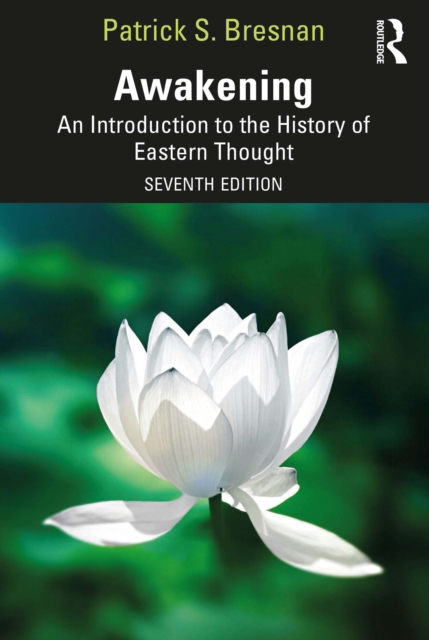
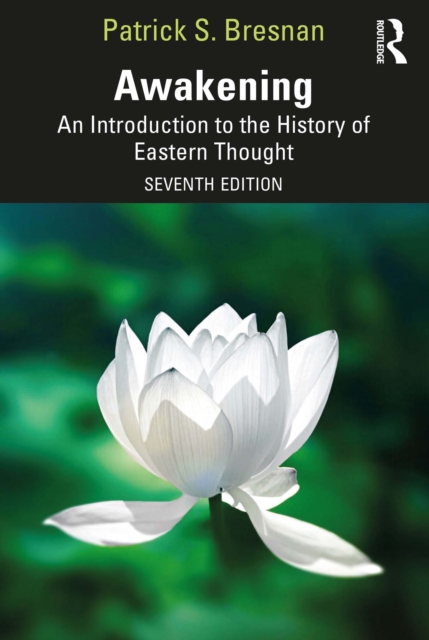
Awakening: An Introduction to the History of Eastern Thought provides the reader with a thorough and valuable overview of the historical development of the major Eastern religious and philosophical traditions, primarily in India, China, and Japan.
Awakening: An Introduction to the History of Eastern Thought provides the reader with a thorough and valuable overview of the historical development of the major Eastern religious and philosophical traditions, primarily in India, China, and Japan.
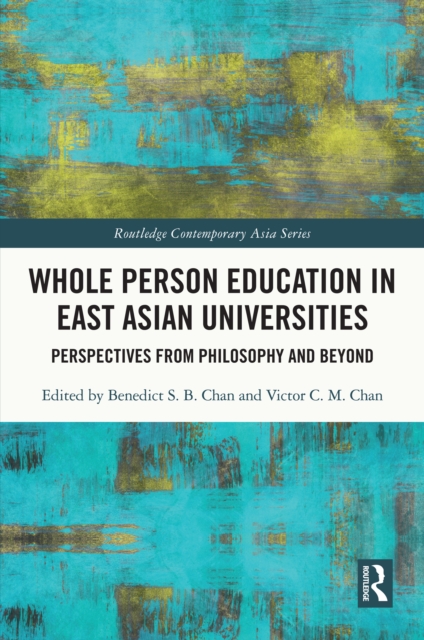
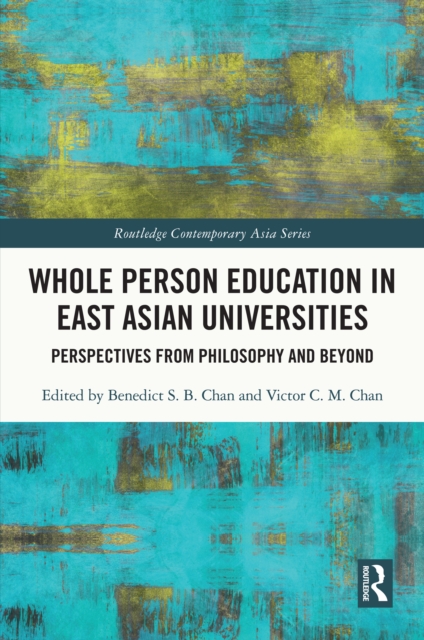
This book provides much new thinking on the phenomenon of whole-person education, a phenomenon which features strongly in East Asian universities, and which aims to develop students intellectually, spiritually, and ethically, to master critical thinking skills, to explore ethical challenges in the surrounding community, and to acquire a broad based foundation of knowledge in humanities, society, and nature.
This book provides much new thinking on the phenomenon of whole-person education, a phenomenon which features strongly in East Asian universities, and which aims to develop students intellectually, spiritually, and ethically, to master critical thinking skills, to explore ethical challenges in the surrounding community, and to acquire a broad based foundation of knowledge in humanities, society, and nature.
It is well known that Jung's investigation of Eastern religions and cultures supplied him with an abundance of cross-cultural comparative material, useful to support his hypotheses of the existence of archetypes, the collective unconscious and other manifestations of psychic reality.
It is well known that Jung's investigation of Eastern religions and cultures supplied him with an abundance of cross-cultural comparative material, useful to support his hypotheses of the existence of archetypes, the collective unconscious and other manifestations of psychic reality.
First published in 2001, Popular Religion in China: The Imperial Metaphor was written to bring together both the previously unpublished and published results of fieldwork in the People's Republic of China and Taiwan and to put them into an historical, political, and theoretical context.
First published in 2001, Popular Religion in China: The Imperial Metaphor was written to bring together both the previously unpublished and published results of fieldwork in the People's Republic of China and Taiwan and to put them into an historical, political, and theoretical context.
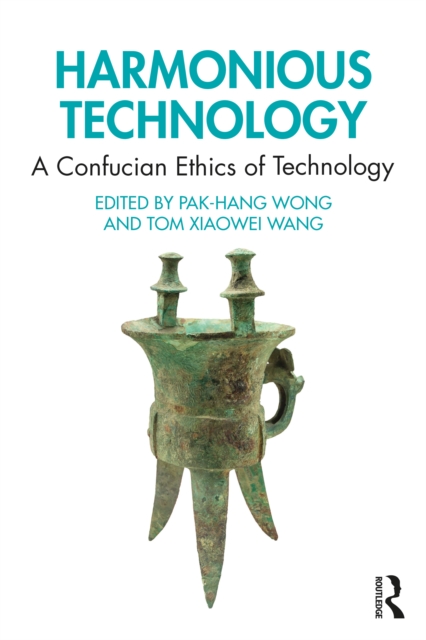
Technology has become a major subject of philosophical ethical reflection in recent years, as the novelty and disruptiveness of technology confront us with new possibilities and unprecedented outcomes as well as fundamental changes to our "e;normal"e; ways of living that demand deep reflection of technology.
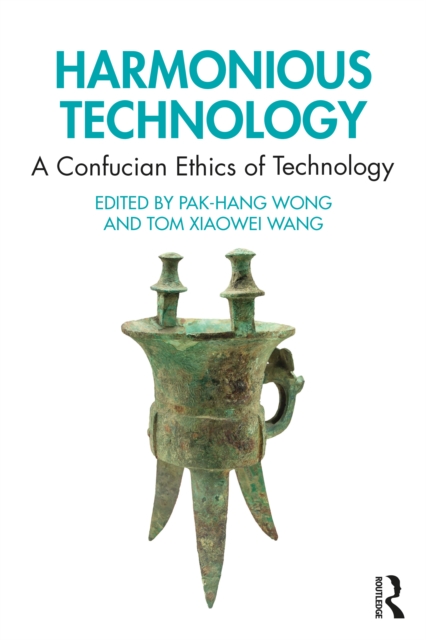
Technology has become a major subject of philosophical ethical reflection in recent years, as the novelty and disruptiveness of technology confront us with new possibilities and unprecedented outcomes as well as fundamental changes to our "e;normal"e; ways of living that demand deep reflection of technology.
Heritage and Religion in East Asia examines how religious heritage, in a mobile way, plays across national boundaries in East Asia and, in doing so, the book provides new theoretical insights into the articulation of heritage and religion.
Heritage and Religion in East Asia examines how religious heritage, in a mobile way, plays across national boundaries in East Asia and, in doing so, the book provides new theoretical insights into the articulation of heritage and religion.
The concentration of this monograph on Chinese spirit mediumship in Singapore is chiefly a device for focussing attention upon the most typical, although rather extreme, manifestation of the major religious orientation of the overseas Chinese.
The concentration of this monograph on Chinese spirit mediumship in Singapore is chiefly a device for focussing attention upon the most typical, although rather extreme, manifestation of the major religious orientation of the overseas Chinese.
This book provides a framework by which a global audience might think theologically about contemporary films produced in mainland China by Chinese directors.
This book provides a framework by which a global audience might think theologically about contemporary films produced in mainland China by Chinese directors.
Sacred Heritage in Japan is the first volume to explicitly address the topics of Japanese religion and heritage preservation in connection with each other.
Sacred Heritage in Japan is the first volume to explicitly address the topics of Japanese religion and heritage preservation in connection with each other.
This book, first published in 1932, was written by a Western expert on Korea, and was the first to thoroughly investigate and document the old religious practices of Korea.
This book, first published in 1932, was written by a Western expert on Korea, and was the first to thoroughly investigate and document the old religious practices of Korea.
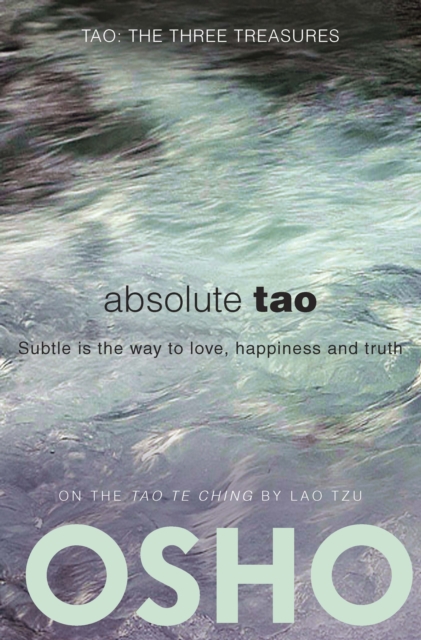
Moving beyond the usual interpretations of this classic Chinese text that of using it as an indicator of what to do next or attempting to predict the future Osho is using the Tao Te Ching as Lao Tzu intended: to ignite the flame of individual awareness and insight.
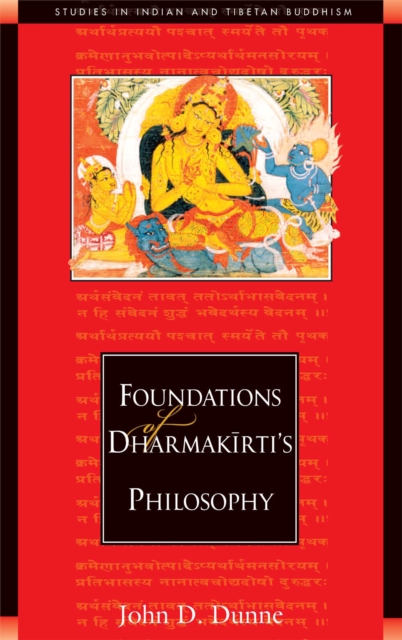
Throughout the history of Buddhism, few philosophers have attained the stature of Dharmakirti, the "e;Lord of Reason"e; who has influenced virtually every systematic Buddhist thinker since his time.