Immortal Wishes is a powerful ethnographic rendering of religious experiences of landscape, healing, and self-fashioning on a northern Japanese sacred mountain.
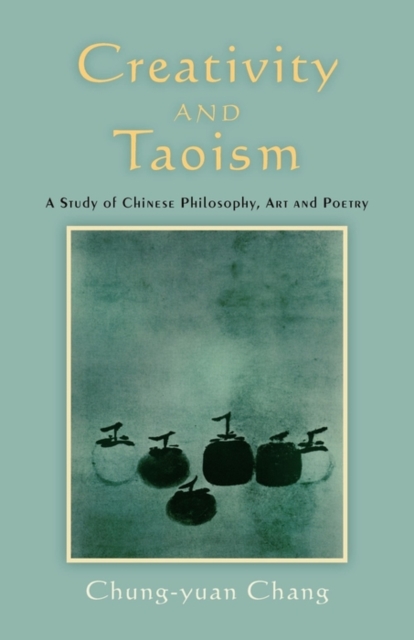
In Creativity and Taoism, Chang Chung-yuan makes the elusive principle of Tao available to the western mind with objectivity, warmth, and depth of insight.
In 18th-century Europe, before the "e;Counter-Enlightenment,"e; two coexisting perspectives emerged within the Enlightenment: the first was the belief that humans were endowed with the capacity to think independently, which led to the possibility of egalitarianism; the second was the restriction of the faculty's scope of application, which argued that the people must rely on intellectuals as their new shepherds.
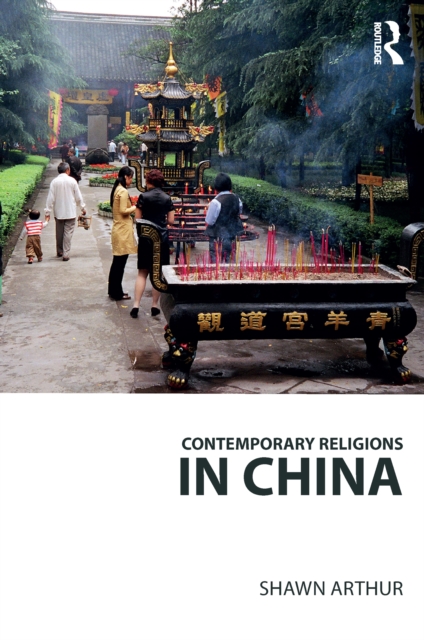
This third volume of Princeton Readings in Religions demonstrates that the "e;three religions"e; of China--Confucianism, Daoism, and Buddhism (with a fourth, folk religion, sometimes added)--are not mutually exclusive: they overlap and interact with each other in a rich variety of ways.
Largely unstudied until now, the religious festivals that attracted Chinese people from all walks of life provide the most instructive examples of the interaction between Chinese forms of social life and the Indian tradition of Buddhism.
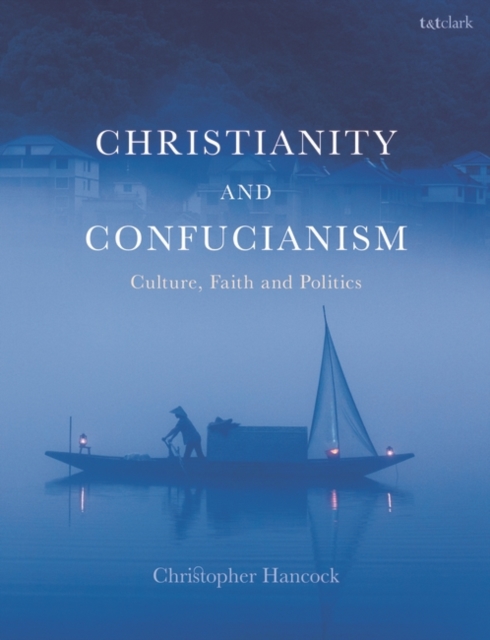
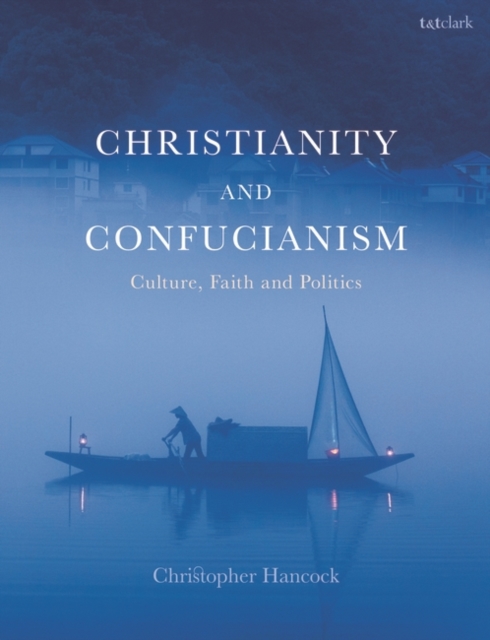
Christianity and Confucianism: Culture, Faith and Politics, sets comparative textual analysis against the backcloth of 2000 years of cultural, political, and religious interaction between China and the West.
Christianity and Confucianism: Culture, Faith and Politics, sets comparative textual analysis against the backcloth of 2000 years of cultural, political, and religious interaction between China and the West.
In the religions of the world, there is strongemphasis on the practice of "e;purification"e; for the religious transformation ofmind and body in connection with achieving such ultimate objectives asenlightenment and salvation.
In the religions of the world, there is strongemphasis on the practice of "e;purification"e; for the religious transformation ofmind and body in connection with achieving such ultimate objectives asenlightenment and salvation.
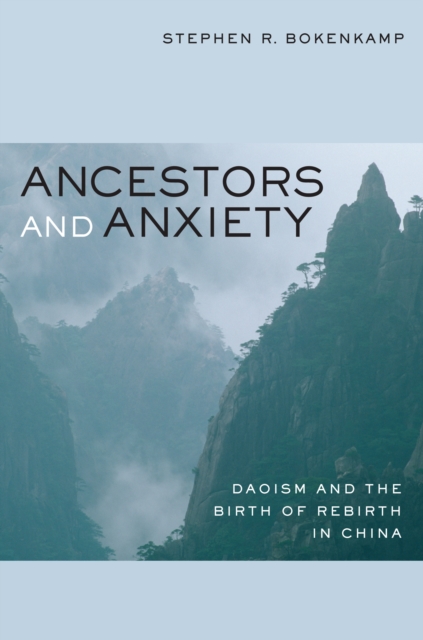
This innovative work on Chinese concepts of the afterlife is the result of Stephen Bokenkamp's groundbreaking study of Chinese scripture and the incorporation of Indic concepts into the Chinese worldview.
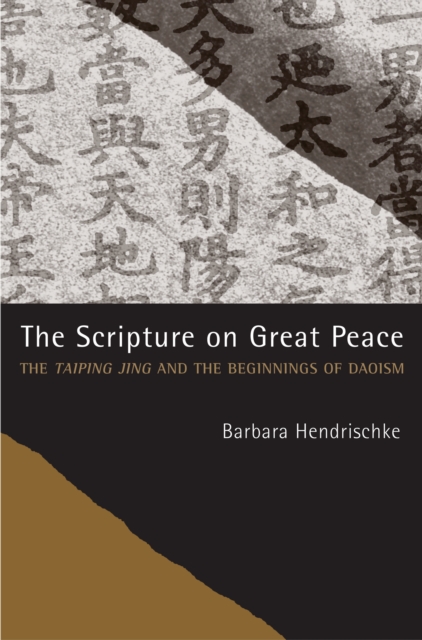
This first Western-language translation of one of the great books of the Daoist religious tradition, the Taiping jing, or "e;Scripture on Great Peace,"e; documents early Chinese medieval thought and lays the groundwork for a more complete understanding of Daoism's origins.
From its beginnings, Confucianism has vibrantly taught that each person is able to find the Way individually in service to the community and the world.
From its beginnings, Confucianism has vibrantly taught that each person is able to find the Way individually in service to the community and the world.
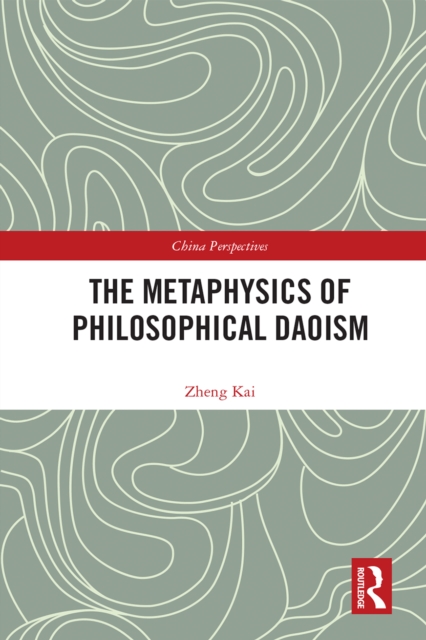
Drawing on evidence from a wide range of classical Chinese texts, this book argues that xingershangxue, the study of "e;beyond form"e;, constitutes the core argument and intellectual foundation of Daoist philosophy.
Drawing on evidence from a wide range of classical Chinese texts, this book argues that xingershangxue, the study of "e;beyond form"e;, constitutes the core argument and intellectual foundation of Daoist philosophy.
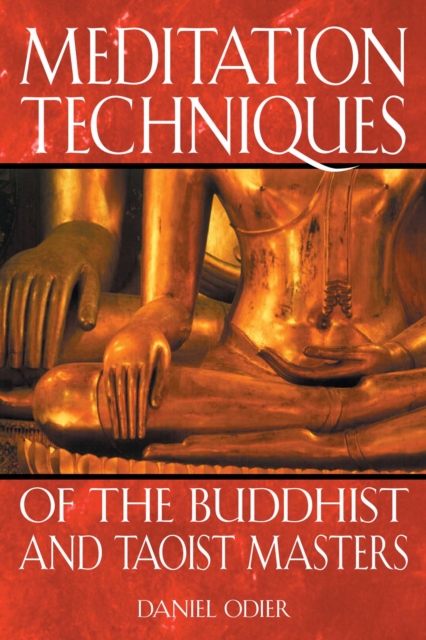
This book, first published in 1980, comprises separate sections on Taoist and Buddhist contemplative yogas, each divided into a theory part (summarising their fundamental principles and outlook) and a practice part (detailing their various practices).
This book, first published in 1980, comprises separate sections on Taoist and Buddhist contemplative yogas, each divided into a theory part (summarising their fundamental principles and outlook) and a practice part (detailing their various practices).
Providing an analysis of Chinese divination as a means of organizing and interpreting reality, Richard Smith examines a wide variety of mantic techniques - from the use of the hallowed Yjing to such popular practices as siting (geomancy), astrology, numerology, physiognomy, the analysis of written characters, meteorological divination, the use of mediums (including spirit-writing), and dream interpretation.
Providing an analysis of Chinese divination as a means of organizing and interpreting reality, Richard Smith examines a wide variety of mantic techniques - from the use of the hallowed Yjing to such popular practices as siting (geomancy), astrology, numerology, physiognomy, the analysis of written characters, meteorological divination, the use of mediums (including spirit-writing), and dream interpretation.
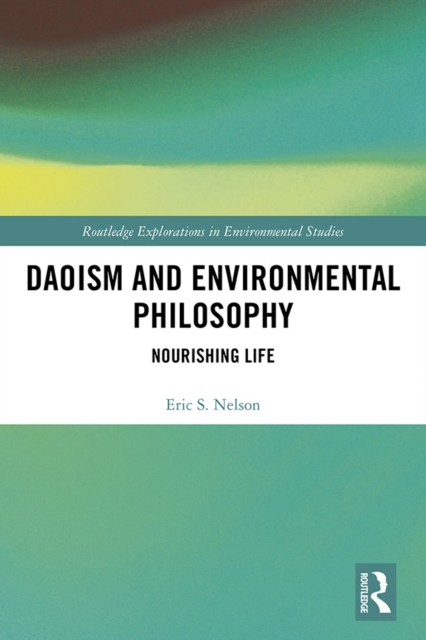
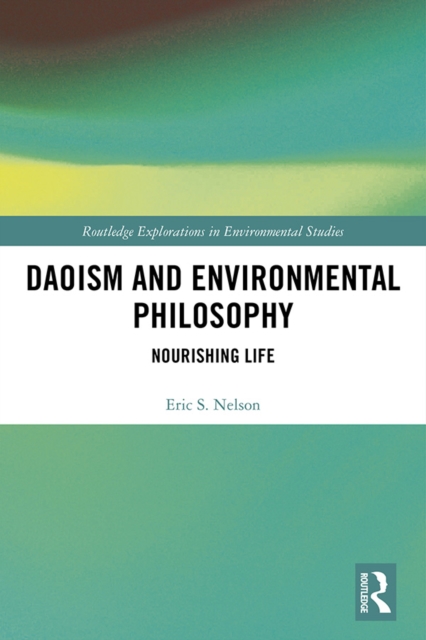
Daoism and Environmental Philosophy explores ethics and the philosophy of nature in the Daodejing, the Zhuangzi, and related texts to elucidate their potential significance in our contemporary environmental crisis.
Daoism and Environmental Philosophy explores ethics and the philosophy of nature in the Daodejing, the Zhuangzi, and related texts to elucidate their potential significance in our contemporary environmental crisis.
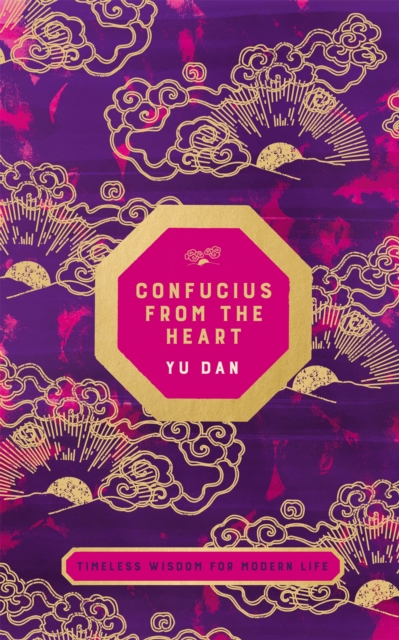
Simply written, and with a view to taking the wisdom of Confucius out of the hands of the academics and the philosophers and making it accessible to the general reader, Confucius From the Heart gives us a contemporary Confucius, one who can teach us how to attain spiritual happiness, adjust our daily routines and find our place in modern life.
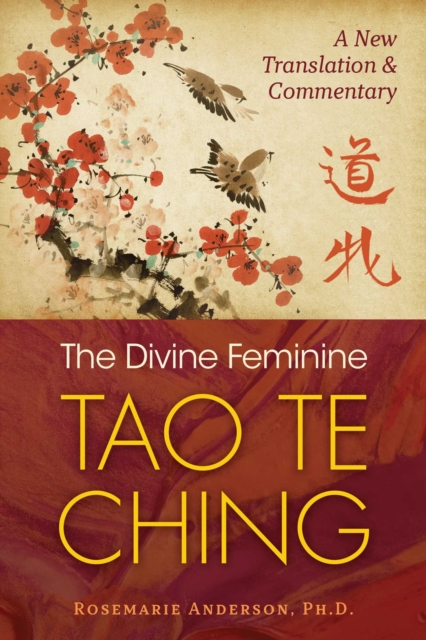
Restores the feminine essence of the Tao Te Ching as well as the simplicity and poetic undertones of the chapters Offers commentary for each of the 81 chapters and key Chinese characters to reveal their profound wisdom Translated from ancient silk and bamboo slip manuscripts, the oldest known copies of the Tao Te Ching Paper with French flaps In this book, Rosemarie Anderson shares her discoveries of the Divine Feminine Tao alongside her original translation of the Tao Te Ching.
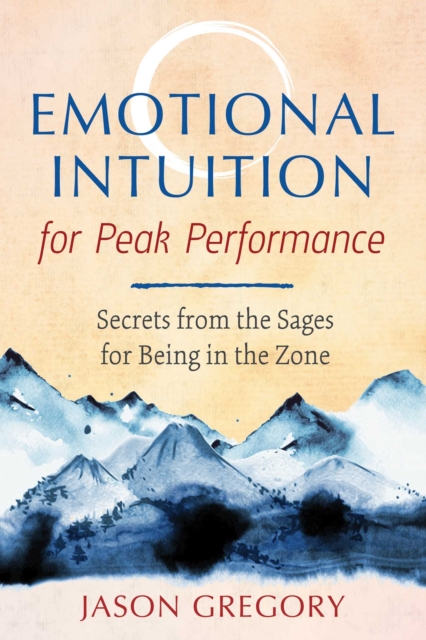
Reveals a structured mind-body system for cultivating effortless action and intelligent spontaneity for peak performance Details 4 fundamental habits and routines that are essential for developing peak performance and explains how to incorporate them into daily life Explains the cognitive science behind the development of expert skills and how the teachings of ancient Eastern sages align with these scientific findings Offers practices for cultivating physical and mental intelligence, fasting the mind, and harnessing creativity to achieve your desires Integrating the wisdom of the ancient sages with modern science, Jason Gregory explains how world-class artists and athletes reach peak performance--and how you, too, can harness this lifestyle technology to make your actions effortless, enjoy intelligent spontaneity, and reach optimal performance at a peak level.
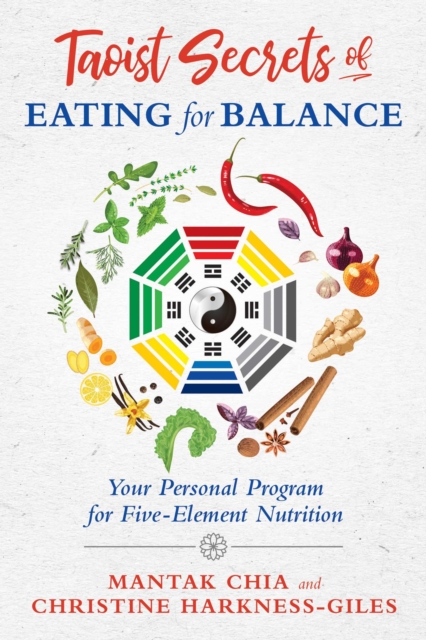
Explains how to use your Taoist astrology birth chart as a personal nutritional guide for health, longevity, and organ energy balance Explores how to help balance your birth chi through your eating habits as well as explaining how foods address your five-element energetic profile Provides detailed food lists based on ancient Taoist wisdom that reveal their effect on the Yin, Yang, and five-element energies Shows how your five-element energies outline your life and influence success in relationships and at work We are each born with a unique combination of heavenly and earthly energies defined by the five elements and dictated by the universe at the moment you take your first breath.
A guide for achieving an enlightened mind through the art of non-doing Details meditation practices, focused on stillness of the mind, along with Patanjalis yoga methods to maintain a consciousness referred to as being in the zone Builds on Taoist, Confucian, and Hindu principles along with scientific findings to support wu-wei--the art of non-doing, non-forcing--as a way of life Explains how wu-wei practitioners cultivate intelligent spontaneity and effortless action to allow the natural harmony of the cosmos to prevail The practice of non-doing, non-forcing is an essential aspect of Taoism known as wu-wei.
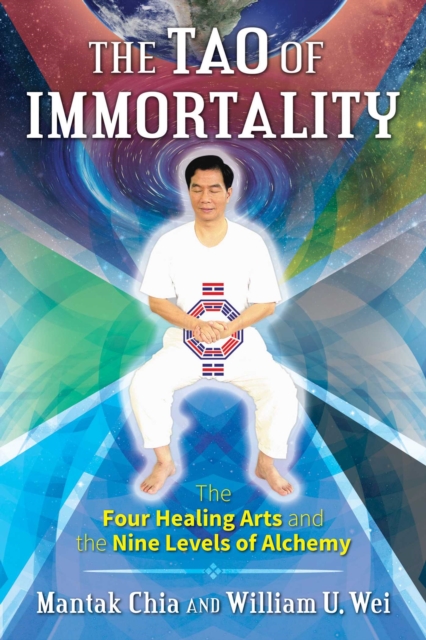
A comprehensive guide to the core practices of the Universal Healing Tao System and the advanced esoteric practices of Inner Alchemy Explains each of the nine levels of Inner Alchemy and their more than 240 formulas Explores the Four Healing Arts for transformation of the emotional body, physical body, energy body, and spiritual body Provides simplified versions of core Universal Healing Tao practices to more easily integrate the system into your daily life Shows how these exercises were designed to increase longevity and ensure the survival of consciousness beyond death Explaining the evolution and core of the Universal Healing Tao system, Master Mantak Chia and William U.
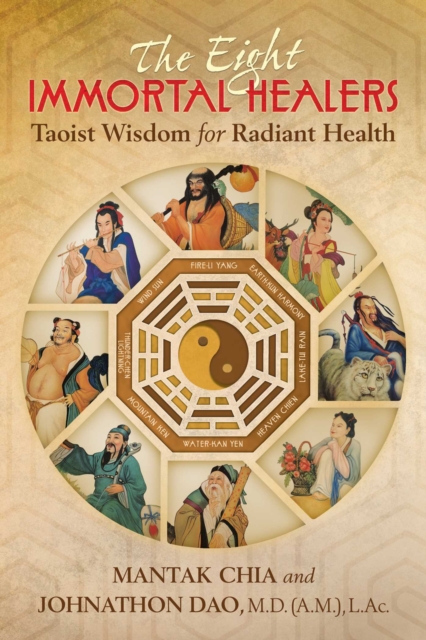
A detailed guide to restoring the eight foundational areas of health Explains how each of legendary Taoist masters known as the Eight Immortals has a specific area of health as the focus of his or her teachings Offers practices, techniques and guidelines for each of the Eight Immortal Healer teachings, including the important roles of oxygen and water in the body, nutrition, detoxification, exercise, energy work, emotional pollution, and spiritual hygieneThe Eight Immortals are a group of legendary ancient Taoist masters, each associated with a specific area of health or a powerful healing technique.
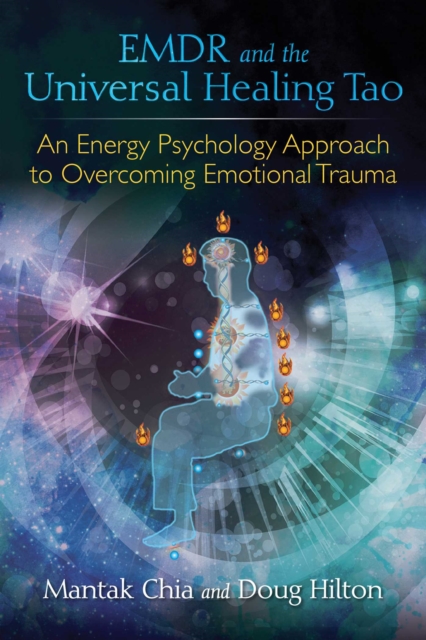
Exercises to deactivate emotional triggers, transform negative emotions into positive ones, and heal from PTSD, depression, anxiety, and addiction Provides illustrated step-by-step instructions on how to combine the eye movements of EMDR therapy with the energetic practices of the Universal Healing Tao Reveals how negative emotions are stored in the organs, where they also have effects on physical, mental, and spiritual health Explains how to release stored negative emotions, transform them into positive energy, and harmonize the energies of your organs Through the energy psychology practices from the 5000-year-old Taoist Chi Kung system, you can recycle negative emotional states into positive energy for your spiritual, emotional, and physical benefit.