A history that is equal parts science and mythology, Sacred Sites offers a rare and poetic vision of a world composed of dynamic natural emphases and mythic characters.
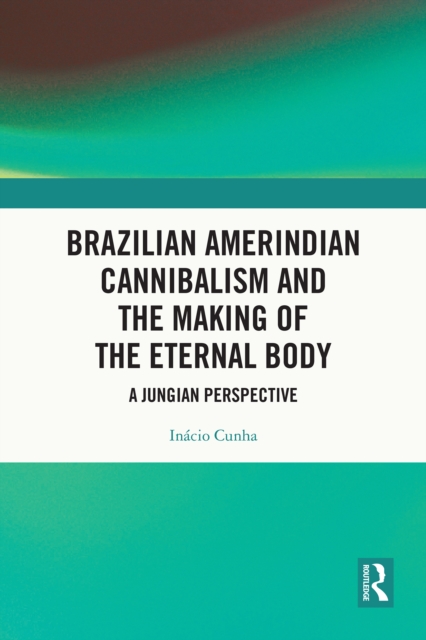
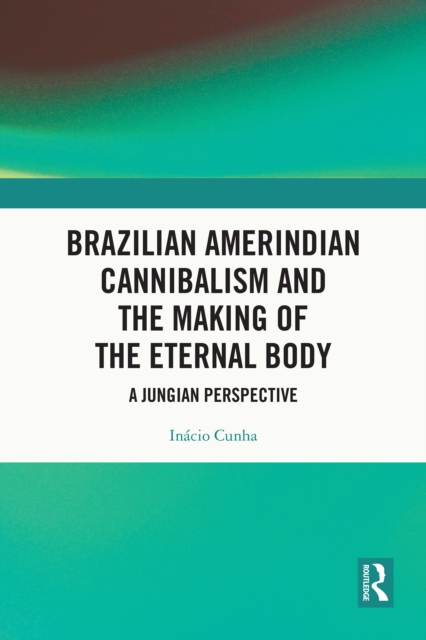
Drawing on extensive research into archaic Amerindian communities, this book presents a revolutionary thesis: Tupinamba cannibalism was not primarily about absorbing the qualities of the consumed enemy but rather served as a sacred pathway toward constructing an eternal, incorruptible body.
Drawing on extensive research into archaic Amerindian communities, this book presents a revolutionary thesis: Tupinamba cannibalism was not primarily about absorbing the qualities of the consumed enemy but rather served as a sacred pathway toward constructing an eternal, incorruptible body.
Positioned at the intersection of indigenous knowledge systems and spatial practice, this volume explores how ritualised, place-based epistemologies can reframe design and planning responses to global ecological crises.
Positioned at the intersection of indigenous knowledge systems and spatial practice, this volume explores how ritualised, place-based epistemologies can reframe design and planning responses to global ecological crises.
A bird's-eye look at the Ghost Dance, the first instance of modern, collective racial self-consciousness for Native peoples in the United StatesFrom the Sand Creek Massacre (1864) to the Massacre at Wounded Knee (1890), Indigenous religious practices-legally banned after 1883-took on new meanings as acts of defiance against colonialism and white supremacy.
This volume provides a reconstruction of the history of Judea and its neighboring regions from 334 BCE, when Alexander's eastward conquests brought Judea into the Greek empire, through 135 CE, when Hadrian re-founded Jerusalem as Aelia Capitolina and banished Jews from the city limits -- a formative period both for early Judaism and the Christian movement.
This volume provides a reconstruction of the history of Judea and its neighboring regions from 334 BCE, when Alexander's eastward conquests brought Judea into the Greek empire, through 135 CE, when Hadrian re-founded Jerusalem as Aelia Capitolina and banished Jews from the city limits -- a formative period both for early Judaism and the Christian movement.
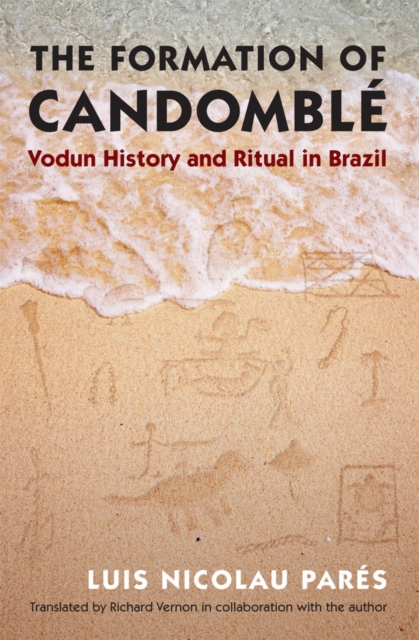
Interweaving three centuries of transatlantic religious and social history with historical and present-day ethnography, Luis Nicolau Pars traces the formation of Candombl, one of the most influential African-derived religious forms in the African diaspora, with practitioners today centered in Brazil but also living in Europe and elsewhere in the Americas.
Interweaving three centuries of transatlantic religious and social history with historical and present-day ethnography, Luis Nicolau Pars traces the formation of Candombl, one of the most influential African-derived religious forms in the African diaspora, with practitioners today centered in Brazil but also living in Europe and elsewhere in the Americas.
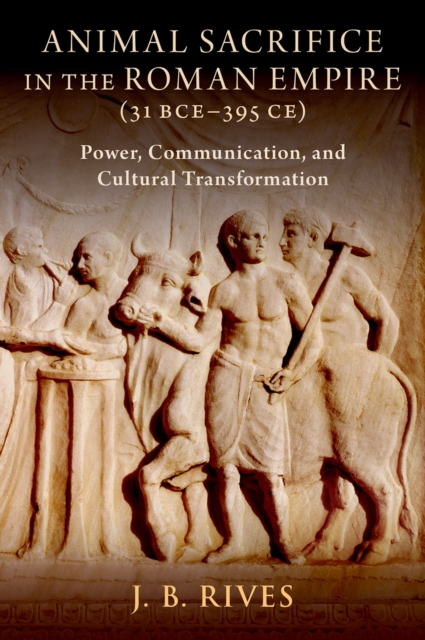
For over a thousand years, the practice of animal sacrifice held a central place in ancient Graeco-Roman culture as a means of both demonstrating piety to the gods and structuring social relationships.
For over a thousand years, the practice of animal sacrifice held a central place in ancient Graeco-Roman culture as a means of both demonstrating piety to the gods and structuring social relationships.
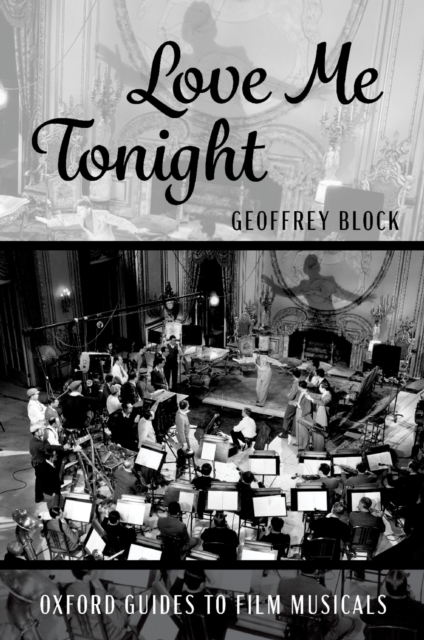
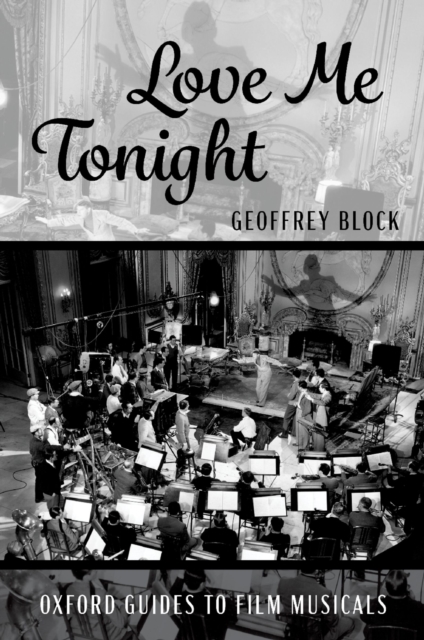
In this Oxford Guide to Film Musicals, renowned author Geoffrey Block introduces scholars, students, and general readers to a remarkable musical film, Love Me Tonight (1932), which has enjoyed considerably high esteem but remains less familiar than other acknowledged classics of its era.
In this Oxford Guide to Film Musicals, renowned author Geoffrey Block introduces scholars, students, and general readers to a remarkable musical film, Love Me Tonight (1932), which has enjoyed considerably high esteem but remains less familiar than other acknowledged classics of its era.
There has long been a trend in religious studies that denies that religion can be an effective category for historians to use across time and cultures.
Politics and diplomacy have always been as much about the social and cultural contexts within which political actors operate as they are about the political structures themselves.