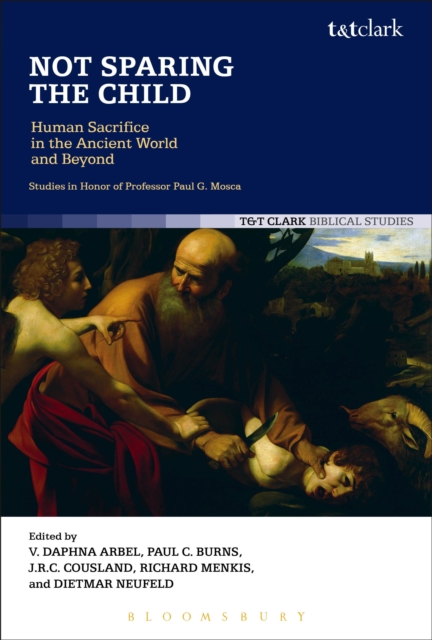
The role of human sacrifice in the ancient Mediterranean world and its implications continue to be topics that fire the popular imagination and engender scholarly discussion and controversy.
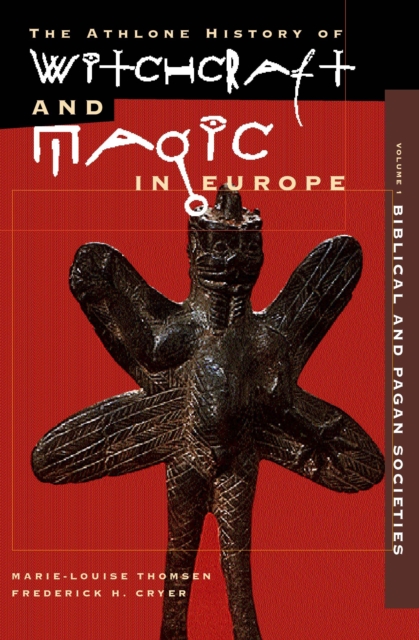
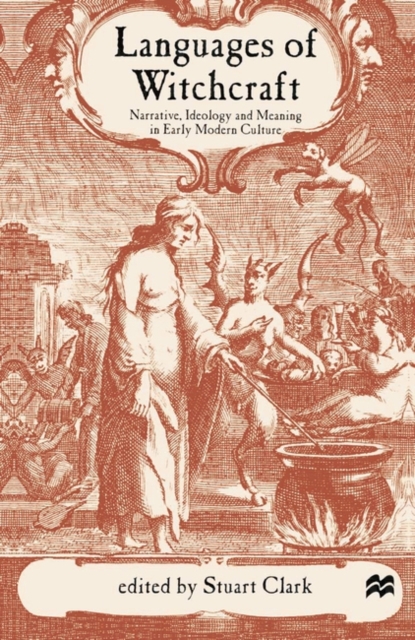
The oldest roots of the European concepts of witchcraft and magic lie in the Hebrew and other cultures of the ancient Near East and in the Celtic, Nordic and Germanic Societies of the North and West.
In a riveting first-person account, Todd Ramon Ochoa explores Palo, a Kongo-inspired "e;society of affliction"e; that is poorly understood at the margins of Cuban popular religion.
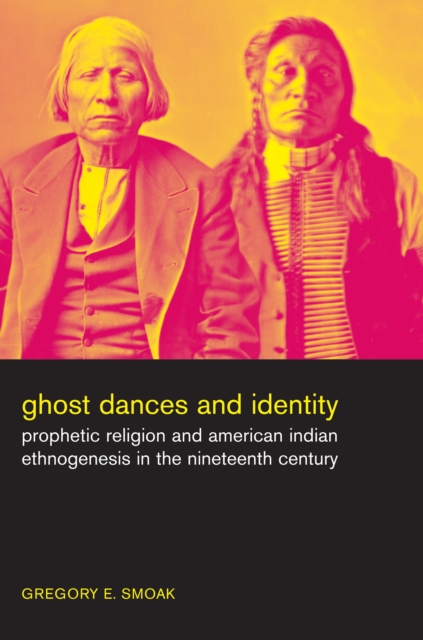
This innovative cultural history examines wide-ranging issues of religion, politics, and identity through an analysis of the American Indian Ghost Dance movement and its significance for two little-studied tribes: the Shoshones and Bannocks.
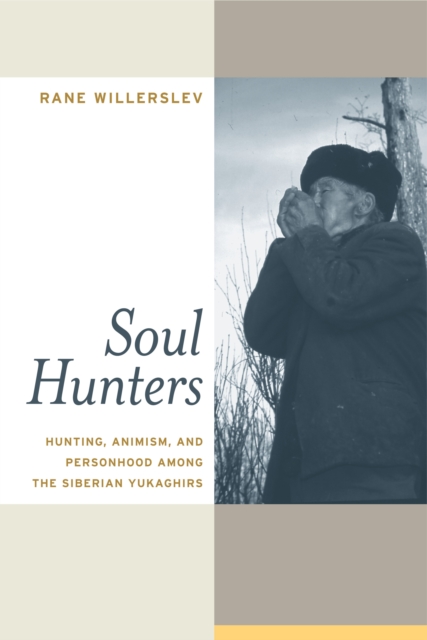
This is an insightful, highly original ethnographic interpretation of the hunting life of the Yukaghirs, a little-known group of indigenous people in the Upper Kolyma region of northeastern Siberia.
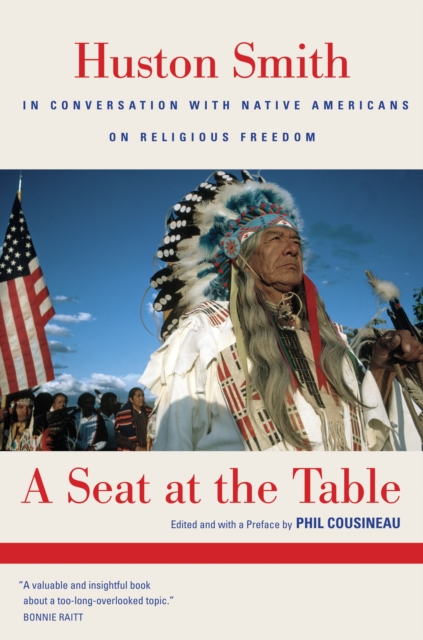
In this collection of illuminating conversations, renowned historian of world religions Huston Smith invites ten influential American Indian spiritual and political leaders to talk about their five-hundred-year struggle for religious freedom.
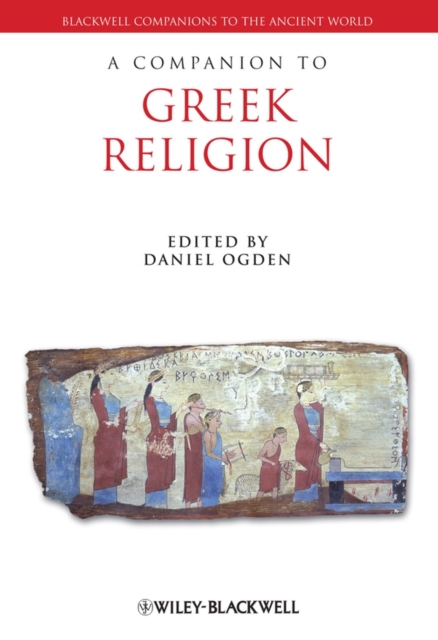
This major addition to Blackwell s Companions to the Ancient World series covers all aspects of religion in the ancient Greek world from the archaic, through the classical and into the Hellenistic period.
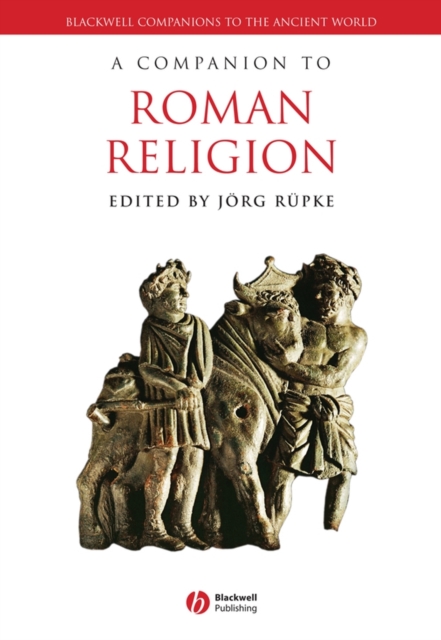
A comprehensive treatment of the significant symbols and institutions of Roman religion, this companion places the various religious symbols, discourses, and practices, including Judaism and Christianity, into a larger framework to reveal the sprawling landscape of the Roman religion.
Originally published in 1964 this book made available for the first time David Tait's writings on the Konkomba with whom he lived and worked for 5 years.
Originally published in 1964 this book made available for the first time David Tait's writings on the Konkomba with whom he lived and worked for 5 years.
First published in 1999, The Nenets' Song is the first book-length study of the epic song tradition that survives among the Nenets nation of Northern Eurasia, an area which is also the homeland of such widely known epics as the Finnish Kalevala and Yakut Olonkho.
First published in 1999, The Nenets' Song is the first book-length study of the epic song tradition that survives among the Nenets nation of Northern Eurasia, an area which is also the homeland of such widely known epics as the Finnish Kalevala and Yakut Olonkho.
This book, first published in 1961, examines the old Tibetan Bon religion, the development of Buddhism in India and Tibet, and covers the religious struggles of the eighth and ninth centuries.
This book, first published in 1961, examines the old Tibetan Bon religion, the development of Buddhism in India and Tibet, and covers the religious struggles of the eighth and ninth centuries.
This book presents a tale with a complete, concise, compelling narrative that conveys some of the essence of the discovery, adventure, and learning of twenty years of field work of the author about the ancient religion of the Aztecs in Mexico.
This book presents a tale with a complete, concise, compelling narrative that conveys some of the essence of the discovery, adventure, and learning of twenty years of field work of the author about the ancient religion of the Aztecs in Mexico.
This book uses the conceptual framework of animism, the belief in the spiritual qualities of nonhuman matter, to analyze representations of trauma in postcolonial fiction from Nigeria and India.
The material in this book, first published in 1990, provides important documentation for the first generation of Rosicrucianism in North America, especially the still vigorous Rosicrucian Fraternity.
This book uses the conceptual framework of animism, the belief in the spiritual qualities of nonhuman matter, to analyze representations of trauma in postcolonial fiction from Nigeria and India.
The material in this book, first published in 1990, provides important documentation for the first generation of Rosicrucianism in North America, especially the still vigorous Rosicrucian Fraternity.
Originally published in 1923, the following papers contain the results of investigations concerning religion and custom in Borneo and the Malay Peninsula, which were carried out at intervals during the years 1910 to 1921 by the author.
Originally published in 1923, the following papers contain the results of investigations concerning religion and custom in Borneo and the Malay Peninsula, which were carried out at intervals during the years 1910 to 1921 by the author.
This book explores how beliefs and practices have shaped the interactions between different ethnic groups in Western Hunan, as well as considering how religious life has adapted to the challenges of modern Chinese history.
This book explores how beliefs and practices have shaped the interactions between different ethnic groups in Western Hunan, as well as considering how religious life has adapted to the challenges of modern Chinese history.
This book captures the dynamics of history, memory, and territorial cults in Houay Yong, a Tai Vat village situated in the multiethnic highland frontier between Laos and Vietnam.
This book captures the dynamics of history, memory, and territorial cults in Houay Yong, a Tai Vat village situated in the multiethnic highland frontier between Laos and Vietnam.
From being characterized as 'primitive tribe' in the colonial imagination to become predominantly practitioners of the American Baptist faith, the Sumi Naga - formerly known as the Sema Naga - in the North-East Indian state of Nagaland have come a long way ever since this Naga tribe encountered the white man toward the latter half of the nineteenth century.
From being characterized as 'primitive tribe' in the colonial imagination to become predominantly practitioners of the American Baptist faith, the Sumi Naga - formerly known as the Sema Naga - in the North-East Indian state of Nagaland have come a long way ever since this Naga tribe encountered the white man toward the latter half of the nineteenth century.
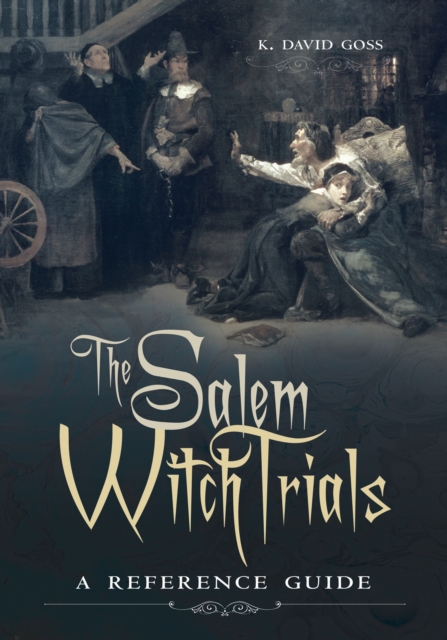
Part of the enduring fascination of the Salem witch trials is the fact that, to date, no one theory has been able to fully explain the events that ravaged Salem in 1692.
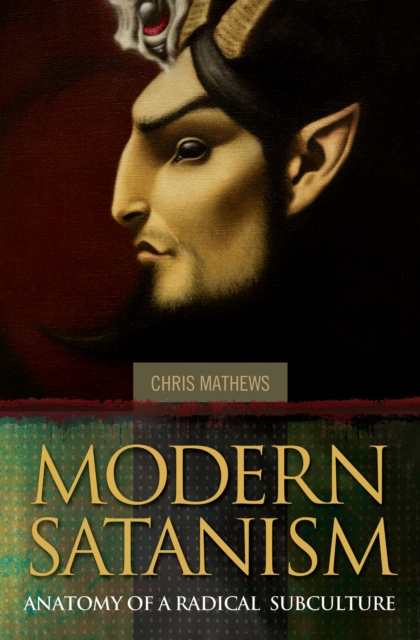
In 1966, Anton LaVey introduced to the world the Church of Satan, an atheistic religion devoted to the philosophy of individualism and pitilessness often associated with Satan.
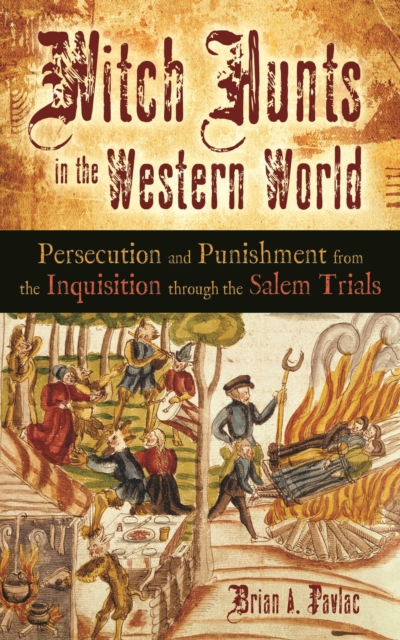
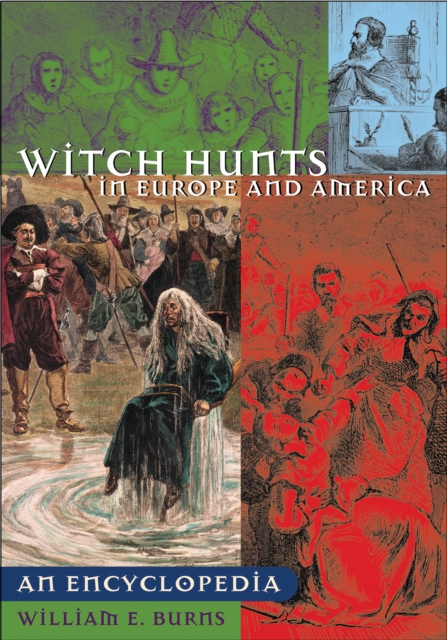
This comprehensive resource explores the intersection of religion, politics, and the supernatural that spawned the notorious witch hunts in Europe and the New World.
From early sorcery trials of the 14th century-associated primarily with French and Papal courts-to the witch executions of the late 18th century, this book's entries cover witch-hunting in individual countries, major witch trials from Chelmsford, England, to Salem, Massachusetts, and significant individuals from famous witches to the devout persecutors.
In October of 1563, 18-year old Anne Mylner was herding cows near her home when she was suddenly enveloped by a white cloud that precipitated a months-long illness characterized by sleeplessness, loss of appetite, convulsions, and bodily swelling.
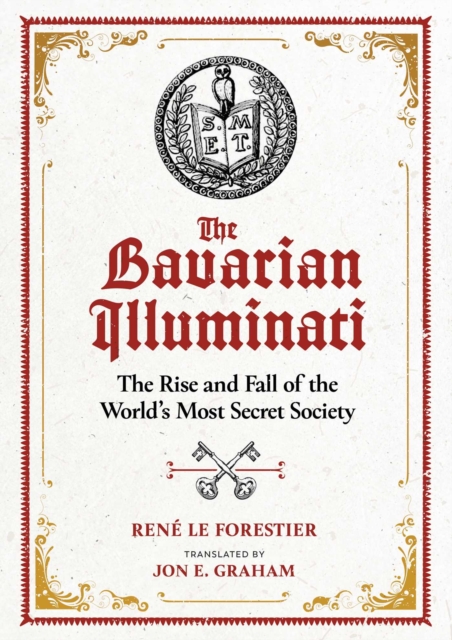
*; Details the rise and fall of this famous and infamous Order, including its penetration of Bavarian society and its destruction by the Bavarian government *; Explains the Bavarian Illuminati's grades, rituals, ceremonies, and fundamental philosophies and examines the leaders of the Order *; Contains the only surviving record of documents that were destroyed during the two World Wars The Bavarian Order of the Illuminati is the most celebrated secret society in the world.
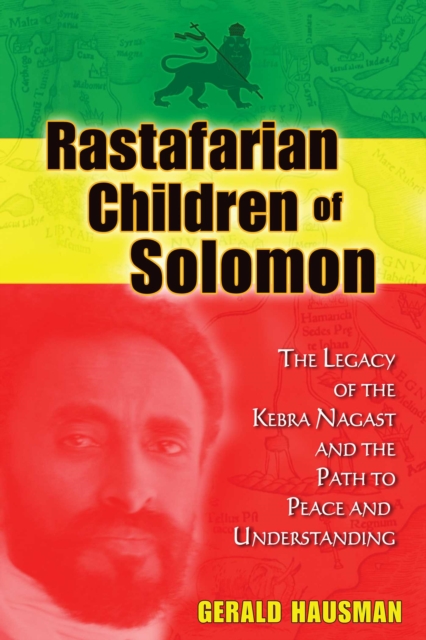
Shares the spiritual wisdom of Rastafari through the stories, teachings, and traditions of practicing Rastas in Jamaica Includes the authors interviews with bush doctors, healers, and Rastafarians gathered during his 15 years of living in Jamaica Reveals the old ways of the Rastafarians and how their beliefs form an unbroken lineage tracing back to King Solomon Explains the connection of Rasta beliefs to important biblical passages Tracing their lineage back to King Solomon--the wisest man who ever lived--Rastafarians follow a spiritual tradition of peace and meditation that is more a way of life than an organized religion.
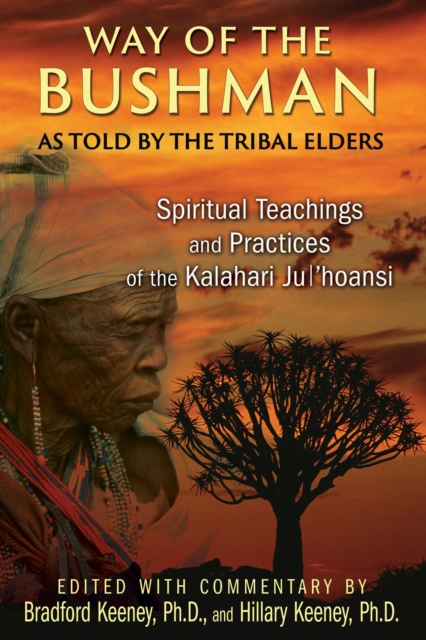
The first comprehensive presentation of the core teachings of the Kalahari Bushmen as told by the Tribal Elders Reveals how the Bushmen are able to receive direct transmissions of Gods love for healing and spiritual transformation Explores tribal legends and teaching tales, the importance of dreams and animals, and the origins of their dances, rituals, and ceremonies Step into the imaginative realm of one of the oldest continuous cultures on Earth, the Kalahari Ju/hoansi Bushmen.