Through an examination of caste in sixteenth- and seventeenth-century Mexico, Hall of Mirrors explores the construction of hierarchy and difference in a Spanish colonial setting.
Fresh new perspectives on the study of religion, ranging from SoulCycle to Mark Twain American Examples: New Conversations about Religion, Volume Two, is the second in a series of annual anthologies produced by the American Examples workshop hosted by the Department of Religious Studies at The University of Alabama.
Archaeological case studies consider material evidence of religion and ritual in the pre-Columbian Eastern Woodlands Archaeologists today are interpreting Native American religion and ritual in the distant past in more sophisticated ways, considering new understandings of the ways that Native Americans themselves experienced them.
Explores the embodiment of religion in the Cahokia land and how places create, make meaningful, and transform practices and beliefs Cahokia, the largest city of the Mississippian mound cultures, lies outside present-day East St.
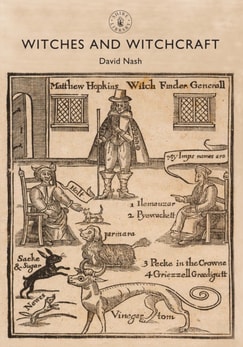
In 1631, at the epicenter of the worst excesses of the European witch-hunts, Friedrich Spee, a Jesuit priest, published the Cautio Criminalis, a book speaking out against the trials that were sending thousands of innocent people to gruesome deaths.
Inspired by recent efforts to understand the dynamics of the early modern witch hunt, Johannes Dillinger has produced a powerful synthesis based on careful comparisons.
A bold reconsideration of Hoodoo belief and practice Katrina Hazzard-Donald explores African Americans' experience and practice of the herbal, healing folk belief tradition known as Hoodoo.
Rapley analyses witch hunts in the sixteenth and seventeenth centuries and finds many of the same elements repeated in more recent miscarriages of justice - from the Dreyfus case for treason in late nineteenth-century France, to the persecution of the Scottsboro Boys in Alabama for the gang rape of two white girls in the 1930s, to the Guildford and Maguire terrorist prosecutions in Britain in the 1970s.
Rapley analyses witch hunts in the sixteenth and seventeenth centuries and finds many of the same elements repeated in more recent miscarriages of justice - from the Dreyfus case for treason in late nineteenth-century France, to the persecution of the Scottsboro Boys in Alabama for the gang rape of two white girls in the 1930s, to the Guildford and Maguire terrorist prosecutions in Britain in the 1970s.
Kathleen Wall traces the myth through fifteen works of English, American, and Canadian literature, providing a fresh, feminist reading of these narratives.
This unique book is the only fully interdisciplinary and comprehensive study of the Australian desert and its pivotal role in the cultural history of Australia.
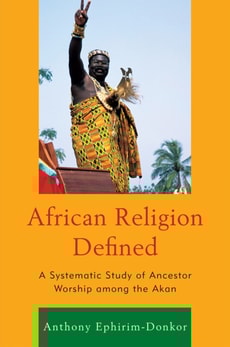
African religion is ancestor worship; that is, funeral preparations, burial of the dead with ceremony and pomp, belief in eternal existence of souls of the dead as ancestors, periodic remembrance of ancestors, and belief that they influence the affairs of their living descendants.
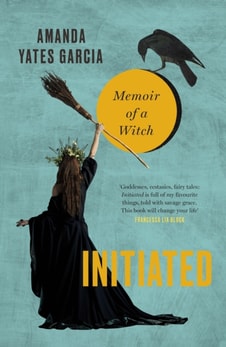
An initiation signals a beginning: a door opens and you step throughAmanda Yates Garcia's mother initiated her into the goddess-worshipping practice of witchcraft when she was thirteen years old, but Amanda's true life as a witch only began when she underwent a series of spontaneous initiations of her own.
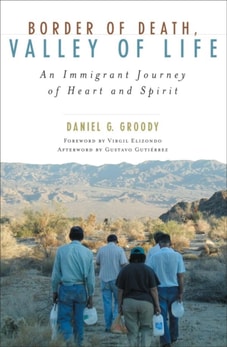
This is a powerful, first-hand account of a religious ministry that reaches out to console, heal, and build the lives of poor and desperate immigrants who come to the United States in search of a better life.
John Ankerberg, John Weldon, and Dillon Burroughs team up to revise and update The Facts on Halloween, a significant book from the popular Facts On Series (more than 1.
In a riveting first-person account, Todd Ramon Ochoa explores Palo, a Kongo-inspired "e;society of affliction"e; that is poorly understood at the margins of Cuban popular religion.
This innovative cultural history examines wide-ranging issues of religion, politics, and identity through an analysis of the American Indian Ghost Dance movement and its significance for two little-studied tribes: the Shoshones and Bannocks.
This is an insightful, highly original ethnographic interpretation of the hunting life of the Yukaghirs, a little-known group of indigenous people in the Upper Kolyma region of northeastern Siberia.
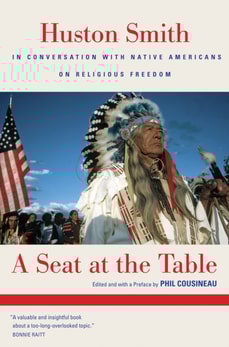
In this collection of illuminating conversations, renowned historian of world religions Huston Smith invites ten influential American Indian spiritual and political leaders to talk about their five-hundred-year struggle for religious freedom.