
Jainism
Sorting
Bestseller Sorting collapsed
Bestseller
Name: A-Z
Name: Z-A
Price ascending
Price descending
Publication Date ascending
Publication Date descending
E-book
Price
16.99 £ * Old Price 67.99 £




E-book
0
0
Price
16.99 £ * Old Price 67.99 £
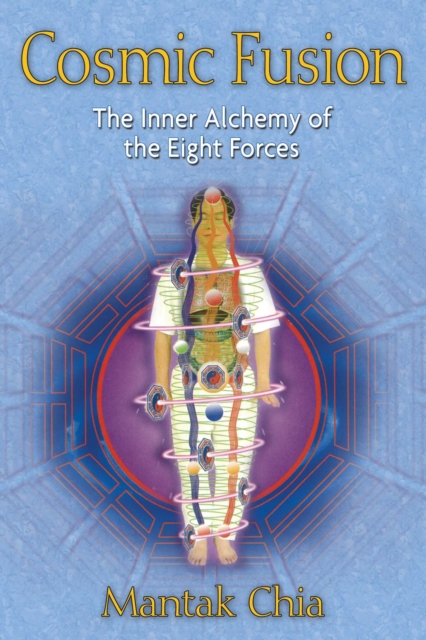
A guide to the advanced practice of Inner Alchemy, which brings the physical body into balance with the energy body Presents the second level of Inner Alchemy practices that use the eight forces of the pakua (bagwa) to collect, gather, and condense chi in the body Explains how to balance negative emotional energy with positive energy to detoxify, nourish, and integrate the physical and the energy body with the forces of nature Shows how to collect and channel the greater energies of the stars and planets to create unity between what is above and below Cosmic Fusion is an advanced level of Inner Alchemy that teaches how to bring the physical body into balance with the energy body--a necessary prerequisite for the formation of the universal body, the pearl of compassion that is one with Original Creation and the Universal Tao.
Read more
E-book
Price
6.99 £ * Old Price 27.99 £
E-book
0
0
Price
6.99 £ * Old Price 27.99 £
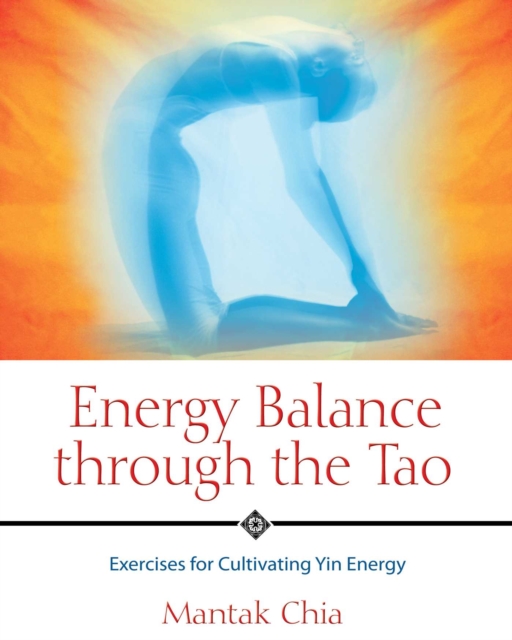
An introduction to the ancient Taoist exercise system of Tao Yin Includes 45 fully illustrated exercises that promote flexibility, strength, and balance in ones physical, mental, and spiritual energy Addresses the health needs of the musculoskeletal system and the unique physical stresses of a modern urban lifestyleIn the Western world, exercise focuses mainly on physical fitness and developing muscular strength.
Read more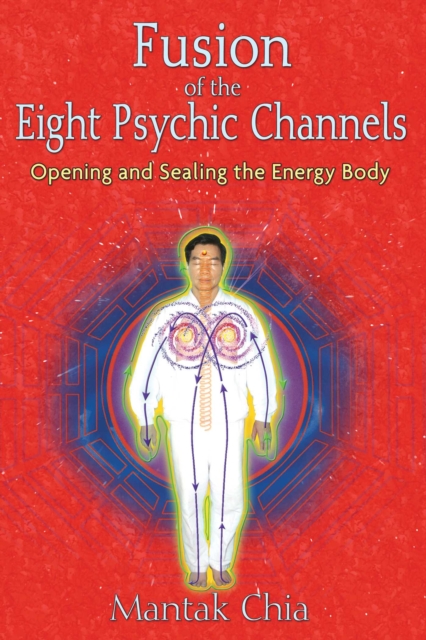
E-book
Price
7.99 £ * Old Price 31.99 £
E-book
0
0
Price
7.99 £ * Old Price 31.99 £
Advanced Inner Alchemy exercises that promote the free flow of energy throughout the body in preparation for the Practice of the Immortal Tao Explains how to open the Great Bridge Channel and the Great Regulator Channel Includes exercises to strengthen and wrap the spinal cord with energy Reveals how to create a thicker aura to protect the body and receive the higher frequencies of the Universal ForceThe Fusion of the Eight Psychic Channels practice builds upon the Fusion of the Five Elements and Cosmic Fusion practices and is the final step in preparation for the Practice of the Immortal Tao.
Read more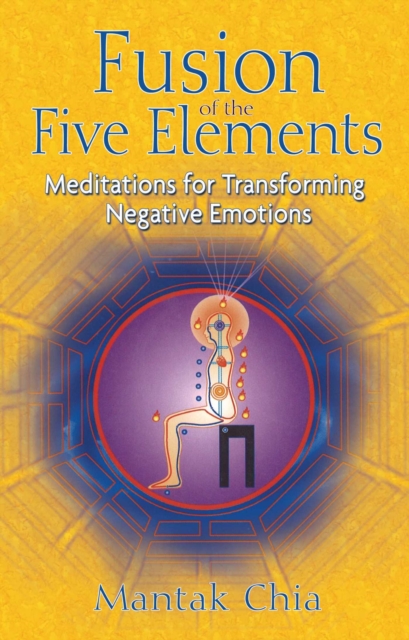
E-book
Price
6.99 £ * Old Price 27.99 £
E-book
0
0
Price
6.99 £ * Old Price 27.99 £
A guide to the practice of Inner Alchemy, which allows you to control the energies of your inner universe to better connect with energies of the outer universe Teaches the essential first-level meditations in Taoist practice, also known as Fusion of the Five Forces, for self-healing and emotional and spiritual development Shows step-by-step how to remove negative emotions from the organs in which they are lodged by neutralizing and transforming the negativity back into positive energy Includes basic and advanced-level meditations Fusion of the Five Elements is the necessary first step in the Taoist practice of Inner Alchemy, in which one learns to control the generation and flow of emotional, mental, and physical energies within the body.
Read more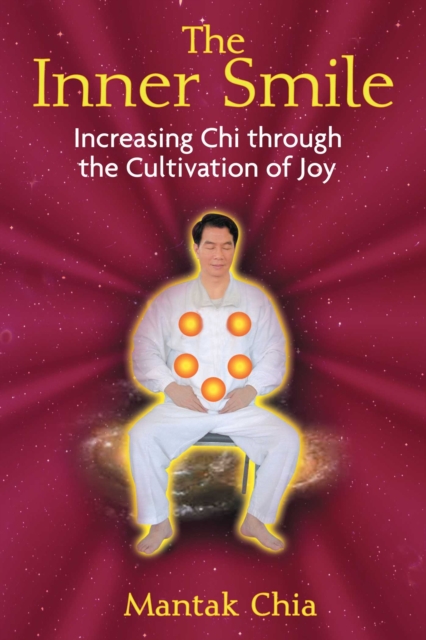
E-book
Price
5.99 £ * Old Price 23.99 £
E-book
0
0
Price
5.99 £ * Old Price 23.99 £
A guide to the foundational practice of smiling to the organs to promote deep relaxation and internal health Presents exercises that dissolve the physical and mental tensions that can cause energy blockages and unhealthy chi flow Shows how to recognize illness at its inception on the organ level and how to balance the emotions to heal it The Inner Smile is a practice that focuses gratitude and joy on the internal organs to resolve the physical and mental tensions that can lead to illness.
Read more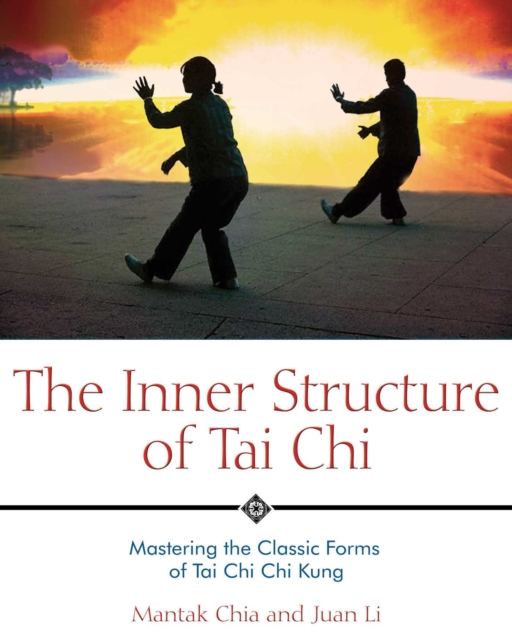
E-book
Price
8.99 £ * Old Price 35.99 £
E-book
0
0
Price
8.99 £ * Old Price 35.99 £
Explores the deep, internal work necessary for the effective practice of tai chi Reveals the Taoist principles that gave birth to the Yang-style tai chi forms Shows how tai chi can circulate powerful healing energies through the bodyTaoist adepts developed tai chi as both a martial art and a way to cultivate their physical body, energy body, and spirit body.
Read more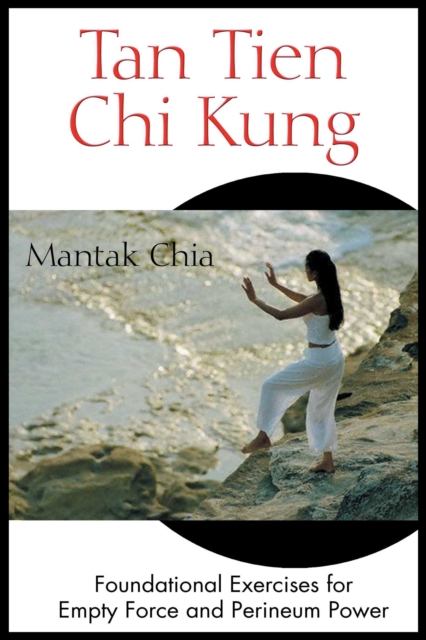
E-book
Price
10.99 £ * Old Price 43.99 £
E-book
0
0
Price
10.99 £ * Old Price 43.99 £
A fundamental Taoist practice for enhancing and utilizing chi Includes breathing and movement exercises to promote vitality and healing through the cultivation of chi in the tan tien and perineum areas Presents the foundational exercises that are essential for more advanced practices such as Iron Shirt Chi Kung and Cosmic HealingTan Tien Chi Kung is the art of cultivating and condensing chi in the lower abdomen--the tan tien--the fundamental power storehouse of the body.
Read more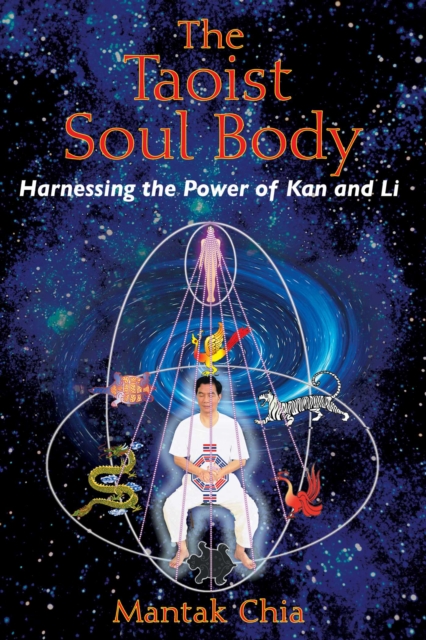
E-book
Price
10.99 £ * Old Price 43.99 £
E-book
0
0
Price
10.99 £ * Old Price 43.99 £
A guide to the practice of the Lesser Kan and Li that gives birth to the soul body and the immortal spirit body Shows how to awaken higher consciousness through practices in total darkness that stimulate the release of DMT by the pineal gland Shows how to transform sexual energy into life-force energy to feed the soul body The Lesser Enlightenment of Kan and Li practice combines the compassion of the heart energies (yang/fire) with sexual energies originating in the kidneys (yin/water) to form and feed the soul or energy body.
Read more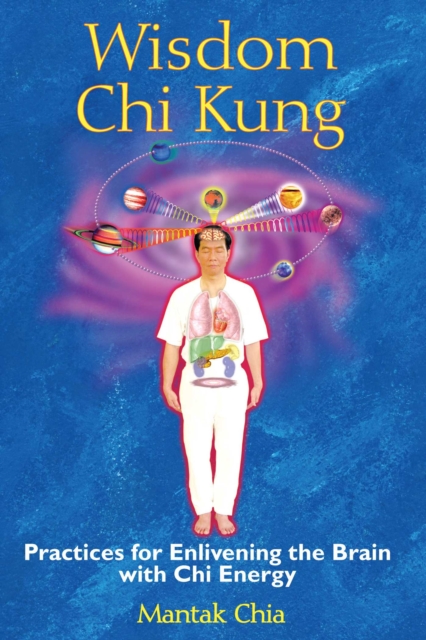
E-book
Price
10.99 £ * Old Price 43.99 £
E-book
0
0
Price
10.99 £ * Old Price 43.99 £
Taoist meditation practices for increasing and maintaining mental awareness, memory, and clarity Details techniques to increase the level of chi energy in the brain Explains how to synchronize the left and right brain by activating the bodys energetic potentials Shows that by emptying the mind there is more energy to heal the body Wisdom Chi Kung teaches practitioners how to revitalize the brain: to repair function, increase memory, and expand capacity.
Read more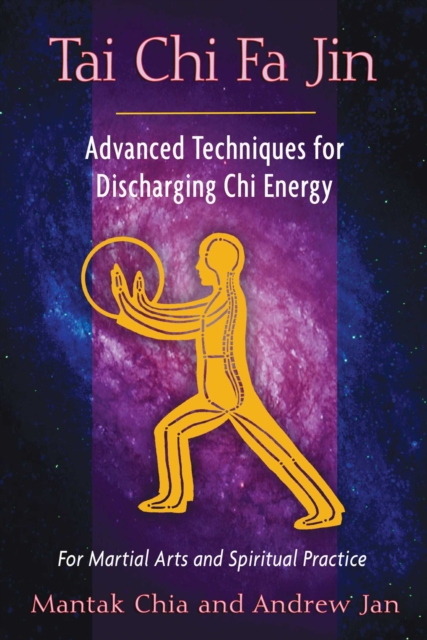
E-book
Price
15.99 £ * Old Price 63.99 £
E-book
0
0
Price
15.99 £ * Old Price 63.99 £
A guide to the seemingly effortless yet explosively powerful martial art techniques of Fa Jin Explains how to collect energy within and discharge it for self-defense as well as healing Explores how to counter the natural instinct to resist force with force and develop yielding softness through the 13 Original Movements of Tai Chi Illustrates routines for the partner practice of Push Hands (Tui Shou) Fa Jin, an advanced yang style of Tai Chi, complements the physical, mental, and spiritual conditioning available through solo Tai Chi practice and the internal martial arts of Taoism.
Read more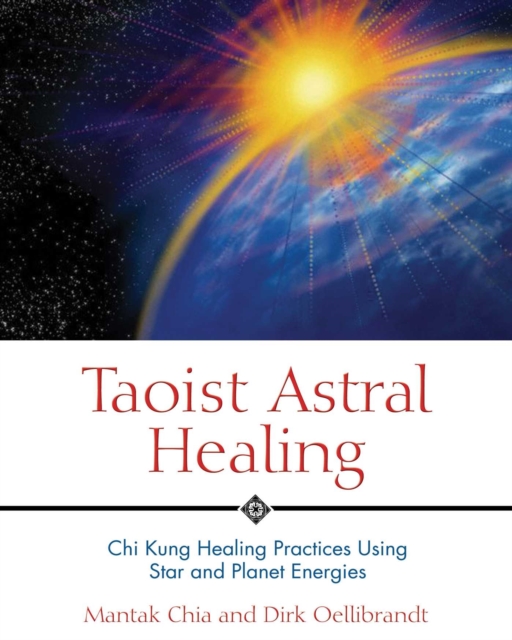
E-book
Price
16.99 £ * Old Price 67.99 £
E-book
0
0
Price
16.99 £ * Old Price 67.99 £
Advanced techniques for utilizing the universal healing connections revealed by Taoist astrology and astronomy Provides meditations and healing techniques based on Taoist astrology Allows readers to develop a personal practice based on an understanding of their planetary strengths and weaknesses Includes Taoist star practices for expanding personal awareness into a cosmic field of chi that will support others in their efforts to heal and grow spirituallyTaoist Astral Healing provides a step-by-step program for refining our ability to cultivate, circulate, and retain chi from the stars and planets.
Read more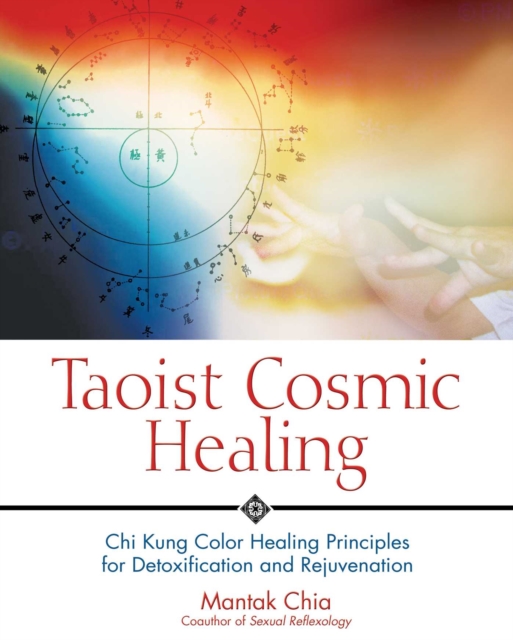
E-book
Price
13.99 £ * Old Price 55.99 £
E-book
0
0
Price
13.99 £ * Old Price 55.99 £
Includes practices for cleansing the blood of toxins, relieving pain, using sexual energy for healing, and other tools for the treatment and prevention of disease Explains the unique healing potential of chi kung color therapy and how to harness universal and earthly elemental energies in healing By Mantak Chia, coauthor of The Multi-Orgasmic ManTaoists believe in an underlying unity that permeates the universe and intimately binds all things.
Read more
E-book
Price
7.99 £ * Old Price 31.99 £
E-book
0
0
Price
7.99 £ * Old Price 31.99 £
Reveals techniques for achieving spiritual immortality through an in-depth exploration of Lao-tzu's Tao Te Ching Includes practices and meditations for living in harmony with the Tao (universal essence) and Te (kind action) Reveals the integration of heavenly and human power in the mystic field within us Presents Tao Huang's English translation of the Tao Te Ching from the original Chinese Mawangdui text unearthed in 1973 For over 2,500 years the words of the Tao Te Ching, the primary scripture of Laoism and Taoism, have been regarded as among the greatest treasures of the world.
Read more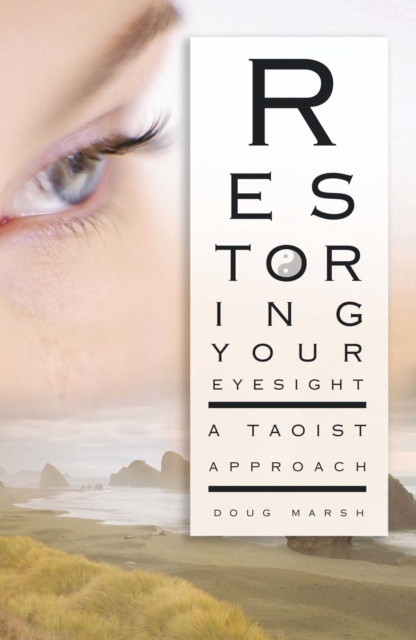
E-book
Price
7.99 £ * Old Price 31.99 £
E-book
0
0
Price
7.99 £ * Old Price 31.99 £
A holistic guide to improving ones vision both physically and spiritually Explains how blurred vision is a reflection of other imbalances in the body, mind, and spirit Offers natural methods for improvement of poor eyesight and stress-related difficulties, including dyslexia and ADHD Combines the core values of the Bates method of natural vision improvement and Taoism Fewer than three percent of children in North America are born with visual defects, yet as they become adults nearly two thirds will become reliant on prescription lenses to see clearly.
Read more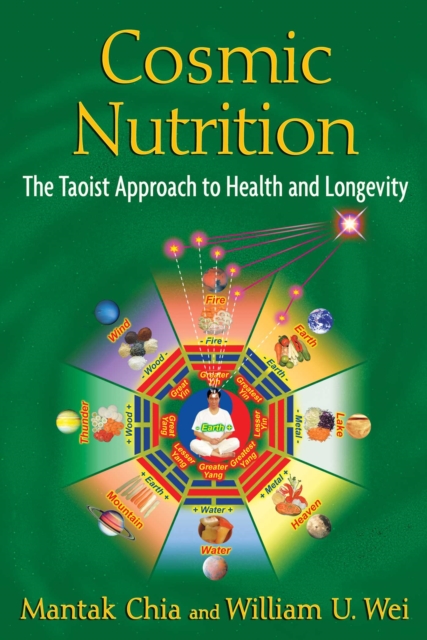
E-book
Price
10.99 £ * Old Price 43.99 £
E-book
0
0
Price
10.99 £ * Old Price 43.99 £
Achieve vibrant health by combining ancient Taoist principles, modern alternative health practices, and acid-alkaline balance Offers complete guidelines on what to eat for different yin-yang constitutions, specific health problems and organ systems, and energetic conditions Provides detailed information on fasting, detoxification, and food combining for acid-alkaline and yin-yang balance Includes illustrated guides to several self-diagnostic methods from the East, allowing you to interpret your bodys signs before disease manifests The human body, like all phenomena in nature, possesses the inherent power of self-regeneration when the conditions of true health are adopted.
Read more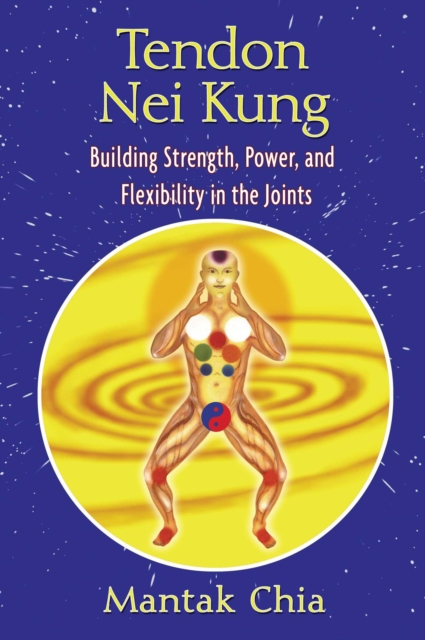
E-book
Price
9.99 £ * Old Price 39.99 £
E-book
0
0
Price
9.99 £ * Old Price 39.99 £
A guide to strengthening and repairing the tendons to reverse the effects of aging Shows how strengthening the tendons can lead to more energy, healthier organs, and prevention of arthritis Explains how to practice the postures alone or with a partner Includes the Mung Beans hitting practice, which repairs damaged tendons and joints; relieves constipation, stomach cramps, and headaches; and aids in detoxification Healthy tendons are the foundation of true strength in the body.
Read more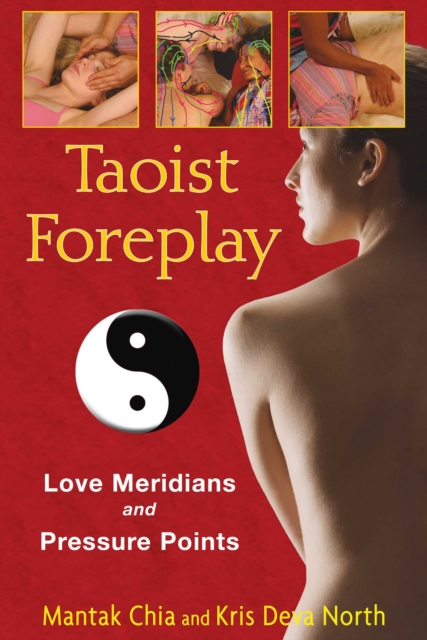
E-book
Price
9.99 £ * Old Price 39.99 £
E-book
0
0
Price
9.99 £ * Old Price 39.99 £
Sexual techniques and traditional Chinese medicine for increased pleasure Reveals how to enhance relationships by harmonizing male and female energies Includes easy-to-follow, illustrated acupressure massage routines Shows how to maintain sexual health with prostate massage and jade egg exercises Taught to Chinese emperors, their wives, and their concubines for thousands of years, Taoist sexual techniques help lovers harmonize their cycles of pleasure and utilize the abundance of reproductive power that is otherwise wasted in non-procreative sex.
Read more
E-book
Price
8.99 £ * Old Price 35.99 £
E-book
0
0
Price
8.99 £ * Old Price 35.99 £
Taoist techniques for replenishing our internal energy with universal cosmic energy Shows how to transform excess sexual energy (Ching Chi) into self-healing energy Presents advanced Cosmic Healing Chi Kung practices, which gather the limitless resources of Cosmic Chi for healing Explains how opening of the three tan tiens to the six directions allows personal consciousness to connect directly to higher sources of energy Taoists consider our sexual energy to be the creative force that we can use to regenerate the bodys internal energy, but we must learn how to harness excess sexual energy and transform it into chi, or life-force energy.
Read more
E-book
Price
10.99 £ * Old Price 43.99 £
E-book
0
0
Price
10.99 £ * Old Price 43.99 £
Taoist techniques that can quiet your mind so you can discover your true self in the wisdom of the heart Teaches that the Tao is the flow of nature, the effortless middle path of self-discovery Shows how to quiet the monkey mind (the ego) and listen within for your inner voice Fosters a connection to the Tao through diet, exercise, livelihood, and sexuality Taoists say that we must learn to observe with the mind and think with the heart.
Read more
E-book
Price
12.99 £ * Old Price 51.99 £
E-book
0
0
Price
12.99 £ * Old Price 51.99 £
The guide to engaging and directing the three primordial forces of Earth, Heaven, and Higher Self to achieve enlightenment and immortality Explains how to circulate the life force, or chi, by balancing yang (male) and yin (female) currents of bioenergy Includes an overview of the complete Taoist body/mind/spirit system along with newly refined methods of activating the life force The sequel to the classic Awaken Healing Energy Through the Tao In 1983, Mantak Chia introduced the Microcosmic Orbit to the West.
Read more
E-book
Price
9.99 £ * Old Price 39.99 £
E-book
0
0
Price
9.99 £ * Old Price 39.99 £
An ancient Taoist system for detoxifying and rejuvenating the internal organs Presents techniques to clear blockages in the bodys energy flow Includes illustrated exercises to relieve common ailments, revitalize the organs, and enable readers to take charge of their own health and well-being Focuses on the navel center, where negative emotions, stress, and illness accumulate The techniques of Chi Nei Tsang evolved in Asia during an era when few physicians were available and people had to know how to heal themselves.
Read more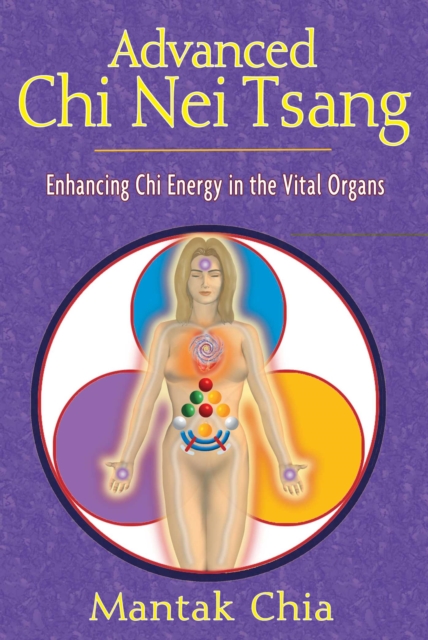
E-book
Price
5.99 £ * Old Price 23.99 £
E-book
0
0
Price
5.99 £ * Old Price 23.99 £
Advanced Taoist techniques for detoxifying and rejuvenating the internal organs through the release of negative chi Works with the navel center, where negative emotions, stress, and illness accumulate Presents advanced techniques to release negative energy from the body and reestablish a healthy flow of vital energy to internal tissues and organs From the Taoist point of view, good health depends upon the free flow of chi--healthy life-force energy--throughout the body.
Read more
E-book
Price
6.99 £ * Old Price 27.99 £
E-book
Price
6.99 £ * Old Price 27.99 £
E-book
0
0
Price
6.99 £ * Old Price 27.99 £
Teaches the three paths that Taoist masters have used for centuries to create tranquillity in one's life.
Read more
E-book
Price
8.99 £ * Old Price 35.99 £
E-book
0
0
Price
8.99 £ * Old Price 35.99 £
The first English translation with commentary of three classic Taoist texts on immortality Translates The Jade Emperors Mind Seal Classic, The Immortals, and The Three Treasures of Immortality Defines the Taoist concept of immortality and examines the lives and practices of Taoists who achieved this state Reveals the steps needed to achieve immortality in our modern societyTaoist mystics claim that it is possible to achieve immortality: Within each of us dwells the medicine to cure the affliction of mortality.
Read more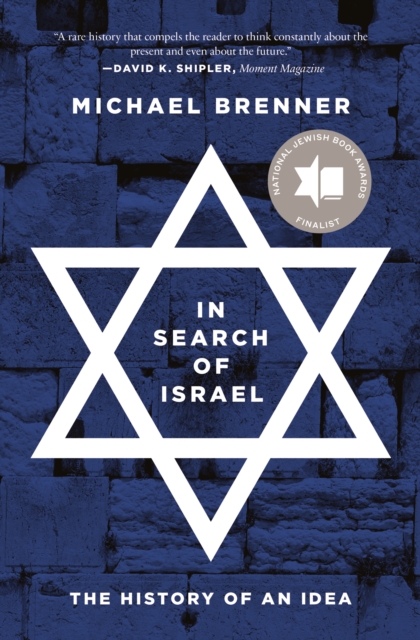
E-book
Price
0
16.99 £
E-book
0
0
Price
16.99 £
A major new history of the century-long debate over what a Jewish state should beMany Zionists who advocated the creation of a Jewish state envisioned a nation like any other.
Read more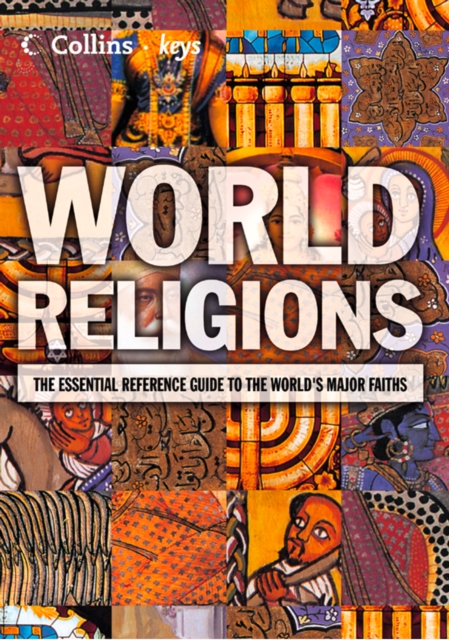
E-book

Unknown author
Price
0
2.99 £
E-book
Unknown author
0
0
Price
2.99 £
A compact and informative guide to the key tenets, rituals and history of the world's major faiths, now in a new easy-reference format.
Read more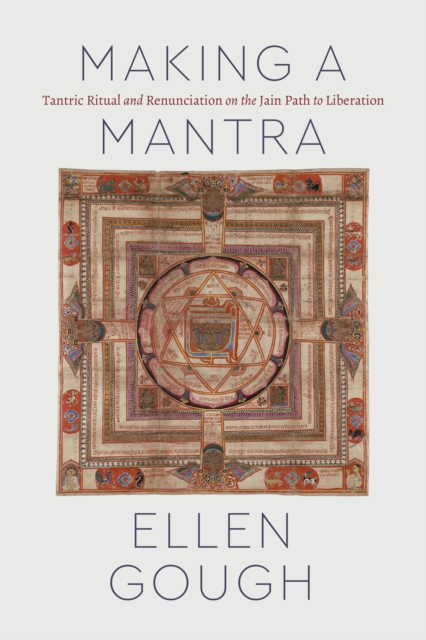
E-book
Price
32.99 £ * Old Price 95.00 £
E-book
0
0
Price
32.99 £ * Old Price 95.00 £
Jainism originated in India and shares some features with Buddhism and Hinduism, but it is a distinct tradition with its own key texts, art, rituals, beliefs, and history.
Read more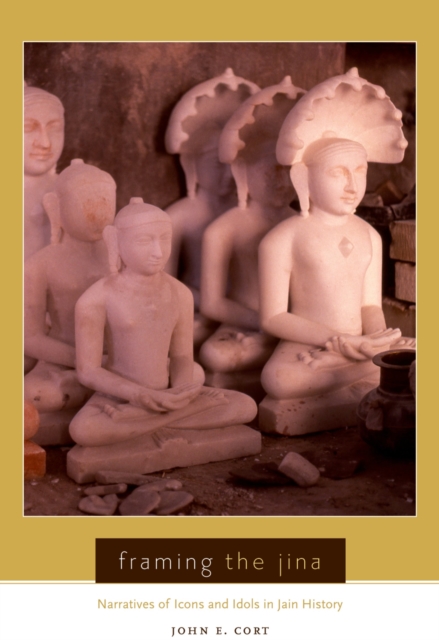
E-book
Price
30.99 £ * Old Price 72.40 £
E-book
0
0
Price
30.99 £ * Old Price 72.40 £
John Cort explores the narratives by which the Jains have explained the presence of icons of Jinas (their enlightened and liberated teachers) that are worshiped and venerated in the hundreds of thousands of Jain temples throughout India.
Read more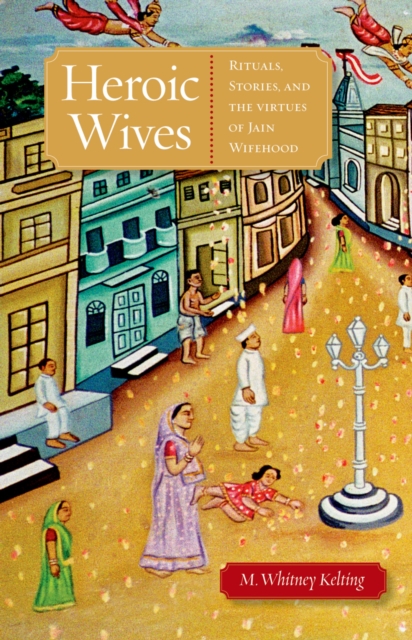
E-book
Price
19.99 £ * Old Price 63.00 £
E-book
0
0
Price
19.99 £ * Old Price 63.00 £
Although in Hinduism it is mainly used to refer to widow immolation, the term 'sati' means 'true woman' - a female hero.
Read more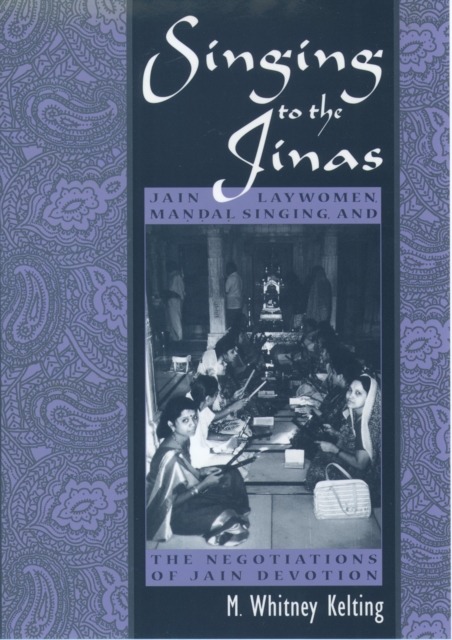
E-book
Price
68.99 £ * Old Price 203.00 £
E-book
0
0
Price
68.99 £ * Old Price 203.00 £
While Western Jain scholarship has focused on those texts and practices favoring male participation, the Jain community itself relies heavily on lay women's participation for religious education, the performance of key rituals, and the locus of religious knowledge.
Read more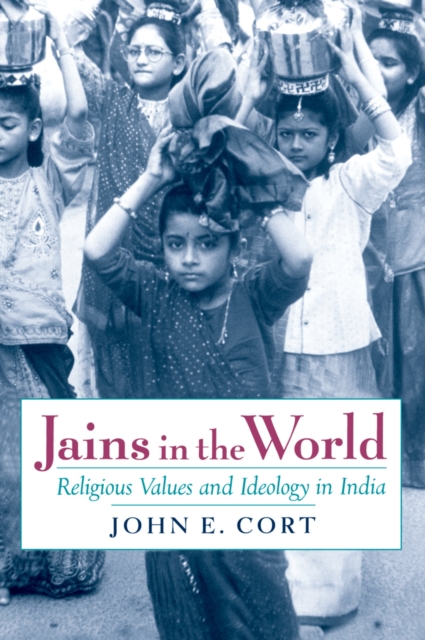
E-book
Price
24.99 £ * Old Price 212.00 £
E-book
0
0
Price
24.99 £ * Old Price 212.00 £
"e;There is no doubt that the wealth of new data and ideas offered in this exquisite book provides the deepest insights yet into the contemporary religious world of Jain laity.
Read more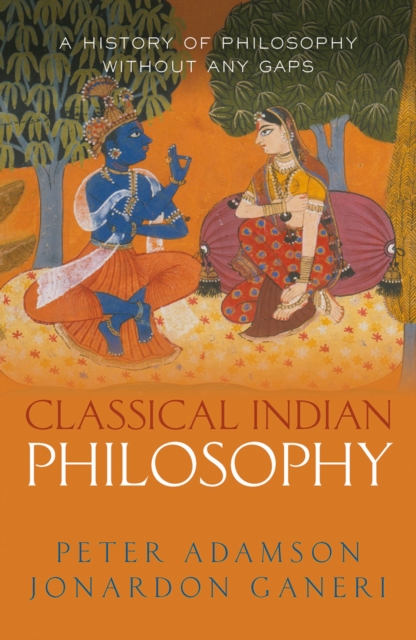
E-book
Price
8.99 £ * Old Price 21.00 £
E-book
0
0
Price
8.99 £ * Old Price 21.00 £
Peter Adamson and Jonardon Ganeri present a lively introduction to one of the world's richest intellectual traditions: the philosophy of classical India.
Read more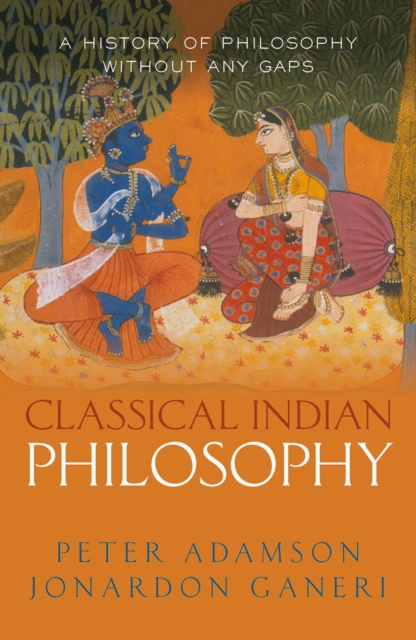
E-book
Price
8.99 £ * Old Price 21.00 £
E-book
0
0
Price
8.99 £ * Old Price 21.00 £
Peter Adamson and Jonardon Ganeri present a lively introduction to one of the world's richest intellectual traditions: the philosophy of classical India.
Read more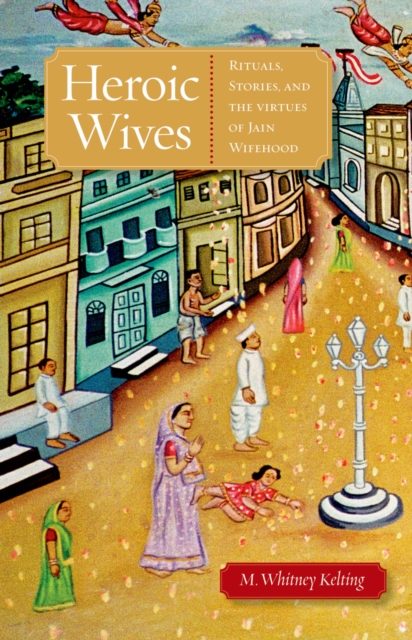
E-book
Price
0
19.99 £
E-book
0
0
Price
19.99 £
Although in Hinduism it is mainly used to refer to widow immolation, the term 'sati' means 'true woman' - a female hero.
Read more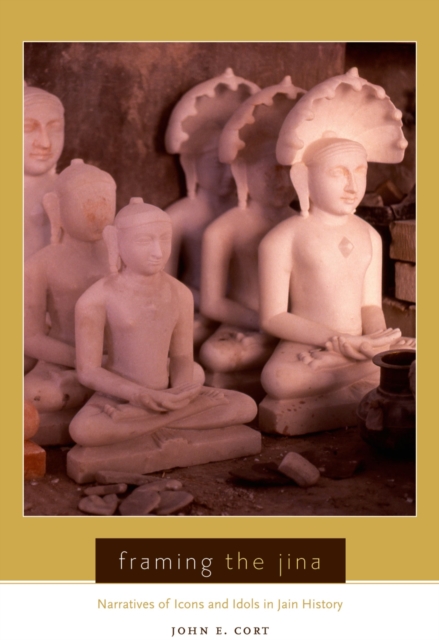
E-book
Price
30.99 £ * Old Price 72.40 £
E-book
0
0
Price
30.99 £ * Old Price 72.40 £
John Cort explores the narratives by which the Jains have explained the presence of icons of Jinas (their enlightened and liberated teachers) that are worshiped and venerated in the hundreds of thousands of Jain temples throughout India.
Read more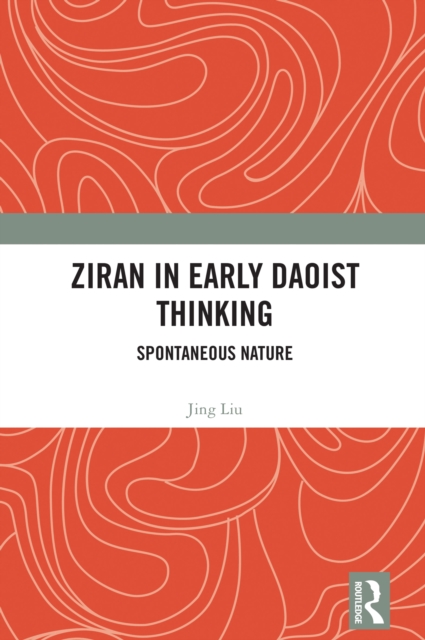
E-book
Price
0
47.99 £
E-book
0
0
Price
47.99 £
This book offers a different understanding of nature by investigating the concept of ziran ?
Read more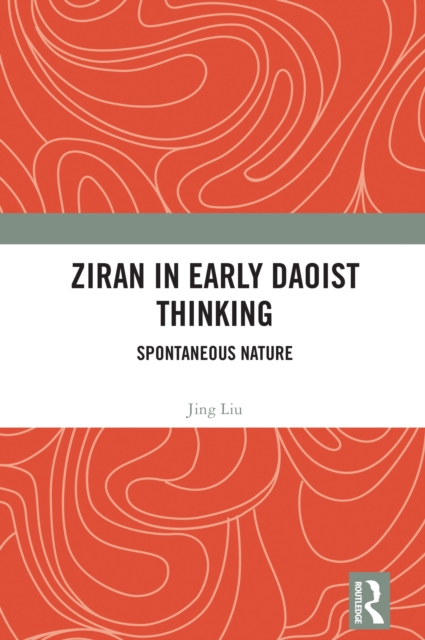
E-book
Price
0
47.99 £
E-book
0
0
Price
47.99 £
This book offers a different understanding of nature by investigating the concept of ziran ?
Read more