Providing an overview of current cutting-edge research in the field of Japanese religions, this Handbook is the most up-to-date guide to contemporary scholarship in the field.
Drawing on insights from theoretical engagements with borders and subalternity, Beyond Religion in India and Pakistan suggests new frameworks for understanding religious boundaries in South Asia.
Drawing on insights from theoretical engagements with borders and subalternity, Beyond Religion in India and Pakistan suggests new frameworks for understanding religious boundaries in South Asia.
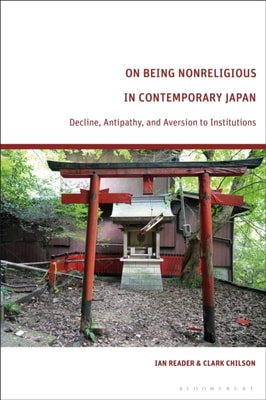
Challenging the notion of the nonreligious in Japan being religious through tradition and institution, this book demonstrates how negativity and antipathy for religion relate to religious decline in Japan today.
Focusing on the Avestan and Pahlavi versions of the Sih-rozag, a text worshipping Zoroastrian divine entities, this book explores the spiritual principles and physical realities associated with them.
Focusing on the Avestan and Pahlavi versions of the Sih-rozag, a text worshipping Zoroastrian divine entities, this book explores the spiritual principles and physical realities associated with them.
Between the years of 1898 and 1926, Edward Westermarck spent a total of seven years in Morocco, visiting towns and tribes in different parts of the country, meeting local people and learning about their language and culture; his findings are noted in this two-volume set, first published in 1926.
Between the years of 1898 and 1926, Edward Westermarck spent a total of seven years in Morocco, visiting towns and tribes in different parts of the country, meeting local people and learning about their language and culture; his findings are noted in this two-volume set, first published in 1926.
Between the years of 1898 and 1926, Edward Westermarck spent a total of seven years in Morocco, visiting towns and tribes in different parts of the country, meeting local people and learning about their language and culture; his findings are noted in this two-volume set, first published in 1926.
Between the years of 1898 and 1926, Edward Westermarck spent a total of seven years in Morocco, visiting towns and tribes in different parts of the country, meeting local people and learning about their language and culture; his findings are noted in this two-volume set, first published in 1926.
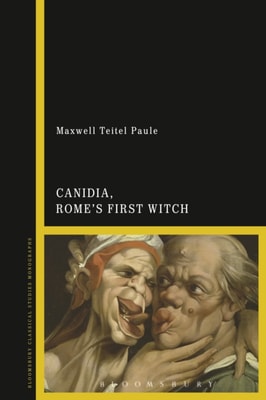
With the renewed interest in the history of witches and witchcraft, this timely book provides an introduction to this fascinating topic, informed by the main trends of new thinking on the subject.
With the renewed interest in the history of witches and witchcraft, this timely book provides an introduction to this fascinating topic, informed by the main trends of new thinking on the subject.
Conceptions of 'sustainable cities' in the pluralistic and multireligious urban settlements of developing nations need to develop out of local cultural, religious and historical contexts to be inclusive and accurately respond to the needs of the poor, ethnic and religious minorities, and women.
Conceptions of 'sustainable cities' in the pluralistic and multireligious urban settlements of developing nations need to develop out of local cultural, religious and historical contexts to be inclusive and accurately respond to the needs of the poor, ethnic and religious minorities, and women.
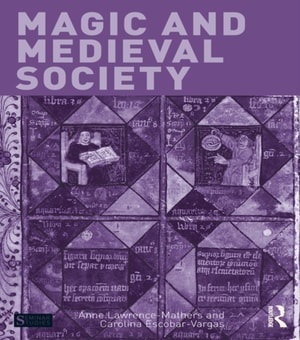
Magic and Medieval Society presents a thematic approach to the topic of magic and sorcery in Western Europe between the eleventh and the fifteenth century.
Magic and Medieval Society presents a thematic approach to the topic of magic and sorcery in Western Europe between the eleventh and the fifteenth century.
Recent academic and medical initiatives have highlighted the benefits of studying culturally embedded healing traditions that incorporate religious and philosophical viewpoints to better understand local and global healing phenomena.
Recent academic and medical initiatives have highlighted the benefits of studying culturally embedded healing traditions that incorporate religious and philosophical viewpoints to better understand local and global healing phenomena.
Like an ancient river, Daoist traditions introduced from China once flowed powerfully through the Japanese religious landscape, forever altering its topography and ecology.
Like an ancient river, Daoist traditions introduced from China once flowed powerfully through the Japanese religious landscape, forever altering its topography and ecology.
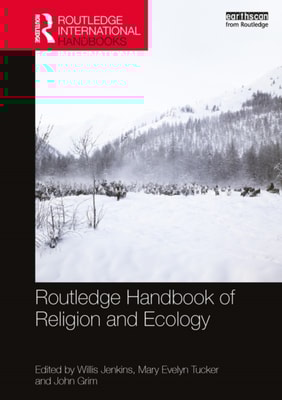
The moral values and interpretive systems of religions are crucially involved in how people imagine the challenges of sustainability and how societies mobilize to enhance ecosystem resilience and human well-being.
The moral values and interpretive systems of religions are crucially involved in how people imagine the challenges of sustainability and how societies mobilize to enhance ecosystem resilience and human well-being.
First published in 1992, this title explores the religious diversity of South Africa, organizing it into a single coherent narrative and providing the first comparative study and introduction to the topic.
First published in 1992, this title explores the religious diversity of South Africa, organizing it into a single coherent narrative and providing the first comparative study and introduction to the topic.
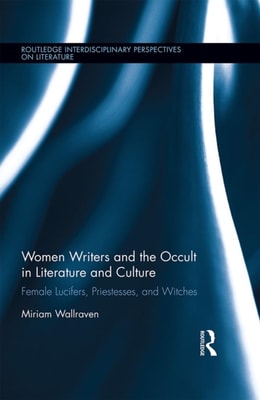
Examining the intersection of occult spirituality, text, and gender, this book provides a compelling analysis of the occult revival in literature from the 1880s through the course of the twentieth century.
Examining the intersection of occult spirituality, text, and gender, this book provides a compelling analysis of the occult revival in literature from the 1880s through the course of the twentieth century.
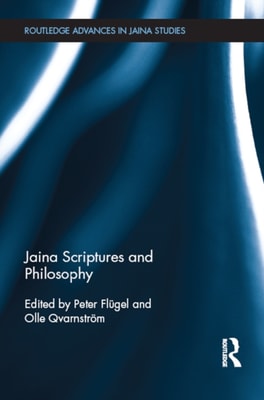
Interest in Indian religion and comparative philosophy has increased in recent years, but despite this the study of Jaina philosophy is still in its infancy.
Interest in Indian religion and comparative philosophy has increased in recent years, but despite this the study of Jaina philosophy is still in its infancy.