Ernesto de Martino was a major critical thinker in the study of vernacular religions, producing innovative analyses of key concepts such as 'folklore', 'magic' and 'ritual'.
Ernesto de Martino was a major critical thinker in the study of vernacular religions, producing innovative analyses of key concepts such as 'folklore', 'magic' and 'ritual'.
Magic has been an important term in Western history and continues to be an essential topic in the modern academic study of religion, anthropology, sociology, and cultural history.
Magic has been an important term in Western history and continues to be an essential topic in the modern academic study of religion, anthropology, sociology, and cultural history.
'Religion as Magical Ideology' examines the relationship between rationality and supernatural beliefs arguing that such beliefs are products of evolution, cognition and culture.
'Religion as Magical Ideology' examines the relationship between rationality and supernatural beliefs arguing that such beliefs are products of evolution, cognition and culture.
Ajivikism was once ranked one of the most important religions in India between the 4th and 2nd centuries BCE, after Buddhism, 'Brahmanism' and before Jainism, but is now a forgotten Indian religion.
Ajivikism was once ranked one of the most important religions in India between the 4th and 2nd centuries BCE, after Buddhism, 'Brahmanism' and before Jainism, but is now a forgotten Indian religion.
Witchcraft: The Basics is an accessible and engaging introduction to the scholarly study of witchcraft, exploring the phenomenon of witchcraft from its earliest definitions in the Middle Ages through to its resonances in the modern world.
Witchcraft: The Basics is an accessible and engaging introduction to the scholarly study of witchcraft, exploring the phenomenon of witchcraft from its earliest definitions in the Middle Ages through to its resonances in the modern world.
Addressing the question of the origins of the Zoroastrian religion, this book argues that the intransigent opposition to the cult of the daevas, the ancient Indo-Iranian gods, is the root of the development of the two central doctrines of Zoroastrianism: cosmic dualism and eschatology (fate of the soul after death and its passage to the other world).
Addressing the question of the origins of the Zoroastrian religion, this book argues that the intransigent opposition to the cult of the daevas, the ancient Indo-Iranian gods, is the root of the development of the two central doctrines of Zoroastrianism: cosmic dualism and eschatology (fate of the soul after death and its passage to the other world).
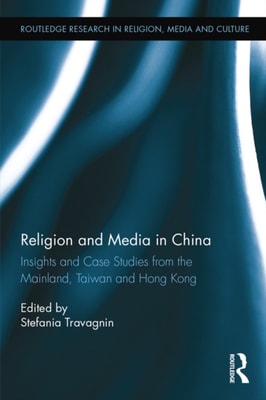
This volume focuses on the intersection of religion and media in China, bringing interdisciplinary approaches to bear on the role of religion in the lives of individuals and greater shifts within Chinese society in an increasingly media-saturated environment.
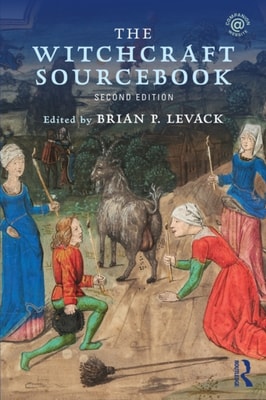
The Witchcraft Sourcebook, now in its second edition, is a fascinating collection of documents that illustrates the development of ideas about witchcraft from ancient times to the eighteenth century.
The Witchcraft Sourcebook, now in its second edition, is a fascinating collection of documents that illustrates the development of ideas about witchcraft from ancient times to the eighteenth century.
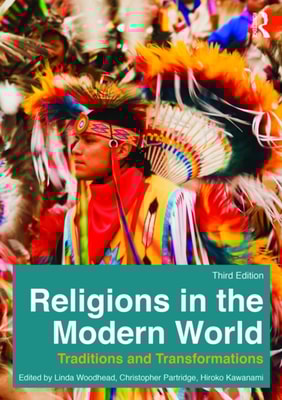
Religions in the Modern World: Traditions and Transformations, Third Edition is the ideal textbook for those coming to the study of religion for the first time, as well as for those who wish to keep up-to-date with the latest perspectives in the field.
Religions in the Modern World: Traditions and Transformations, Third Edition is the ideal textbook for those coming to the study of religion for the first time, as well as for those who wish to keep up-to-date with the latest perspectives in the field.
Wonder and Skepticism in the Middle Ages explores the response by medieval society to tales of marvels and the supernatural, which ranged from firm belief to outright rejection, and asks why the believers believed, and why the skeptical disbelieved.
Wonder and Skepticism in the Middle Ages explores the response by medieval society to tales of marvels and the supernatural, which ranged from firm belief to outright rejection, and asks why the believers believed, and why the skeptical disbelieved.
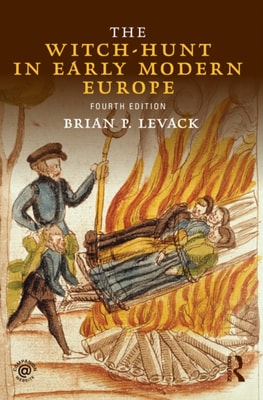
The Witch-Hunt in Early Modern Europe, now in its fourth edition, is the perfect resource for both students and scholars of the witch-hunts written by one of the leading names in the field.
The Witch-Hunt in Early Modern Europe, now in its fourth edition, is the perfect resource for both students and scholars of the witch-hunts written by one of the leading names in the field.
Focusing on migration and mobility, this edited collection examines the religious landscape of Brazil as populated and shaped by transnational flows and domestic migratory movements.
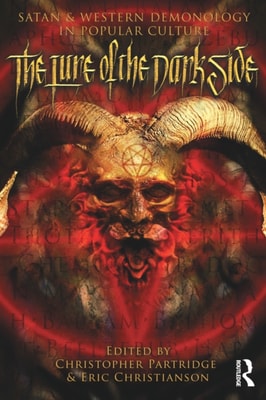
This collection brings together new papers addressing the philosophical challenges that the concept of a Devil presents, bringing philosophical rigor to treatments of the Devil.
This collection brings together new papers addressing the philosophical challenges that the concept of a Devil presents, bringing philosophical rigor to treatments of the Devil.
Nature conservation planning tends to be driven by models based on Western norms and science, but these may not represent the cultural, philosophical and religious contexts of much of Asia.
Nature conservation planning tends to be driven by models based on Western norms and science, but these may not represent the cultural, philosophical and religious contexts of much of Asia.
This monograph focuses on "e;Christian Goddess Spirituality"e; (CGS), the phenomenon of (mostly) women who combine Christianity and Goddess Spirituality, including Wicca/Witchcraft.
This monograph focuses on "e;Christian Goddess Spirituality"e; (CGS), the phenomenon of (mostly) women who combine Christianity and Goddess Spirituality, including Wicca/Witchcraft.
Mummies, Cannibals and Vampires charts in vivid detail the largely forgotten history of European corpse medicine, which saw kings, ladies, gentlemen, priests and scientists prescribe, swallow or wear human blood, flesh, bone, fat, brains and skin in an attempt to heal themselves of epilepsy, bruising, wounds, sores, plague, cancer, gout and depression.
Mummies, Cannibals and Vampires charts in vivid detail the largely forgotten history of European corpse medicine, which saw kings, ladies, gentlemen, priests and scientists prescribe, swallow or wear human blood, flesh, bone, fat, brains and skin in an attempt to heal themselves of epilepsy, bruising, wounds, sores, plague, cancer, gout and depression.
Focusing on three diverse indigenous traditions, Native American Religious Traditions highlights the distinct oral traditions and ceremonial practices; the impact of colonialism on religious life; and the ways in which indigenous communities of North America have responded, and continue to respond, to colonialism and Euroamerican cultural hegemony.