Robert Frykenberg's insightful study explores and enhances historical understandings of Christian communities, cultures, and institutions within the Indian world from their beginnings down to the present.
Magic and Impotence in the Middle Ages investigates the common medieval belief that magic could cause impotence, focusing particularly on the period 1150-1450.
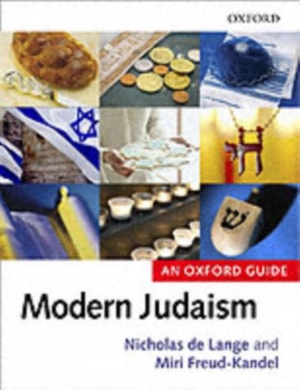
A comprehensive, multi-disciplinary, multi-authored guide to contemporary Jewish life and thought, focusing on social, cultural and historical aspects of Judaism alongside theological issues.
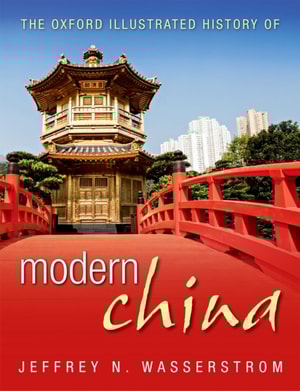
This lavishly illustrated volume explores the history of China during a period of dramatic shifts and surprising transformations, from the founding of the Qing Dynasty (1644-1912) through to the present day.
This lavishly illustrated volume explores the history of China during a period of dramatic shifts and surprising transformations, from the founding of the Qing Dynasty (1644-1912) through to the present day.
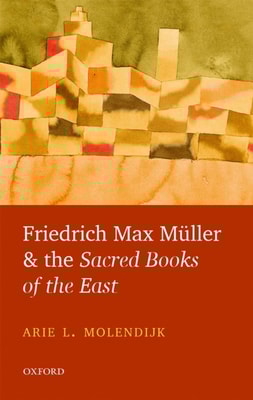
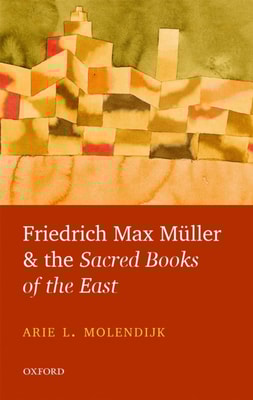
This volume offers a critical analysis of one the most ambitious editorial projects of late Victorian Britain: the edition of the fifty substantial volumes of the Sacred Books of the East (1879-1910).
This volume offers a critical analysis of one the most ambitious editorial projects of late Victorian Britain: the edition of the fifty substantial volumes of the Sacred Books of the East (1879-1910).
Witchcraft, Witch-hunting, and Politics in Early Modern England constitutes a wide-ranging and original overview of the place of witchcraft and witch-hunting in the broader culture of early modern England.
The Oxford Handbook of Sikh Studies innovatively combines the ways in which scholars from fields as diverse as philosophy, psychology, religious studies, literary studies, history, sociology, anthropology, political science, and economics have integrated the study of Sikhism within a wide range of critical and postcolonial perspectives on the nature of religion, violence, gender, ethno-nationalism, and revisionist historiography.
The Oxford Handbook of Sikh Studies innovatively combines the ways in which scholars from fields as diverse as philosophy, psychology, religious studies, literary studies, history, sociology, anthropology, political science, and economics have integrated the study of Sikhism within a wide range of critical and postcolonial perspectives on the nature of religion, violence, gender, ethno-nationalism, and revisionist historiography.
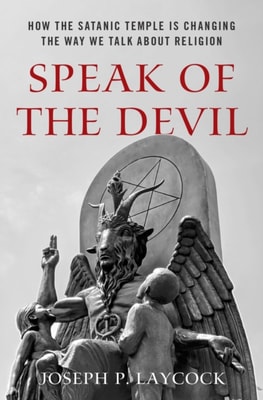
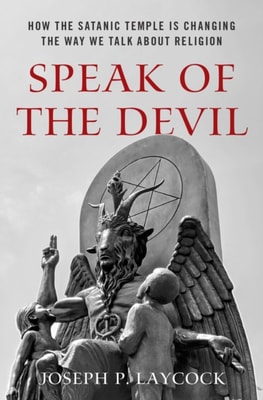
In 2013, when the state of Oklahoma erected a statue of the Ten Commandments on the grounds of the state capitol, a group calling themselves The Satanic Temple applied to erect a statue of Baphomet alongside the Judeo-Christian tablets.
In 2013, when the state of Oklahoma erected a statue of the Ten Commandments on the grounds of the state capitol, a group calling themselves The Satanic Temple applied to erect a statue of Baphomet alongside the Judeo-Christian tablets.
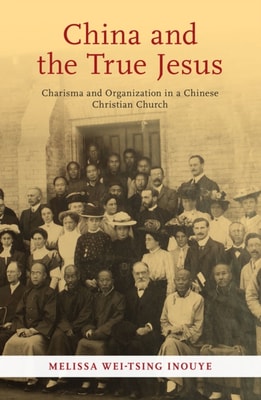
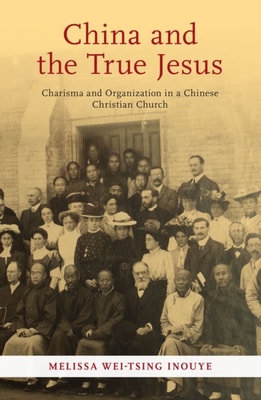
In 1917, the Beijing silk merchant Wei Enbo's vision of Jesus sparked a religious revival, characterized by healings, exorcisms, tongues-speaking, and, most provocatively, a call for a return to authentic Christianity that challenged the Western missionary establishment in China.
In 1917, the Beijing silk merchant Wei Enbo's vision of Jesus sparked a religious revival, characterized by healings, exorcisms, tongues-speaking, and, most provocatively, a call for a return to authentic Christianity that challenged the Western missionary establishment in China.
This book addresses a particular and little-known form of writing, the prose dialogue, during the Late Antique period, when Christian authors adopted and transformed the dialogue form to suit the new needs of religious debate.
This book addresses a particular and little-known form of writing, the prose dialogue, during the Late Antique period, when Christian authors adopted and transformed the dialogue form to suit the new needs of religious debate.
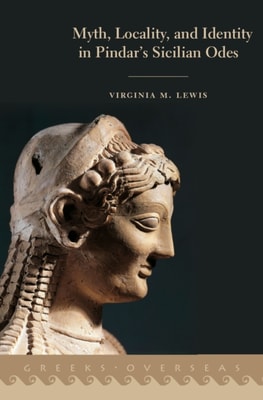
Myth, Locality, and Identity argues that Pindar engages in a striking, innovative style of mythmaking that represents and shapes Sicilian identities in his epinician odes for Sicilian victors in the fifth century BCE.
Myth, Locality, and Identity argues that Pindar engages in a striking, innovative style of mythmaking that represents and shapes Sicilian identities in his epinician odes for Sicilian victors in the fifth century BCE.