Writing about changes in the notion of womanhood, Denise Riley examines, in the manner of Foucault, shifting historical constructions of the category of "e;women"e; in relation to other categories central to concepts of personhood: the soul, the mind, the body, nature, the social.
After hearing the words no one wants to hear--"e;you have cancer"e;--Jim Burns set out to articulate the most important principles for a life well lived and now shares them with you as a collection of essential truths for a healthy, balanced, and successful life.
This collection offers new perspectives on the study of science and religion, bringing together articles that highlight the differences between epistemological systems and call into question the dominant narrative of modern science.
This collection offers new perspectives on the study of science and religion, bringing together articles that highlight the differences between epistemological systems and call into question the dominant narrative of modern science.
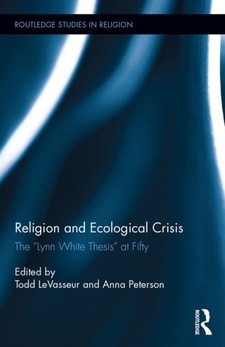
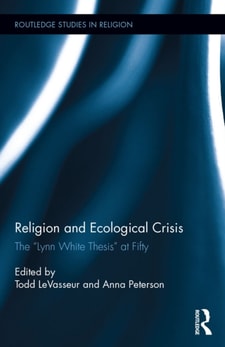
The moral values and interpretive systems of religions are crucially involved in how people imagine the challenges of sustainability and how societies mobilize to enhance ecosystem resilience and human well-being.
The moral values and interpretive systems of religions are crucially involved in how people imagine the challenges of sustainability and how societies mobilize to enhance ecosystem resilience and human well-being.
To discover how war can affect the status of women in industrial countries, Leila Rupp examines mobilization propaganda directed at women in Nazi Germany and the United States.
This new collection of philosophically rigorous essays critiques the interpretation of divine omniscience known as open theism, focusing primarily on philosophically motivated open theism and positing arguments that reject divine knowledge of future contingents in the face of the dilemma of freedom and foreknowledge.
This new collection of philosophically rigorous essays critiques the interpretation of divine omniscience known as open theism, focusing primarily on philosophically motivated open theism and positing arguments that reject divine knowledge of future contingents in the face of the dilemma of freedom and foreknowledge.
An Ancient Theory of Religion examines a theory of religion put forward by Euhemerus of Messene (late 4th-early 3rd century BCE) in his lost work Sacred Inscription, and shows not only how and why euhemerism came about but also how it was- and still is-used.
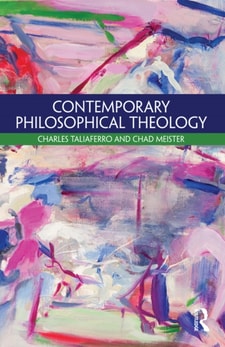
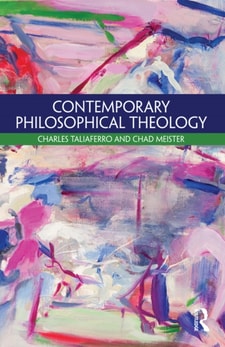
In Contemporary Philosophical Theology, Charles Taliaferro and Chad Meister focus on key topics in contemporary philosophical theology within Christianity, Islam, and Judaism, as well as Hinduism and Buddhism.
In Contemporary Philosophical Theology, Charles Taliaferro and Chad Meister focus on key topics in contemporary philosophical theology within Christianity, Islam, and Judaism, as well as Hinduism and Buddhism.
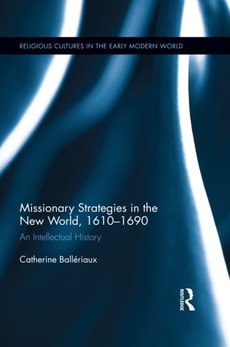
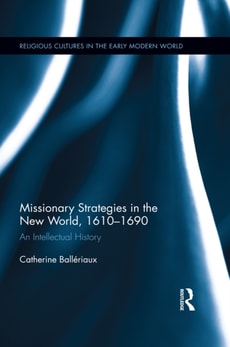
The study is an intellectual and comparative history of French, Spanish, and English missions to the native peoples of America in the seventeenth century, c.
The study is an intellectual and comparative history of French, Spanish, and English missions to the native peoples of America in the seventeenth century, c.
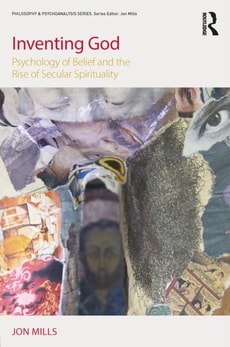
In this controversial book, philosopher and psychoanalyst Jon Mills argues that God does not exist; and more provocatively, that God cannot exist as anything but an idea.
In this controversial book, philosopher and psychoanalyst Jon Mills argues that God does not exist; and more provocatively, that God cannot exist as anything but an idea.
Science and Religious Anthropology explores the convergence of the biological sciences, human sciences, and humanities around a spiritually evocative, naturalistic vision of human life.
Science and Religious Anthropology explores the convergence of the biological sciences, human sciences, and humanities around a spiritually evocative, naturalistic vision of human life.