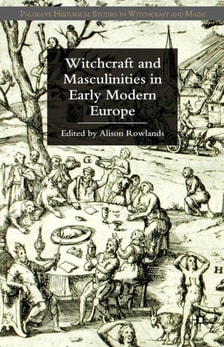
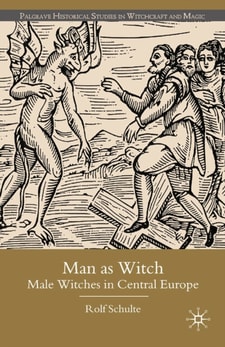
Men - as accused witches, witch-hunters, werewolves and the demonically possessed - are the focus of analysis in this collection of essays by leading scholars of early modern European witchcraft.
Speaking of Gods analyzes the figurative-narrative creation of gods, their heavenly abodes, and behaviors, reaching back to the beginning of history in Sumer, Babylon, Egypt, Persia and Greece, and continuing through the figures and narratives of a biblical tradition that includes the Hebrew Bible, the New Testament, and the Qur'an.
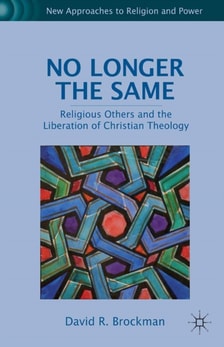
This volume addresses what happens to Christian theology when it follows its traditional habit of excluding religious others from the theological conversation.
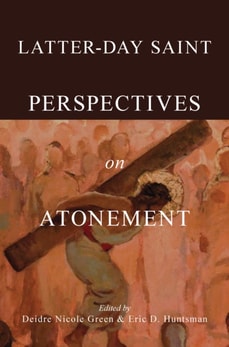
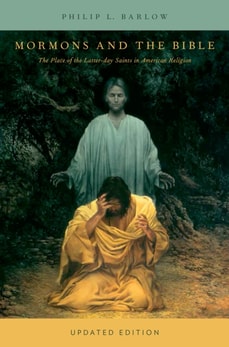
New approaches to a central area of Latter-day Saint belief The Church of Jesus Christ of Latter-day Saints and other Christians have always shared a fundamental belief in the connection between personal salvation and the suffering, death, and resurrection of Jesus Christ.
Performing a critical analysis of new scientific research on religious and spiritual phenomena, Grassie takes a two-staged phenomenological approach working from the 'outside in' and the 'bottom up' without privileging at the outset any religious traditions or philosophical assumptions.
This study of various female deities of Graeco-Roman antiquity is the first to provide evidence that primary goddesses were conceived of as virgin mothers in the earliest layers of their cults.
This book is the first in over a decade to attempt a systematic synthesis of the field of conversion studies, encompassing the disciplines of anthropology, sociology, psychology, history, and theology.
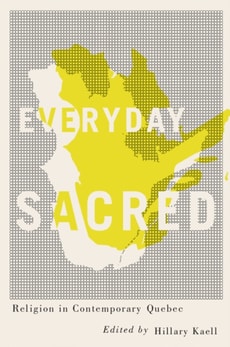
Over the last decade there has been ongoing discussion about the place of religion in Quebecois society, particularly following the proposed Charter of Quebec Values in 2013.
An essential single-volume companion to the critical interpretation of Islamic scriptureThis book provides detailed and multidisciplinary coverage of a wealth of key Qur'anic terms, with incisive entries on crucial expressions ranging from the divine names allah ("e;God"e;) and al-rahman ("e;the Merciful"e;) to the Qur'anic understanding of belief and self-surrender to God.
Drawing on the latest research and scholarship, this newly revised and updated edition of Religions of the Silk Road explores the majestically fabled cities and exotic peoples that make up the romantic notions of the colonial era.
Dialogue on the conflict between religious fundamentalism and women's rights is often stymied by an 'all or nothing' approach: fundamentalists claim of absolute religious freedom, while some feminists dismiss religion entirely as being so imbued with patriarchy as to be eternally opposed to women's rights.
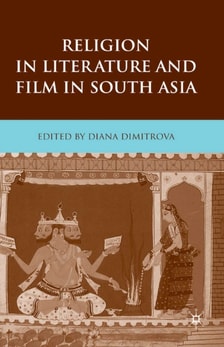
This innovative, interdisciplinary collection of essays by scholars based in Europe and the United States offers stimulating approaches to the role played by religion in present-day South Asia.
By re-examining the central themes of Reformation theology, Chung clearly and carefully describes the fundamental shape of Reformation thinking and introduces the reader to what was and is at stake in the Reformation's insistence on the centrality of the Gospel.
This book examines the pilgrimages to China from Taiwan in the late 1980s and early 1990s and offers a wide-ranging account of urban planning statements, arguments about ritual propriety, and the material culture of pilgrimage.
This book explores the life and ideas of the enigmatic twentieth century philosopher, mystic, and teacher of esoteric dances George Ivanovitch Gurdjieff, performing a hermeneutic textual analysis of all his writings to illuminate the place of hypnosis in his teaching.
Scientific and historical studies in the Nineteenth-century challenged Christian believers to restate their faith in ways which took account of new knowledge.
Across early modern Europe, men and women from all ranks gathered medical, culinary, and food preservation recipes from family and friends, experts and practitioners, and a wide array of printed materials.
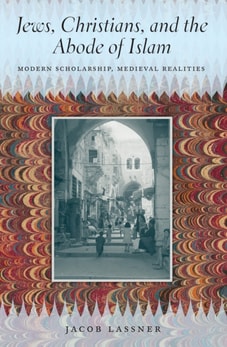
In Jews, Christians, and the Abode of Islam, Jacob Lassner examines the triangular relationship that during the Middle Ages defined-and continues to define today-the political and cultural interaction among the three Abrahamic faiths.
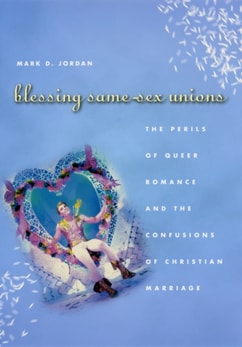
At most church weddings, the person presiding over the ritual is not a priest or a pastor, but the wedding planner, followed by the photographer, the florist, and the caterer.
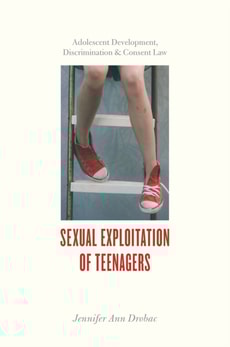
When we consider the concept of sexual abuse and harassment, our minds tend to jump either towards adults caught in unhealthy relationships or criminals who take advantage of children.
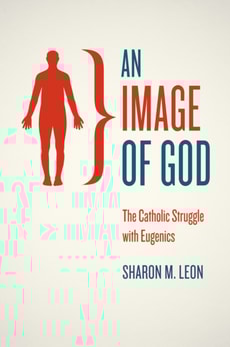
During the first half of the twentieth century, supporters of the eugenics movement offered an image of a racially transformed America by curtailing the reproduction of "e;unfit"e; members of society.
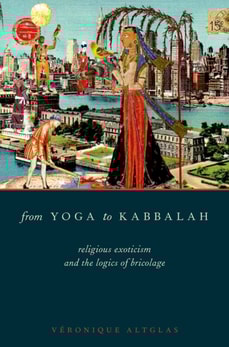
Religious exoticism implies a deeply ambivalent relationship to otherness and to religion itself: traditional religious teachings are uprooted and fragmented in order to be appropriated as practical methods for personal growth.
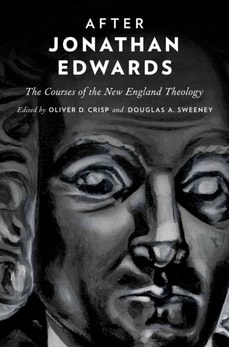
Jonathan Edwards (1703-1758) is widely regarded as one of the major thinkers in the Christian tradition and an important and influential figure in American theology.
Not to be confused with pantheism-the ancient Greek notion that God is everywhere, an animistic force in rocks and trees-the concept of panentheism suggests that God is both in the world, immanent, and also beyond the confines of mere matter, transcendent.