This book compares a variety of biblical narratives with the stories found in several Northwest Semitic inscriptions from the ancient kingdom of Judah and its contemporary Syro-Palestinian neighbors.
Although most historical and contemporary religions are governed by men, there are, scattered throughout the world, a handful of well-documented religions led by women.
In Stages of Thought, Michael Barnes examines a pattern of cognitive development that has evolved over thousands of years--a pattern manifest in both science and religion.
Esteemed scholar David Leeming, who has authored more than twelve books on mythology, here offers the first comprehensive narrative study of the mythology of the Middle East, that tumultuous region that was the cradle of civilization.
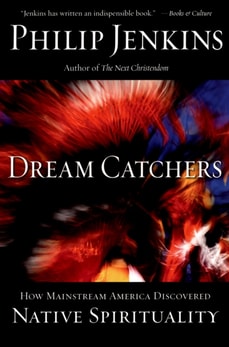
In books such as Mystics and Messiahs, Hidden Gospels, and The Next Christendom, Philip Jenkins has established himself as a leading commentator on religion and society.
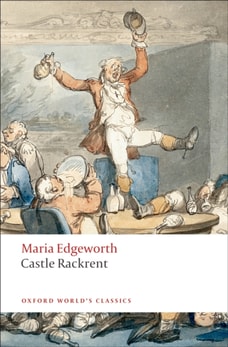
During the 1790s, with Ireland in political crisis, Maria Edgeworth made a surprisingly rebellious choice: in Castle Rackrent, her first novel, she adopted an Irish Catholic voice to narrate the decline of a family from her own Anglo-Irish class.
Mary Pix: The Innocent Mistress (1697) Susanna Centlivre: The Busy-Body (1709) Elizabeth Griffith: The Times (1779) Hannah Cowley: The Belle's Stratagem (1780) Oxford English Drama offers plays from the sixteenth to the early twentieth centuries in selections that make available both rarely printed and canonical works.
The Idea of Semitic Monotheism examines some major aspects of the scholarly study of religion in the long nineteenth century--from the Enlightenment to the First World War.
The Idea of Semitic Monotheism examines some major aspects of the scholarly study of religion in the long nineteenth century--from the Enlightenment to the First World War.
Global Intersectionality and Contemporary Human Rights argues for an expansive definition of human rights, one that encompasses the harm caused by multiple, intersecting forms of subordination.
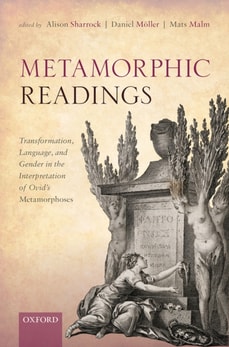
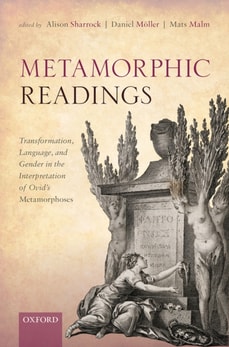
Ovid's remarkable and endlessly fascinating Metamorphoses is one of the best-known and most popular works of classical literature, exerting a pervasive influence on later European literature and culture.
Ovid's remarkable and endlessly fascinating Metamorphoses is one of the best-known and most popular works of classical literature, exerting a pervasive influence on later European literature and culture.
Thirty leading women philosophers draw on and advance the rich heritage of the philosophical tradition to explore topics of pressing interest for today.
Thirty leading women philosophers draw on and advance the rich heritage of the philosophical tradition to explore topics of pressing interest for today.
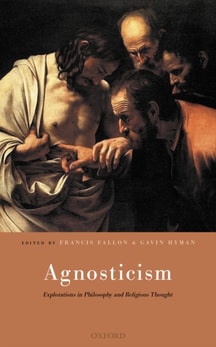
In a time marked by prominent public clashes between theists and atheists, much less attention has been given to the question of agnosticism, whether in public debate or in academic literature.
In a time marked by prominent public clashes between theists and atheists, much less attention has been given to the question of agnosticism, whether in public debate or in academic literature.
This book examines the factors that facilitate the inclusion of women on high courts, while recognizing that many courts have a long way to go before reaching gender parity.
This book examines the factors that facilitate the inclusion of women on high courts, while recognizing that many courts have a long way to go before reaching gender parity.
Atheism is often considered to be a negative or pessimistic belief which is characterized by a rejection of values and purpose and a fierce opposition to religion.
Atheism is often considered to be a negative or pessimistic belief which is characterized by a rejection of values and purpose and a fierce opposition to religion.
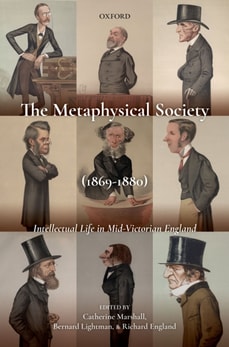
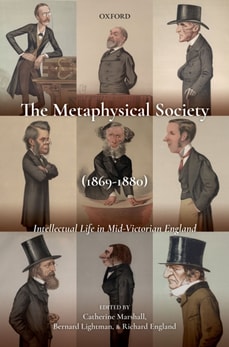
The Metaphysical Society was founded in 1869 at the instigation of James Knowles (editor of the Contemporary Review and then of the Nineteenth Century) with a view to 'collect, arrange, and diffuse Knowledge (whether objective or subjective) of mental and moral phenomena' (first resolution of the society in April 1869).
The Metaphysical Society was founded in 1869 at the instigation of James Knowles (editor of the Contemporary Review and then of the Nineteenth Century) with a view to 'collect, arrange, and diffuse Knowledge (whether objective or subjective) of mental and moral phenomena' (first resolution of the society in April 1869).