The book is organized into three divisions, and as the title implies, there is a brief letter in the form of a New Testament epistle to the contemporary church, a portion of which begins each chapter.
This book traces the emergence and development of the deification theme in Greek patristic theology and its subsequent transformation into the theology of theosis in Pseudo-Dionysius the Areopagite.
Service learning teams and short-term mission opportunities have incredible potential to help participants stretch their faith, to help others, and gain a bigger picture of what God is doing in the world.
John Nevin's vision of the church as "e;one, holy, catholic, and apostolic"e; grew out of his critique of the revivalism and sectarianism that prevailed throughout evangelical Christianity in the nineteenth century.
If a meal is a metaphor for a relationship, then there's no better way to describe God's purpose for his people than as an invitation to a meal with the Maker.
This book tackles the core problem of how painful historical memories between diverse religious communities continue to impact--even poison--present-day relations.
In 1054 CE, the Great Schism between Eastern and Western Christianity occurred, and the official break of communion between the two ancient branches of the church continues to this day.
This book offers a reflection on the development of the commitment of a group of Catholic Sisters to the poor and to social justice, from teaching poor children in a convent basement to being involved in public theology at the United Nations.
A fresh wind of God's Spirit is blowing on the earth today, and as in times past, God is inviting us to raise our sails and move forward with the power and direction that reflects our commitment to God's will.
The Antipedo Baptists of Georgetown, South Carolina, 1710-2010 is the history of the First Baptist Church of Georgetown, South Carolina, as well as the history of Baptists in the colony and state.
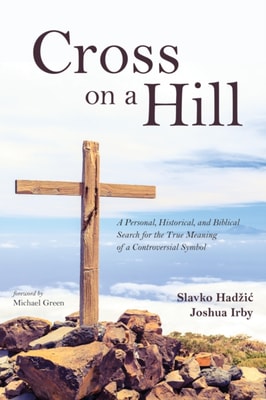
A devastating war, a burning cross, a crime network, and a victorious general--these are some of the many threads Hadzic and Irby weave together to clarify one of history's most misunderstood symbols: the cross.
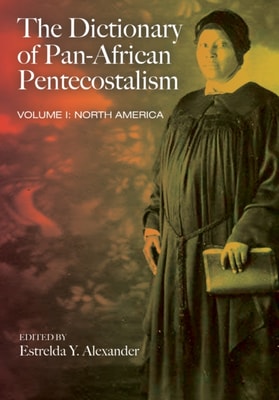
This volume is the first in a series of volumes surveying the important names, movements, and institutions that have been significant in forging black renewal movements in various contexts worldwide.
According to Christian sources from before the middle of the third century AD, the ancient evidence is unanimous that, although there were a few slight differences as to how weekends should be observed, one thing is certain and was uncontroversial: the main day of the week for early Christians to gather and worship was not the seventh-day Saturday Sabbath, but Sunday, which they sometimes called "e;the first day"e; or "e;the eighth day,"e; or "e;the Lord's Day.