From Neil MacGregor, the acclaimed creator of A History of the World in 100 Objects and the Director of the British Museum, comes a unique, enthralling exploration of the age of William Shakespeare to accompany a new BBC Radio 4 series.
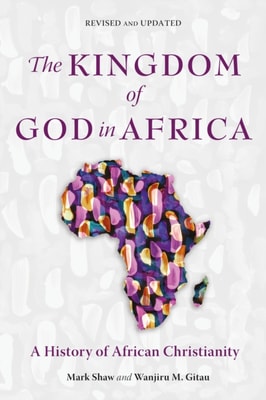
The tenth parallel - the line of latitude seven hundred miles north of the equator - is a geographical and ideological front line where Christianity and Islam collide.
Close examination of the divided religious life of Norwich in the late sixteenth and early seventeenth centuries, with wider implications for the country as a whole.
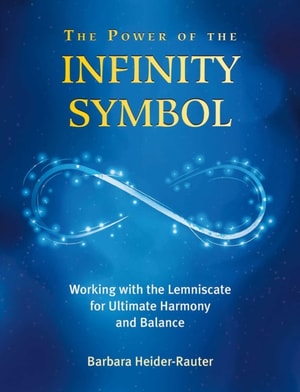
A guide to the spiritual meaning and magic of the infinity symbol and how to activate its positive powers *; Explains how the infinity symbol is the antidote to a negative, imbalanced world and how it can help reconnect the two halves of the brain and achieve balance and harmony in yourself, your relationships, and the wider world *; Offers simple and practical exercises that harness the power of the infinity symbol for balance and harmony, including simple visualizations, physical exercises, and directed drawing of the symbol *; Explores the many appearances of this universal symbol in history, mythology, different cultures, and the natural world Through the ages, the infinity symbol, a sideways figure eight, has represented eternal development and balance.
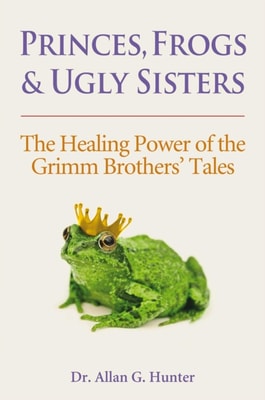
Analyzing the ways in which the Grimm brothers' tales provide real, vital insights into how to live more happily, understand the need for personal and psychological growth, and find that significant other, this innovative study revives the true healing nature of these beloved tales.
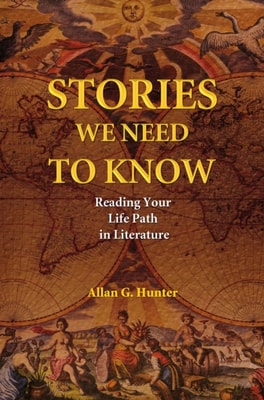
A combination of therapy and expertise in literature, this book explains the six archetypes derived from 4,000 years of literature and how they may guide unhappy people seeking meaning in their lives.
Digital Theology is a rapidly emerging field of academic research and gaining traction with scholars of Computer Science, Theology, Sociology of Religion and the wider Humanities.
Digital Theology is a rapidly emerging field of academic research and gaining traction with scholars of Computer Science, Theology, Sociology of Religion and the wider Humanities.
Ilya Budraitskis, one of the country's most prominent leftist political commentators, explores the strange fusion of free-market ideology and postmodern nationalism that now prevails in Russia, and describes the post-Soviet evolution of its left.
For South Asia, fashion and consumption have come to play an increasingly important role in the lives of young people and in the formation of youth cultures.
For South Asia, fashion and consumption have come to play an increasingly important role in the lives of young people and in the formation of youth cultures.
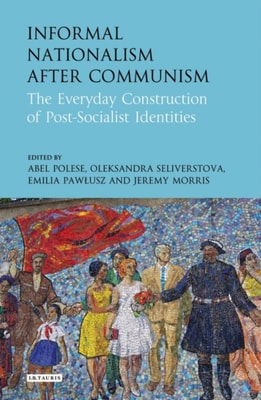
Since the collapse of the Soviet Union, nation building and identity construction in the post-socialist region have been the subject of extensive academic research.
Since the collapse of the Soviet Union, nation building and identity construction in the post-socialist region have been the subject of extensive academic research.
Having presented core and other principles underpinning our conduct and actions in Living Humanism Part 1, and having discussed these principles and their application in a range of key areas and contexts, part two of Living Humanism takes the discussion and application of core and other principles into the realms of further areas, situations and circumstances relevant to our daily lives, and tackles additional questions and issues central to our personal conduct and action.
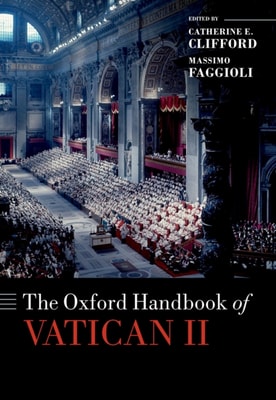
The Oxford Handbook of Vatican II is a rich source of information and reflections on many aspects of the Second Vatican Council (1962-1965), one of the most significant religious events of the twentieth century.
The Oxford Handbook of Vatican II is a rich source of information and reflections on many aspects of the Second Vatican Council (1962-1965), one of the most significant religious events of the twentieth century.
Fake News in Digital Cultures presents a new approach to understanding disinformation and misinformation in contemporary digital communication, arguing that fake news is not an alien phenomenon undertaken by bad actors, but a logical outcome of contemporary digital and popular culture, conceptual changes meaning and truth, and shifts in the social practice of trust, attitude and creativity.
Fake News in Digital Cultures presents a new approach to understanding disinformation and misinformation in contemporary digital communication, arguing that fake news is not an alien phenomenon undertaken by bad actors, but a logical outcome of contemporary digital and popular culture, conceptual changes meaning and truth, and shifts in the social practice of trust, attitude and creativity.