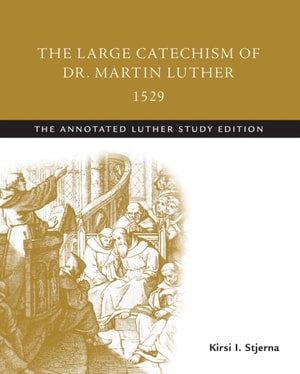
Given a life spent in scholarship and controversy, it is easy to forget how much energy Martin Luther devoted to helping the common person understand and take comfort from Gods word.
The story of the binding of Isaac presents problems and opportunities for people who seek to live faithfully in relationship with a God who surpasses our understanding.
Reminiscent of Bonhoeffer’s Discipleship, Jennifer McBride’s Radical Discipleship utilizes the liturgical seasons as a framework for engaging the social evils of mass incarceration, capital punishment, and homelessness, arguing that to be faithful to the gospel, Christians must become disciples of, not simply believers in, Jesus.
Looking beneath the surface of seemingly ordinary social interactions, The Moral Power of Money investigates the forces of power and morality at play, particularly among the poor.
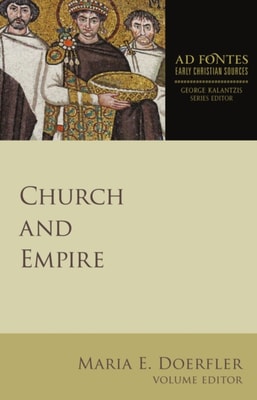
The history of the churchs relationship with governing authorities unfolds from its beginnings at the intersection of apprehension and acceptance, collaboration and separation.
This book about Luther's theology is written out of a twofold conviction: first, that many of our problems have arisen because we have not really understood our own traditions, especially in the case of Luther; and second, that there is still a lot of help for us in someone like Luther if we take the trouble to probe beneath the surface.
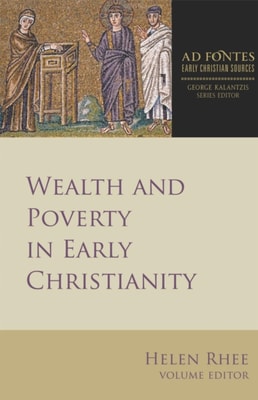
Wealth and Poverty in Early Christianity is part of Ad Fontes: Early Christian Sources, a series designed to present ancient Christian texts essential to an understanding of Christian theology, ecclesiology, and practice.
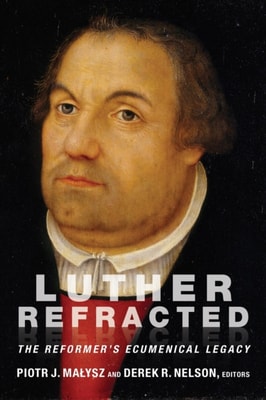
The development of Martin Luther's thought has commanded much scholarly attention because of the Reformation and its remarkable effects on the history of Christianity in the West.
This book combines a rich description of the (Lutheran) Formula of Concord (1577) with experiences in today's Lutheran parishes to demonstrate how confessional texts may still come to life in modern Christian congregations.
Shaking the Gates of Hell: Faith-Led Resistance to Corporate Globalization breaks new ground by describing the global economy and its effects from the perspective of an integrated theology of "e;the earth as primary revelation"e; and the institutional powers of this world.
The dramatic unfolding of events after Martin Luther's revolutionary act led to the ultimate, and seemingly irreparable, fissure with Roman Catholicism: excommunication and schism.
In this handbook, author Gordon Lathrop guides preachers as they think about the central matters and purposes of preaching and engage in preparation for this important task.
Andrew Hayes takes the measure of Marcion's impact on second-century Christianity through a close examination of the topics and structure of Justin Martyr's writings, especially the Dialogue with Trypho, demonstrating that Justin repeatedly described Christianity in a contra-Marcionite fashion.
Soteriology and the End of Animal Sacrifice traces the historically sustained critique of animal sacrifice in both the Jewish prophets and Greek philosophers and offers a reinterpretation of the fundamental expression of piety in both cultures.
Translated for the first time from the original Persian into English, these selected treatises from Aziz O-Din Nasafi's thirteenth-century work The Perfect Being provide a fascinating and rare, yet applicable, introduction to Sufism.
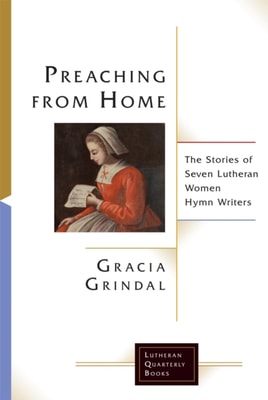
This volume by Gracia Grindal introduces English-speaking readers to several significant yet unsung Lutheran women hymn writers from the sixteenth century to the present.
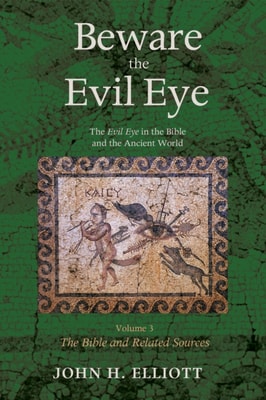
The Evil Eye is mentioned repeatedly throughout the Old Testament, Israel's parabiblical writings, and New Testament, with a variety of terms and expressions.
Award-winning journalist and popular blogger Deacon Greg Kandra gently guides you through Lent with thought-provoking spiritual reflections on the daily gospel readings.
Twenty years ago, Anthony Pinn‘s engrossing survey highlighted the rich diversity of black religious life in America, revealing expressions of an ever-changing black religious quest in four non-Christian religious movements.