This book introduces the theory of interreligious resilience as a means to developing deeper and more effective interreligious engagement and resilience.
This book introduces the theory of interreligious resilience as a means to developing deeper and more effective interreligious engagement and resilience.
One of the most comprehensive volumes on Myanmar's identity politics to date, this book discusses the entanglement of ethnic and religious identities in Myanmar and the challenges presented by its extensive ethnic-religious diversity.
One of the most comprehensive volumes on Myanmar's identity politics to date, this book discusses the entanglement of ethnic and religious identities in Myanmar and the challenges presented by its extensive ethnic-religious diversity.
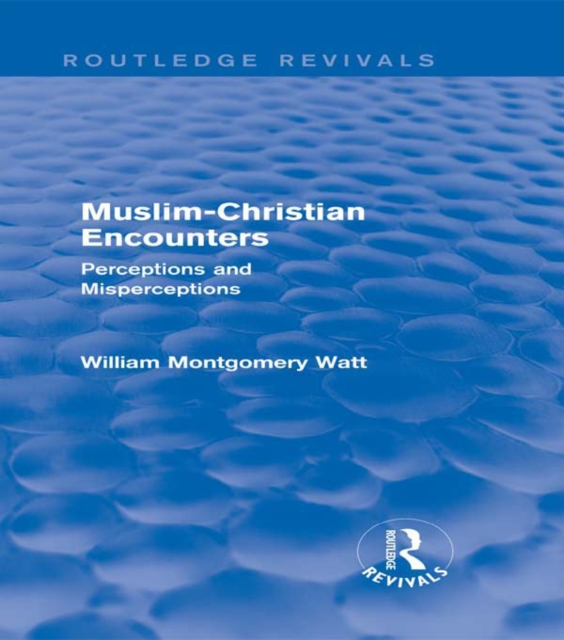
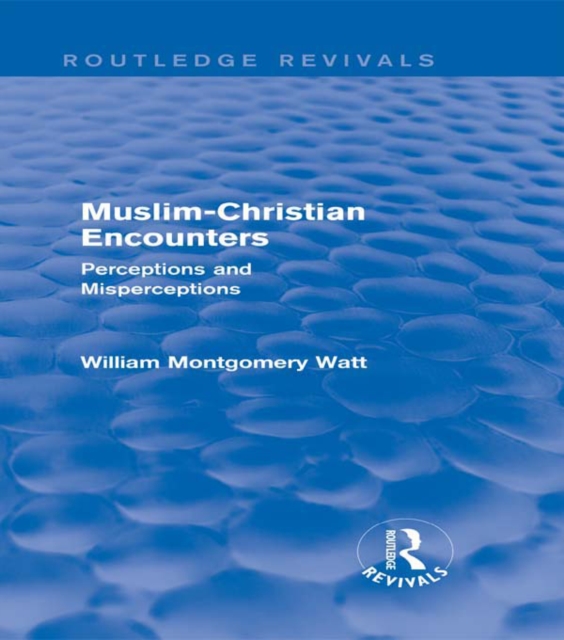
First published in 1991, this title explores the myths and misperceptions that have underpinned Muslim-Christian relations throughout history, and which endure to the current day.
First published in 1991, this title explores the myths and misperceptions that have underpinned Muslim-Christian relations throughout history, and which endure to the current day.
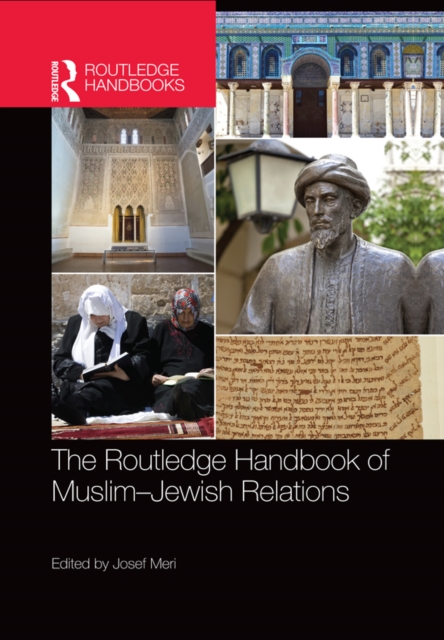
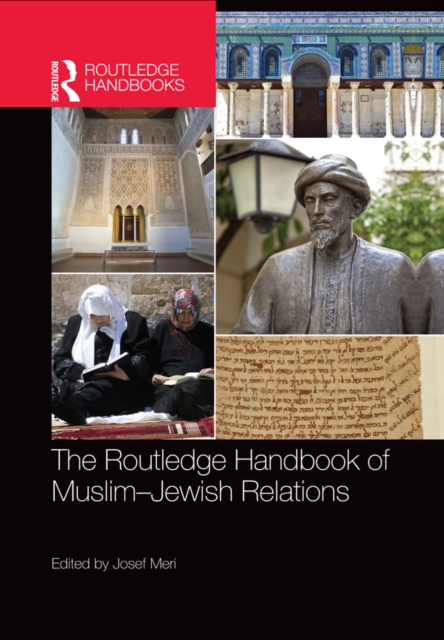
The Routledge Handbook of Muslim-Jewish Relations invites readers to deepen their understanding of the historical, social, cultural, and political themes that impact modern-day perceptions of interfaith dialogue.
The Routledge Handbook of Muslim-Jewish Relations invites readers to deepen their understanding of the historical, social, cultural, and political themes that impact modern-day perceptions of interfaith dialogue.
This book introduces and examines the work of two significant 21st century Christian - Muslim dialogue initiatives - "e;Building Bridges"e; and the "e;Christian-Muslim Theological Forum"e; - and gives close attention to five theological themes that have been addressed in common by them.
This book introduces and examines the work of two significant 21st century Christian - Muslim dialogue initiatives - "e;Building Bridges"e; and the "e;Christian-Muslim Theological Forum"e; - and gives close attention to five theological themes that have been addressed in common by them.
At a time when the world is becoming increasingly interdependent, multi-cultural and multi-religious, the concept of religious pluralism is under assault as a result of hatred, prejudice and misunderstanding from both religious exclusivists and dogmatic secularists.
At a time when the world is becoming increasingly interdependent, multi-cultural and multi-religious, the concept of religious pluralism is under assault as a result of hatred, prejudice and misunderstanding from both religious exclusivists and dogmatic secularists.
In our post 9/11 world where there is a growing religious fundamentalism, and when both exclusion and easy tolerance are inadequate options, this book offers a creative alternative arguing that Pentecostalism has the potential to be a peaceful harbinger of plurality.
In our post 9/11 world where there is a growing religious fundamentalism, and when both exclusion and easy tolerance are inadequate options, this book offers a creative alternative arguing that Pentecostalism has the potential to be a peaceful harbinger of plurality.
Twentieth Century Christian Responses to Religious Pluralism begins with the recognition that the traditional three-fold typology adopted by Christians in responding to other living world religions is no longer adequate and offers a much more sophisticated and developed approach.
Twentieth Century Christian Responses to Religious Pluralism begins with the recognition that the traditional three-fold typology adopted by Christians in responding to other living world religions is no longer adequate and offers a much more sophisticated and developed approach.
First published in 2005, this book addresses the challenges arising from Christian-Muslim encounter and attempts to enable outsiders to understand the religion of Islam.
First published in 2005, this book addresses the challenges arising from Christian-Muslim encounter and attempts to enable outsiders to understand the religion of Islam.
Church History reveals that Christianity has its roots in Palestine during the first century and was spread throughout the Mediterranean countries by the Apostles.
Church History reveals that Christianity has its roots in Palestine during the first century and was spread throughout the Mediterranean countries by the Apostles.
First published in 1968, Ninian Smart's The Yogi and the Devotee: The Interplay Between the Upanishads and Catholic Theology is based on lectures given in Delhi and explores in a novel way the relation between Hinduism and Christianity.
First published in 1968, Ninian Smart's The Yogi and the Devotee: The Interplay Between the Upanishads and Catholic Theology is based on lectures given in Delhi and explores in a novel way the relation between Hinduism and Christianity.
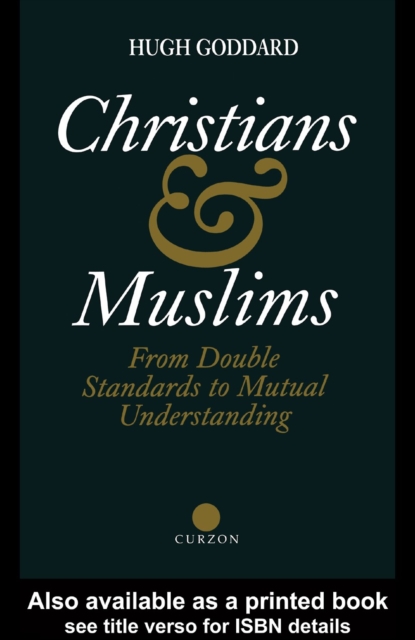
One of the most persistent problems in Christian-Muslim relations over the centuries has been the tendency by each to judge the other by standards and criteria not used in assessing itself.
One of the most persistent problems in Christian-Muslim relations over the centuries has been the tendency by each to judge the other by standards and criteria not used in assessing itself.
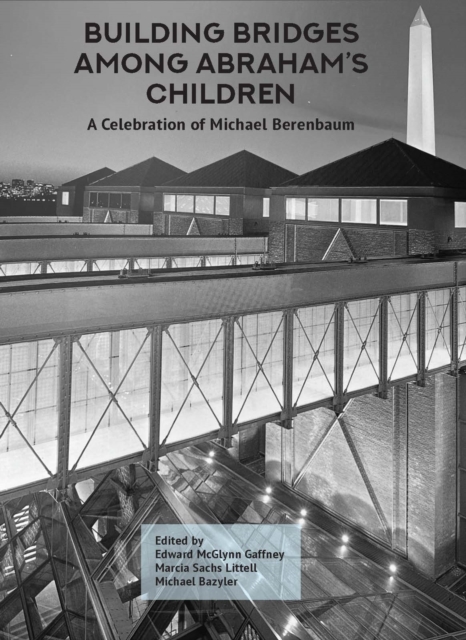
Building Bridges Among Abrahams Children honors the extraordinary career of Professor Michael Berenbaum, a luminary in Holocaust studies, museum design, filmmaking, and interfaith dialogue.
Providing a rigorous analysis of Buddhist ways of understanding religious diversity, this book develops a new foundation for cross-cultural understanding of religious diversity in our time.
Providing a rigorous analysis of Buddhist ways of understanding religious diversity, this book develops a new foundation for cross-cultural understanding of religious diversity in our time.
Offering an analysis of Christian-Muslim dialogue across four centuries, this book highlights those voices of ecumenical tone which have more often used the Qur'an for drawing the two faiths together rather than pushing them apart, and amplifies the voice of the Qur'an itself.
Offering an analysis of Christian-Muslim dialogue across four centuries, this book highlights those voices of ecumenical tone which have more often used the Qur'an for drawing the two faiths together rather than pushing them apart, and amplifies the voice of the Qur'an itself.