Edited by two of the most prominent names in interfaith dialogue, this is an introduction to the complex relationships between Christianity and the other world faiths.
An inspired and impassioned historical examination of humanity's search for the divineFrom Plato to Wittgenstein and religions from Judaism to the Hindu tradition, interspersed with divine influences from Classical Greece, Romantic poetry, and the occasional scene from 'Alien', ';God: A Guide for the Perplexed' charts the path of humanity's great spiritual odyssey: the search for God.
Gold Medal, 2022 Independent Publisher Book Awards, IPPYPersonal friendships with Somali Muslims overcome the prejudices and expand the faith of a typical American Evangelical Christian living in the Horn of Africa.
Jews lived in Egypt for centuries, since biblical times; nevertheless, Jewish life in medieval Islamic Egypt was for many years an obscure and understudied theme.
This book explores the concept of Polyhedral Christianity that has the capacity to embrace the inter/multicultural-religious complexities of our contemporary world, taking inspiration from Pope Francis' use of the image of a polyhedron.
"e;This work is not addressed only to scholars of Judaism or theologians, but also, and primarily, to all Jews and non-Jews who would like to share the thoughts and struggles of a person who loves Torah and Halakhah, who is committed to helping make room for and celebrate the religious and cultural diversity present in the modern world, and who believes that a commitment to Israel and to Jewish particularity must be organically connected to the rabbinic teaching, 'Beloved are all human beings created in the image of God.
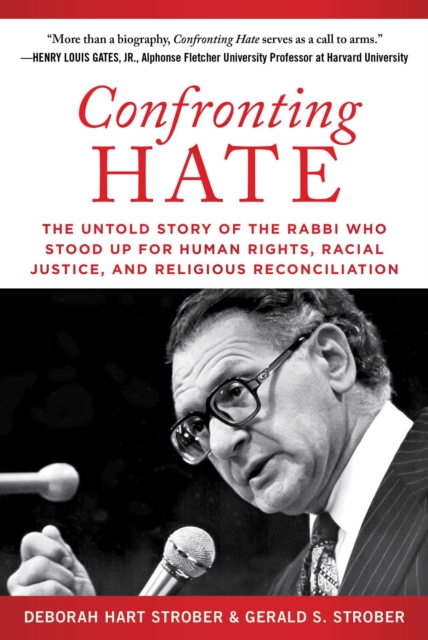
In this biography, Gerald and Deborah Strober draw from original source materials and numerous interviews to detail the life and career of the esteemed Rabbi Marc Tanenbaum, a seminal 20th century figure in interfaith relations in the US and around the world.
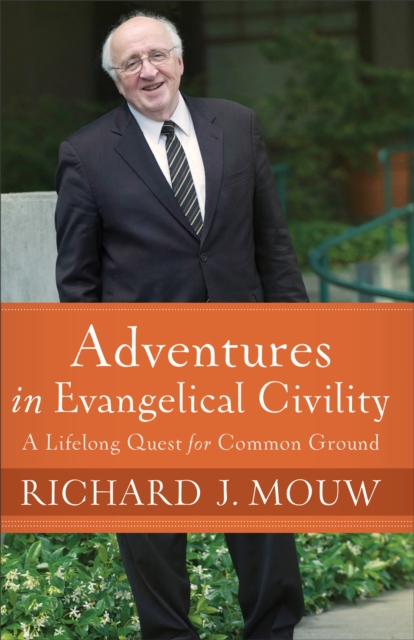
A Hopeful Calvinist's Quest for Common GroundRichard Mouw, one of the most influential evangelical voices in America, has been on a lifelong "quest for commonness"--engaging with others in a positive manner and advocating for a "convicted civility" when conversing with those with whom we disagree.
The sixth volume of the series "e;Key Concepts of Interreligious Discourses"e; investigates the roots of the concept of "e;person"e; in Judaism, Christianity and Islam and its relevance for the present time.
This collaborative effort by a number of the world's leading experts on the Holocaust examines the question: how should Vatican policies during World War II be understood?
Despite predictions of continuing secularisation, the twenty-first century has witnessed a surge of religious extremism and violence in the name of God.
Shared ritual practices, multi-faith celebrations, and interreligious prayers are becoming increasingly common in the USA and Europe as more people experience religious diversity first hand.
Shared ritual practices, multi-faith celebrations, and interreligious prayers are becoming increasingly common in the USA and Europe as more people experience religious diversity first hand.
This valuable book is the first to bring together theory and policy with analysis and expertise on practices in key areas of the public realm to explore what religious literacy is, why it is needed and what might be done about it.
This valuable book is the first to bring together theory and policy with analysis and expertise on practices in key areas of the public realm to explore what religious literacy is, why it is needed and what might be done about it.
"e;A hard-hitting polemic against religious fundamentalism"e; - Foreword by Richard Dawkins' Thousands of people have written to tell me that I am wrong not to believe in God.