Once upon a time, on grounds of both religion and common sense, people assumed that the earth was flat and that the sun literally rose and set each day.
James Friedman, a retired philosophy professor living in Houston, receives an invitation from a woman, identifying herself only as Shekhinah, who claims she was once God.
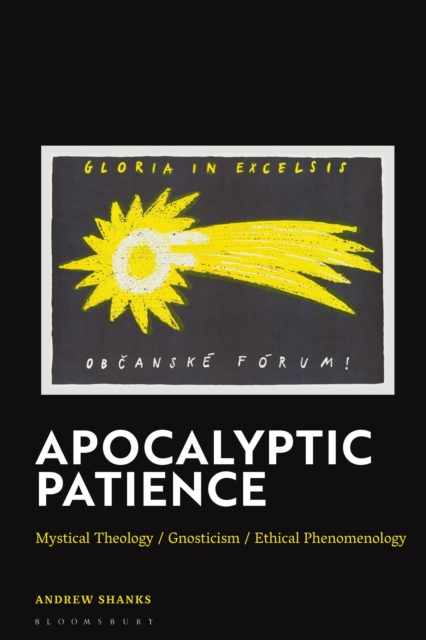
Andrew Shanks brings together a grand narrative of theology and continental philosophy to argue that the 'solidarity of the shaken' is the kingdom of God in secular dress.
Frithjof Schuons perspective of pure esoterism focuses on the inward and universal dimension of religion, also referred to as the sophia perennis (';perennial wisdom').
What this book does aim to do is to encourage the asking of questions, knowing that it is not possible to obtain all the answers, allowing for an encounter with God in the spaces in between.
Apocalyptic scenarios remain prevalent and powerful in popular culture (in television, film, comic books, and popular fiction), in politics (in debates on climate change, environmentalism, Middle East policy, and military planning), and in various religious traditions.
The India Commentary on the New Testament (ICNT) series aims to give a well-informed exposition of the meaning of the text and relevant reflections in everyday language from a contemporary Indian context.
Andrew Shanks brings together a grand narrative of theology and continental philosophy to argue that the 'solidarity of the shaken' is the kingdom of God in secular dress.
The first two chapters of Pauls first epistle to the Christians of Corinth, written in the fifth decade of the first century, have played a significant role in the history of Christian theology.
Understanding and Using the Bible is an engaging and exciting introduction to biblical methods and practices of study, edited by two trusted teachers in collaboration with a diverse array of contributors.
The twentieth century witnessed considerable debate over the question of the possibility of a "e;Christian philosophy,"e; particularly in light of the revival of Thomism initiated by the papal encyclical Aeterni Patris.
From the Greek philosophers to the Postmodernist theories of Jacques Derrida and Richard Rorty, this authoritative survey encompasses over two thousand years of interaction between philosophical and religious thought.
In this new edition of his most important philosophical work, Frithjof Schuon confronts the pitfalls of rationalism and relativism within modern philosophy.
From one of the major figures of twentieth-century intellectual life, an incisive critique of faith and reason in the secular ageOriginally published in 1958, Critique of Religion and Philosophy is Walter Kaufmann's luminous appraisal of the orthodoxies of his day.
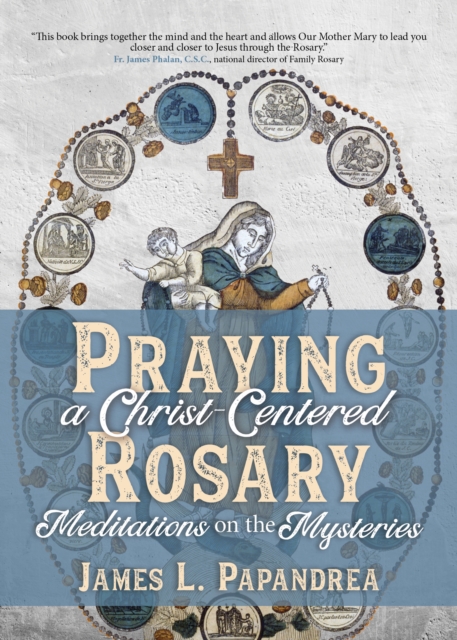
The Rosary is one of the most recognizable of all Catholic devotions, yet many who love the Rosary have yet to discover the profound truths contained in its mysteries.
After deciding to terminate his authorship with the pseudonymous Concluding Unscientific Postscript, Kierkegaard composed reviews as a means of writing without being an author.
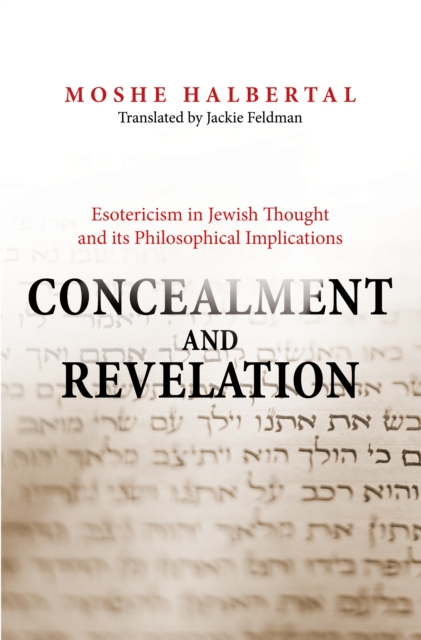
During the twelfth and thirteenth centuries, great new trends of Jewish thought emerged whose widely varied representatives--Kabbalists, philosophers, and astrologers--each claimed that their particular understanding revealed the actual secret of the Torah.
Leve fryktløst av Paramahansa Yogananda formidler hvordan det er mulig å bryte løs fra fryktens lenker, og viser hvordan vi kan overvinne våre egne begrensninger.
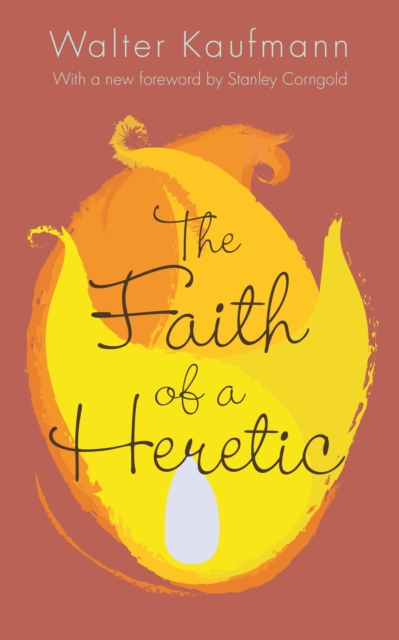
Originally published in 1959, The Faith of a Heretic is the most personal statement of the beliefs of Nietzsche biographer and translator Walter Kaufmann.
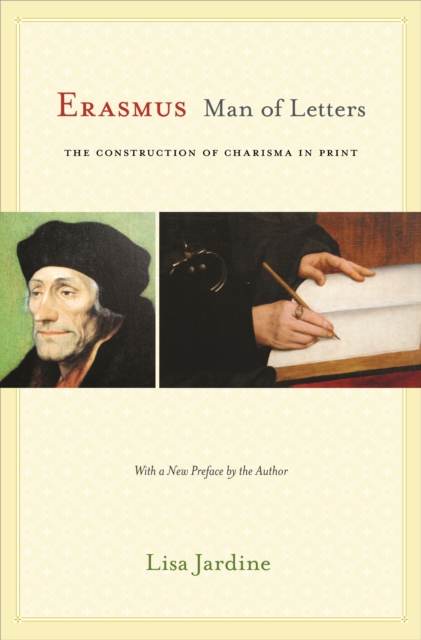
The name Erasmus of Rotterdam conjures up a golden age of scholarly integrity and the disinterested pursuit of knowledge, when learning could command public admiration without the need for authorial self-promotion.
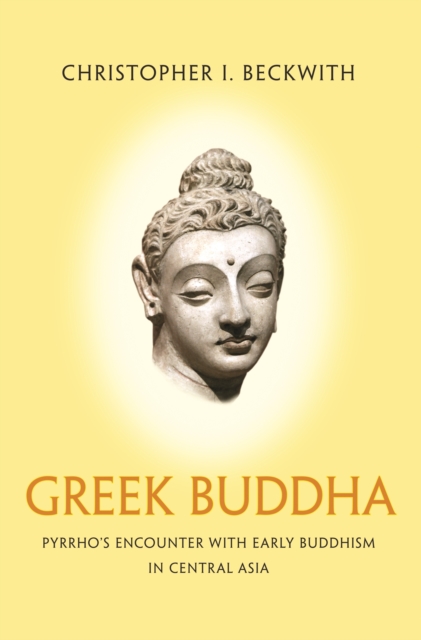
How a Greek philosopher's encounters with Buddhism in Central Asia influenced Western philosophyPyrrho of Elis went with Alexander the Great to Central Asia and India during the Greek invasion and conquest of the Persian Empire in 334-324 BC.
An ambitious history of how medieval writers came to terms with paganismFrom the turn of the fifth century to the beginning of the eighteenth, Christian writers were fascinated and troubled by the "e;Problem of Paganism,"e; which this book identifies and examines for the first time.
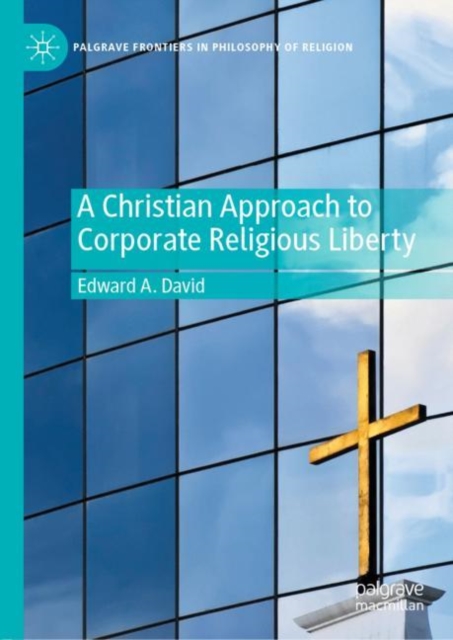
This book addresses one of the most urgent issues in contemporary American law-namely, the logic and limits of extending free exercise rights to corporate entities.
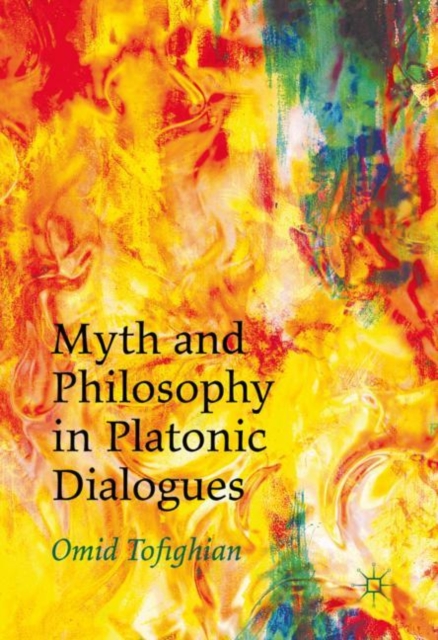
This book rethinks Plato's creation and use of myth by drawing on theories and methods from myth studies, religious studies, literary theory and related fields.